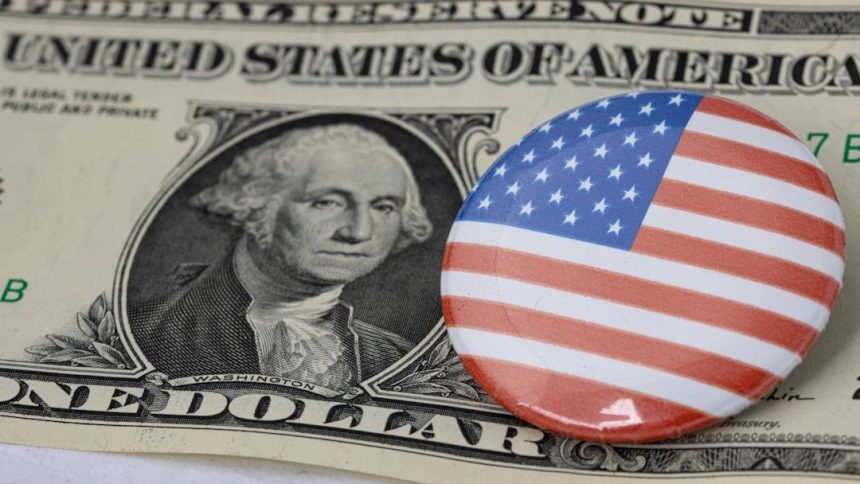


With Bob Buckhorn’s campaign kicked off, critics would be wise to learn it takes fat stacks to run for Mayor – Image for illustrative purposes only (Image credits: Unsplash)
Tampa residents are already feeling the effects of a mayoral race that will demand substantial resources to reach voters across one of Florida’s largest media markets. Former Mayor Bob Buckhorn has entered the contest with a clear financial head start, raising questions about how campaign spending shapes the information voters receive and the strategies his opponents must adopt. The 2027 election timeline adds urgency, as candidates must build name recognition and address issues like affordability well before primary ballots are cast.
How Past Races Set the Spending Baseline
Campaign costs in Tampa have risen steadily over the past decade and a half. In 2011, Buckhorn raised roughly $567,000 during his first successful bid for the office. Eight years later, when Jane Castor first ran for mayor, she collected $2.1 million while her main opponent self-funded more than twice that amount. These figures illustrate how even established candidates now require larger war chests simply to match the scale of modern outreach. The current cycle shows further escalation. Buckhorn has already secured $1.8 million through his political committee, with nearly all of it still available for use. That sum stands in sharp contrast to the low-five-figure totals reported by some challengers, highlighting the gap that must be closed if any opponent hopes to compete on equal footing.
What the Money Actually Buys in a Large Market
Tampa Bay ranks as the 11th-largest media market in the country, which drives up the price of every form of voter contact. A single television advertisement can cost more than many luxury vehicles, and even lower-viewership stations add up quickly when campaigns need repeated exposure. Digital advertising offers some savings but still requires professional production and targeted placement to reach specific neighborhoods. Mailers, voter data lists, and text-messaging services compound the expense. Campaigns also hire staff to manage messaging, respond to media inquiries, and coordinate volunteers. Inflation has affected these line items just as it has everyday purchases, making the overall price of running a competitive race noticeably higher than it was during Buckhorn’s earlier campaigns.
Who Stands to Gain or Lose from the Current Setup
Buckhorn’s financial position allows his team to focus on positive messaging about his prior eight years in office and his plans for addressing the affordability crisis. Opponents, by comparison, must stretch limited funds across both defensive responses and their own outreach efforts. This dynamic affects not only the candidates but also the broader pool of donors, volunteers, and residents who want their concerns heard. Ten other candidates have filed for the race. Among the more recognizable names are City Council members Bill Carlson and Lynn Hurtak, along with Taryn Sabia. These individuals share overlapping donor pools and voter bases, which fragments resources that might otherwise consolidate against the front-runner. – Carlson and Hurtak previously aligned on checks to the current administration yet now split the same anti-establishment lane.
– Sabia has raised a respectable but far smaller amount than Buckhorn’s seven-figure total.
– The remaining lesser-known entrants further divide attention and contributions in the primary.
Paths Forward for Those Seeking to Close the Gap
Consolidation among challengers offers one practical route to a stronger position. If several candidates exit before the primary, the surviving contender could access a wider set of donors and volunteers without splitting support. That approach worked for Buckhorn himself in 2011, when he advanced to a runoff and then prevailed. Yet consolidation carries risks. The candidate who emerges in the top two could still enter a runoff with far less cash than Buckhorn, limiting the ability to counter his sustained advertising and earned media presence. Grassroots efforts remain valuable for direct voter contact, but they rarely match the reach of paid media buys in a market this size. The outcome will ultimately rest on whether voters prioritize a candidate’s proven record and communication capacity or place greater weight on concerns about donor influence. Those choices will determine not only who leads Tampa but also how future campaigns balance financial realities with public expectations.