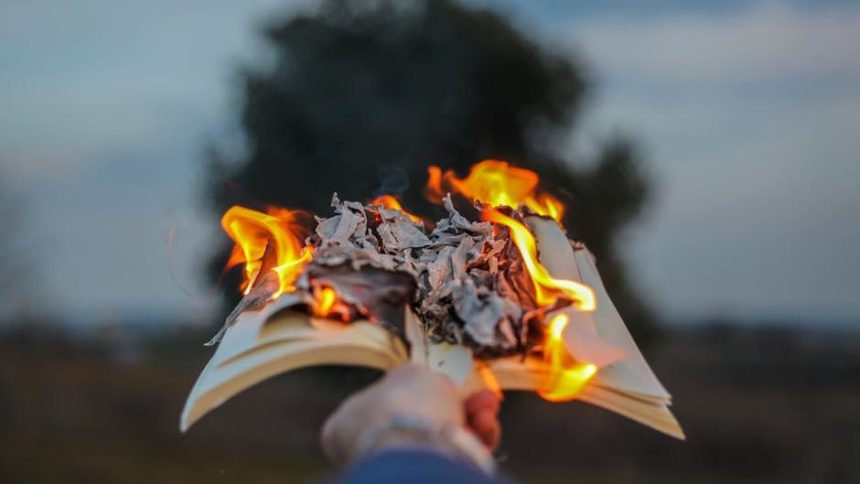
Fire has always been a political tool. Long before governments used surveillance or digital censorship, they used flames. Throughout history, the burning of books has served a single, consistent purpose: to erase ideas that those in power found threatening. From ancient Chinese emperors to Nazi propagandists to modern-day organized pressure groups, the pattern repeats itself with disturbing regularity. The question is always the same – what were they so afraid people would read?
The Qin Dynasty: China’s First Information Purge
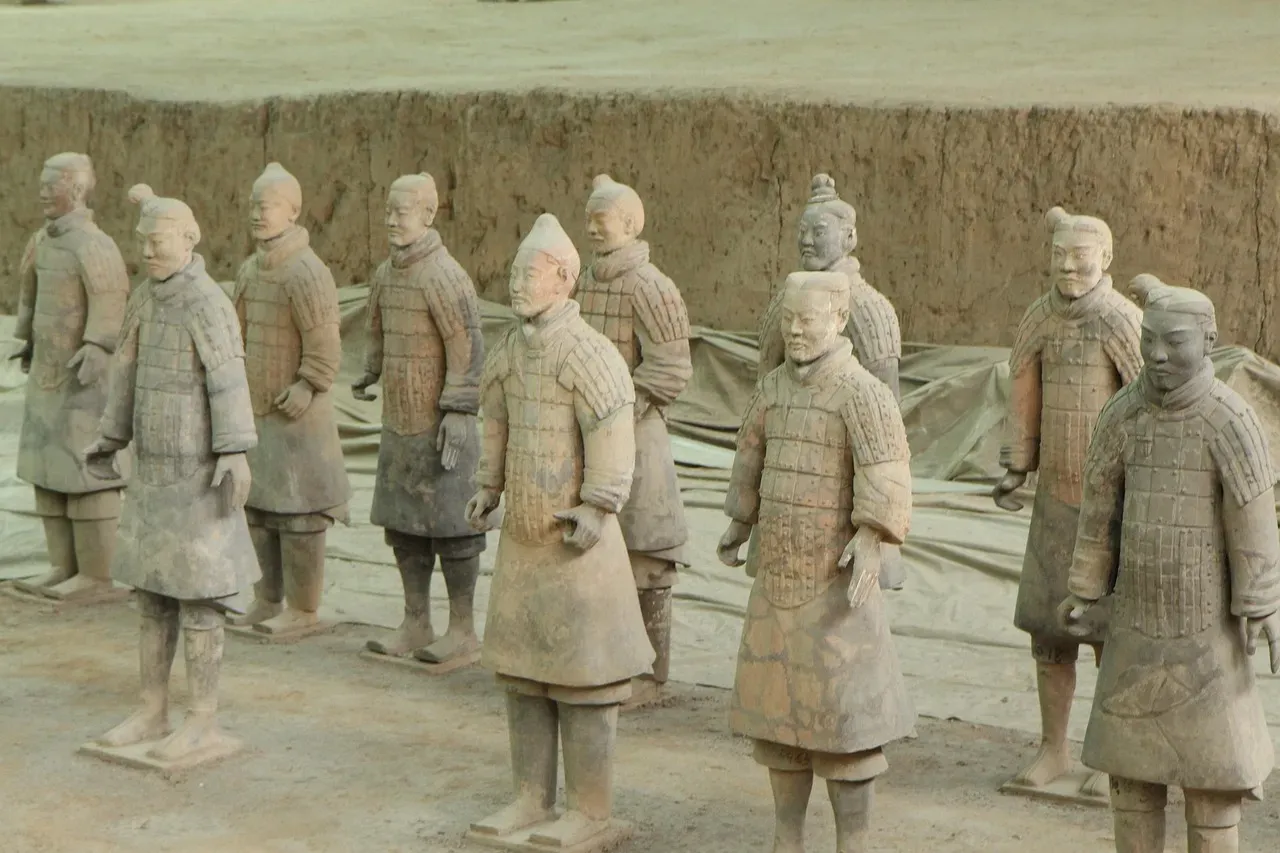
The burning of books and burying of scholars was the purported burning of texts in 213 BCE and live burial of scholars ordered by Chinese emperor Qin Shi Huang. The events were alleged to have destroyed philosophical treatises of the Hundred Schools of Thought, with the goal of strengthening the official Qin governing philosophy of Legalism. In 213 BCE, the Qin Dynasty ordered the burning of all books except those related to medicine, agriculture, and prophecy – a devastating event meant to control the spread of knowledge and ideas that the ruling government deemed as threats to their power.
All books not dealing with agriculture, medicine, or prognostication were burned, except historical records of Qin and books in the imperial library. Confucian texts were specifically targeted, as Qin Shi Huang believed that Confucianism promoted ideas contrary to his authoritarian rule. In Huang’s view, China’s history began with him, and it was necessary to destroy all past schools of thought in order to enact the level of control he desired.
The Library of Alexandria: The World’s Greatest Loss
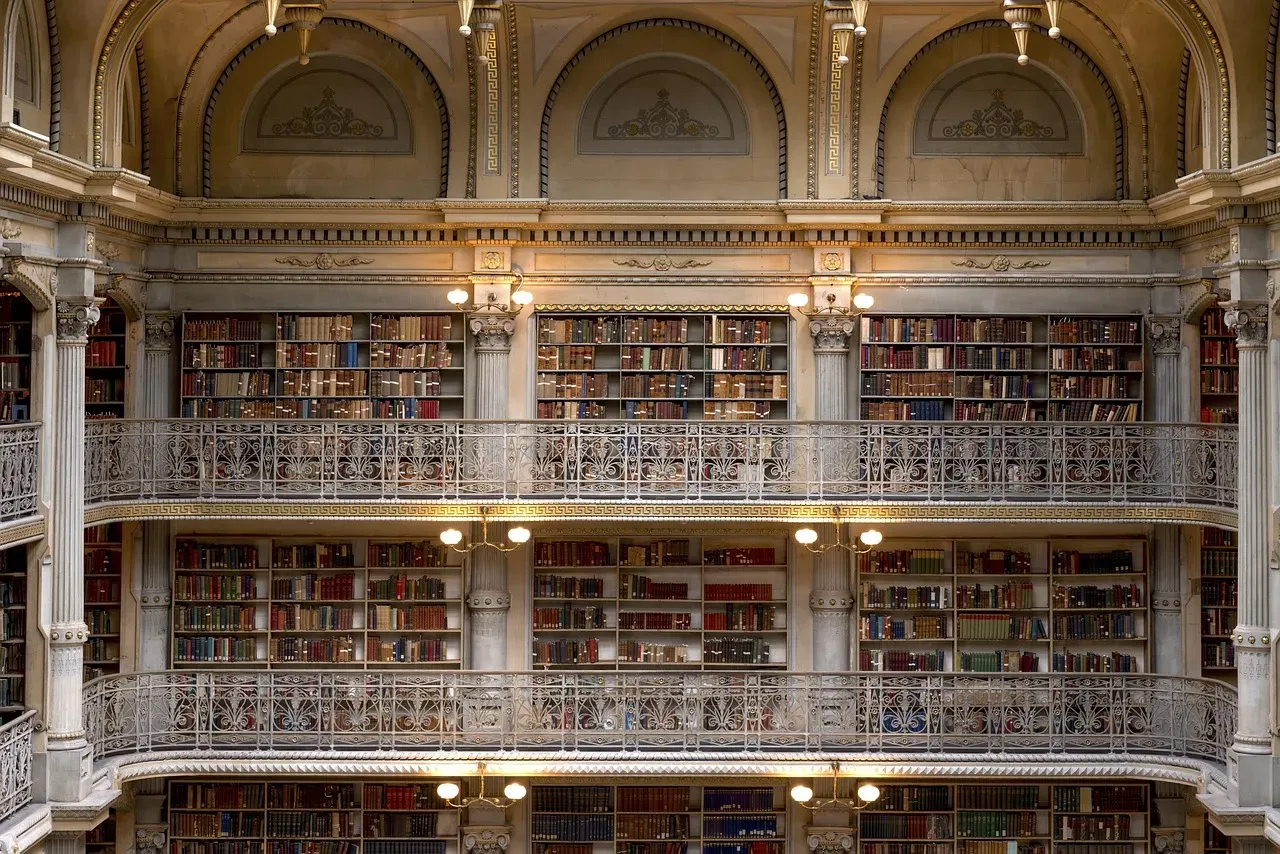
The destruction of the Library of Alexandria is a highly debated story of book burning on a monumental scale. A storied wonder, the Library of Alexandria was known for being one of the largest and most significant libraries of the ancient world, said to have housed many thousands of scrolls and manuscripts from across the globe covering literature, science, philosophy, and religion. What happened to the library is actually unclear. Some say Julius Caesar burned it down, others say a conquering Muslim commander burned the books, and others say that the library never succumbed to a fire at all.
According to legend, the caliph Omar burned all 200,000 volumes in the library at Alexandria in Egypt, reasoning: “If these writings of the Greeks agree with the Book of God they are useless and need not be preserved; if they disagree, they are pernicious and ought to be destroyed.” Author Susan Orlean describes books as “a sort of cultural DNA, the code for who, as a society, we are, and what we know” – and ridding a culture of its books means denying a people their history, erasing a portion of their shared memory.
Nazi Germany 1933: The Bonfire of a Nation’s Soul

On May 10, 1933, university students in 34 university towns across Germany burned over 25,000 books. The Nazi book burnings were a campaign conducted by the German Student Union to ceremonially burn books in Nazi Germany and Austria in the 1930s. The books targeted were those viewed as being subversive or as representing ideologies opposed to Nazism, including books written by Jewish, half-Jewish, communist, socialist, anarchist, liberal, pacifist, and sexologist authors. The targets ranged broadly, and names repeatedly identified in contemporary reports and modern encyclopedias include Bertolt Brecht, Sigmund Freud, Thomas Mann, Stefan Zweig, Erich Maria Remarque, and Karl Marx, among many others.
The lists of “un-German” books that the students planned to burn were not compiled by the students themselves. Most of the book burnings in May 1933 used lists put together by Nazi librarian Wolfgang Hermann, and these “blacklists” included hundreds of authors organized by genre. On 6 May 1933, the Institute of Sexology – an academic foundation devoted to sexological research and the advocacy of homosexual rights – was broken into by Nazi-supporting youth. Several days later, the entire contents of its library were removed to Berlin’s Bebelplatz Square, where they were publicly burned along with thousands of other books.
The Soviet Union: Censorship as State Science
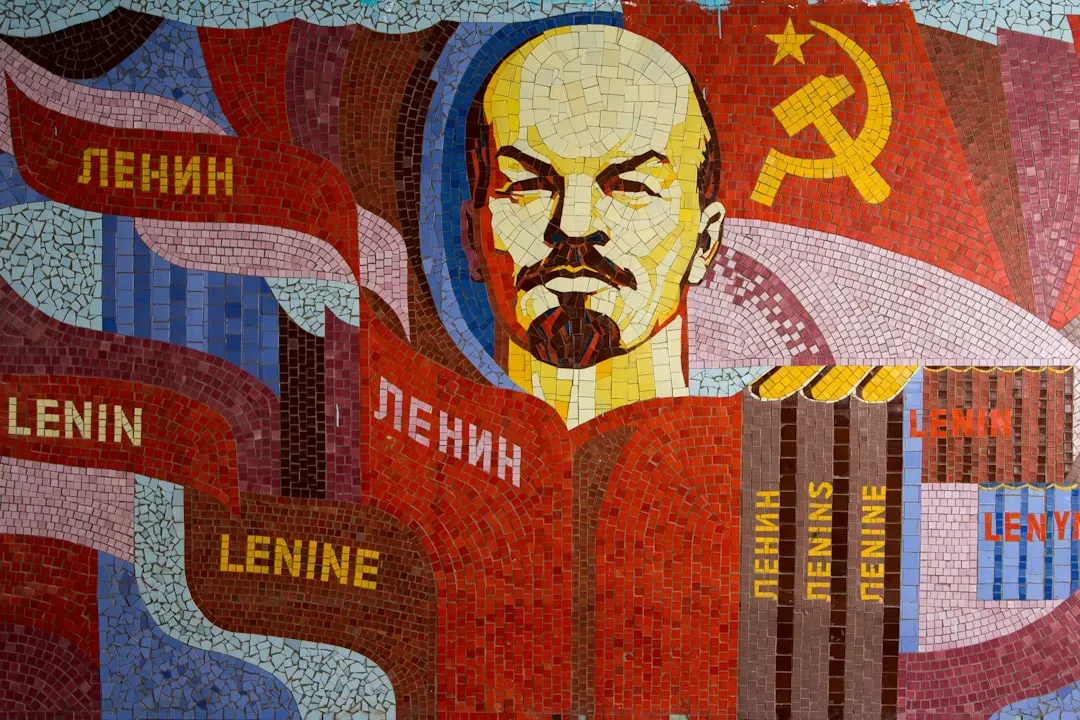
The Soviet government implemented mass destruction of pre-revolutionary and foreign books and journals from libraries. Only “special collections,” accessible by special permit granted by the KGB, contained old and “politically incorrect” material. Libraries were registered and an inspectorate set up to ensure compliance, with items regarded as harmful weeded from collections. The Bolshevik-led October Revolution of 1917 provided ideological justifications for restricting the flow of foreign ideas into the USSR, leading to the creation of the Main Administration for Literary and Publishing Affairs, known as Glavlit, which aimed to purge Soviet society of all expressions regarded as destructive to the new order whilst suppressing political dissent.
In 1923, Krupskaia, Lenin’s wife, started a book purge which banned works by Plato, Descartes, Kant, as well as the Gospels, the Koran, the Talmud, and works by Carlyle, Tolstoy, and William James. The restrictions became especially severe during the 1930s under Stalin’s rule, when the regime regulated literary expression through socialist realism, with censorship now aimed at eliminating not only anti-socialist ideas but also any ambiguity that might lead to free interpretations.
Timbuktu 2012: Burning Medieval Knowledge
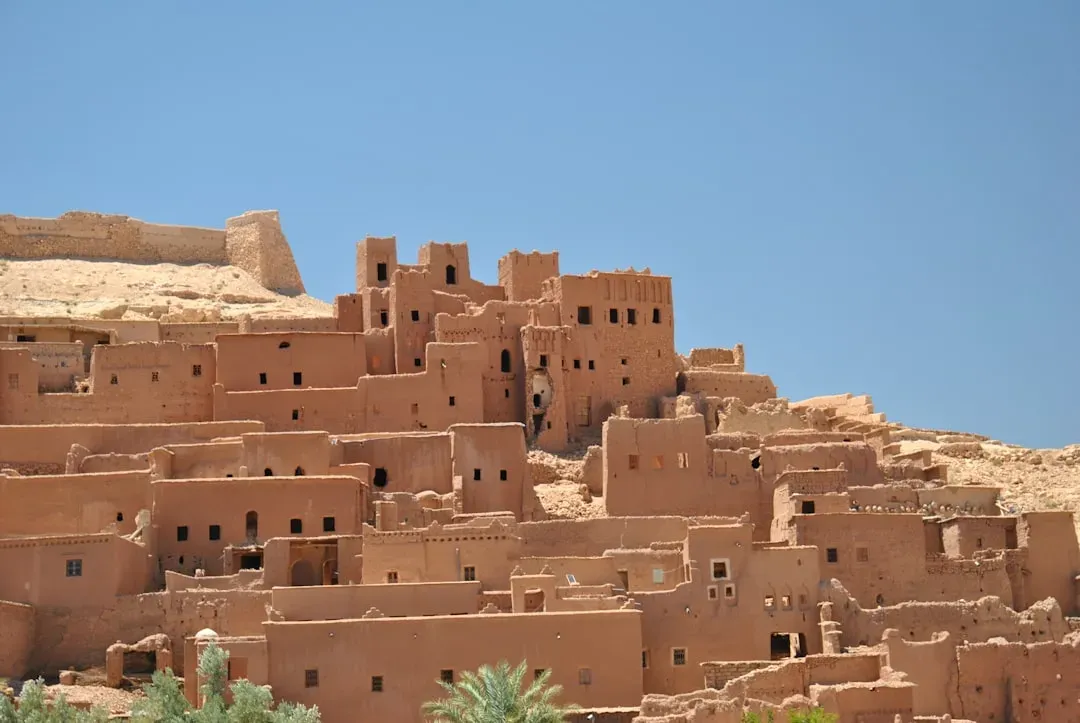
When al-Qaida Islamists invaded Mali and then Timbuktu in 2012, among their targets were priceless manuscripts – books that needed to be burned. The damage could have been much worse if not for men like Abdel Kader Haidara, who risked their lives to protect the medieval works, ultimately succeeding in smuggling out 350,000 manuscripts. The events of World War II had established book burning as a convenient way to attack a certain community, and this idea prevailed into the 21st century, as can be seen in al-Qaeda’s invasion of Timbuktu in 2012, during which many valuable, medieval manuscripts were destroyed.
When the burning is widespread and systematic, destruction of books and media can become a significant component of cultural genocide. The burning of books has a long history of being a tool utilized by authorities both secular and religious, in their efforts to suppress dissenting or heretical views that are believed to pose a threat to the prevailing order. According to researcher Rebecca Knuth, the motives behind book burning changed after the printing press helped bring about the Enlightenment era, though burning through the collateral damage of war continued to arise.
The Modern Book Ban Crisis: 2024–2026
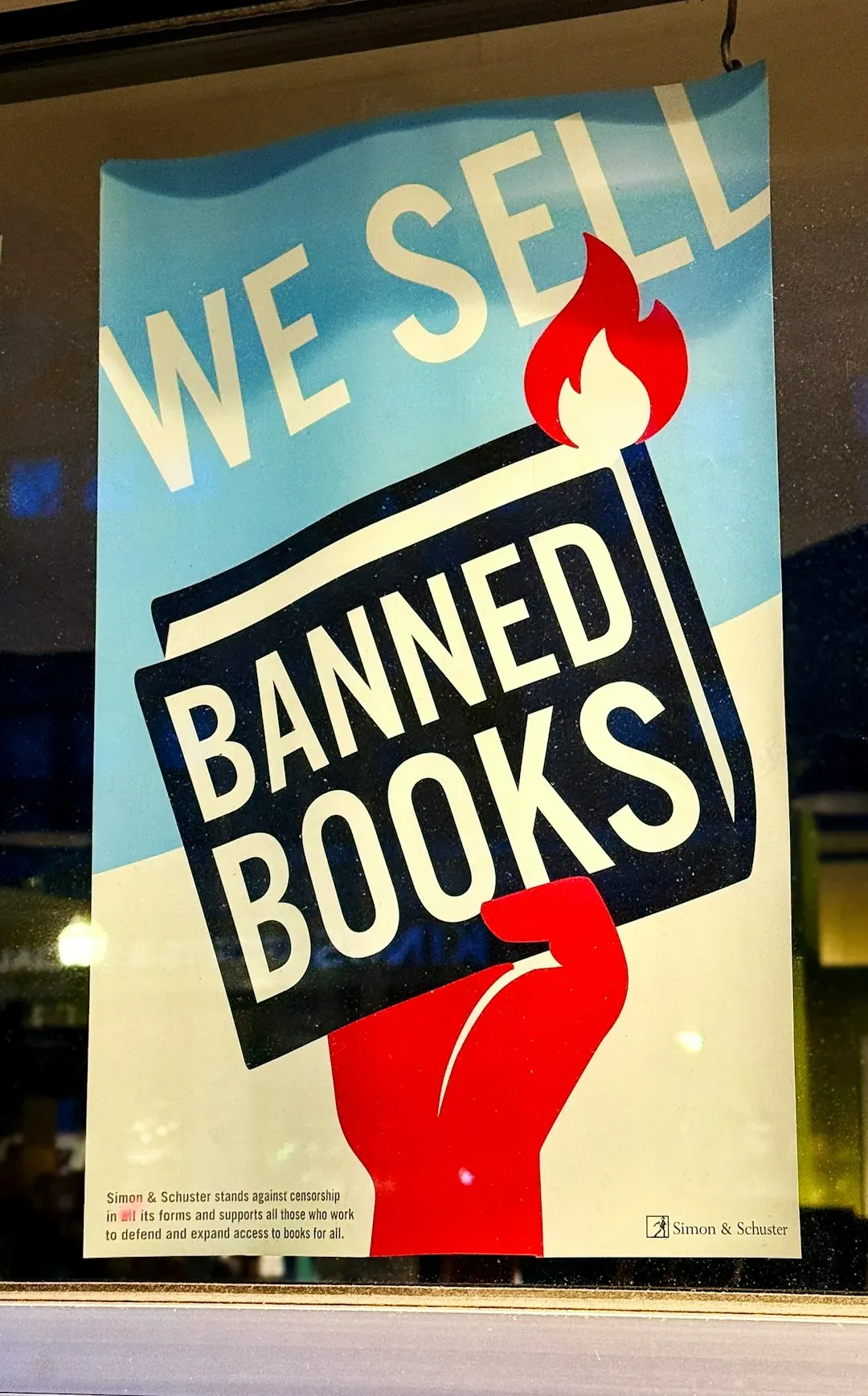
In the 2023–2024 school year alone, there were more than 10,000 instances of banned books in public schools in the United States, affecting more than 4,000 unique titles. The 2,452 unique book titles targeted for censorship in 2024 represent a decrease from 2023’s record-shattering 4,240 titles, but it is still the third-highest number ever documented by the American Library Association, significantly exceeding the annual average of 273 unique titles over the period from 2001 to 2020. PEN America’s data shows that during the 2024–2025 school year, nearly 4,000 different books were targeted with public school library bans, with nearly 23,000 public school book bans enacted since 2021.
The data shows that the majority of book censorship attempts are now originating from organized movements, with pressure groups and government entities that include elected officials, board members, and administrators initiating 72% of demands to censor books in school and public libraries. Among censorship efforts enacted during the 2024 school year, 44 percent of the most frequently banned books featured people and characters of color, and 39 percent featured LGBTQ+ people and characters. Other titles removed from school library shelves in recent years include Art Spiegelman’s Maus, Kurt Vonnegut’s Slaughterhouse-Five, Margaret Atwood’s The Handmaid’s Tale, and George Orwell’s 1984.
What Every Burning Reveals
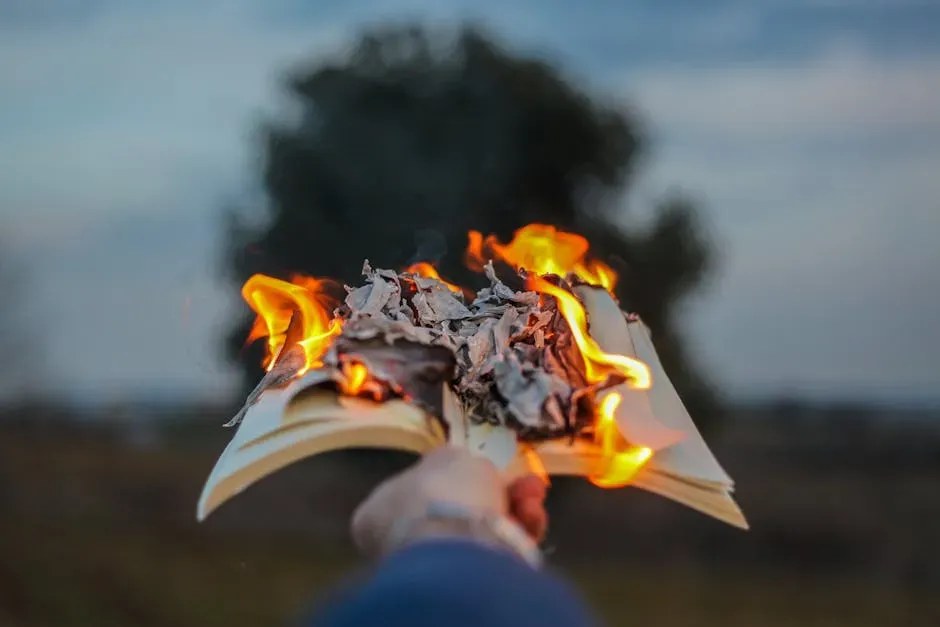
Banning books is a way of erasing stories, identities, experiences, and peoples, and reshaping understandings of the past. The unifying factor between all types of purposeful book-burners in the 20th century, according to researcher Rebecca Knuth, is that the perpetrators feel like victims, even if they are the ones in power. Every regime that has destroyed books has told the same story – that the knowledge being burned was dangerous, corrupting, or foreign. The reality is simpler and more consistent: the books being burned were ones that told the truth, promoted equality, challenged authority, or simply reflected the lives of people those in power wished to erase.
As German poet Heinrich Heine warned in 1820: “Where they burn books, in the end they will also burn people.” The ALA Office of Intellectual Freedom also notes that “research suggests that for each challenge reported, there are as many as four or five which go unreported.” The true scale of censorship, across all eras and all regimes, has never been fully counted. What remains certain is that every book that was banned, burned, or buried represented something that someone in power feared enough to destroy.