Music history loves its legends. We hear about Elvis, The Beatles, and rock icons who supposedly invented entire genres. Yet hidden behind those spotlights are the true pioneers who laid the groundwork for everything we hear today. These innovators built instruments, revolutionized recording techniques, and shattered musical boundaries long before fame came calling. Some never got their due recognition while they were alive. Others have been slowly fading from memory, even though their contributions echo through every song on your playlist right now.
Let’s be real, the music industry has a habit of forgetting the people who actually made the magic possible. These weren’t just talented musicians or lucky inventors. They were visionaries who saw potential where others saw nothing, who risked ridicule to create something completely new.
Les Paul: The Wizard Behind Multi-Track Recording

Les Paul, born Lester William Polsfuss in 1915, was an American jazz, country, and blues guitarist who pioneered the solid-body electric guitar, with his prototype called the Log serving as inspiration for the Gibson Les Paul. This man wasn’t just a guitarist. He was basically a mad scientist in a recording studio. Paul is credited with many recording innovations, including early experiments with overdubbing, delay effects such as tape delay, phasing, and multitrack recording that were among the first to attract widespread attention.
Here’s the thing that blows my mind. He introduced the industry to breakthroughs such as sound-on-sound recording, overdubbing, reverb effects and the use of echo chambers, and he even designed his own multi-track tape recorders. Without Les Paul, modern music production simply wouldn’t exist. Think about every album you’ve ever loved with layered vocals and instruments. That entire technique traces back to this one inventive genius tinkering away in his workshop. He invented multi-track recording, echo, delay, reverb, all these things that the music industry depended on later, and because of that, some people have called him the Thomas Edison of music.
Sister Rosetta Tharpe: The Godmother of Rock and Roll
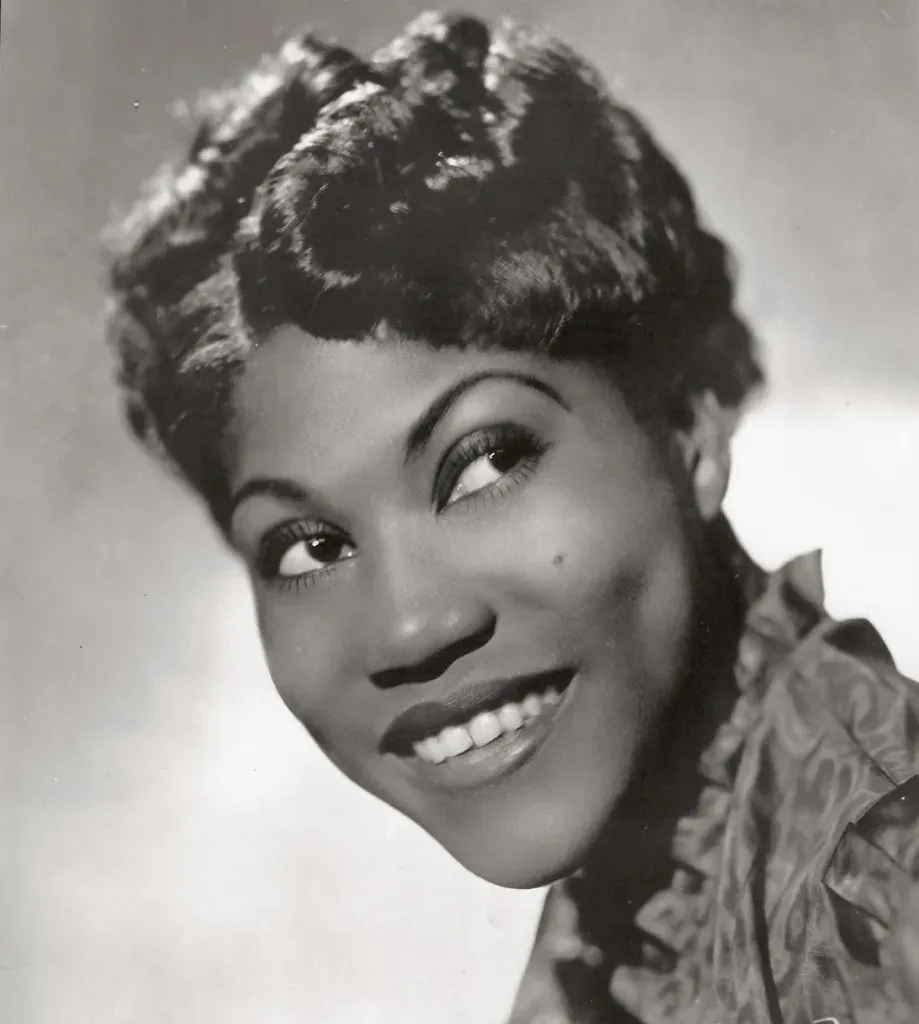
Sister Rosetta Tharpe, born Rosetta Nubin in 1915, was an American singer, songwriter, and guitarist who gained popularity in the 1930s and 1940s with her Gospel recordings, characterized by a unique mixture of spiritual lyrics and electric guitar, becoming the first great recording star of gospel music and among the first gospel musicians to appeal to Rhythm and blues and Rock and roll audiences. Honestly, it’s shocking how many people don’t know her name.
She influenced early rock-and-roll musicians, including Tina Turner, Little Richard, Chuck Berry, Johnny Cash, Carl Perkins, Elvis Presley, and Jerry Lee Lewis, and was a pioneer in her guitar technique, being among the first popular recording artists to use heavy distortion on her electric guitar. That’s basically the entire foundation of rock and roll, folks. Chuck Berry was quoted saying “My whole career has been one long Sister Rosetta Tharpe impersonation.” She wasn’t just influential. She was doing rock and roll before it even had a name. Rock ‘n’ roll was bred between the church and the nightclubs in the soul of a queer black woman in the 1940s, and she was there before Elvis, Little Richard and Johnny Cash swiveled their hips and strummed their guitars.
Robert Moog: The Synthesizer Revolutionary
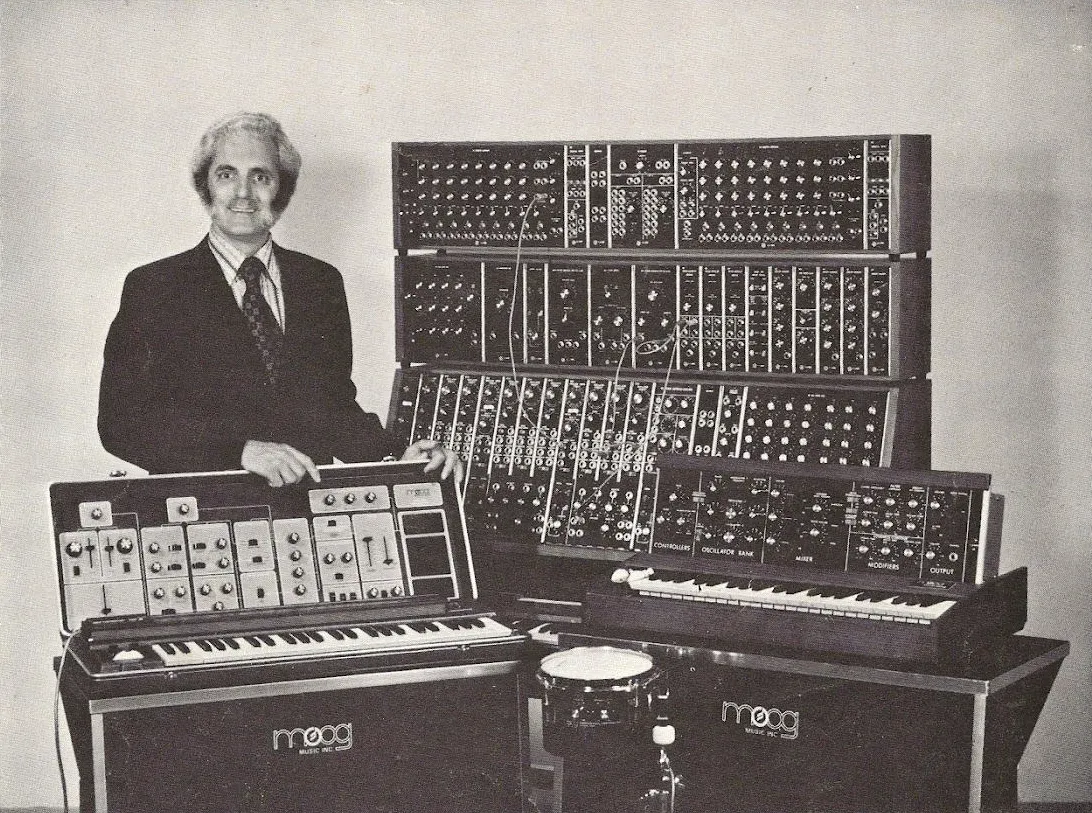
Robert Arthur Moog was an American engineer and electronic music pioneer who founded the synthesizer manufacturer Moog Music and invented the first commercial synthesizer, the Moog synthesizer, which debuted in 1964, and in 1970, he released the Minimoog, described as the most famous and influential synthesizer in history. Without Moog, electronic music as a genre literally could not exist.
What I find fascinating is how he approached invention. By 1963, Moog had been designing and selling theremins while working toward a PhD in engineering physics at Cornell University, and he developed his synthesizer in response to demand for more practical and affordable electronic-music equipment, with his principal innovation being the voltage-controlled oscillator, which uses voltage to control pitch. His work wasn’t about creating weird sounds for the sake of it. In the late 1960s, the Moog was adopted by rock and pop acts including the Doors, the Grateful Dead, the Rolling Stones and the Beatles, and at its height of popularity, it was a staple of 1970s progressive rock.
Charlie Christian: The Electric Guitar Pioneer Nobody Remembers
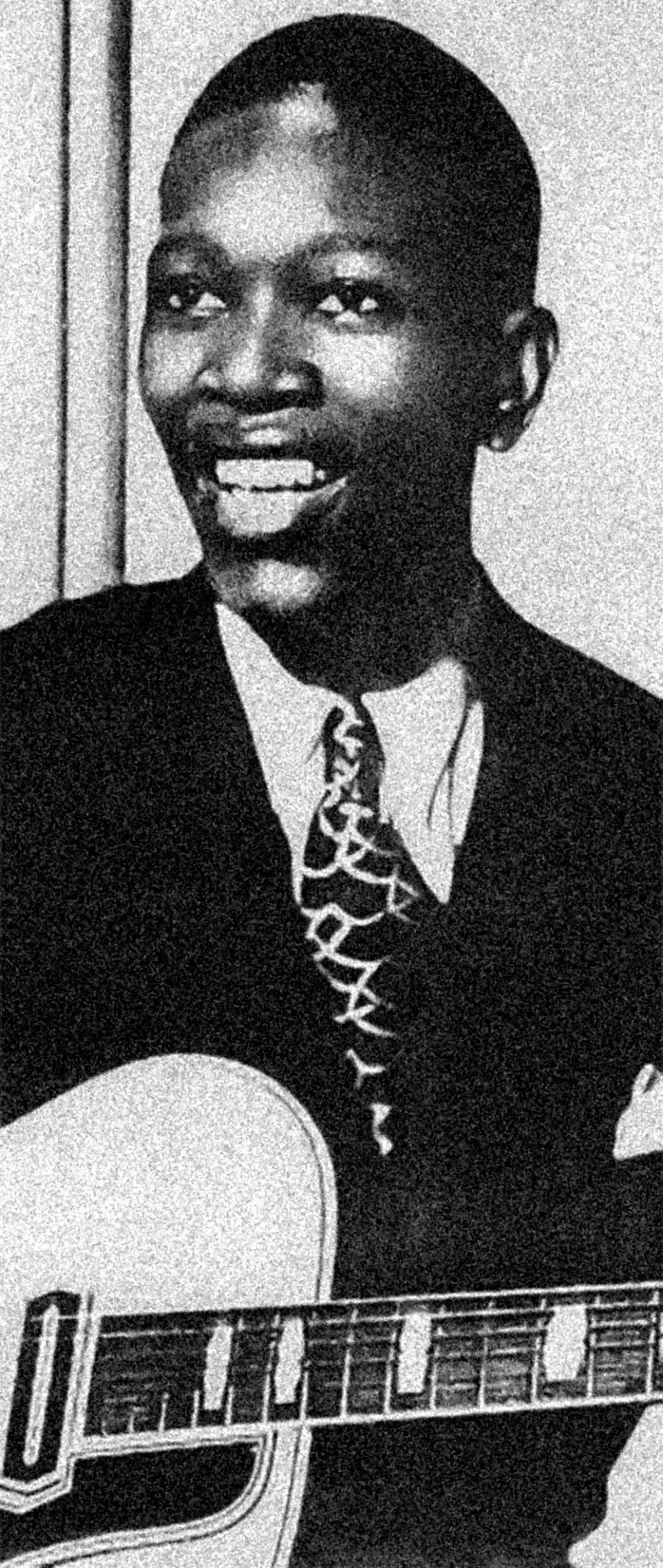
Charlie Christian was a guitarist in Benny Goodman’s band from 1939 to 1941 who was among the first to bring the electric guitar forward as a solo instrument, though Goodman was even reluctant to hire him at first because he wasn’t sure this electric guitar thing had a future. I know it sounds crazy, but there was a time when people thought the electric guitar was a gimmick that wouldn’t catch on.
Christian changed that perception completely. He proved the electric guitar could be a legitimate lead instrument, not just background noise. Christian was one of the innovators of his instruments, while others were the uncredited backbeat behind dozens of timeless hit records. Every electric guitar solo you’ve ever heard owes something to Charlie Christian’s pioneering work in those Benny Goodman recordings.
Karlheinz Brandenburg: The Architect of Digital Music

The revolutionary MP3 audio file’s journey commenced in 1982, when German audio engineer Karlheinz Brandenburg helped a professor search for ways to apply digital-phone technology to music transmission, and over the next 13 years, as computers became more sophisticated, Brandenburg’s advances in compression developed, with standards set in collaboration with the Moving Picture Experts Group, and the extension .MP3 was selected and cemented in July 1995.
Think about how you listen to music today. Streaming services, downloaded songs, digital playlists. None of that would be possible without Brandenburg’s work on compression technology. He literally created the format that democratized music distribution forever. The MP3 allowed Apple’s iTunes and iPod music player to arise, and more importantly, it allowed independent musicians access to legions of listeners without having to rely on record labels, distributors and retail stores, truly democratizing music production.
Jaco Pastorius: The Bass Virtuoso Who Redefined an Instrument
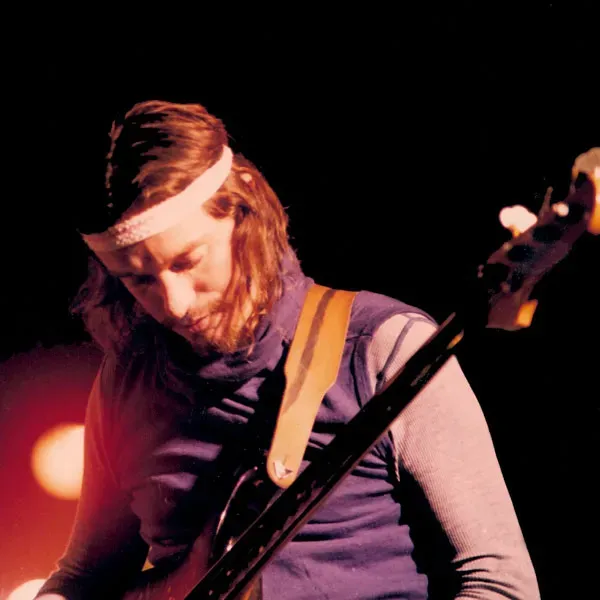
Jaco Pastorius was known to approach fellow musicians and introduce himself as the best electric bassist in the world, and he went on to prove it in a short but blazing career, best-known for his stint in Weather Report and a few innovative solo albums, not only expanding the scope of fusion bass but bringing it higher in the mix. The bass guitar before Pastorius was mostly a background instrument. After him? It became a lead voice.
His technique was revolutionary. He incorporated funk and Latin elements and brought the bass higher in the mix, making it possible to imagine Weather Report’s classic “Birdland” without the bassline that states the main tune. Pastorius showed an entire generation that the bass could be melodic, virtuosic, and absolutely essential to a song’s identity. His influence stretches across jazz, funk, rock, and beyond.
Thomas Edison and the Phonograph: Where It All Started
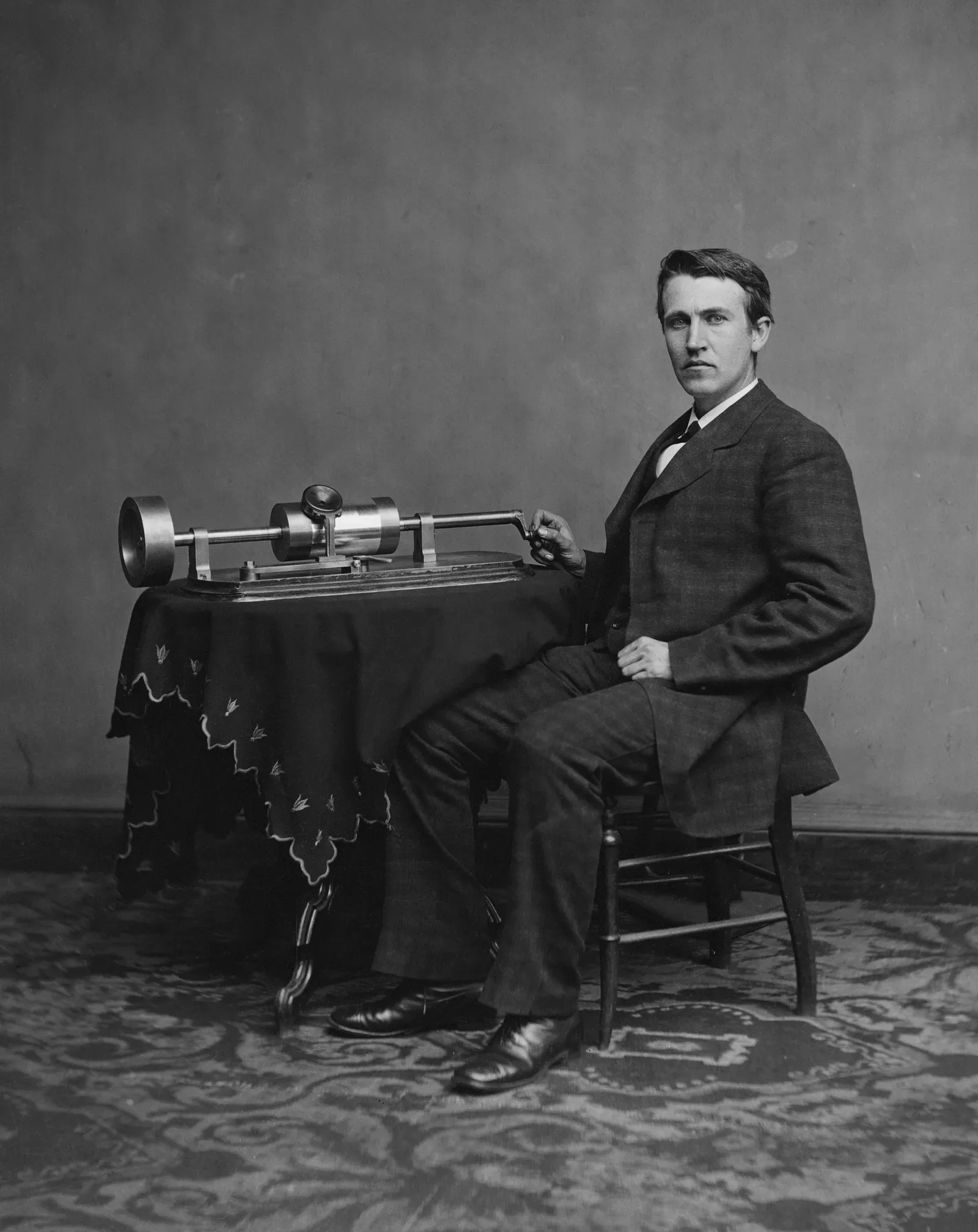
Thomas Edison’s Phonograph, introduced in 1877, stands as a monumental milestone in the world of music, as it wasn’t just a machine but the birth of recorded music, capturing melodies and voices in a way never thought possible before. It’s funny how Edison’s name is famous, yet most people associate him with the light bulb rather than music. His phonograph literally created the entire concept of recorded music.
Before Edison, if you wanted to hear music, you had to be physically present when it was performed. The Phonograph transformed the simple act of listening into an immersive experience, echoing through time, and it paved the way for future innovations like the gramophone and music radio, shaping the very core of how we connect with musical culture. Every recording studio, every streaming platform, every album ever made traces its lineage back to Edison’s initial breakthrough.
Lev Termin: The Theremin and Electronic Music’s Birth
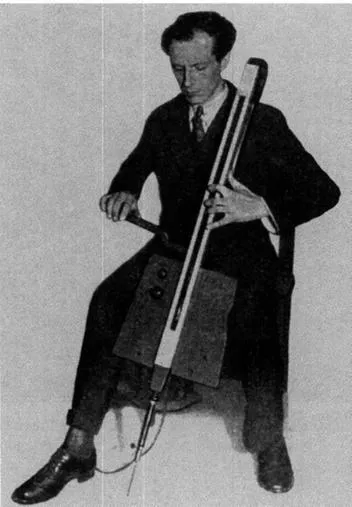
Lev Termin, or León Theremin as he was known during his tours of the West, was the Russian engineer responsible for one of the earliest and strangest electronic instruments in music history, invented during the tumultuous years of the Russian Civil War, and the theremin exemplified the era of rapid technological change in the 1920s. A theremin is played without touching it. You wave your hands through electromagnetic fields to create sound.
Termin’s device caught the ear of many electronics enthusiasts, including electrical engineer Robert Moog, who called the Russian “my hero and virtual mentor for most of my life.” The theremin might seem like a novelty instrument, but it opened the door to entirely new ways of thinking about music creation. It proved that instruments didn’t need strings, keys, or physical contact. That conceptual leap paved the way for synthesizers and electronic music decades later.
The Unsung Heroes Who Deserve Recognition

The pattern becomes clear when you examine music history closely. Some were innovators of their instruments, while others were the uncredited backbeat behind dozens of timeless hit records, with people needing to read the fine print to see names like James Jamerson or Earl Palmer. These forgotten innovators often worked behind the scenes, creating technologies and techniques that famous artists later used to achieve stardom.
Artists like Edgard Varèse, Karlheinz Stockhausen, and Pierre Schaeffer were among the pioneers who pushed the boundaries of traditional music composition by incorporating electronic elements and unconventional techniques into their works. They experimented when experimentation was ridiculed. They innovated when the industry told them to stick with what worked. They persisted when success seemed impossible. Their contributions deserve celebration, not obscurity.
These forgotten innovators didn’t just change music. They revolutionized how we create, record, and experience sound itself. From Sister Rosetta Tharpe’s distorted electric guitar riffs in the 1930s to Karlheinz Brandenburg’s digital compression in the 1990s, these visionaries saw possibilities others couldn’t imagine. They built tools that became industry standards. They developed techniques that every musician now uses.
Their stories remind us that innovation often happens in the shadows, away from spotlights and acclaim. The next time you stream a song, play an electric guitar, or hear layered vocals in a recording, remember the forgotten innovators who made it all possible. They , even if most people never learned their names. What other pioneers are we overlooking right now?