
You’re walking down the Las Vegas Strip, lights blazing, music thumping, adrenaline high. Someone smiles at you, extends a hand, and suddenly there’s a woven bracelet around your wrist or a CD case pressed into your palm. It feels friendly. Harmless. Almost sweet.
It is none of those things. What just happened is the opening move in a well-rehearsed street scam that has caught millions of tourists off guard across major entertainment corridors in the U.S. and around the world. The mechanics are simple, the psychology is brilliant, and the victims are almost always good, polite people who just didn’t know what was happening.
So let’s get into it, because what you’re about to read might genuinely save you money, stress, and a whole lot of awkward frustration on your next vacation.
The Setup Is Simpler Than You Think

Walking the Strip, you may find someone pushing a “free” bracelet onto your wrist, handing you a beaded necklace, or sliding a CD into your hand. The catch comes seconds later when they demand a tip or payment, often becoming confrontational if you try to walk away. The whole thing unfolds in under sixty seconds. Blink and you’ve missed the moment where you could have walked away clean.
One of the biggest signs you’re being scammed on the Las Vegas Strip is people approaching you with unsolicited offers or free things. There are all kinds of people on the strip, in the walkways and pedestrian overpasses, and if anyone tries to offer something to you for free without you asking for it, it’s usually a scam. Honestly, that rule alone is worth remembering. Unsolicited equals suspicious. Always.
The Bracelet Scam and the ‘Monk’ Disguise

On the walking bridges of the Las Vegas Strip, visitors are most likely to encounter groups of very polite-looking, robe-clad “monks.” A quiet old man approaches you, leans in and shares an inspirational quote about “peace” or “enlightenment,” and you may not even notice that the monk has started to place a simply made bracelet on your wrist, calling this cheap bracelet “a gift.”
At that point, the once-friendly monk is now asking for ten dollars or more in exchange for his gift. If you refuse or try to hand the bracelet back, the monk will likely begin to raise his voice, get in your face, or even follow you as you try to walk away. He will not let up until you fork over your hard-earned money for a bracelet that likely cost no more than fifty cents to make. That is not generosity. That is a trap dressed in robes.
The CD Scam: A Different Wrapper, Same Trick

CD scammers usually hang out on the bridges along the strip or around the escalators. They will ask you if you want a free CD of their music, then ask your name and sign the CD case, and become very aggressive in trying to get you to buy it because they “ruined it” by putting your name on it. The best response is to just keep walking and ignore them.
The CDs on the Strip are usually blank. Scammers are very good at engaging you in conversation to the point where you feel good about supporting them, and then you agree to buying their CD, which ends up being blank. Think about it like a vending machine that takes your money and gives you an empty box. Except the machine follows you down the street asking for more.
The Psychology Behind It: Why Smart People Fall For This
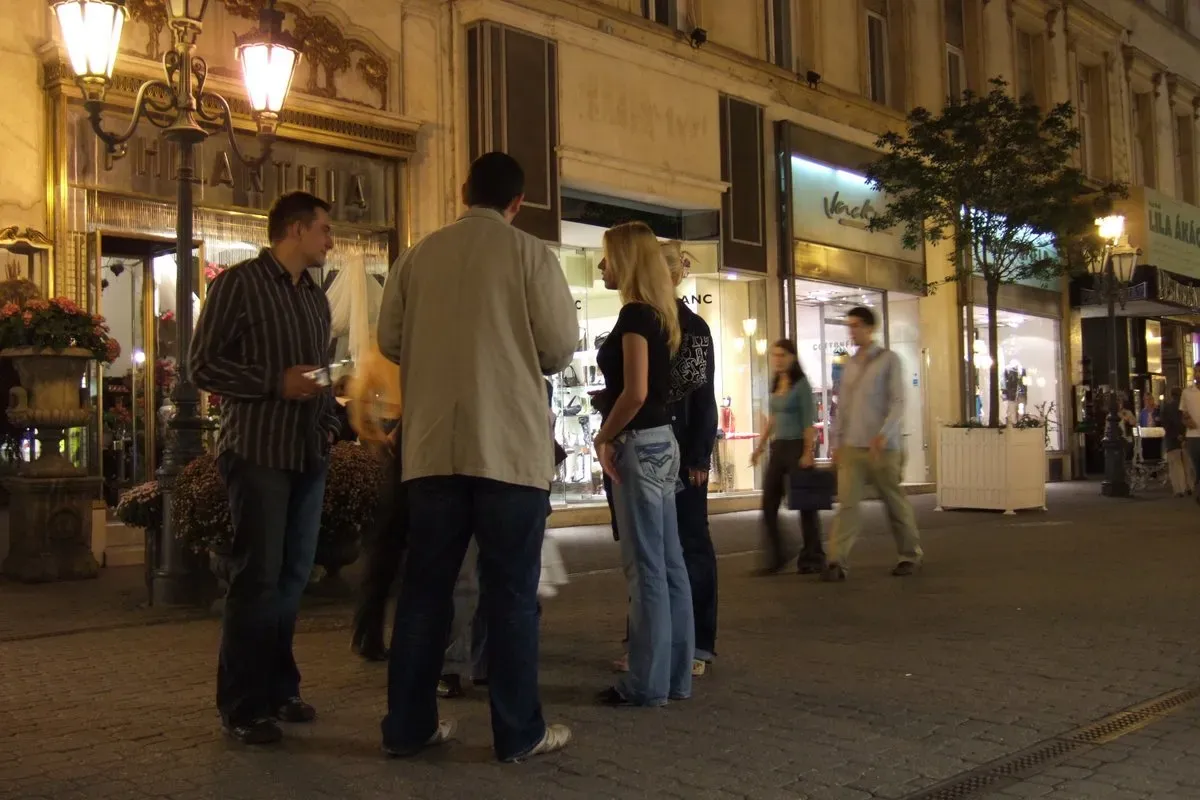
Reciprocity is at the core of this scam. We feel compelled to return favors, even when they’re unwanted, and scammers offer something “free” precisely to create a sense of indebtedness. It’s a feature of human nature, not a flaw. You are wired to feel obligated when someone gives you something. These scammers know that and they exploit it deliberately.
Perhaps the most potent weapon fraudsters wield isn’t sophisticated technology – it’s an intricate understanding of human psychology. Scammers are masters of manipulation, expertly exploiting cognitive biases and emotional responses to bypass our natural defenses. Their tactics are so effective that even the most rational and educated individuals can fall victim to well-crafted schemes. So if you’ve ever felt embarrassed that you nearly fell for one of these, you’re in very good company.
Tourists Are the Primary Target, and Here’s Why
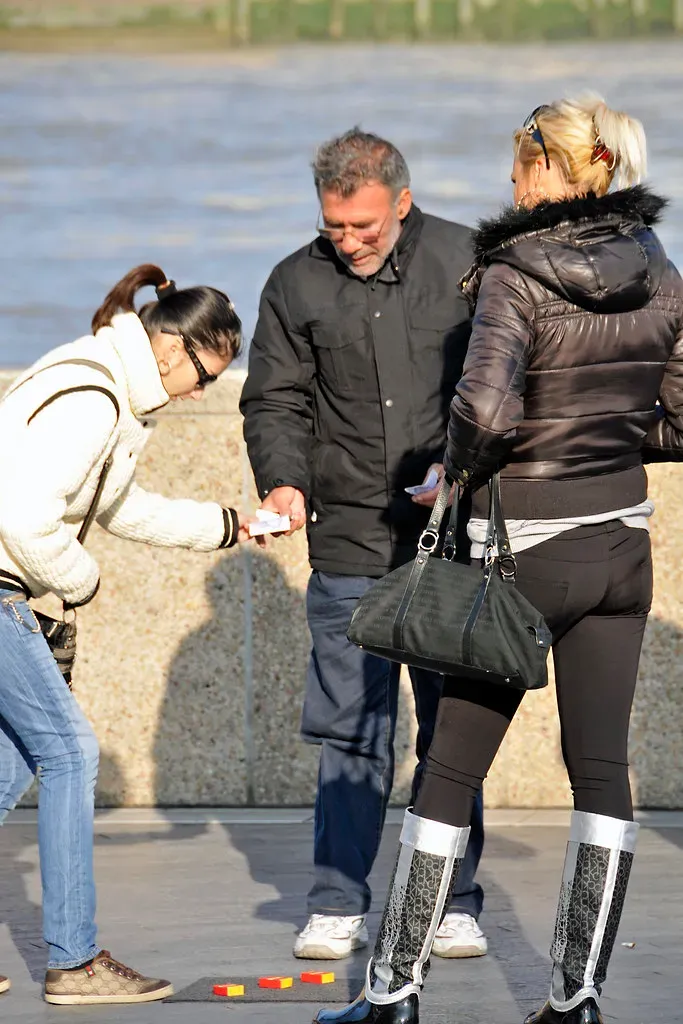
Tourist fraudsters exploit human psychology to create situations where victims are more likely to let their guard down or make hasty decisions. Scammers frequently take advantage of tourists’ unfamiliarity with local customs and norms. When you’re somewhere new, you naturally try to be more polite, more open, more accommodating. Scammers bank on exactly that impulse.
Over 40 million tourists flock to Vegas every year, making it a hotbed for pickpockets, con artists, and shady operators ready to prey on wide-eyed visitors. The sheer volume of foot traffic on the Strip means that even a tiny conversion rate makes these scams extremely lucrative. A scammer needs to catch just a handful of people per hour to make a profitable day. You don’t want to be part of that calculation.
The Confrontation That Follows When You Say No

Street scammers offering free bracelets or jewelry claim to give you a free item, then demand payment after placing it on you. They may become aggressive if you refuse to pay. If you find yourself in a situation where someone is being overly aggressive, it is best to walk away confidently but calmly.
This is a classic bait-and-pressure tactic that leaves tourists paying for something they never wanted in the first place. The practical advice is to politely refuse anything handed to you and keep your hands in your pockets when passing street vendors. Keep moving. Saying nothing is always a valid response. You owe these individuals neither explanation nor eye contact.
The Scale of the Problem: Real Numbers That Should Shock You
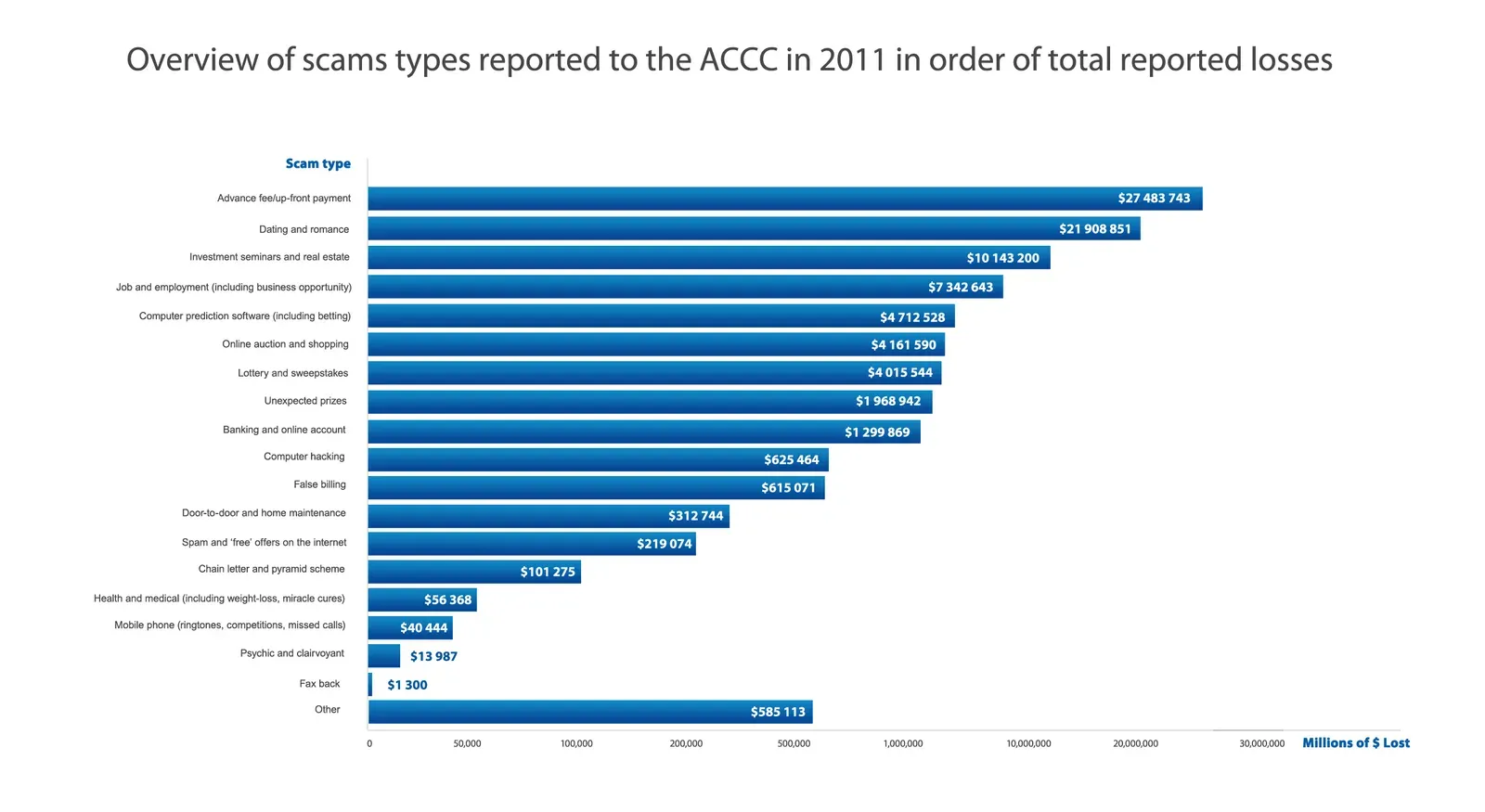
Newly released Federal Trade Commission data show that consumers reported losing more than $10 billion to fraud in 2023, marking the first time that fraud losses have reached that benchmark. That’s a staggering number. Street scams like the free gift trap are just one thread in a much larger web of consumer deception, but they contribute to a culture of low-reporting that keeps the real cost of fraud hidden.
These numbers may only reveal a fraction of actual losses to fraud, which is notoriously underreported because victims may feel ashamed or doubt that authorities can help them. But reporting scams is crucial, allowing law enforcement to target its efforts and helping to reveal the full scope of the problem. This is especially true for small street scams. People rarely report losing twenty dollars to a bracelet con. That silence is exactly what keeps these operations running.
Why Victims Rarely Report It

Scam victims report higher percentages of feeling shame and embarrassment after the experience, according to data from the BBB Scam Tracker. That emotional response is completely understandable. Nobody wants to admit they got hustled on vacation in front of their family. The scammer knows this, and it is part of the design.
Nearly 30% of scam victims report an emotional and mental impact, with some of the most common reactions including anger, loss of trust, and anxiety. Here’s the thing: the small dollar amount of these street scams makes them even less likely to be reported. Handing over ten or twenty dollars feels like a minor loss. Multiply that by dozens of tourists per day across every Strip crossing and it adds up to real money for real criminals.
This Isn’t Just a Las Vegas Problem

The same CD scam plays out in Times Square, New York. Someone on a travel forum posted that she gave her name to a guy trying to give her a CD because she “didn’t want to appear unfriendly,” and of course the guy wrote her name on the CD case and said she had to buy it. Same script, different city. These operations are surprisingly consistent wherever tourist foot traffic is dense.
Bracelet scammers will slip a bracelet onto your wrist and then aggressively pressure you into paying for it. This scam is especially common in Rome, where they target unsuspecting tourists in busy areas. Paris, New York, Las Vegas, Rome – the geography changes but the playbook does not. Awareness is transferable. What you learn here protects you everywhere.
How to Protect Yourself the Right Way

Many people struggle with saying no, fearing they might offend someone or miss an opportunity. Practicing firm but polite refusals can be an effective defense against persistent scammers. Ultimately, our best defense lies in our ability to recognize manipulation, trust our instincts, and prioritize our financial and emotional well-being over scammers’ pressure tactics.
Whenever walking down the Vegas strip, keeping one thing in mind is key: everyone on the strip who approaches you uninvited wants to separate you from your money. From phony monks to club promoters, they aren’t interested in casual conversation. The best policy is to keep walking and politely say “No, thank you” to anyone approaching you. Quickly, they’ll get the idea and move on to another mark. That’s all it takes. No drama, no confrontation, no lengthy explanation needed.