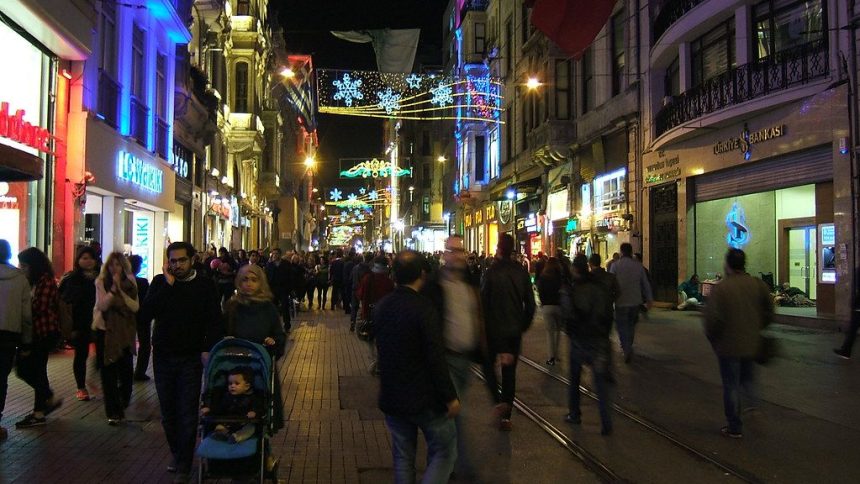
You’re strolling through a buzzing city square, completely absorbed in the sights, sounds, and energy of somewhere new. Then someone catches your eye. A performer. A crowd. A spectacle. And it’s completely free, they say. Come watch, no cost, no strings. Sounds harmless, right?
Wrong. What looks like spontaneous street entertainment is often a carefully staged operation designed to extract money from people who don’t know better. These scams run everywhere, from the cobblestones of Rome to the neon-lit avenues of Bangkok. Locals stroll past without a second glance. Tourists stop, watch, and often end up paying. Here’s why, and what every traveler absolutely needs to know before stepping outside.
The Anatomy of the ‘Free Show’ Scam
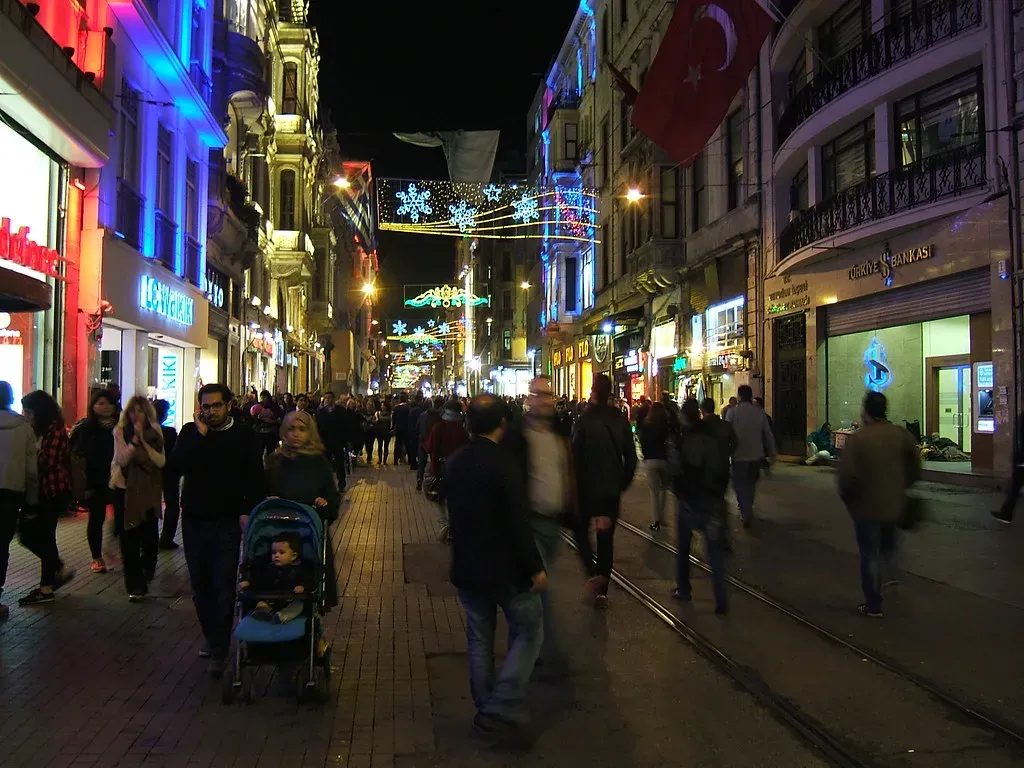
At the heart of this scam is one simple, seductive word: free. Friendly promoters may place “free” gifts or performances directly in front of you, but the moment you engage, payment or large tips are suddenly demanded. Bracelets, small handmade goods, and staged shows are among the most common offerings of this nature. It feels organic, casual, like a happy accident of travel.
Travel safety experts note that both the FTC and the U.S. Department of State’s Travel.State.gov have called out how often scams rely on urgency and confusion. Street cons follow a recognizable pattern: create urgency, add confusion, then extract money fast. That sequence is deliberate. It is rehearsed. It works.
A Global Problem Bigger Than You Think

The Global Anti-Scam Alliance (GASA) and ScamAdviser’s annual study paints a devastating picture. The Global State of Scams 2023 Report, which surveyed nearly 50,000 people across 43 countries, found that roughly one in four world citizens lost money to scams or identity theft in just twelve months, with financial losses estimated at over one trillion dollars. Let that sink in. One trillion dollars. In a single year.
Within the United States alone, adults lost a record ten billion dollars to fraudsters in 2023, according to Federal Trade Commission data. Fraudsters tricked roughly 690,000 people into handing over money, with the median loss sitting at around $500. Street-level scams may seem small compared to investment fraud, but they feed directly into these staggering totals.
Imposter Tactics: The Performer Who Isn’t Really Performing

An alarming trend in tourist hotspots involves street performers who appear to engage in harmless acts such as juggling or dancing before aggressively demanding tips. These performers can turn confrontational if they feel their “entertainment” has not been sufficiently rewarded. The free bracelet trick works along the same lines. You didn’t ask for any of it. Doesn’t matter.
According to the FTC’s 2023 data, imposter scams remained the top reported fraud category that year, with losses of $2.7 billion. These scams involve people pretending to be something they’re not, whether a bank’s fraud department, the government, a well-known business, or, in the street context, a legitimate entertainer or performer. The costume may change. The playbook never does.
The Shell Game and the Staged Crowd
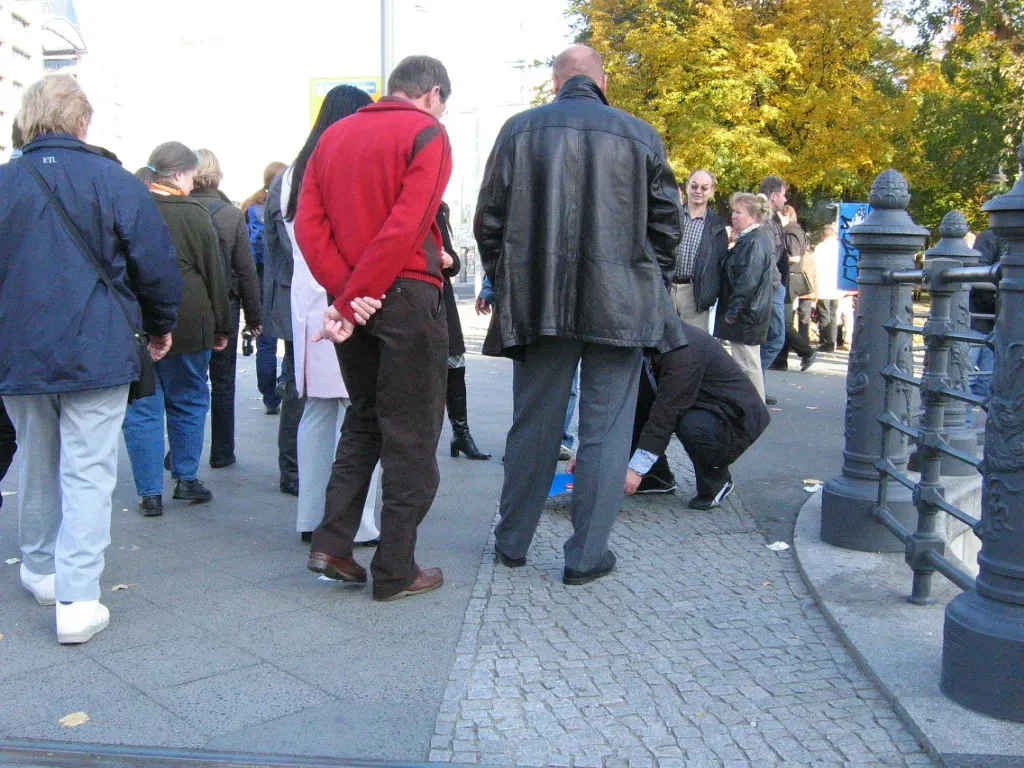
Here’s the thing: the “free show” is sometimes not even a performance at all. It’s a gambling trap. Scammers set up games in popular tourist spots using three shells with a small ball underneath. They move the shells and ask the crowd to guess where the ball is. Collaborators planted in the audience make accurate guesses first, then tourists are let in and initially allowed to win, before the scammer sneaks the ball away.
Gambling on the street with a crew of scam artists is essentially a guaranteed loss. Eyewitness accounts describe seeing people play the game and win money, only to later realize those players were working with the scammer. One traveler withdrew $500 from a bank account to play and lost every cent. The “free” entertainment turns out to have a very expensive admission price.
Why Tourists Fall For It: The Psychology of Unfamiliar Places

Let’s be real: most tourists aren’t stupid. Smart, educated people get caught by these scams every single day. The reason is psychological, not intellectual. Scammers use a variety of techniques including building trust, creating a sense of urgency, and using local knowledge to mislead victims. Tourists engage in behaviors that make them vulnerable, often due to limited local knowledge, curiosity, or misplaced trust in the apparent legitimacy of scammers.
Think of it this way. Walking through an unfamiliar city is like being dropped into a board game you’ve never played. You don’t know the rules. Research has found that internal factors including sensation-seeking tendencies, prior travel experience, and risk perception are stronger predictors of whether someone complies with a scam. First-time visitors to a city are, by definition, working with far less information than those who live there.
Social Proof: The Illusion of a Crowd

Nothing makes a street scam more convincing than a gathering of seemingly ordinary people who all appear to be enjoying themselves. This is called social proof, and it’s devastatingly effective. Social media and real-world environments alike shape traveler behavior through social proof, where the visible enthusiasm and participation of others inspires trust and participation. Travelers often trust peer behavior over their own instincts.
Scam operators deliberately plant people in the crowd who pretend to play and win, enticing genuine tourists to join. Then, using sleight-of-hand techniques, the scammer ensures the tourist cannot win, while the planted participants may also serve as a distraction for pickpockets working nearby. I know it sounds crazy, but even perfectly rational people get swept up in this. The crowd itself is the weapon.
City Warnings That Most Tourists Never Read
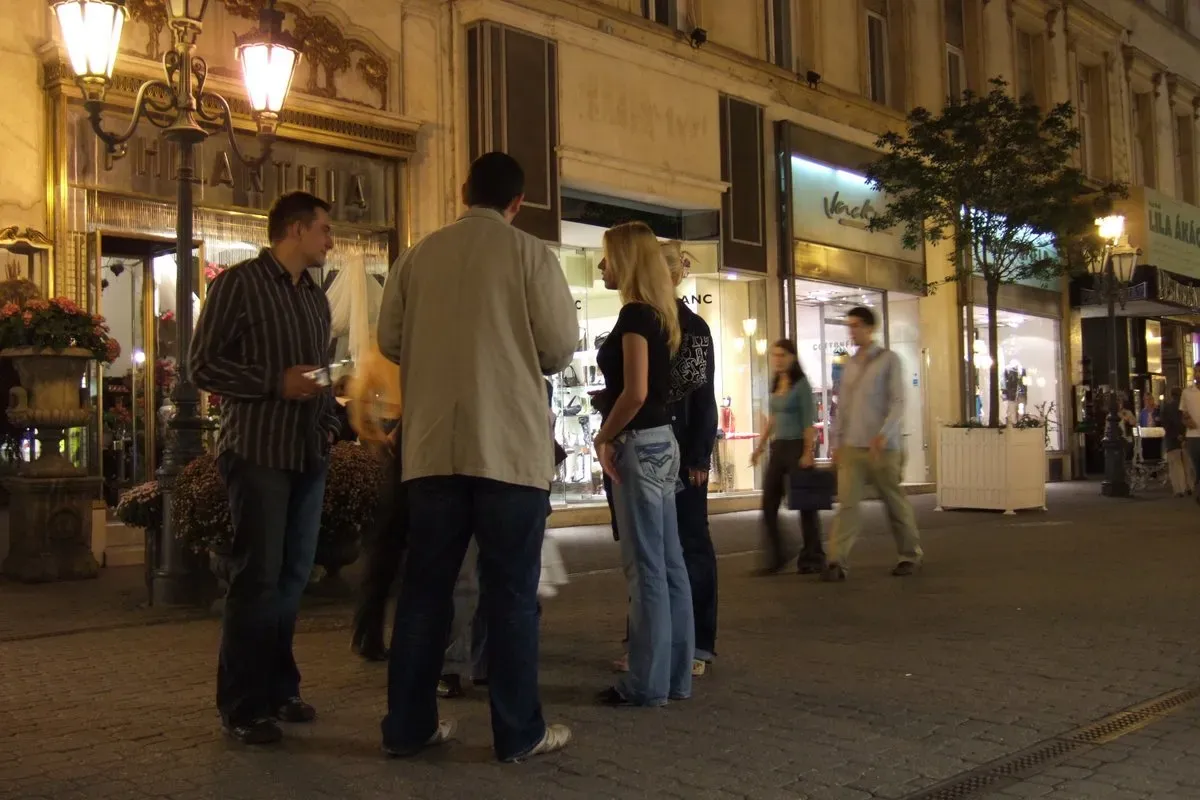
Tourism authorities across Europe have been shouting these warnings for years. The problem is, tourists rarely research scams before they travel. In one documented pattern across major tourist destinations, individuals claiming to be art students approach visitors at popular sites, invite them to a gallery, share food and drink, and then apply heavy pressure to buy artwork as compensation for their hospitality. It starts as a free cultural experience and ends as an uncomfortable shakedown.
Fake charity collectors are another widely-reported variation, approaching tourists with convincing pitches for fictitious causes. Consumer experts stress that any charity encountered on the street should be verified before a single dollar is handed over. The key detail that separates all these scams is the same: someone wants your attention for “free,” and then they want your money.
Why Locals Just Walk Away

Watch what happens when a local passes a street performer surrounded by tourists. They don’t even slow down. Not because they’re rude, but because they’ve seen it a hundred times. Many of the most successful scam gambits require a naive and trusting tourist, though more sophisticated travelers can fall for them too. Subtle methods abound: padded taxi fares, “special” menu prices, staged performances that demand payment. Locals have already learned all of this the hard way, or simply absorbed it from living there.
Consumer protection agencies consistently point out this local knowledge gap. Scams are not a new problem, but opportunities for scammers have grown with greater access to sophisticated techniques and social engineering tools. Scammers evolve their tactics to exploit consumer trust. Residents are essentially running updated mental software on these tactics. Tourists are often still on version one.
The Emotional Cost That Nobody Talks About

People don’t just lose money in these scams. They lose something harder to measure. Beyond the financial damage, the emotional impact on scam victims is profound, with roughly three in five victims reporting significant emotional distress after the event. That holiday glow can vanish instantly the moment you realize you’ve been played.
Perhaps the most sobering finding from GASA’s 2024 Global State of Scams Report is the dismal rate of financial recovery. Only four percent of scam victims worldwide were able to recover their losses, and even in countries with the highest recovery rates, the majority of victims are left without any recourse. Once the money is gone on a street corner in a foreign city, it is almost certainly gone for good.
How to Actually Protect Yourself

Street cons take many forms and often catch tourists completely off guard. Ride-share impersonators, fake tour guides, and street performers are among the most frequent offenders. The principle applies across all of them: confirm identities and commitments before engaging. Skepticism is not rudeness. It is survival.
Travel experts advise being smart about any transaction or interaction: know what you are paying for before handing over money, always count your change, and remember that scam artists come in all shapes and sizes. Being cautious and not overly trusting should be enough to navigate most situations safely. The single most powerful thing a tourist can do is pause before engaging and ask themselves one honest question: would a local stop for this? If the answer is no, keep walking.
The “free show” scam has endured for decades because it exploits something deeply human: curiosity, trust, and the excitement of being somewhere new. Knowing how it works doesn’t make travel less magical. Honestly, it makes it safer, smarter, and more enjoyable. What do you think? Have you ever encountered something like this on your travels? Share your experience in the comments.