Something quietly historic happened in 2024. For the first time in recorded energy history, renewable sources accounted for nearly all new power being added to the global grid. That is not a projection or a hopeful forecast – it is a verified fact, confirmed by the International Renewable Energy Agency (IRENA). The world is in the middle of an energy transformation unlike anything that has come before, driven by plummeting technology costs, surging political ambition, and a growing urgency to address the climate crisis. What was once considered an idealistic goal is now an engineering and financial reality, reshaping how billions of people generate and consume electricity.
A Record-Breaking Year for Renewables in 2024
Global renewable power capacity increased by 585 GW in a single year, indicating a record annual growth rate of 15.1%, which surpasses 2023’s growth rate of 14.3%. To put that in perspective, this is the equivalent of adding more than four times the entire electricity generating capacity of France – in just twelve months. Overall, renewables accounted for 92.5% of total power capacity expansion in 2024, up from 85.8% in 2023, with their share in the world’s total installed power capacity rising from 43% to 46.4% during the same period.
By the end of 2024, total renewable capacity had reached 4.4 TW, representing 46% of global installed power capacity. Yet the milestone comes with a caveat. While 2024 saw record growth in renewable energy capacity, the world is still off track, with current growth rates indicating it is not on track to triple installed renewable power capacity to 11 TW by 2030 or meet Paris Agreement targets. The gap between ambition and reality is real, but the direction of travel is unmistakable.
Solar Power: The Undisputed Growth Engine
The solar sector alone grew by 32.2% in 2024, adding almost 452 GW to reach a total capacity of 1,865 GW worldwide, with solar photovoltaic (PV) technology accounting for virtually all solar capacity growth, demonstrating its continued cost-effectiveness and scalability. China dominated this surge with remarkable force. China led this surge by adding 278 GW of new solar capacity, representing a 46% increase compared to 2023, with a compound annual growth rate of 62% from 2010 to 2024.
In the first three quarters of 2025, solar generation globally rose by 498 TWh – a 31% increase – and already surpassed the total solar output recorded in all of 2024. That kind of acceleration is extraordinary. In fact, renewables are expected to surpass coal at the end of 2025, or by mid-2026 at the latest, depending on hydropower availability, to become the largest source of electricity generation globally. In the United States specifically, wind and solar produced a record 17% (757 TWh) of US electricity in 2024, marking a 15% increase from 2023 – enough to power 9.2 million additional homes.
Wind Energy and Regional Leaders Reshaping the Map
Wind capacity increased by 113 GW in 2024 compared to 2023, reflecting an 11% rise and bringing the total to 1,133 GW by year-end, with China and the United States standing out as the leading players, holding 46% and 14% of global wind capacity, respectively. The geographic concentration of growth tells its own story. Asia accounted for the majority of new capacity in 2024 at 72%, increasing its renewable capacity by 421.5 GW to reach 2,382 GW, with the majority of this increase occurring in China alone at 373.6 GW.
In the EU, the share of wind and solar in the power mix grew to 28% in 2024, with particularly high levels in Denmark reaching a record of 70%. Europe’s progress is impressive, though the continent is working to accelerate. Solar capacity across the EU doubled between 2020 and 2024, reaching over 300 GW, while wind capacity passed 220 GW. Meanwhile, in the United States, in the first seven months of 2024, solar and wind produced more energy than coal, a first for the country. These are not incremental milestones – they are structural shifts in how entire economies generate power.
The Energy Storage Revolution Running Alongside Renewables
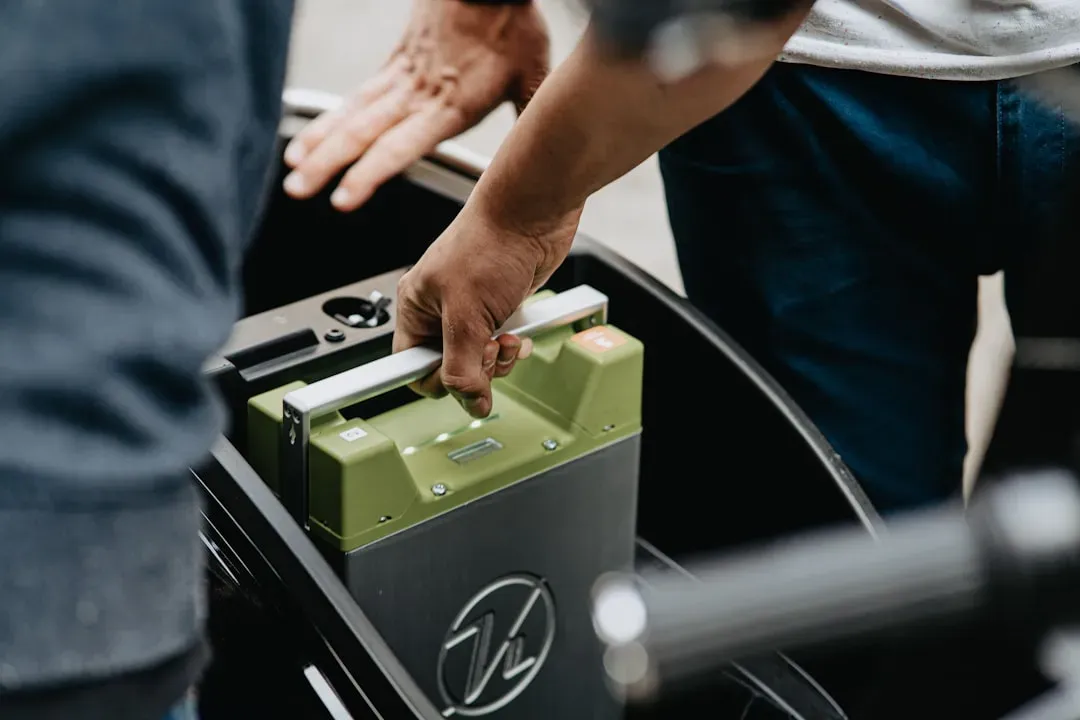
Renewable energy’s biggest historical weakness has always been intermittency – the sun sets, the wind calms. Battery storage is rapidly closing that gap. The global grid-scale battery storage market size was estimated at nearly $10.7 billion in 2024 and is projected to reach almost $44 billion by 2030, growing at a compound annual growth rate of 27% from 2025 to 2030. The cost trajectory is equally compelling. The cost of lithium-ion battery packs has fallen dramatically over the past decade – by more than 90% since 2010.
Energy storage installations in 2024 were up 33% over the previous year, reaching 12.3 gigawatts. The next generation of storage is already pushing further. Battery storage systems with high energy density, safety, cost-effectiveness and wide operating temperatures are needed for smart grid integration, with high-energy lithium-ion systems, quasi-solid-state configurations, and sodium-ion batteries among the main strategies pursued in 2025 to achieve that goal. China continues to expand its grid-scale battery storage projects at an unparalleled pace, accounting for roughly 70% of global storage additions in 2024.
Nuclear Fusion: The Long Game Gaining Serious Momentum
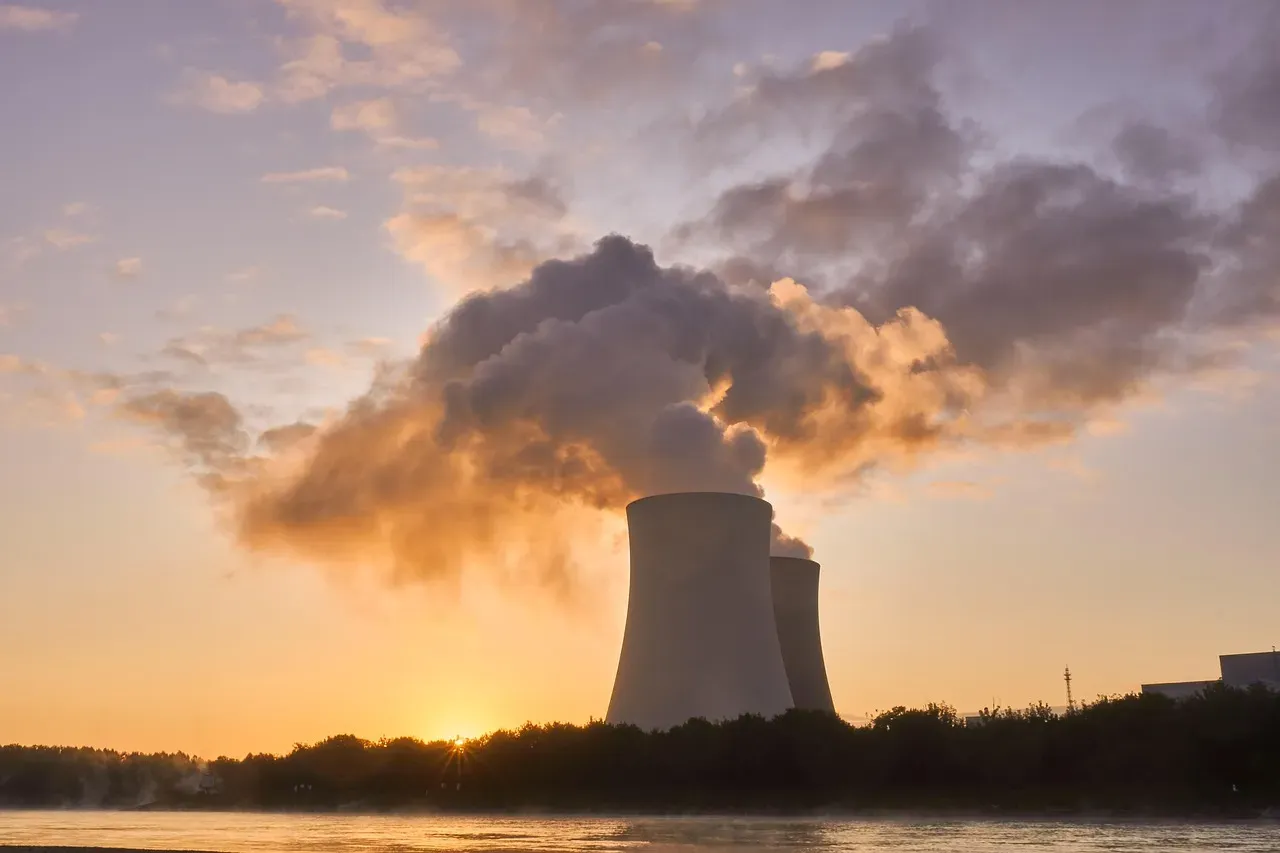
If solar and wind represent the energy transition’s present, nuclear fusion is shaping up to be its future. Private funding for fusion has grown to $10.6 billion between 2021 and 2025, while the number of companies involved in fusion projects more than doubled from 23 to 53 in the same timeframe. The technology that once felt perpetually “thirty years away” is showing genuine laboratory progress. Since 2022, the National Ignition Facility (NIF) at the Lawrence Livermore National Laboratory in California has been pushing net energy gain from fusion, initially achieving 3.15 megajoules of fusion energy from 2.05 MJ of input energy delivered by lasers, and in April 2025, it delivered 8.6 MJ – more than four times the energy provided by the laser for ignition.
Near-term projections suggest the first commercial fusion power plants could begin operation between 2030 and 2035, with Commonwealth Fusion Systems and UK-based First Light Fusion both announcing timelines targeting commercial plants by 2031–2032, though challenges remain in materials science, plasma stability, and engineering integration. Unlike the reactions in traditional nuclear reactors, which split atoms of radioactive elements such as uranium, fusion reactions don’t generate radioactive waste. That distinction alone makes it one of the most important energy technologies humanity has ever pursued. The International Atomic Energy Agency (IAEA) has noted that nearly 40 countries are now engaged in nuclear fusion programmes, with investment exceeding $10 billion and more than 160 fusion devices operational, under construction, or planned.
The Road to 2030: Progress, Gaps, and What Comes Next
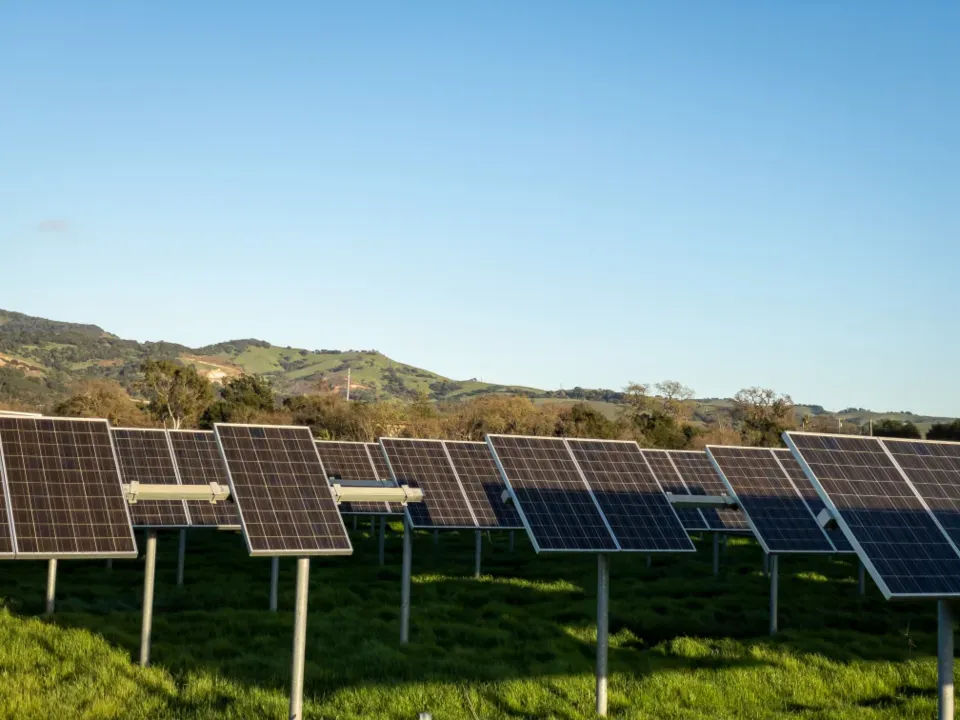
The global energy landscape of 2026 is radically different from what it looked like a decade ago. Yet the numbers show that speed still needs to increase significantly. Despite a record growth rate of 15.1% in 2024, progress still falls short of the 11.2 terawatts needed to align with the global goal to triple installed renewable energy capacity by 2030, with the world expected to fall short by approximately 0.8 TW unless the annual growth rate reaches 16.6% each year through 2030. Grid infrastructure and financing are the two choke points that experts consistently flag.
Electricity generation from renewables is expected to increase 60% – from 9,900 TWh in 2024 to 16,200 TWh in 2030. New forecasts from the IEA show that globally, renewable power capacity is projected to increase by almost 4,600 GW between 2025 and 2030 – double the deployment of the previous five years. Ember forecasts no growth in fossil generation for the full year of 2025, marking the first time since the Covid-19 pandemic that fossil power will not have risen despite growing electricity demand. The transition is no longer a theoretical ambition – it is already rewriting the basic economics of how the world powers itself.