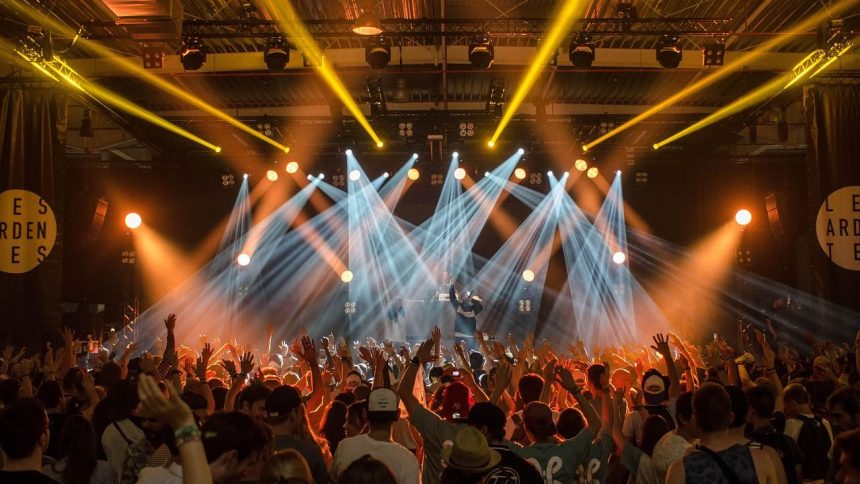
The festival world is changing fast. What once meant a muddy field, a wristband, and a shared sense of collective euphoria has expanded into something far more complex – an industry wrestling with livestreams, AR headsets, virtual access passes, and the eternal question of whether a screen can ever replace a crowd. The debate over hybrid versus purely in-person festivals isn’t just about preference. It’s about economics, technology, audience behavior, and the very definition of what a festival is supposed to be.
The global music festival market was valued at $3.05 billion in 2024, projected to reach $3.76 billion in 2025, and is expected to hit approximately $4.63 billion by 2026. That kind of growth doesn’t happen in a stagnant industry. It happens in one that’s actively reinventing itself. The real question isn’t whether hybrid festivals are the future – it’s whether they’re doing it well enough to matter.
A Market Exploding in Every Direction
The global event tourism market, which includes festivals, was valued at $1.52 trillion in 2024 and is projected to reach $2.13 trillion by 2033. The music tourism market alone is expected to grow from $96.7 billion in 2024 to $267.8 billion by 2030, at a compound annual growth rate of roughly 18.8%. These aren’t niche numbers. They signal that live and hybrid festival experiences have become a dominant force in global culture and economics alike.
JamBase recorded 2,184 music festivals in 2024, featuring 45,522 artists – a scale that would have been hard to imagine even a decade ago. The number of festivals worldwide has increased by nearly 20% over the past decade, reaching over 6,000 festivals per year. The supply side is booming. Yet that very abundance creates new pressures: more festivals competing for the same attendee dollars, the same social media attention, and the same weekend slots on the calendar.
The Hybrid Model Takes Hold
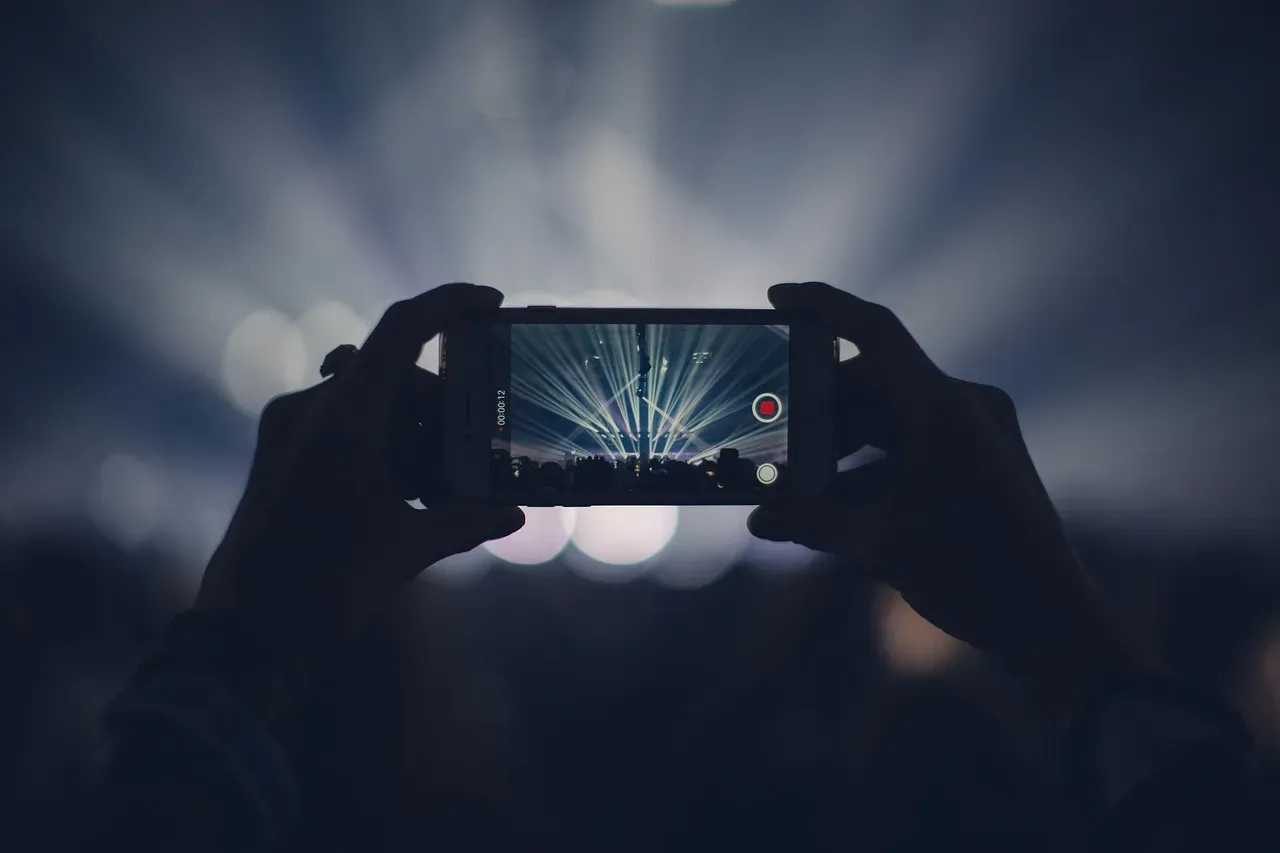
Around 55% of festivals now incorporate hybrid live and virtual experiences to expand audience reach. This isn’t a fringe experiment anymore – it’s becoming the operational baseline for large-scale events. Around 58% of global festivals adopted digital streaming options by 2024 to enable access to wider international audiences, and roughly a third of attendees now purchase virtual access passes, demonstrating real demand for hybrid participation.
Hybrid and virtual events dominate 2025 strategies, with 74.5% of planners adopting hybrid formats and 63% increasing virtual investments to balance reach, cost-efficiency, and attendee preferences. The hybrid festival wasn’t born in 2020, but the COVID-19 pandemic accelerated its rise. Iconic events like Glastonbury were forced to rethink their format, offering fans a virtual alternative through experiences like #GlastoAtHome, blending live-streamed performances with classic archive footage. Five years later, that temporary solution has evolved into a permanent shift.
The Economics of Going Both Ways
Even with digital trends, roughly 60% of event revenue continues to come from in-person experiences. That’s a figure worth sitting with. Despite all the noise around virtual formats, the money still flows most reliably through the turnstile. Key growth drivers include 40% youth attendance, 38% sponsorship revenue, 55% digital app engagement, and 62% merchandise sales. The hybrid model, then, isn’t just about accessibility – it’s a commercial layer on top of an already profitable live experience.
Roughly 30% of those who watch a festival livestream attend the event the following year. That’s a conversion pipeline that organizers are increasingly paying attention to. Tomorrowland expanded its digital platforms, increasing virtual attendance by 18%, while SXSW added AI-curated music experiences to enhance personalization. Hybrid isn’t just a cost center – for smart operators, it’s a long-term audience development strategy.
Technology Reshaping the Experience
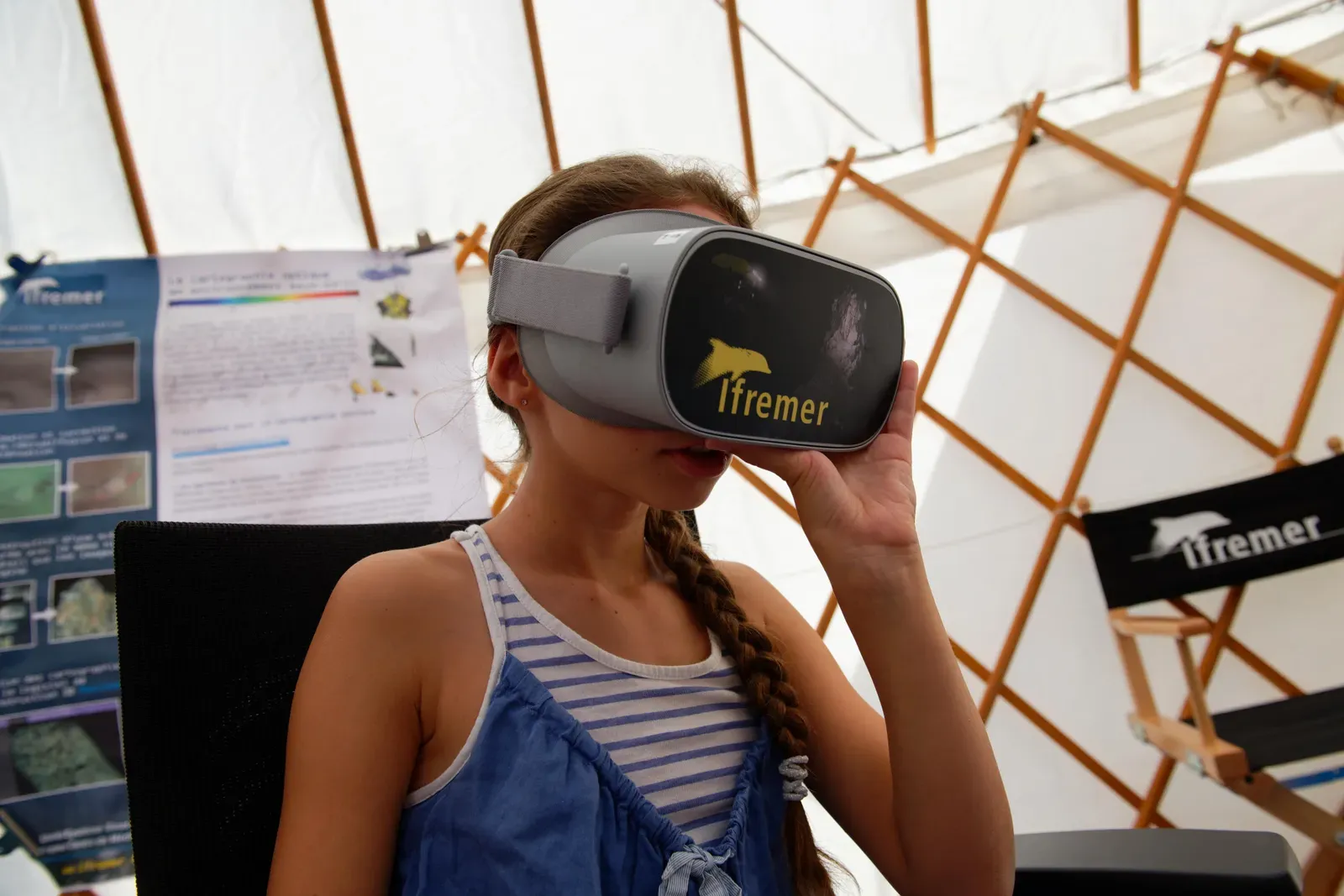
Nearly 48% of global festivals introduced live-streaming apps with interactive features in 2024, boosting engagement beyond physical attendance. VR festival platforms allow remote audiences to experience live performances in immersive 3D, with adoption expected to cross 22% in 2025. These aren’t gimmicks. They’re responses to a generation of attendees who expect digital depth to match physical energy.
Around 70% of planners use AI tools for personalization and logistics, while extended reality adoption is surging, with the immersive entertainment market projected to grow from $133.6 billion in 2024 to $473.9 billion by 2030. AI technology is transforming event planning and execution by enabling brands to make data-informed decisions at every stage of the process, from predictive analytics that forecast attendee preferences to AI-powered tools that streamline event logistics. The back-end of festival management is becoming as sophisticated as the stage design itself.
The Real Challenges Organizers Face
Around 38% of event managers face technical difficulties when organizing hybrid or virtual events, with unstable internet being the most common issue. Creating a balanced and engaging experience for both in-person and virtual participants remains a core struggle. Moreover, 36% of managers find it challenging to convince audiences to attend in person, especially when online participation feels more convenient. The gap between the two experiences is still very real.
Hybrid events typically require additional investment in streaming equipment, bandwidth, and technical support, with costs running 20% to 50% higher depending on scale and complexity. Many attendees still experience virtual events as less personal – 55% describing them that way – and offering fewer opportunities to socialize and network than physical events. Organizers face an awkward truth: the format that reaches more people often satisfies fewer of them on a deeper level.
Sustainability, Inclusion, and What Comes Next
Festivals across the UK alone produce over 23,500 tonnes of waste per year, much of it from single-use plastics and abandoned tents. Add to that the carbon cost of travel, with over 60% of festivalgoers driving to events solo, and the need for a solution becomes clear. Hybrid and virtual festivals offer a lower-impact alternative, reducing the need for mass transport, large-scale power consumption, and temporary infrastructure. In 2025, many events are even offering carbon-offset incentives for attendees who opt into the virtual format.
In 2025, many festivals now include sign language interpreters, multi-language subtitles, and even customisable audio options through AI, making them more inclusive than ever. Studies show that Millennials and Gen Z together make up more than 75% of the global festival audience, and these groups are drawn by both the cultural experience and the social aspect, often choosing festivals that create memorable, shareable moments. The next generation of festivalgoers isn’t choosing between physical and digital – they expect both, seamlessly woven together, in a format that respects the planet they’ll inherit.