Festival food has come a long way from the days of standard burgers and lukewarm beer. These days, the food offerings at major festivals look more like gourmet street markets, and there’s a good reason for that. Attendees are increasingly conscious of what they eat, whether due to dietary restrictions, health considerations, or ethical beliefs. This shift is fundamentally reshaping how festivals approach their menus, and organizers have taken notice.
Plant-Based Menus Are Taking Center Stage

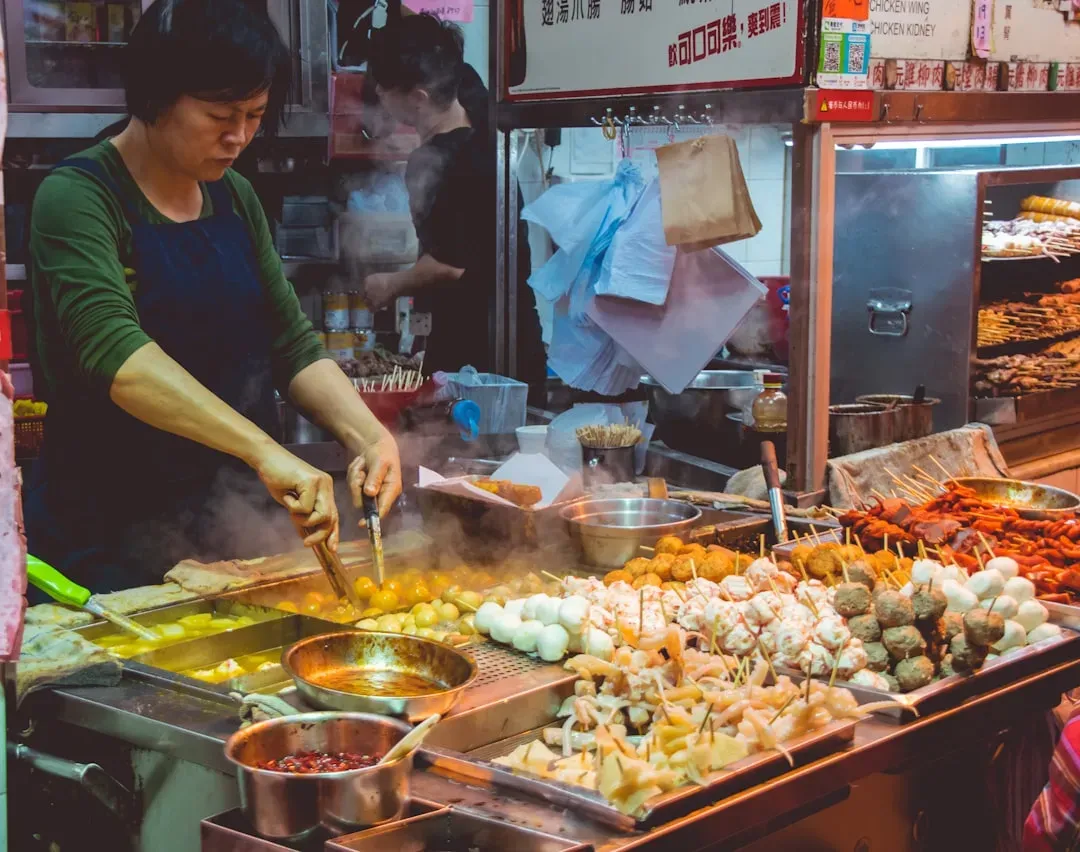
Glastonbury, which features over 400 food traders across its sprawling site, has made a deliberate push toward vegan and vegetarian offerings. The festival has become something of a testing ground for plant-based innovation, with vendors experimenting with everything from vegan sushi rolls to dairy-free gelato. Happy Maki’s vegan sushi and Dosa Deli’s huge dosas with gluten-free options are now considered quintessential festival fare. Honestly, it’s refreshing to see such variety at events where greasy fries used to be the only option.
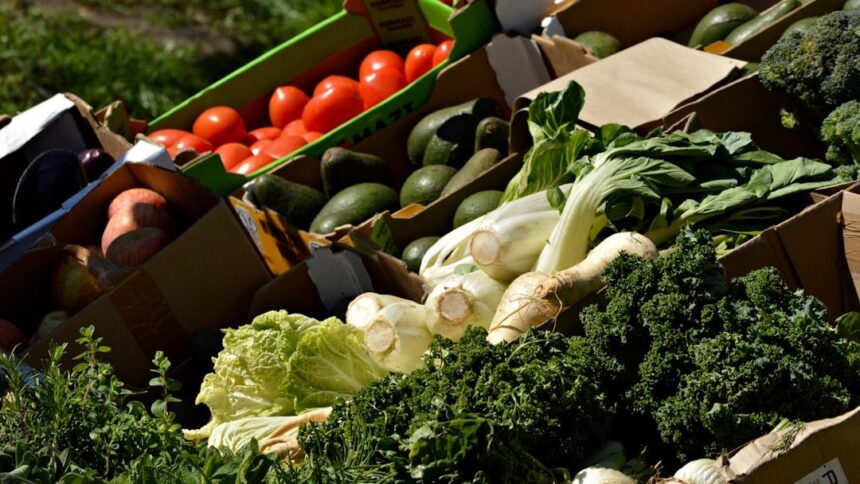
Festivals are aligning themselves with global sustainability trends by embracing plant-based menus, with many pursuing green certifications or awards. Think about it: when you’ve got thousands of people in one place over several days, the environmental impact of food choices becomes massive. Major European festivals like Primavera Sound have followed suit, recognizing that younger audiences especially expect these options.
Gluten-Free Awareness Is Expanding

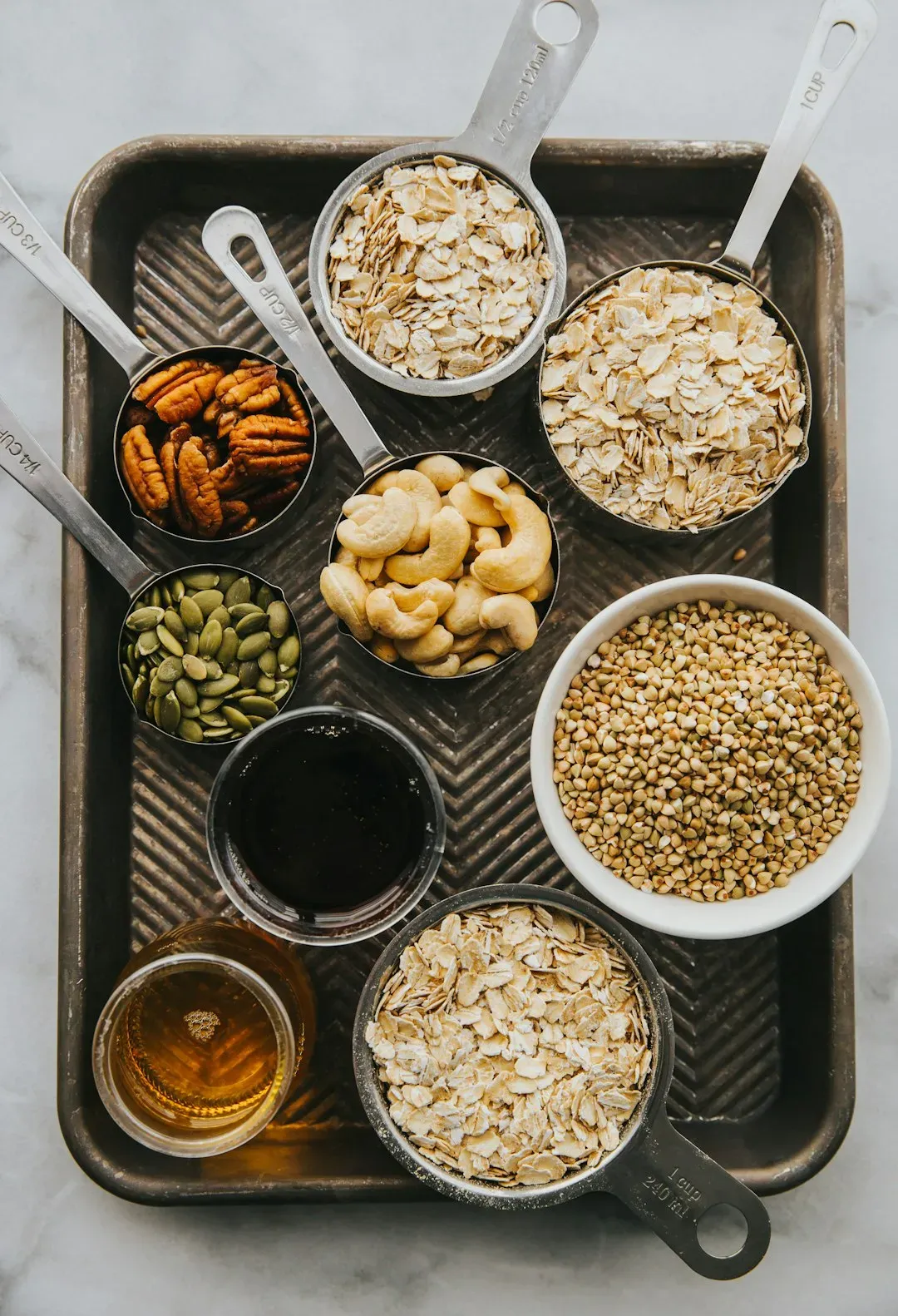
According to festival-goers with celiac disease, gluten-free choices at major UK festivals have improved dramatically, with options getting better each year. Many festivals now feature numerous stalls with gluten-free options, including some fully gluten-free stands. This wasn’t always the case. Just a few years back, people with gluten intolerance often had to bring their own food or risk going hungry.
Some vendors, like Paellaria at Glastonbury, offer giant pans of gluten-free paella with both meat and vegan versions available. Certain stalls like Dosa Deli confirmed that all their dishes were gluten-free in 2024. The change reflects growing awareness around celiac disease and gluten sensitivity, which medical journals have highlighted in recent years as an increasingly recognized health concern.
Sustainability Meets Dietary Innovation

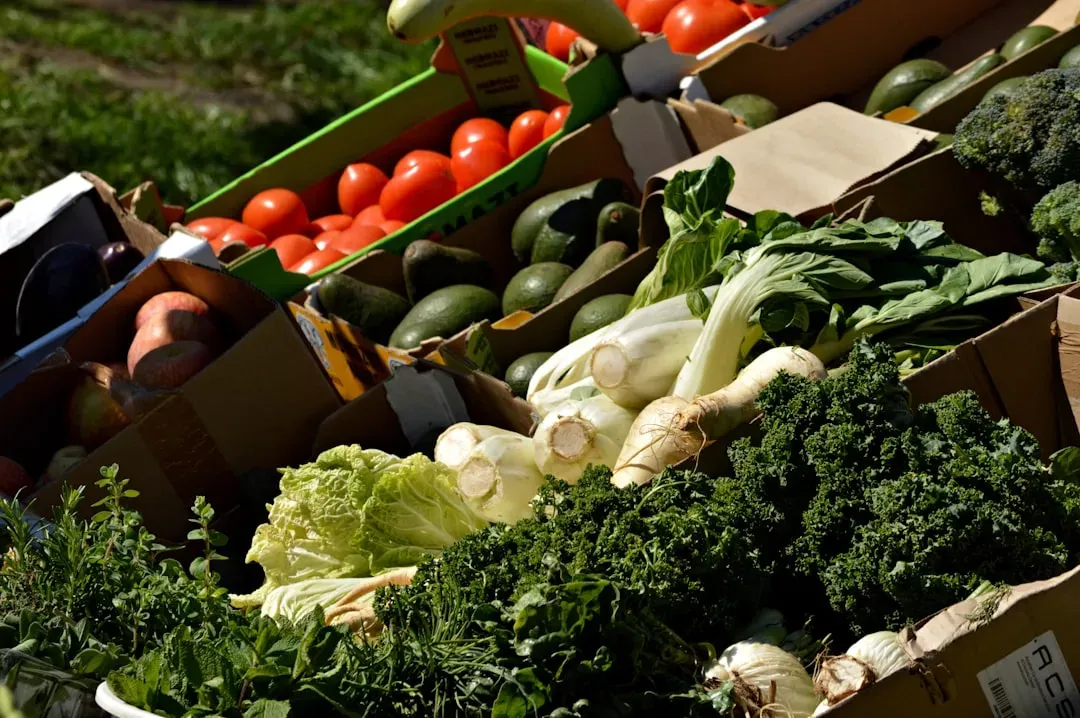
Here’s where things get interesting. Research from the University of Oxford demonstrated something striking about plant-based meals. Offering plentiful vegan and vegetarian options not only enhances attendee experience but also reduces the carbon footprint associated with transporting food. Sourcing vendors who use locally grown produce can bolster the local economy while some festivals partner with nearby organic farms to supply ingredients.
Festivals are no longer just about the music or art. They’ve become platforms for demonstrating how large-scale events can operate more sustainably. If every person at Glastonbury went meat-free for just one day, it would save over 2 million bathtubs of water.
Alternative Proteins Are Entering the Scene


Companies like The Better Meat Co. received Department of Defense grants in 2024 to accelerate scale-up, while Onego Bio benefitted from more than $50 million in funding, signaling proof-of-concept for fermentation-enabled alternative protein technology. Festival food stalls have begun incorporating these innovations. Pea-based proteins, soy alternatives, and mushroom-derived “meats” are showing up in tacos, burgers, and stir-fries. At NYU’s Plant-Based Food Festival in 2024, vendors showcased Fable Food’s shiitake mushroom-based meat and Mezcla’s pea protein crisp bars.
I think we’re only scratching the surface here. Alternative proteins could completely transform festival food within the next few years, making plant-based options indistinguishable from their meat counterparts in taste and texture.
Stricter Allergen Labeling Standards Are Emerging


In September 2024, the European Commission amended food labeling regulations to introduce exemptions for certain allergen labeling, reflecting the latest scientific risk assessments. EU Regulation on food information for consumers identifies 14 allergens that need to be labeled, including eggs, milk, fish, peanuts, tree nuts, sesame seeds, cereals containing gluten, soybeans, and sulphites. These regulations now extend to temporary food vendors, including festival stalls.
Written information on the presence of allergens in non-pre-packed foods in the hospitality sector is considered the most reliable means to provide detailed information for allergic consumers. For festival organizers, this means training staff and ensuring clear communication at every food stand. It’s a significant operational shift, especially for smaller vendors who might not have dedicated compliance teams.
Cultural Fusion Is Redefining Festival Menus

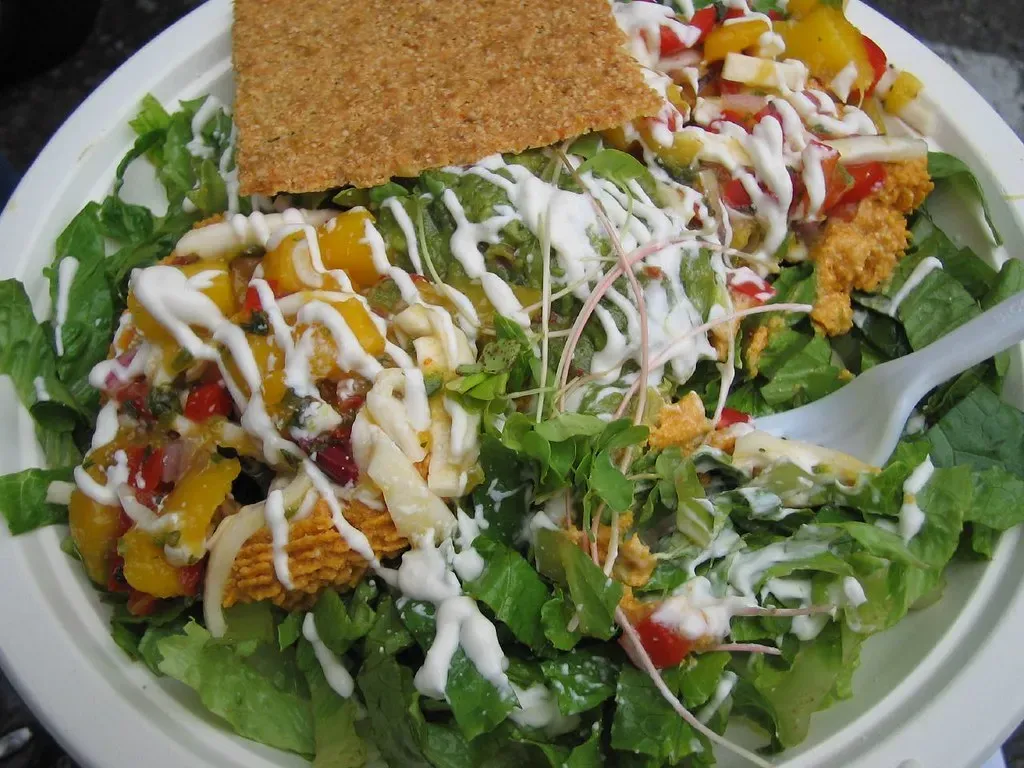
Meat-eaters also appreciate having lighter or creative food choices, especially during long, hot festival days, with vibrant plant-based cuisine adding variety and turning the food court into an adventure. Globally inspired vegan dishes have surged at festivals, reflecting broader culinary globalization. You’ll find Korean-inspired corn dogs, Japanese gyoza, Indian dosas, and Mexican street tacos – all adapted to meet vegan or gluten-free requirements.
Dosa Deli at Glastonbury serves huge dosas and even bigger onion bhajis, with the Mysore Masala Dosa featuring spiced potatoes and hot garlic chutney as a standout hit. This fusion approach keeps things exciting and proves that dietary accommodations don’t have to be boring or repetitive. Festivals have become unexpected laboratories for culinary innovation, where chefs can experiment with flavors that might not work in traditional restaurant settings.
What do you think about how festival food is evolving? Have you noticed these changes at events you’ve attended?