The Mojave Desert has never been gentle. It’s a landscape that sets records by default. Death Valley still holds the world’s highest reliably recorded surface air temperature, and the region’s average annual rainfall, measured in single-digit inches, barely registers on most weather charts. But the desert that millions of people now call home is changing faster than most of its residents realize – and the changes aren’t subtle anymore.
Southern Nevada sits at the center of this shift. What was once an extreme but stable climate baseline is being pushed into new territory every year, touching everything from the water flowing into kitchen taps to the Joshua trees that define the desert’s silhouette. What follows is a close look at what the science and the latest data are actually saying.
The Fastest-Warming City in America

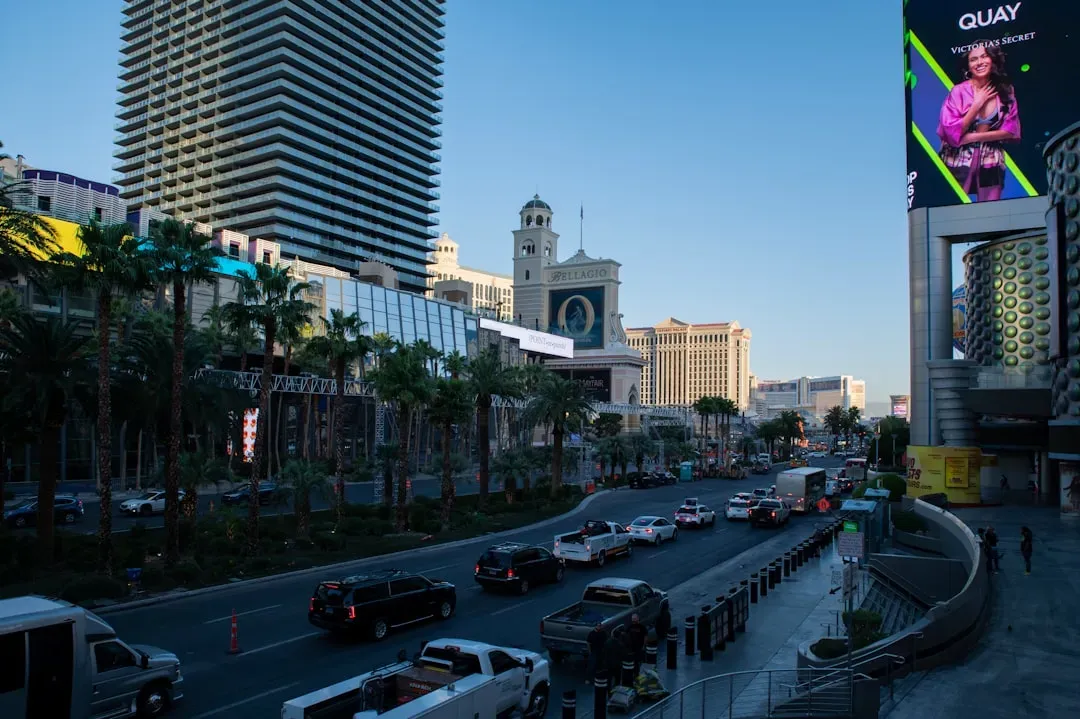
Las Vegas is not just warm – it has been warming faster than any other major city in the United States. Between 1970 and 2025, the average annual temperature in Las Vegas increased by about six degrees Fahrenheit, according to Climate Central, which examined data from the National Oceanic and Atmospheric Administration. To put that in context, of the 240 U.S. cities that warmed during that period, the national average increase was roughly three degrees, while Southwestern cities averaged three and a half degrees.
Las Vegas recorded its fifth-warmest year on record in 2025, with an annual average temperature of 71.8 degrees, or 1.7 above normal. December 2025 went down as the warmest December ever recorded, and the city tied or broke 38 temperature records that year, including 29 nighttime high-temperature records.
The Mojave Desert region is warming at a rate nearly twice the global average, and Las Vegas now records roughly 30 to 40 more days per year above 100 degrees Fahrenheit than it did in the 1970s. That’s not a trend line on a graph. It’s a fundamentally different summer.
Lake Mead: A Reservoir on the Edge

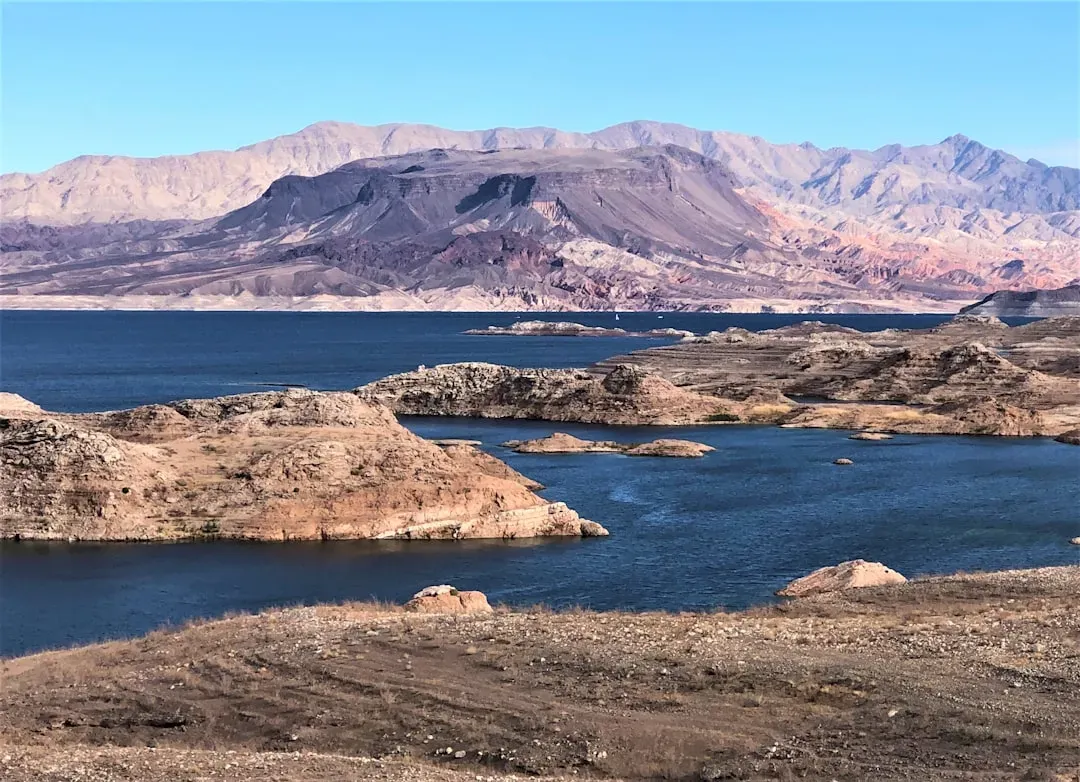
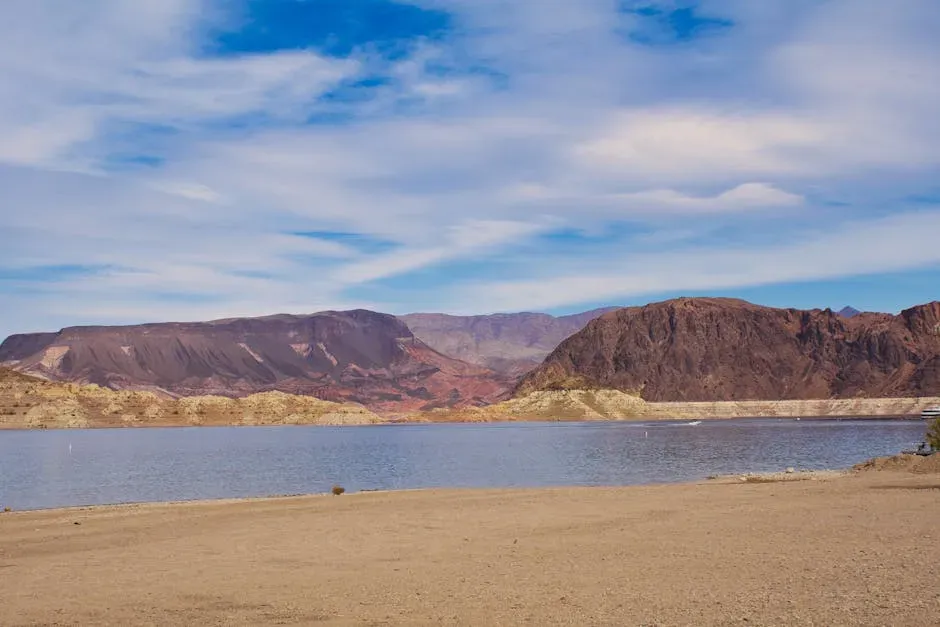
Lake Mead is the country’s largest reservoir and a crucial supplier of drinking water to millions in the West, located on the Nevada-Arizona border. It is nearing a historic record low – Lake Mead hit its all-time low water level in 2022, and by 2026 levels have come within roughly 20 feet of breaking that record, with the lake sitting nearly 175 feet below maximum capacity.
The elevation of Lake Mead has dropped by approximately 160 feet since January 2000. About 90 percent of the water used in Southern Nevada comes from the Colorado River, with the rest from groundwater wells. That dependency makes every foot of decline at Lake Mead a direct concern for Southern Nevada’s nearly two and a half million residents.
According to the Southern Nevada Water Authority, 2026 will be the fifth consecutive year of shortage conditions on the Colorado River. The Upper Colorado region’s snowpack stood at just 20 percent of average in early 2026, and as a result, the Bureau of Reclamation announced it would withhold more water from Lake Powell than previously anticipated, a decision made to protect operations at Glen Canyon Dam but with downstream consequences.
Warming Water, New Complications

In 2026, water flowing into Lake Mead is projected to be at least 10.8 degrees Fahrenheit warmer than usual by the end of fall, posing a series of problems from hydropower turbine cooling to the potential for runaway algal blooms. This is a dimension of the water crisis that receives less public attention than the falling surface elevation, but it matters enormously for treatment infrastructure.
Water treatment plants in Southern Nevada were designed and optimized to treat the deepest and coldest layer of water in Lake Mead. While warmer water can be treated, it is often more expensive and difficult. Water treatment plants also need cool water to operate vital ozone water treatment systems, which purify water by breaking down contaminants like bacteria, dissolved metals, and pesticides.
The 2020 State of the Science Report confirms that temperature trends in the Colorado River Basin are increasing, while precipitation, snowpack water volume, and annual streamflow trends are all decreasing. Warmer water arriving into the reservoir compounds an already stressed system in ways that engineers are still working to fully account for.
Conservation That Works – and Its Limits

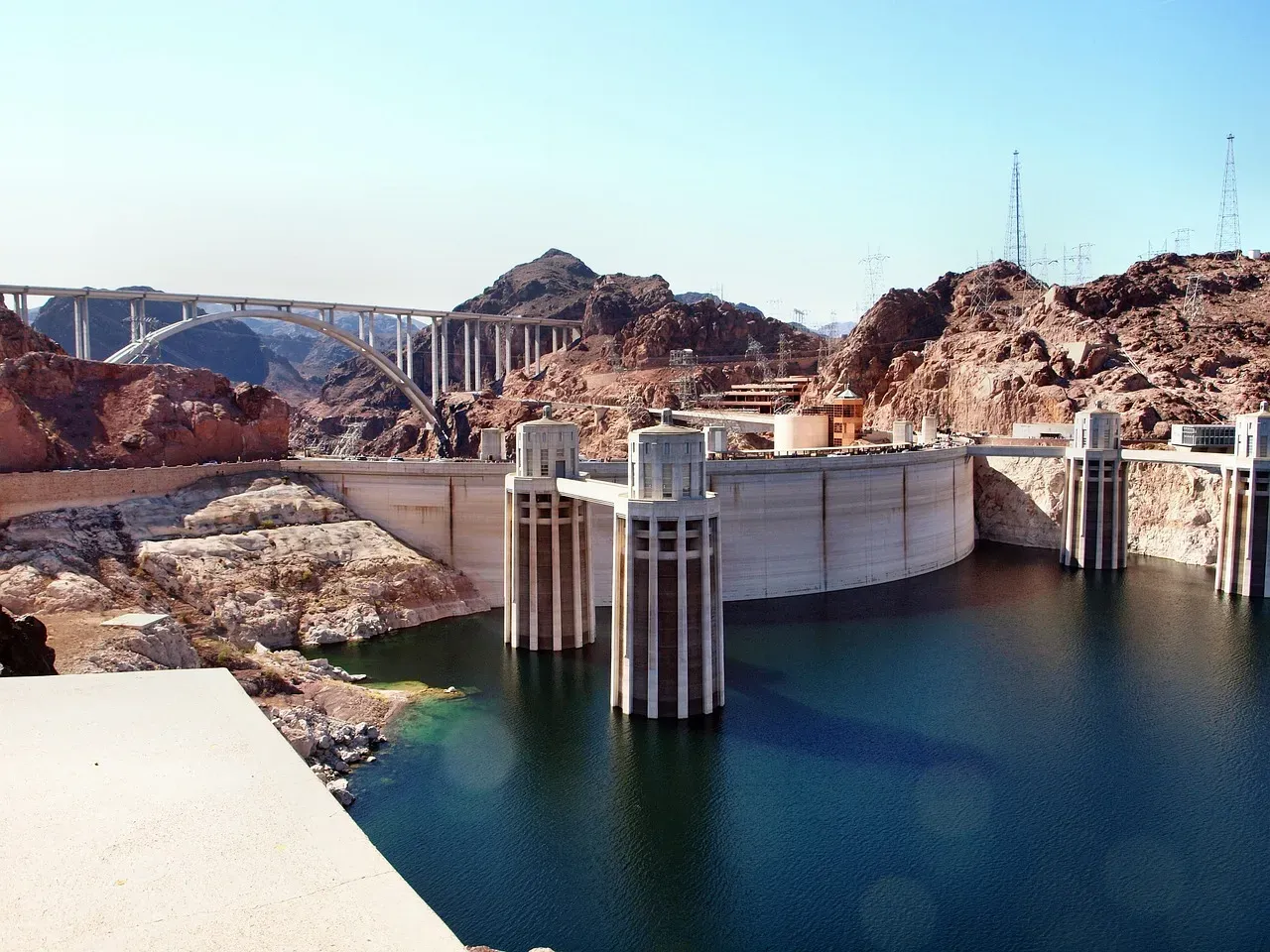
Through one of the nation’s most progressive and comprehensive water conservation programs, Southern Nevada has reduced its per capita water use by 58 percent between 2002 and 2025, even as the population increased by approximately 876,000 residents during that time. That is a genuinely remarkable achievement, and one that few other Sun Belt cities have matched.
Conservation efforts have helped the community reduce its per capita water use substantially, and the Water Smart Landscape Rebate Program alone has seen 250 million square feet of grass removed, saving 203 billion gallons of water since 1999. These aren’t just feel-good numbers. They represent structural change in how a major desert city operates.
Still, the Southern Nevada Water Authority is candid about the outlook ahead. Continued declines in Lake Mead’s water level are expected as Southern Nevada experiences what the agency describes as a permanent transition to a more arid future, the result of ongoing climate change, and additional efforts are needed to ensure a reliable long-term water supply.
The Joshua Tree’s Uncertain Future

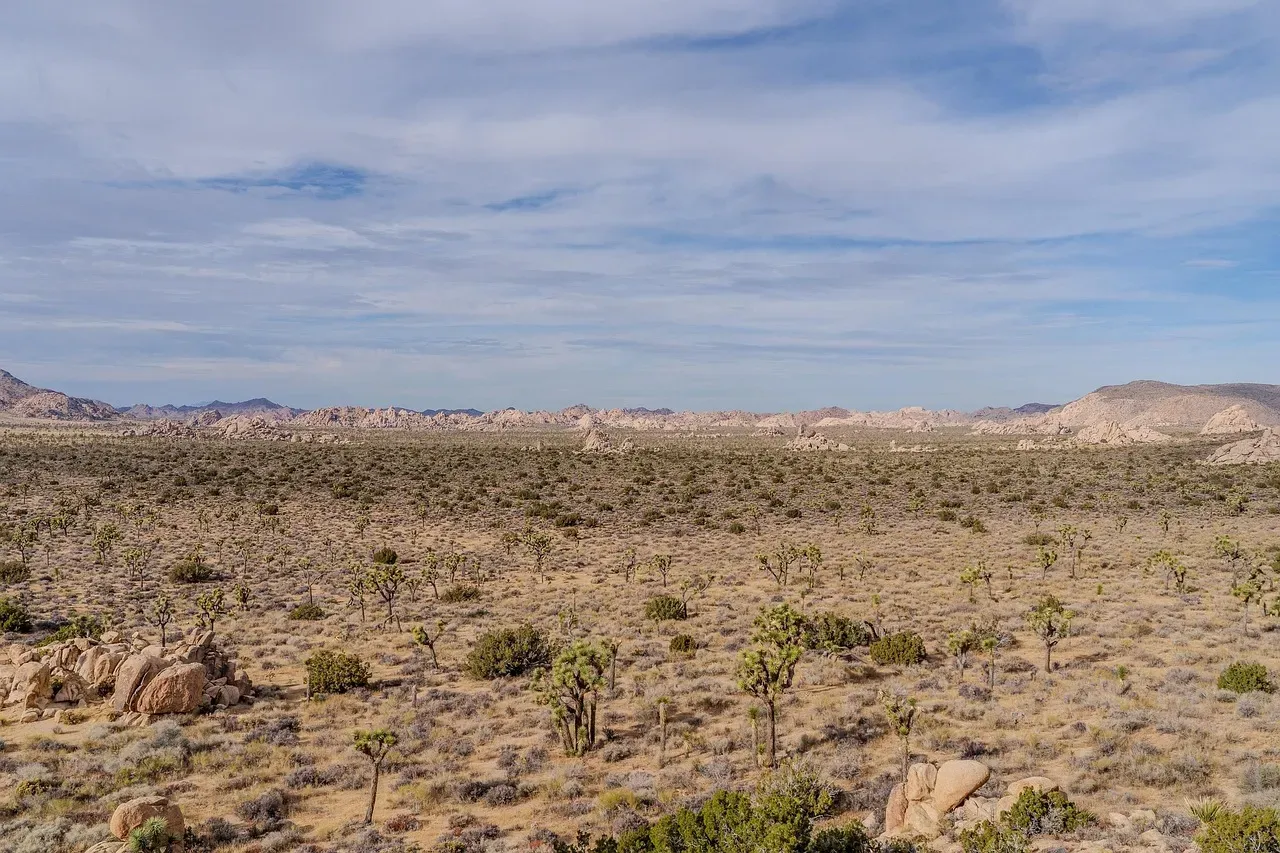
The Joshua tree is the Mojave’s most recognizable resident, and it is in trouble. Joshua trees and their habitat are threatened by a warming climate, more frequent and severe droughts, and the spread of invasive grasses and forbs that are increasing the frequency, size, and severity of wildfire. The species is caught in a compounding set of pressures that are hard to disentangle.
The desert’s average temperature has increased by as much as 3.6 degrees Fahrenheit over the last hundred years, and rainfall has declined by up to 20 percent in some areas. Joshua trees depend on cold winters to flower and reproduce, and as temperatures increase, available habitat is shrinking as lower elevations become too warm and dry.
Studies found that if warming temperatures are not mitigated, nearly 100 percent of the trees could be lost in the coming decades. The number of wildfires that kill and damage Joshua trees has increased sharply in recent years, in significant part due to changes in the desert ecosystem. The York Fire alone burned roughly a million Joshua trees in Mojave National Preserve in August 2023.
Invasive Grasses and a Changed Fire Regime

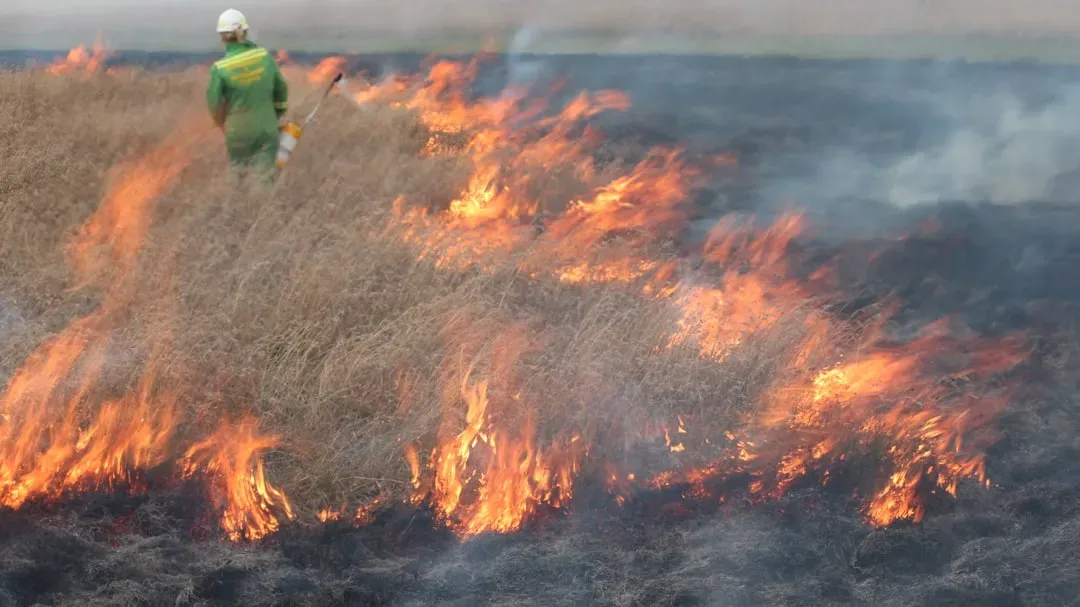
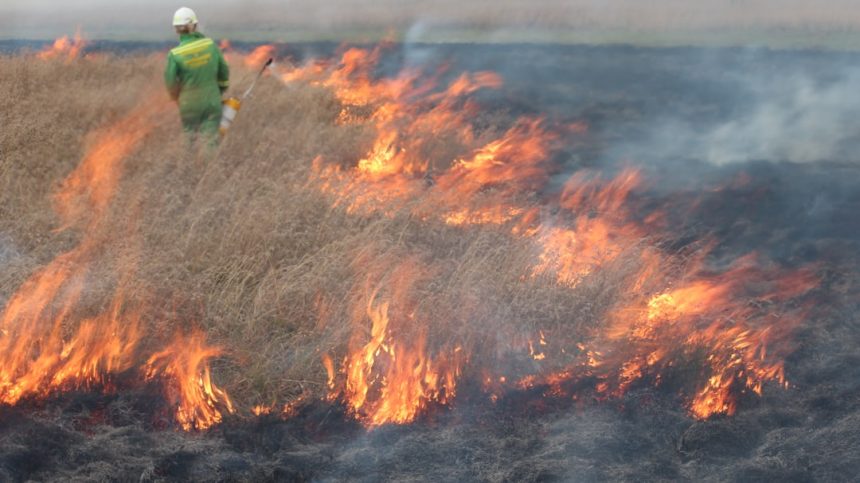
Climate change is a major contributor to shifts in the Mojave’s fire regime. The vast increase in acres burned is in part due to hotter temperatures, which increase the growth rate of invasive grasses. The desert wasn’t always a fire-prone landscape. It has become one through a combination of temperature rise and biological invasion.
Over the last few decades, invasive grasses originally brought to the region by cattle ranching have taken over the Mojave, changing its fire regime. Grasses such as red brome and Mediterranean split grass are highly flammable, and in wet years they grow in profusion and create more intense and far more widespread fires. A wet winter, once viewed as straightforward good news for the desert, now has a dangerous downside.
Dead trees increasingly become fuel, extending Nevada’s wildfire season – a trend visible in the state’s five largest fire years since 1985, four of which have occurred since 2005. Wildfire activity in 2025 was mild, but experts noted that 2026 is shaping up differently, with near-average rainfall in the valleys fueling grass growth while next to no snowpack in the mountains has left forests more water-stressed earlier in the year.
Partner offer

The Urban Heat Island Effect

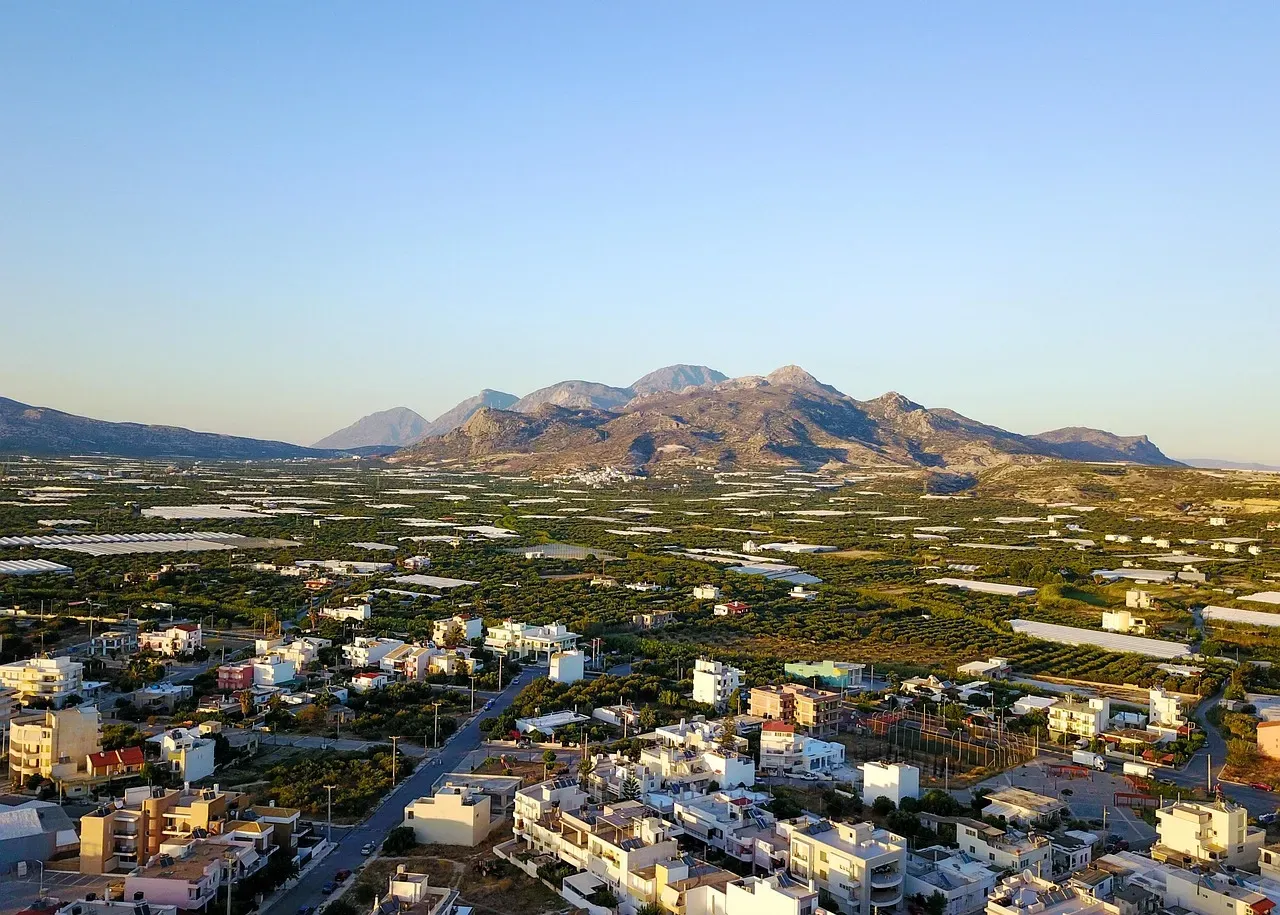
Las Vegas is a city built on desert floor, and the physics of how it stores heat are not forgiving. The urban heat island effect is enormous in Las Vegas: built-up areas in the valley floor can be three to eight degrees Fahrenheit warmer than surrounding undeveloped desert during the day, while urban overnight lows can be 10 to 15 degrees warmer than rural desert overnight lows.
Every new subdivision built on what was previously open desert adds to the heat island. Every parking lot, shopping center, and warehouse contributes. The Las Vegas Valley continues to grow rapidly, and that growth directly increases the heat retention of the entire basin.
Researchers at UNLV note that the Mojave Desert’s warming signal is amplified by local factors. The interaction between regional climate change and rapid urbanization creates a compounding effect that makes Southern Nevada one of the most thermally stressed urban environments in the developed world.
Heat as a Public Health Crisis

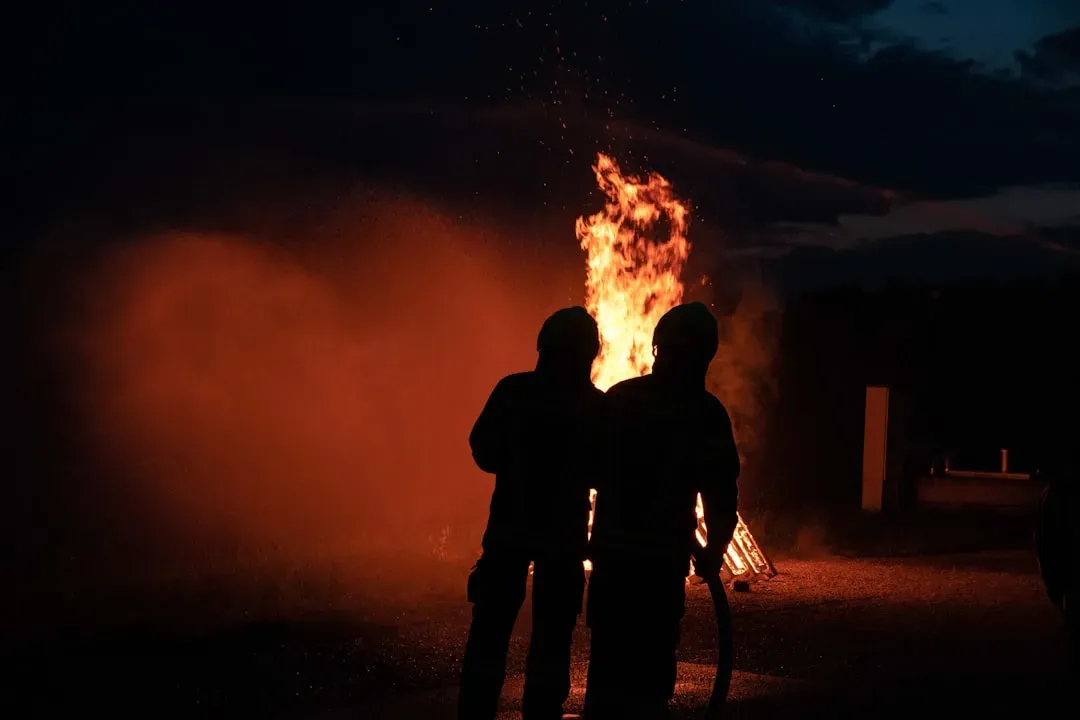
Extreme heat is not an abstract environmental concern in Southern Nevada. It is already killing people in measurable numbers. In Clark County alone, there were more than 500 heat deaths in a recent year, compared to 293 vehicular deaths. The comparison is stark: far more resources are devoted to preventing traffic fatalities than heat deaths, even though the toll is higher.
Heat is described by researchers at the Desert Research Institute’s Nevada Heat Lab as the deadliest natural hazard in Southern Nevada, across the state, and across the United States. Extreme heat is the most deadly weather event in the country, according to the National Weather Service.
The problem becomes more acute when wildfire smoke fills the city’s air, which is happening more frequently as wildfires grow bigger and more intense. When extreme heat coincides with unhealthy air quality, residents without central air conditioning face difficult choices, as many cool their homes by opening windows at night, which can expose them to harmful smoke.
Snowpack, the Colorado River, and What Comes After 2026
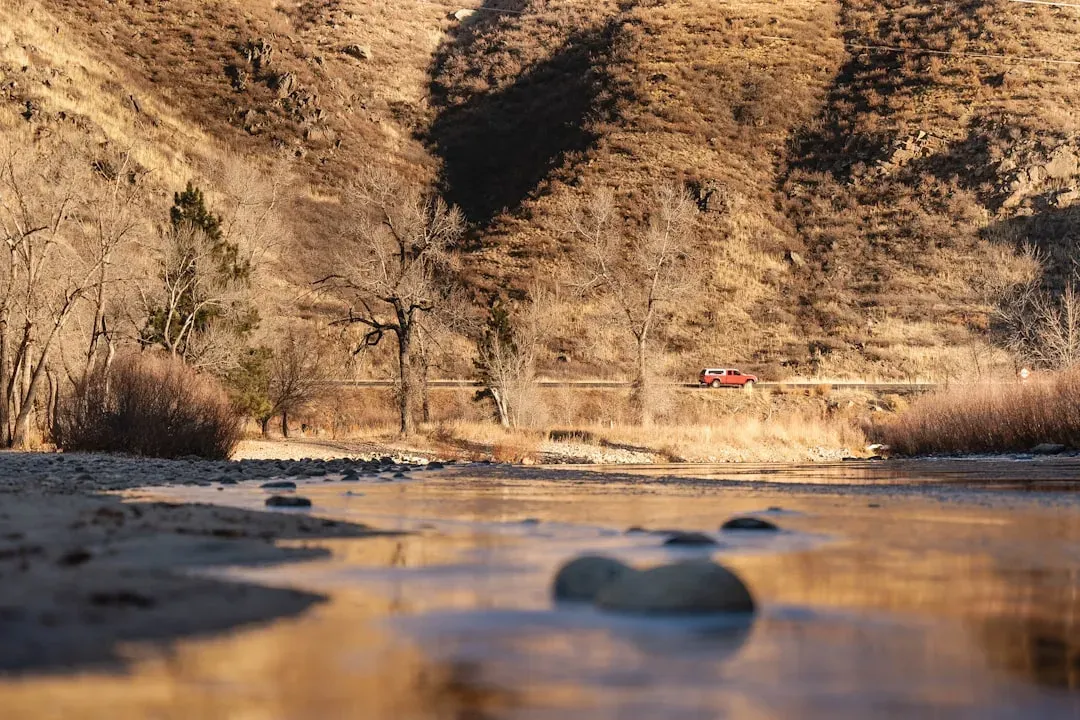
The agreements that currently govern how the Colorado River’s water is divided among seven states all expire at the end of 2026. The states – Arizona, California, Colorado, Nevada, New Mexico, Utah, and Wyoming – are primarily in disagreement over which should decrease their water use and by how much, with negotiations continuing behind closed doors.
The lackluster reservoir forecast follows a winter of below-average snowpack across the Upper Colorado River Basin, and climate scientists studying water supply on the Colorado River were not surprised, describing it as reflecting a two-decade trend of decreasing streamflow into the river and its reservoirs. Climate projections for the Southwest show a future marked by chronic drought, rising temperatures, and unreliable snowpack.
The Bureau of Reclamation has emphasized the importance of immediate action to secure the future of the Colorado River, calling for new, sustainable operating guidelines robust enough to withstand ongoing drought and poor runoff conditions to ensure water security for more than 40 million people who rely on the resource. Whatever framework emerges will shape Southern Nevada’s water future for decades.
Adaptation, Research, and What the Desert Can Still Offer

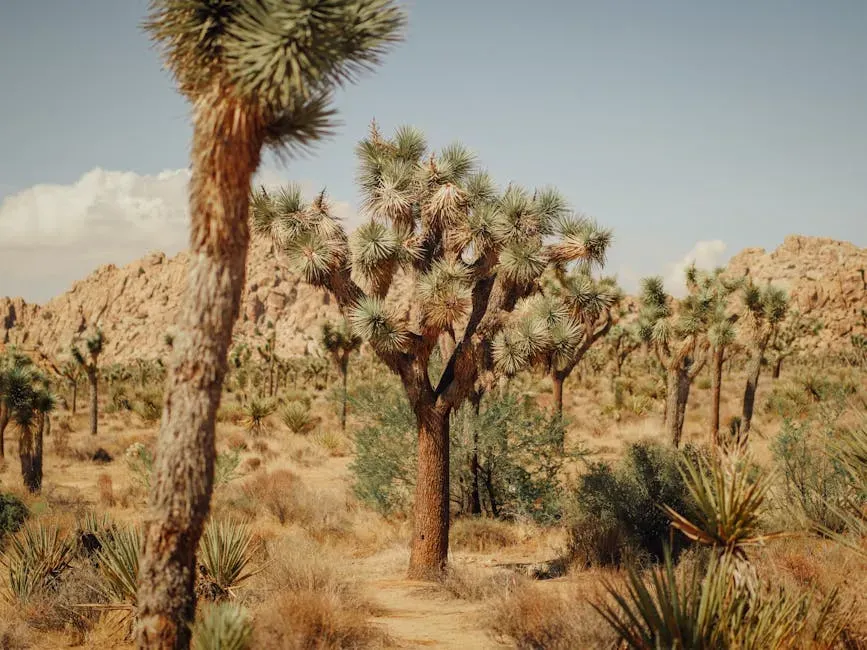
Not everything happening in the Mojave points toward decline. Scientists are finding evidence of resilience in unexpected places. Researchers have found evidence of a specialized form of photosynthesis in Joshua trees that may help the plants tolerate the warming climate across their range. Conservationists working with Joshua trees see two options for a viable future habitat: climate refugia, which are patches of relatively shielded land within or near the trees’ natural range, and assisted migration, which involves moving trees toward more hospitable environments outside their natural range.
Southern Nevada’s conservation programs continue to show what’s possible at scale. Beyond grass removal, the Water Efficient Technologies Program has enabled participating businesses to save more than 24 billion gallons of water since 2001. These programs demonstrate that behavior and infrastructure can change meaningfully, even in a rapidly growing desert city.
Desert Research Institute researcher Christine Albano has published findings on what she calls “hydroclimate whiplash,” the intensifying connection between wet and dry extremes in the Southwest. Her work underscores that wet and dry extremes are linked together and that a warming climate is likely to intensify both ends of the spectrum. Planning for Southern Nevada’s future means holding both realities at once: the region will face more intense droughts and, at times, more powerful storms.
Conclusion: A Desert That Will Demand More from Everyone

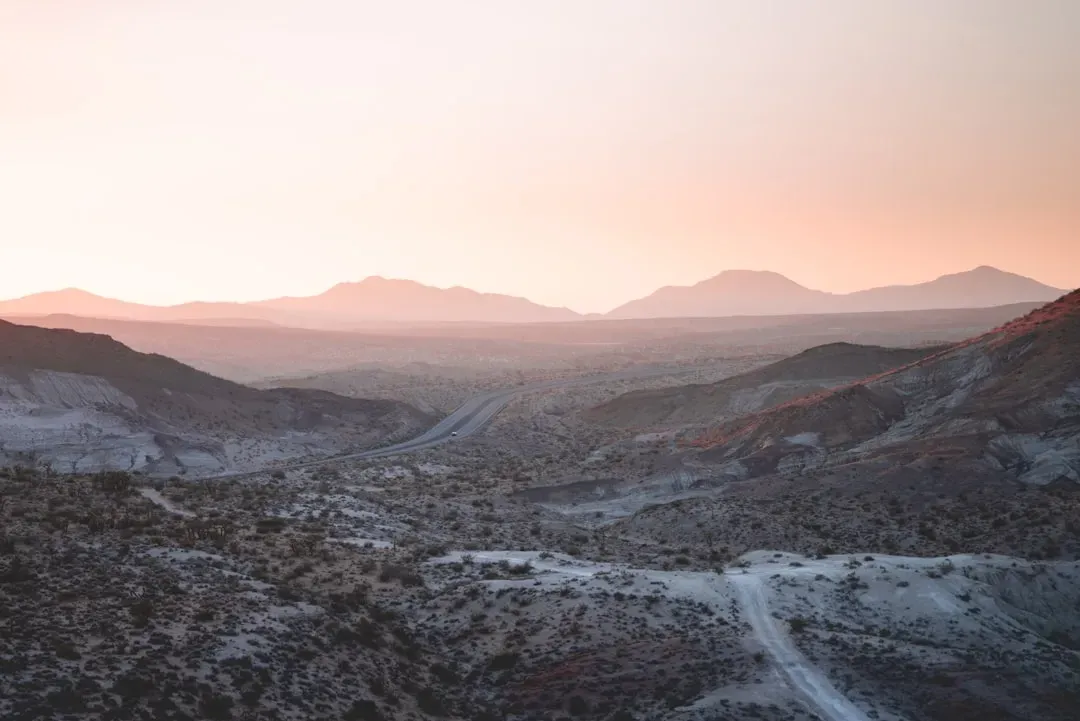
The Mojave has always required adaptation from the species that live within it. What’s different now is the pace. Las Vegas’s average annual temperature has increased by approximately 5.5 degrees Fahrenheit since the 1970s, and the Mojave Desert region is warming at a rate nearly twice the global average. These numbers reflect a trajectory that no amount of incremental adjustment can outrun without deliberate, large-scale action.
Southern Nevada has made real progress on conservation, and researchers are working hard to understand both the vulnerabilities and the hidden resilience of Mojave species. The 2020 State of the Science Report confirmed that temperature trends in the Colorado River Basin are increasing while precipitation, snowpack, and annual streamflow are all decreasing. The science, at this point, is consistent and accumulating.
The desert has been reshaped before – by ancient lakes, glacial cycles, and the slow drift of continents. What makes the current reshaping different is that it is happening within a single human lifetime, and it is happening to a region now home to millions of people who have built their lives, businesses, and infrastructure on assumptions that the climate itself is no longer honoring.
Partner offer
Planning a trip to Vegas?
Compare hotel rates and show tickets on VEGAS.com.