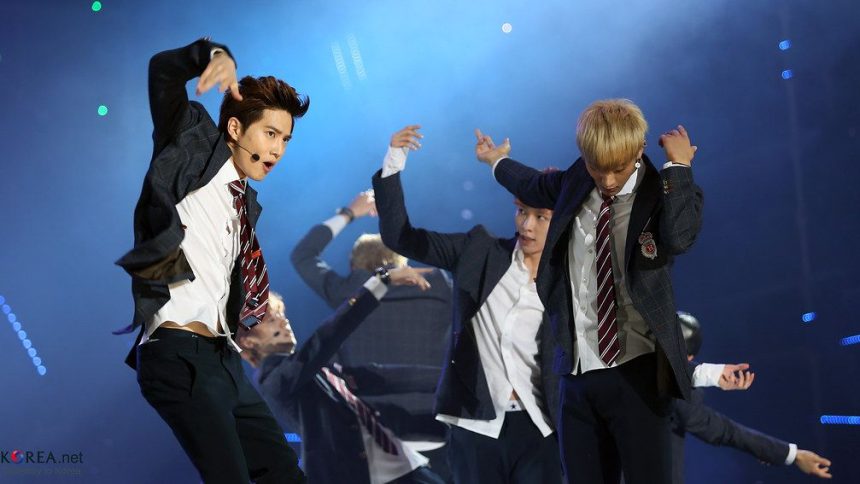
When you walk down the Vegas Strip these days, something feels different. Between the neon lights and casino marquees, you’ll spot K-pop album covers in music stores, hear Korean lyrics pumping through trendy boutiques, and see groups of fans decked out in merchandise from Seoul to Sin City. It’s not just the music anymore. K-pop has woven itself into the fabric of global culture in ways that even the most optimistic industry insiders couldn’t have predicted a decade ago.
What started as a niche genre has exploded into a worldwide movement that’s reshaping entertainment, fashion, beauty standards, and even how we think about celebrity culture. The catchy hooks and synchronized choreography are just the tip of the iceberg. Let’s dive in.
The Economic Powerhouse Behind the Beat
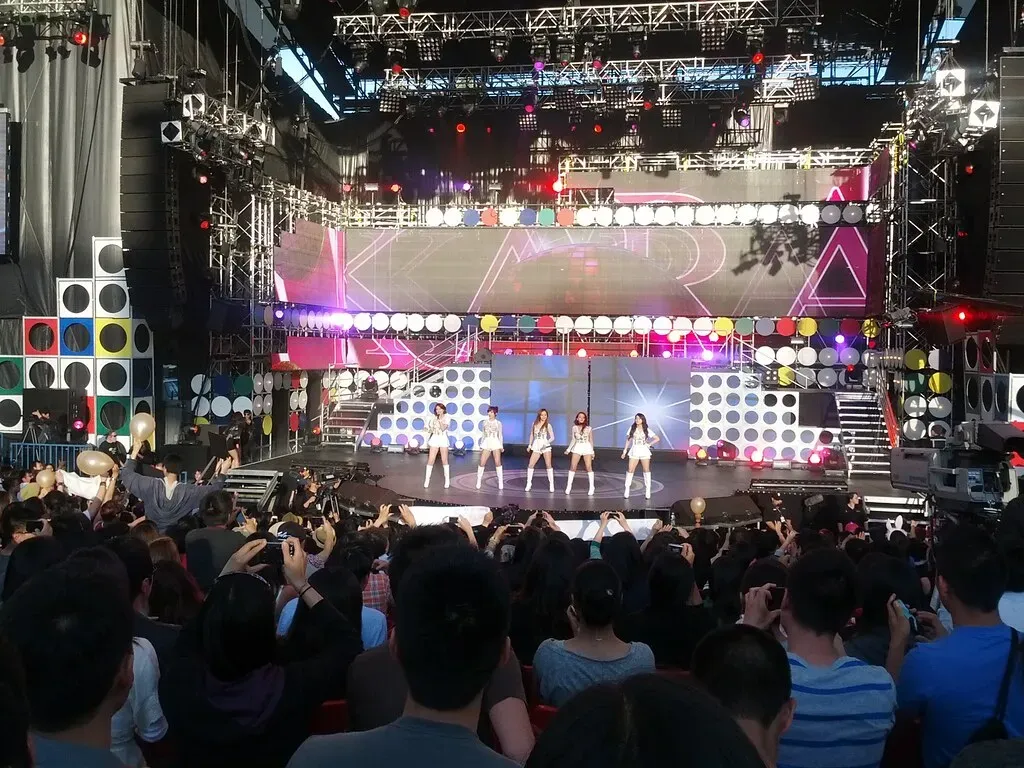
K-pop isn’t just topping charts. It’s generating billions of dollars annually and transforming South Korea’s economy. The industry contributes roughly around five billion dollars to the Korean economy each year, and that number keeps climbing. Major entertainment companies like HYBE, SM Entertainment, and YG Entertainment have become corporate giants with market values that rival traditional manufacturing companies.
What’s fascinating is how these companies operate like Silicon Valley startups meets Hollywood studios. They don’t just produce music. They create entire ecosystems of content, merchandise, apps, and experiences. A single K-pop group can generate revenue through album sales, concert tickets, brand partnerships, mobile games, reality shows, and even webtoons. The business model is so sophisticated that Harvard Business School has used it as a case study.
Las Vegas has noticed this economic shift too. When K-pop groups announce concert dates at venues like Allegiant Stadium or T-Mobile Arena, hotels see booking spikes months in advance. Fans travel from across the country, sometimes spending thousands on tickets, accommodations, and merchandise. It’s become a significant tourism driver that city planners are actively courting.
The Social Media Revolution That Changed Everything
Here’s the thing about K-pop’s rise. It coincided perfectly with social media’s explosion, and the industry exploited that timing brilliantly. K-pop companies understood YouTube, Twitter, and Instagram before Western labels even took them seriously. They created content specifically designed to go viral, from behind-the-scenes footage to dance practice videos that fans could learn and replicate.
BTS didn’t become a global phenomenon by accident. Their label encouraged direct interaction with fans through social media, creating a sense of intimacy and community that traditional pop stars rarely achieve. Fans became active participants rather than passive consumers. They organize streaming parties, create fan art, translate content into dozens of languages, and essentially function as unpaid marketing teams. It’s grassroots promotion on steroids.
The numbers are staggering. K-pop related hashtags generate billions of mentions annually on Twitter alone. When BLACKPINK drops a new video, it routinely breaks YouTube records for most views in 24 hours. This organic, fan-driven promotion costs companies relatively little but generates massive returns. Western entertainment industries are still trying to figure out how to replicate this model.
Fashion and Beauty Standards Go Global

Walk into any Sephora or Ulta in Las Vegas, and you’ll see entire sections dedicated to K-beauty products. This isn’t coincidence. K-pop idols have become walking billboards for Korean beauty standards and fashion trends. The “glass skin” look, gradient lips, and elaborate skincare routines that K-pop stars showcase have influenced beauty standards worldwide.
Korean fashion has similarly exploded. Brands that K-pop idols wear often sell out within hours of photos hitting social media. High-end fashion houses now actively court K-pop stars for endorsements and front-row seats at fashion weeks. When members of BTS or BLACKPINK attend events, the economic impact on featured brands can be measured in millions of dollars within days.
What’s interesting is how this influence flows both ways. K-pop has introduced Western audiences to Korean aesthetics, but it’s also incorporated Western, Japanese, and other Asian influences into a distinctly hybrid style. It’s fashion diplomacy through pop culture, and it’s remarkably effective at breaking down cultural barriers.
The Intensive Training System Behind the Glamour
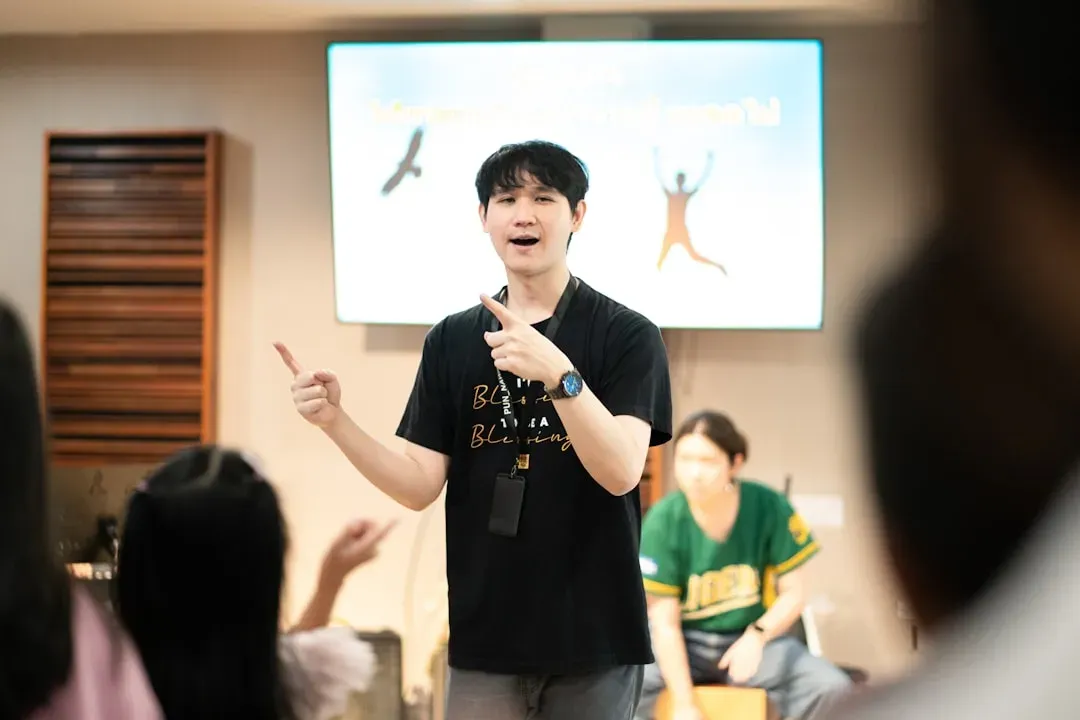
Let’s be real. The polished performances and perfect harmonies don’t happen by accident. K-pop’s training system is notoriously rigorous, sometimes controversially so. Young hopefuls, often as young as ten or eleven, sign with entertainment companies as trainees. They spend years learning singing, dancing, rapping, foreign languages, and media training before they ever debut.
The process is brutal. Trainees practice for twelve to sixteen hours daily. They attend school while maintaining punishing rehearsal schedules. Many never debut despite years of training. Those who do often sign contracts with strict rules about dating, social media use, and public behavior. It’s hard to say for sure, but the mental and physical toll is significant.
Critics argue the system is exploitative. Supporters claim it produces unmatched talent and professionalism. The truth probably lies somewhere in between. What’s undeniable is that this training system creates performers with skill levels that often surpass Western pop stars. When K-pop groups perform live, they sing, dance complex choreography, and maintain stage presence simultaneously, something Western audiences aren’t always accustomed to seeing.
Breaking Language Barriers Like Never Before
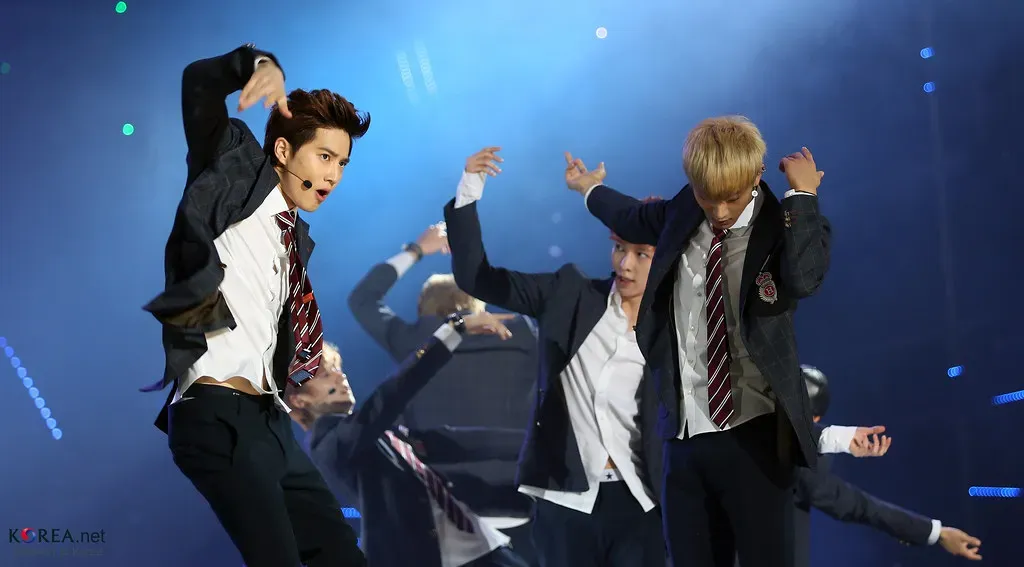
Something remarkable happened in the music industry. For decades, the conventional wisdom was that non-English songs couldn’t succeed in Western markets. K-pop shattered that assumption completely. BTS topped Billboard charts with songs primarily in Korean. BLACKPINK collaborates with Western artists while maintaining Korean lyrics. Fans worldwide sing along phonetically, learning Korean phrases and cultural references.
This shift represents something bigger than music. It signals a changing global culture where English dominance is no longer absolute. Streaming platforms and social media have democratized music distribution in ways radio never could. A teenager in Nevada can discover a Korean artist as easily as one from Nashville. Geographic and linguistic boundaries matter less when algorithms and fan communities drive discovery.
The impact extends beyond entertainment. Korean language classes have seen enrollment surges globally. Universities report increased interest in Korean studies programs. The Korean alphabet, Hangul, has become recognizable to millions who can’t actually read it. Music has become an informal cultural ambassador, creating soft power that governments spend billions trying to achieve through traditional means.
The Las Vegas K-Pop Connection Strengthens
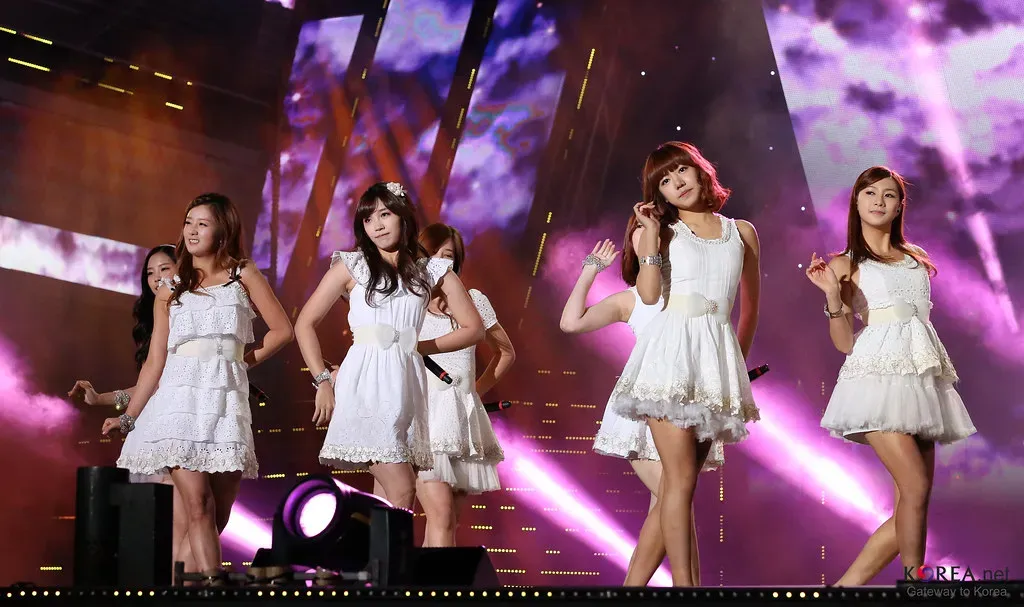
Las Vegas has embraced K-pop more enthusiastically than many might expect. The city’s entertainment infrastructure, built for spectacle and performance, proves perfect for K-pop’s elaborate stage productions. Major acts regularly include Vegas on world tours, and those concerts have become events unto themselves. Fans travel from across North America, turning concert weekends into mini conventions.
Local businesses have caught on. Korean restaurants near the Strip report increased traffic before and after concerts. Hotels create K-pop themed packages. Some casinos have even experimented with K-pop themed slot machines and promotional events. It’s a natural fit between Vegas’s entertainment culture and K-pop’s visual excess and fan dedication.
The city has also seen growth in K-pop dance studios and cover dance competitions. These events draw participants from throughout the Southwest, creating a regional hub for K-pop culture. What started as niche interest has become a legitimate entertainment sector that Vegas businesses actively cultivate. The economic impact, while difficult to quantify precisely, is definitely significant and growing.
Mental Health and Industry Pressure

The glamorous surface hides serious issues. Several high-profile K-pop stars have tragically died by suicide in recent years, sparking overdue conversations about mental health in the industry. The pressure to maintain perfect public images, combined with grueling schedules and lack of privacy, creates an environment where mental health struggles often go unaddressed.
K-pop idols face intense scrutiny over everything from their weight to their dating lives. Online bullying is rampant. Contracts often include clauses that severely limit personal freedom. The “slave contracts” controversy, where artists are bound to companies for extended periods with limited compensation, has led to legal reforms, though problems persist.
Some companies have started implementing mental health support and more reasonable schedules. Fan communities have become more vocal about protecting their favorite artists’ wellbeing. Still, the fundamental tension between commercial demands and human limits remains unresolved. The industry’s future success may depend on finding sustainable models that don’t sacrifice performers’ mental and physical health.
Technology and Innovation Keep Pushing Boundaries
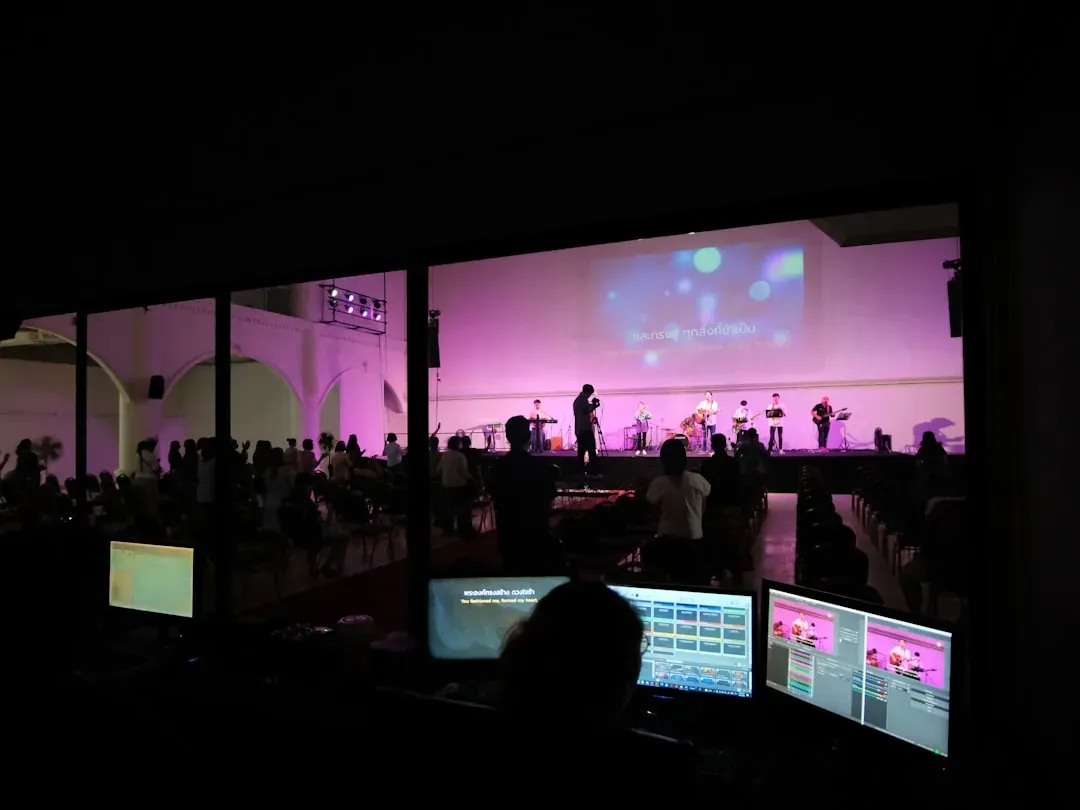
K-pop embraces technology in ways that consistently surprise. Virtual concerts using AR and VR technology became normalized long before Western artists experimented with them. K-pop companies invested in AI and hologram technology to extend performers’ reach and create new types of fan experiences. Some groups now include virtual members, blending real and digital performers.
The industry also pioneered sophisticated data analytics to understand fan behavior and preferences. Entertainment companies track everything from social media engagement to merchandise sales patterns, using that data to refine marketing strategies and content creation. It’s music production meets tech startup culture, and the results speak for themselves.
NFTs and blockchain technology have also found early adoption in K-pop. Some groups release limited digital collectibles, creating new revenue streams and fan engagement opportunities. While the long-term viability of these technologies remains uncertain, K-pop’s willingness to experiment keeps it at the forefront of entertainment innovation.
Conclusion
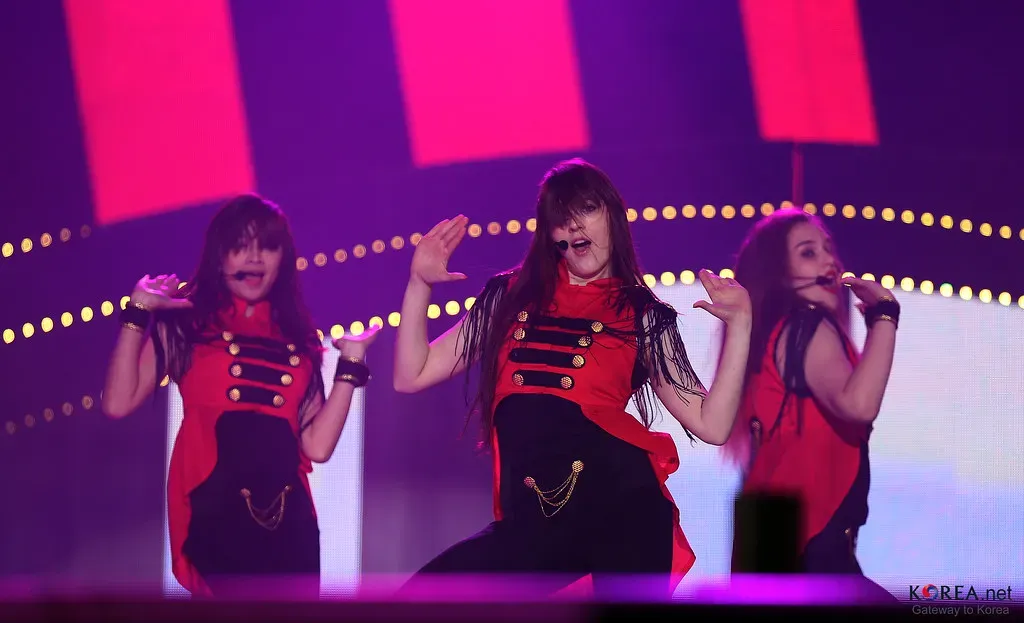
K-pop has grown from a regional music genre into a global cultural force that influences fashion, beauty, technology, business, and social connection. It’s reshaped how we think about music marketing, fan engagement, and cultural exchange in the digital age. The economic impact reaches billions of dollars annually, and the cultural influence touches hundreds of millions of people worldwide.
Las Vegas, with its entertainment culture and international audience, has become an important node in K-pop’s global network. The city’s embrace of this phenomenon reflects broader changes in American popular culture and the increasing influence of Asian entertainment on Western markets. What happens next will depend on whether the industry can address its serious problems while maintaining the qualities that made it irresistible to fans worldwide.
Did you ever imagine a music genre could reshape global culture so dramatically? What aspects of K-pop’s rise surprise you most?