
There is something genuinely surprising about Las Vegas as a retirement destination. Most people picture it as a city built entirely for the short visit, a place you arrive at on a Friday and leave slightly poorer and a little dazed by Sunday. Retiring in Las Vegas offers a lifestyle that looks very different from what most visitors experience. Beyond the Strip, the city is made up of established neighborhoods, master-planned communities, and residential areas designed for everyday living. The city’s reputation and its reality, for those who actually live there, rarely line up. Around fifteen and a half percent of Las Vegas city residents are aged 65 and older, a share that is slightly below the national average but growing rapidly. That growth tells you something. People are arriving, and they’re staying. What draws them, and what makes some of them reconsider, is worth understanding in full before making any move.
The Tax Picture: A Real and Meaningful Advantage


For retirees living on a fixed income, every dollar kept matters. Nevada does not tax personal income. This includes Social Security, pensions, and retirement account withdrawals. You get to keep more of your money, which helps your savings last longer. For someone moving from a high-tax state like California, the difference can be substantial and immediate.
Nevada is considered a tax-friendly state, which benefits retirees on fixed incomes who need to make the most of their dollars. Like most states, Nevada exempts prescription drugs from sales tax. The state also charges a reasonable 4.6% sales tax, which is lower than neighboring California. Analysts estimate that the tourism industry’s contributions reduce the tax burden on each Nevada household by approximately $3,000 per year. That is not a trivial sum, and it reflects just how much of Nevada’s government is actually funded by visitors rather than residents.
Housing Costs: Attractive, But No Longer a Bargain

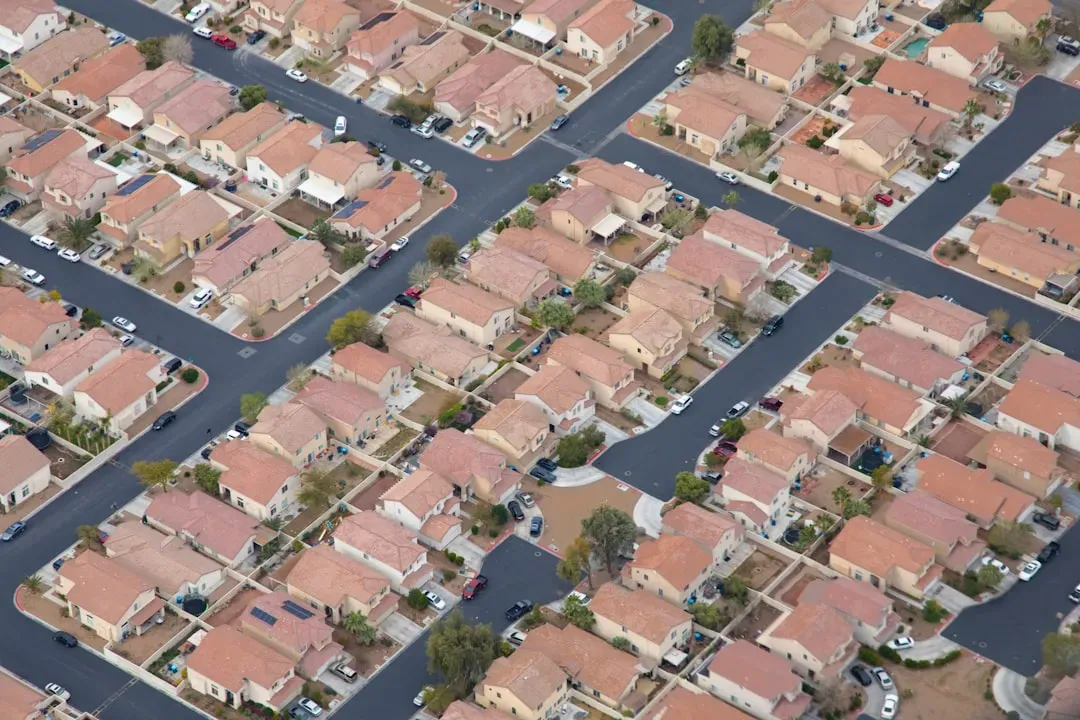
Las Vegas housing was once considered a genuine steal compared to coastal markets, and it still is when you compare it to California or the Pacific Northwest. The median home price in Las Vegas reached approximately $430,000 in 2024, reflecting steady growth in housing demand that shows little sign of slowing. The outlook has not indicated much relief in the housing market, with high construction costs and interest rates having slowed new home builds. Labor shortages and limited buildable land restrict new development.
Around eighty percent of Nevada’s land is federally owned, making expansion difficult. Builders are focusing on luxury homes and multi-family units, which means single-story homes suited for retirees are harder to find. That last point is especially relevant for older buyers who need accessible floor plans. On average, listings in 55+ communities in the Las Vegas area stay on the market for around 55 days, with the average price of homes for sale in these communities sitting at approximately $518,829, though prices can range widely based on the size, location, and amenities of the communities.
The 55-Plus Community Scene: Genuinely Impressive


One area where Las Vegas clearly earns its reputation as a retirement destination is the quality and variety of its age-restricted communities. Las Vegas has become one of America’s top retirement destinations, with over a dozen active adult communities offering resort-style living, no state income tax, and more than 300 days of sunshine. The best 55+ communities in the Las Vegas valley include Sun City Summerlin, Sun City Anthem, Siena at Summerlin, Sun City Aliante, and Trilogy at Summerlin. Each offers different price points, amenities, and lifestyles.
Sun City Summerlin is the largest and most established 55+ community in Las Vegas with over 7,700 homes. Built by Del Webb starting in 1989, the community offers three golf courses, four recreation centers, and an extensive calendar of clubs and activities. The location provides easy access to Red Rock Canyon for hiking and Downtown Summerlin for shopping and dining. Residents at Sun City Aliante, for example, enjoy more than 40 special interest groups and clubs, including an art workshop, a bowling league, and a Seniors Assisting Seniors program. The social infrastructure alone is something many smaller retirement towns simply cannot match.
Entertainment and Recreation: The Obvious Upside


Las Vegas is home to some of the best entertainment and dining in the world. From concerts and shows to gourmet restaurants, you’ll never run out of things to do. The Strip offers luxury, while downtown Las Vegas provides a more laid-back, artsy vibe. Many casinos and venues offer discounts for locals, including seniors, ensuring fun doesn’t break the bank.
For nature lovers, destinations like Red Rock Canyon and Lake Mead are nearby. The blend of indoor and outdoor activities ensures there’s always something on the agenda, no matter the preference. This dynamic mix promises an active retirement, filled with a balance of relaxation and exhilaration. Las Vegas’s abundant sunshine and overall pleasant climate mean you can enjoy your favorite outdoor activities all year long, whether you want to get out and golf or go hiking. When it comes to golf, you can choose from more than 50 golf courses all within a 40-minute drive of the Las Vegas Strip. That range is genuinely rare in any single metropolitan area.
The Heat: Not Just Uncomfortable, Potentially Dangerous


No honest assessment of retiring in Las Vegas skips this part. After Phoenix and Yuma in Arizona, Las Vegas is the third-hottest city in the US, with a record-high temperature of 120°F during the 2024 heatwave. Located in the heart of the Mojave, the city features temperatures between 38°F and 105°F throughout the year. The hottest period lasts from around early June to mid-September, with an average daily high above 95°F. This may be unbearable even for fit young adults, let alone seniors with potential health conditions.
Partner offer

From June to August, temperatures often rise above 110°F. The heat can be intense and dangerous for some people, especially those with health issues. Many residents stay indoors during these months or rely heavily on air conditioning. Extreme heat led to record-breaking electric bills in 2024, with some households paying over $400 per month just to keep their homes cool. That is an ongoing operational cost that retirees on a fixed budget need to factor in carefully from the start.
Healthcare Access: A Real and Documented Gap
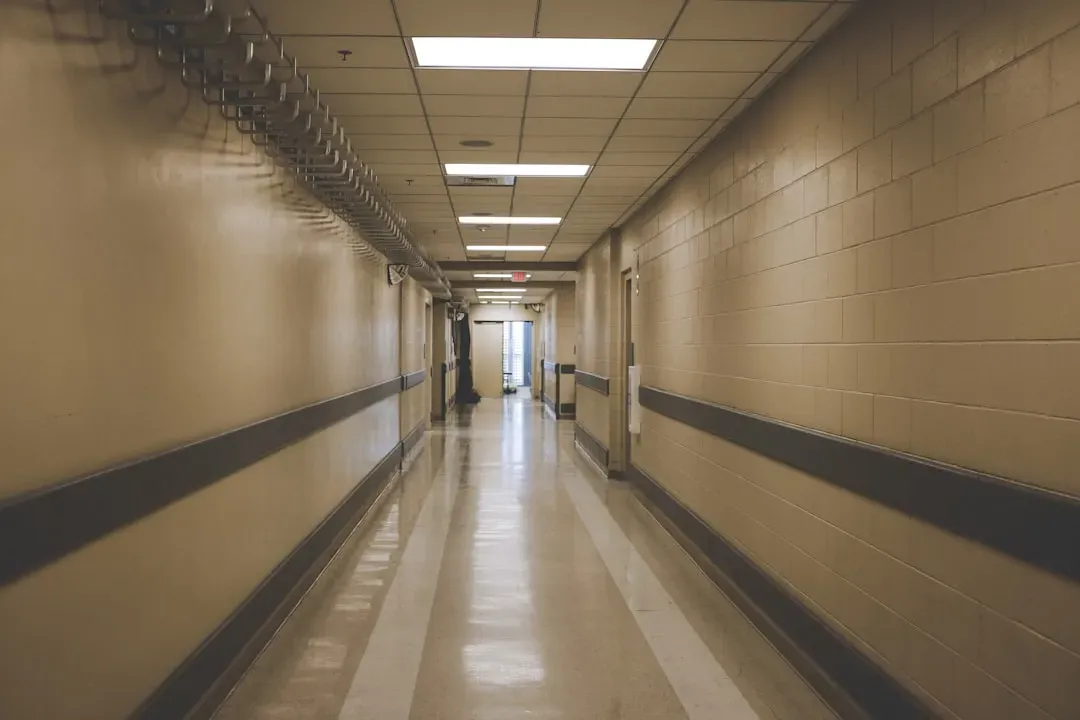
This is where the Las Vegas picture becomes genuinely complicated. Every county in Nevada is experiencing a shortage of medical professionals, and in 2024, Nevada was ranked 45th in the nation with regard to the availability of physicians per 100,000 residents. For a state that houses millions of people and one of the world’s busiest cities, that ranking is jarring.
Out of the 50 states in America, Nevada is currently ranked 48th for the number of primary care doctors available per 100,000 Nevadans, and 49th for the number of general surgeons. The state needs an additional 2,561 physicians in its healthcare workforce just to meet the country’s standards. Recent reports have suggested that the state needs 540 additional surgeons, 1,038 physicians in medical specialties, and many more physicians from other fields. Las Vegas continues to grow its healthcare system, but access depends on your location and insurance plan. In some areas, finding a specialist may take time. Long-term care and advanced treatments may require travel to another part of town. For retirees managing chronic conditions, this is a factor that cannot be glossed over.
Crime, Noise, and the Tourist Crowd


Living near one of the world’s most visited entertainment corridors has practical downsides that rarely make it into the retirement brochures. Property crime is very frequent in Las Vegas, with a rate of 43.4 compared to the U.S. average of 35.4. That is another negative factor to keep in mind when considering Las Vegas as a retirement option. Crime rates tend to be highest in tourist-heavy zones near the Strip, while suburban areas like Henderson and Summerlin generally fare better.
The Strip and nearby areas attract millions of visitors each year. That brings noise, crowds, and traffic, especially on weekends and holidays. If you live near tourist spots, this can affect your daily routine. Las Vegas is actually one of the noisiest cities in the US, with many restaurants labeled too loud to hold a conversation. Roughly a quarter of restaurants in Las Vegas may cause hearing damage at peak time. Retirees who choose to live in the more suburban parts of the valley largely sidestep this issue, but proximity to the Strip comes with a genuine environmental cost.
Economic Volatility: The Risk Behind the Neon

In 2024, the tourism industry’s total economic impact was estimated at $98 billion, roughly 37% of the state’s gross domestic product when including direct, indirect, and induced effects. This translates into a major share of GDP, a huge employment base, and substantial tax revenues that fund public services. That scale is impressive, but it also tells you how exposed the city’s economy is when visitors stop coming.
Las Vegas saw its unemployment rate climb to 5.2% in December 2025, ranking second-highest among major U.S. metro areas. This highlights the growing economic strain the city is enduring, largely due to a sustained slump in tourism. Visitor numbers fell by 7.5% to 38.5 million in 2025. The outlook for the tourism and gaming sectors remains uncertain, given ongoing economic challenges across the country. A potential slowdown in the national economy could impact demand for Las Vegas’ tourism and gambling sectors, which rely heavily on economic stability across the country. For retirees whose daily costs are partly shaped by local service prices, utility rates, and HOA budgets, a city heavily dependent on one industry carries risks that are worth acknowledging plainly.
Conclusion: The City Rewards Careful Choices

Retiring near the Strip is not one decision. It is actually many smaller ones, about which neighborhood, which community, how close you want to be to entertainment, and how prepared you are for the summer months. The tax benefits are real. The lifestyle options are wide. The 55-plus communities are among the best-equipped in the country. Those are genuine advantages, not marketing spin.
The tradeoffs, though, are equally real. Healthcare access is strained, heat is intense and costly, and a city economy built almost entirely on visitors is inherently more volatile than one with a diversified base. The retirees who thrive here tend to be those who planned for the specifics, not the ones who arrived expecting a permanent vacation. Las Vegas can be a very good place to grow older. It just demands the same thing it always has from people who come here: know what you’re getting into before you commit.
Partner offer
Planning a trip to Vegas?
Compare hotel rates and show tickets on VEGAS.com.