


Turn on almost any major pop or R&B record from the last seventy years and you’ll likely hear it without realizing: the ornamental vocal runs, the call-and-response phrasing, the way a singer seems to plead with a song rather than just perform it. These are not pop inventions. They came from the pew, from the choir loft, from Sunday mornings in Pentecostal and Baptist churches across the American South and its northern cities. The connection is not metaphorical. It’s structural, historical, and surprisingly direct.
What makes this story remarkable is how invisible the thread can become once it reaches mainstream radio. Audiences who hear Aretha Franklin demand respect or Ray Charles confess his loneliness rarely think of church. Yet nearly every technique these singers employed, every slide up a note, every deliberate pause before releasing a phrase, traces back to a gospel tradition that was generations old before either of them picked up a microphone.
Where the Sound Began: The Foundations of Black Gospel Music


Gospel music first emerged from the fusion of West African musical traditions, the experiences of slavery, Christian practices, and the hardships associated with life in the American South. It wasn’t a tidy, academic genre with defined rules. It was urgent, communal, and emotionally raw in a way that formal church hymns simply couldn’t match.
Over time, as the influence of the African-American church grew and the Great Migration transported thousands of African Americans from the South to America’s northern industrial cities, the influence of this musical genre expanded well beyond the religious realm, directly affecting the world of secular music. Cities like Chicago, Detroit, and New York became new crucibles where gospel met jazz, blues, and eventually soul and rock and roll.
The Vocal Techniques That Crossed Every Border

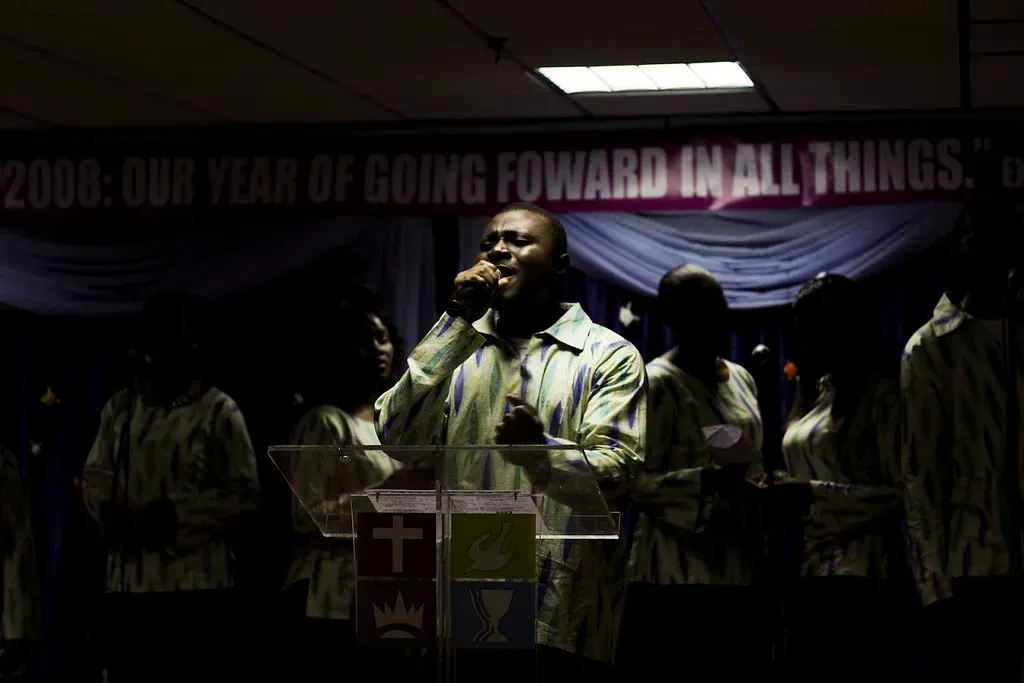
Gospel singers employed rich vocal techniques like melisma and call-and-response, and their lyrics, filled with hope and perseverance, resonated within R&B tracks, with songs often exploring themes of love, struggle, and faith that linked back to gospel roots. These weren’t stylistic choices copied from gospel. They were inherited wholesale, because so many secular artists had literally learned to sing in church.
As one music historian explains, inherent to the Black gospel tradition is the trading of lines between preacher and congregation, the call-and-response, a regimented structure that is the living likeness of spontaneity. That spontaneous energy, that feeling of a song about to break loose from its own structure, became the defining thrill of soul, rock, and eventually pop music. It didn’t arrive by accident.
Aretha Franklin: A Preacher’s Daughter Who Never Left the Church

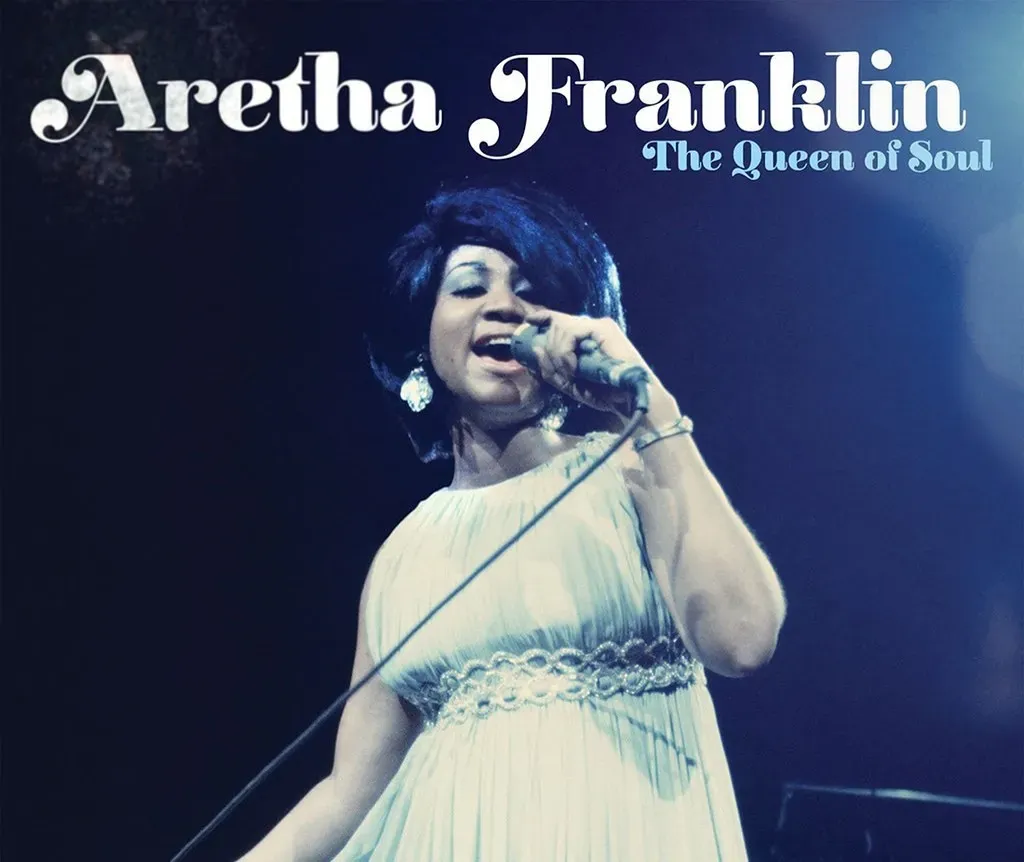
After singing in the gospel choir at the New Bethel Baptist Church in Detroit, Michigan, where her father C. L. Franklin was a minister, Franklin signed with Columbia Records at the age of 18. Even as her secular career exploded, she never really separated herself from that foundation. Her phrasing, her dynamics, her almost frightening command of a room, all of it was formed in that church.
Aretha Franklin was just 14 when she recorded the 1956 album Songs of Faith at the New Bethel Baptist Church. Before crossing over into mainstream entertainment, she was a talented gospel singer, and her voice was able to cope with the demands of the high and powerful notes needed to become one of the best gospel singers on record. By the end of her career, she had over 100 charted Billboard singles, and she was inducted into the Gospel Music Hall of Fame in 2012.
Sam Cooke: The First Great Gospel Star to Go Secular


Ray Charles stepped up and sang at Sam Cooke’s funeral in Los Angeles, which was appropriate since Cooke was the first and biggest gospel star to cross over into secular music. If any single person could be credited with defining soul music, it would be Cooke. His transition was not merely a career move. It was a cultural rupture that sent shockwaves through both the gospel and pop worlds simultaneously.
He learned his trade as a boy singing with the gospel group The Highway QCs, but he really made his name with The Soul Stirrers, with whom he recorded gems such as “Touch The Hem Of His Garment.” Cooke’s smooth and soulful voice suited narrative gospel songs, some of which he wrote. His 1957 release “You Send Me” hit number one on both the rhythm and blues and pop charts, and he went on to notch 29 top 40 hits on the pop chart alone.
Sister Rosetta Tharpe: The Woman Who Taught Rock and Roll to Play

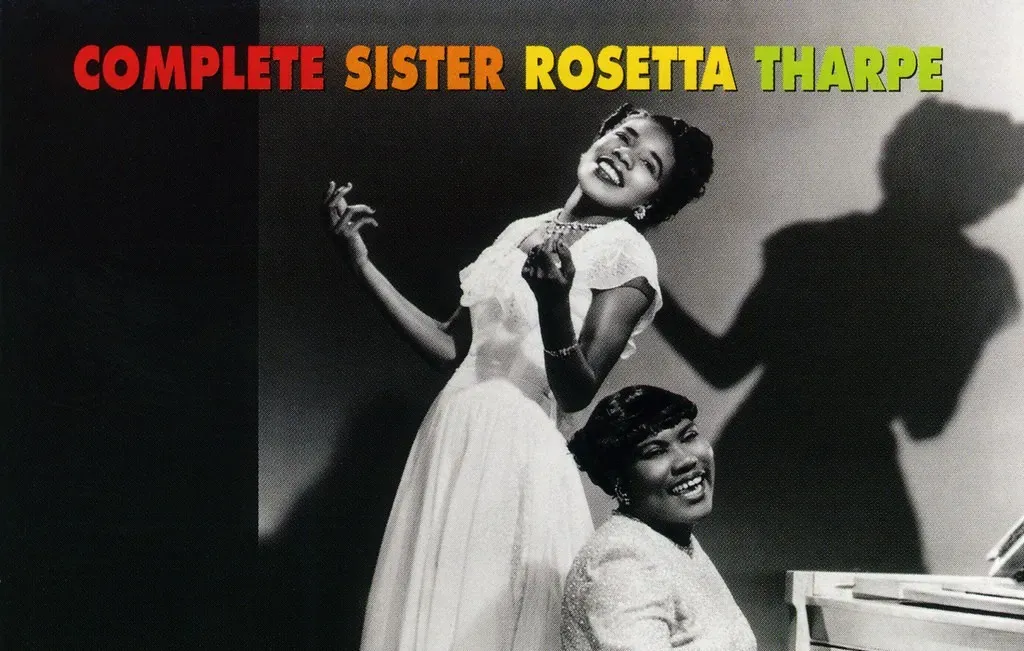
Sister Rosetta Tharpe is considered “The Godmother of Rock and Roll” for her contribution to the creation of rock as a guitar-playing gospel star from the 1930s to the 1960s, with Elvis Presley, Jerry Lee Lewis, Johnny Cash, Little Richard, and Chuck Berry citing her as an inspiration. She didn’t simply influence rock. In many meaningful ways, she invented it, while most people in the mainstream had no idea who she was.
She picked up the electric guitar relatively early in its invention and figured out a way to give the instrument a voice, separate and distinct but complementary to the singer’s voice, working two voices at the same time and taking an aesthetic that came from the church where call and response is so important. That style had a profound influence on musicians ranging from Chuck Berry to Elvis Presley to Bob Dylan and every rock guitarist since then. She was among the first popular recording artists to use heavy distortion on her electric guitar, opening the way to the rise of electric blues.
Ray Charles and the Sacred Turned Secular

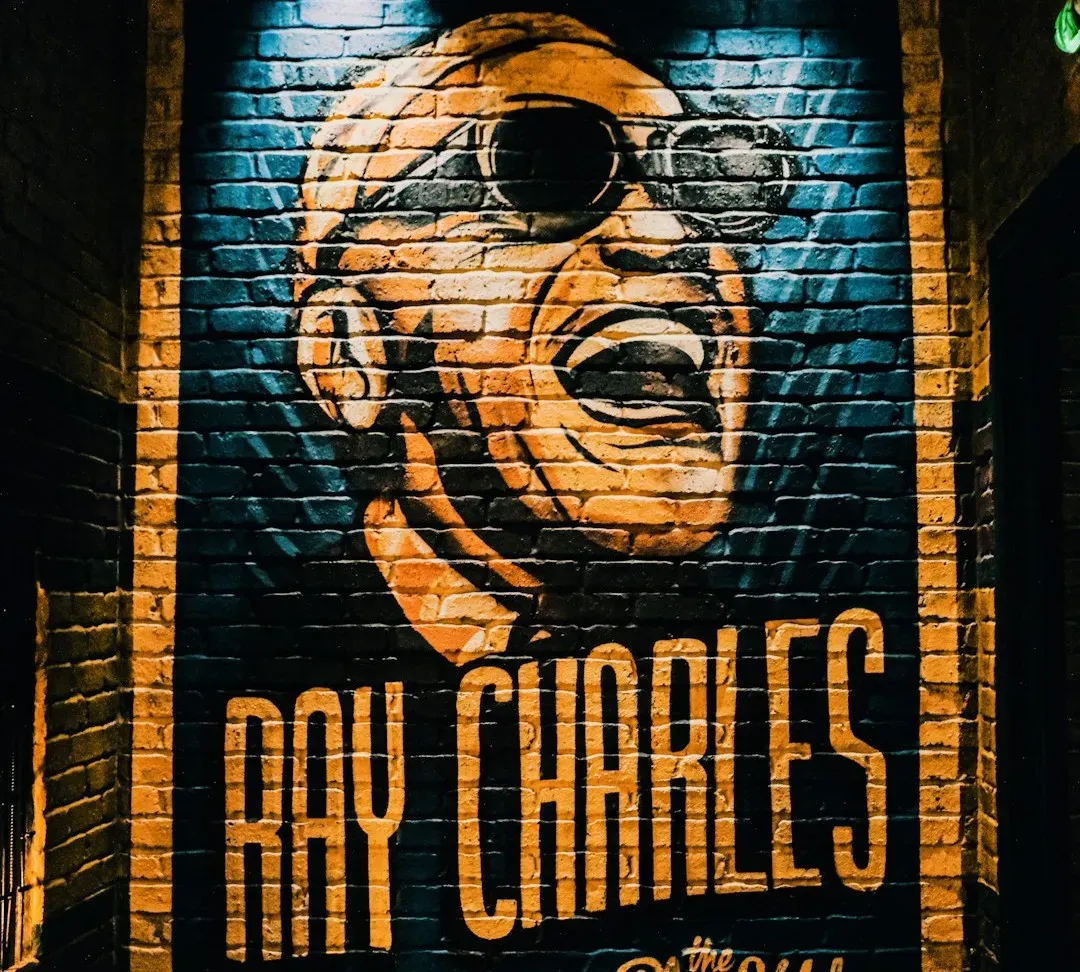
Ray Charles’ gospel influences are well known, and Charles lifted the Southern Tones’ “It Must Be Jesus” for his massive secular hit “I Got a Woman.” That kind of direct transplant, taking a gospel melody, swapping the divine subject for a romantic one, was not plagiarism so much as tradition. In some cases, a mere change of lyrics could transform a gospel song into a successful work of pop, wherein the worshipped God became the prosaic object of worldly affection.
Blues shouters transferred to secular songs the exhorting, impassioned vocal style of African-American Southern Baptist preachers, as well as Black gospel music traditions, including hand claps, the rhythmic pattern of the backbeat, a call-and-response format between soloist and group of singers, improvisation, and spontaneous movement. Charles refined all of this into something that sounded effortlessly modern, but its raw material was ancient.
Elvis Presley and the Sound He Absorbed from the Black Church

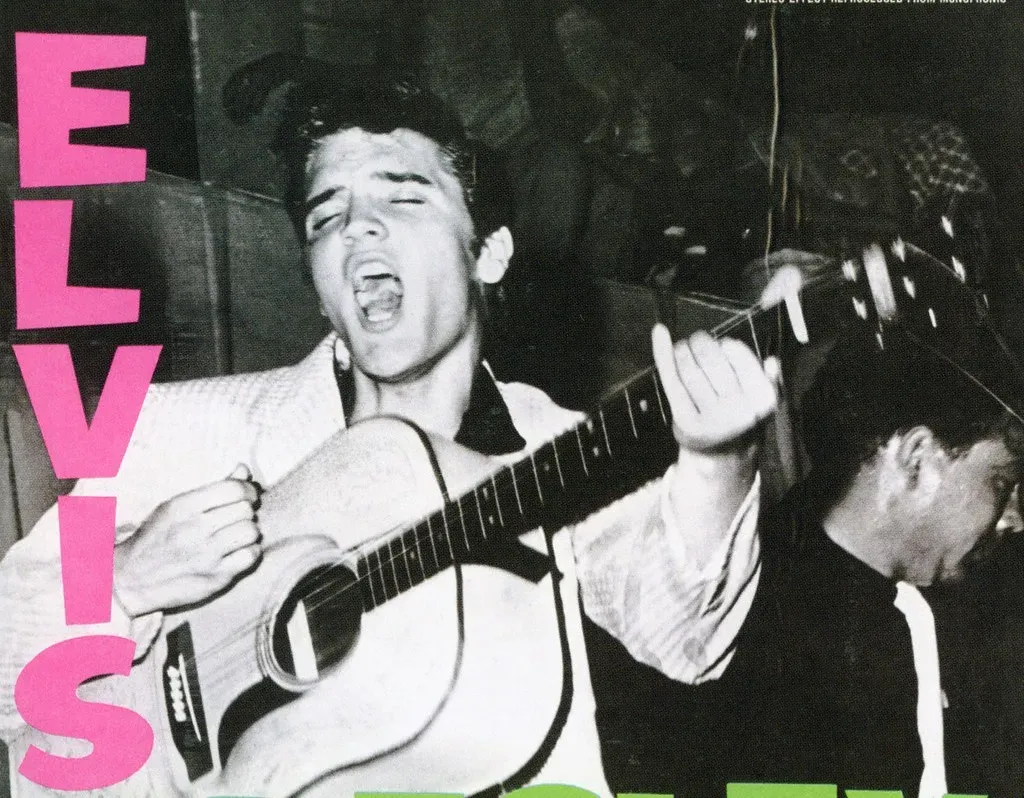
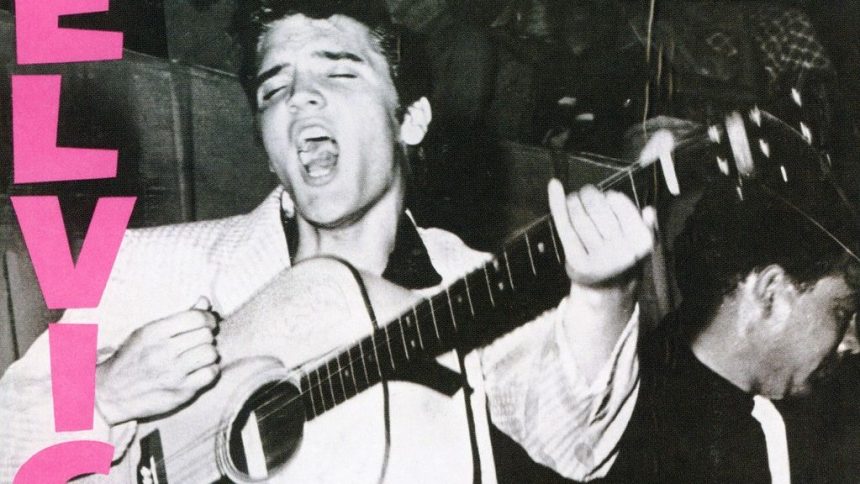
The story of Elvis Presley’s Memphis roots includes his listening to Black gospel groups, and gospel’s relationship with Martin Luther King Jr. and the Civil Rights Movement. Presley grew up in Tupelo, Mississippi, attending Pentecostal services and absorbing sounds that most white American audiences had never encountered. Elvis Presley, Jerry Lee Lewis, and Little Richard were rock and roll pioneers with a religious background, and like other artists, these pioneers were stylistically influenced by gospel, which contributed to their music.
Elvis Presley was the only artist to have number one hits in gospel, country, rhythm and blues, and rock and roll. That breadth is not coincidence. It reflects a musical education that began in the church and never fully departed. For all of his success as a rock and roll singer, he only received Grammy Awards for his gospel recordings. The music industry’s own recognition system eventually pointed back to the source.
Whitney Houston: Born Into Gospel Royalty

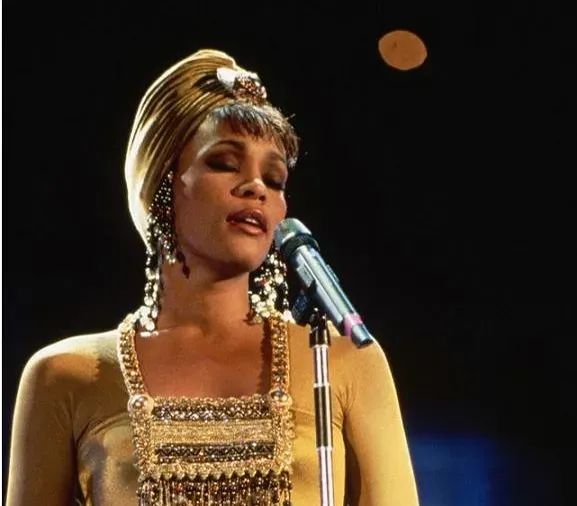
Whitney Houston had a rich history of gospel singers in her family. Her mother, Cissy Houston, a Grammy Award-winning vocalist, sang in her family gospel group, The Drinkard Singers. At age five, Whitney joined the New Hope Baptist Church in Newark, New Jersey, and her first solo performance came at age 12, singing the hymn “Guide Me, O Thou Great Jehovah.” She went on to become one of the best-selling music artists of all time and throughout her career paid homage to her church roots, singing gospel songs live and on many of her albums.
Whitney Houston was born into musical royalty with the church playing a major part in her upbringing. Her mother, Cissy Houston, was part of the gospel-oriented group the Sweet Inspirations, known for their work with Franklin, and Dionne Warwick was a cousin. The vocal inheritance ran deep on every side of that family tree, and the result was a voice that could stop a room in ways that formal vocal training alone rarely explains.
Beyoncé: The Church Choir Graduate Who Became a Cultural Institution

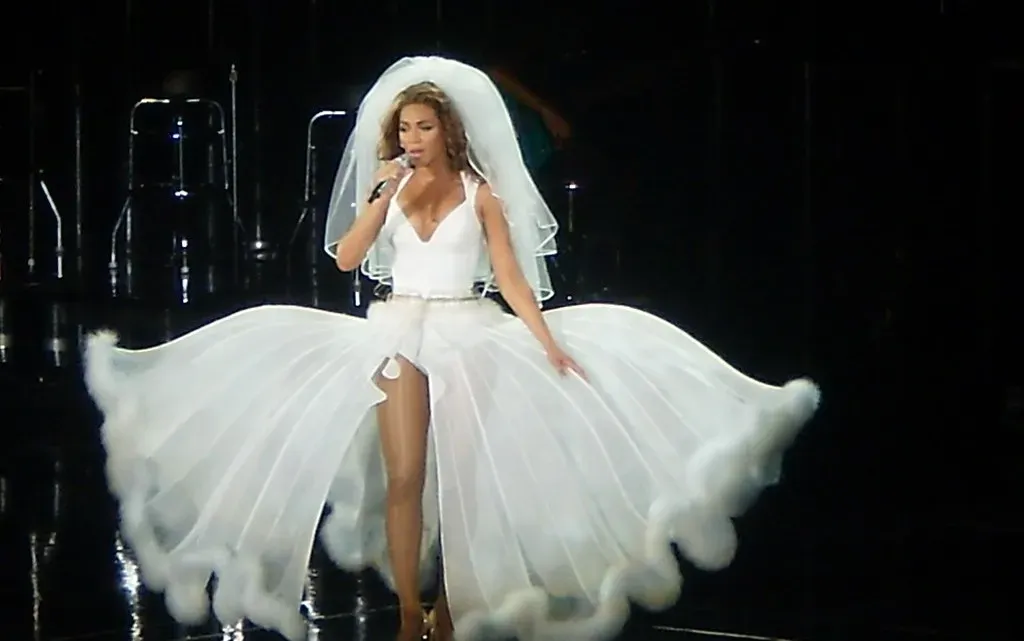
Beyoncé was raised in a Methodist household in Houston and sang in her church choir at St. John’s United Methodist, giving her upbringing firmly Christian roots. Her gospel education is audible across her catalog, most clearly in how she uses her voice as a percussive and emotional instrument simultaneously, a technique that has its clearest antecedent in Sunday morning worship.
Her song “Church Girl” opens with a stirring organ melody that immediately sets a reverent tone, and it samples “Center Thy Will” by the Clark Sisters, adding another layer of depth and homage to the gospel roots of the track, its transformative nature and ability to transcend boundaries. By combining the soulful essence of gospel with the contemporary sounds of R&B, Beyoncé creates a sonic experience that appeals to a wide range of listeners, reaching audiences who may not typically engage with gospel music and introducing them to its power and significance.
The Architecture of Feeling: Why Gospel Shaped Everything

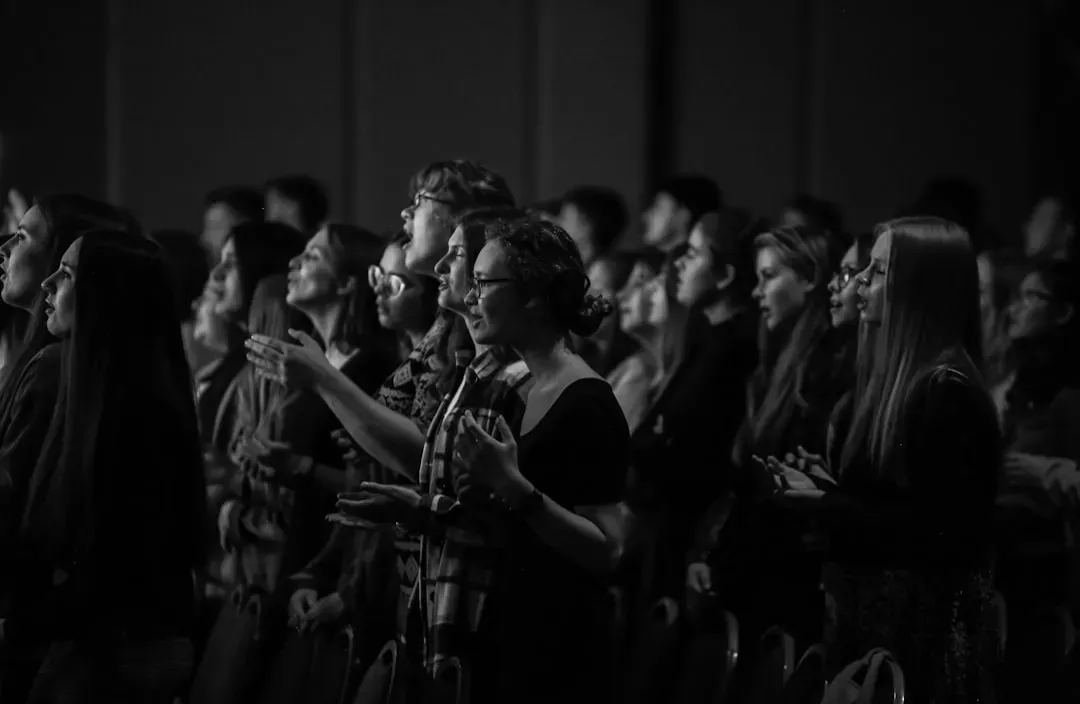
Many of the most prominent soul artists, including Wilson Pickett, Otis Redding, James Brown, Joe Tex, and Al Green, had roots in the church and gospel music, and the underlying virtues of soul and R&B taken from gospel are the direct emotional delivery, truth to a spirit, and the feeling within a song transmitted to the listener. That last part is crucial. Gospel didn’t just give pop music its technical vocabulary. It gave pop music its reason for existing.
The Black church has forever been home to some of the world’s best vocalists, and it has birthed generations of singers longing to be heard beyond the pews. Although some may call rhythm and blues secular, it has its roots in gospel music, and over the decades R&B has transcended far beyond its origins, but you can still hear the constant homage to the church in the instrumentation and vocal stylings. The sound traveled, adapted, and transformed, but it never fully lost the address of where it came from.


