


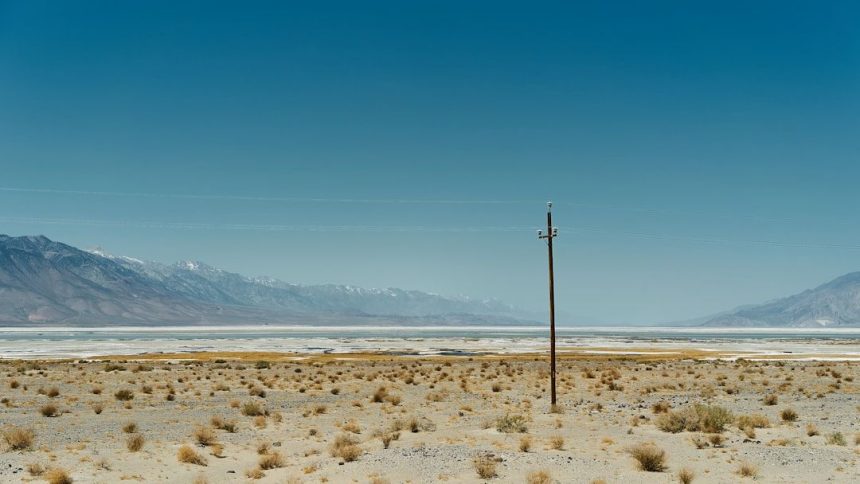
Most people picture Nevada as a land of desert heat, casino lights, and wide-open mountain ranges. Earthquakes rarely enter the conversation. Yet the ground beneath the Silver State is far more restless than its reputation suggests, and the evidence has been accumulating steadily, especially through 2026.
Nevada Ranks Third in Earthquake Activity Across the Entire Nation

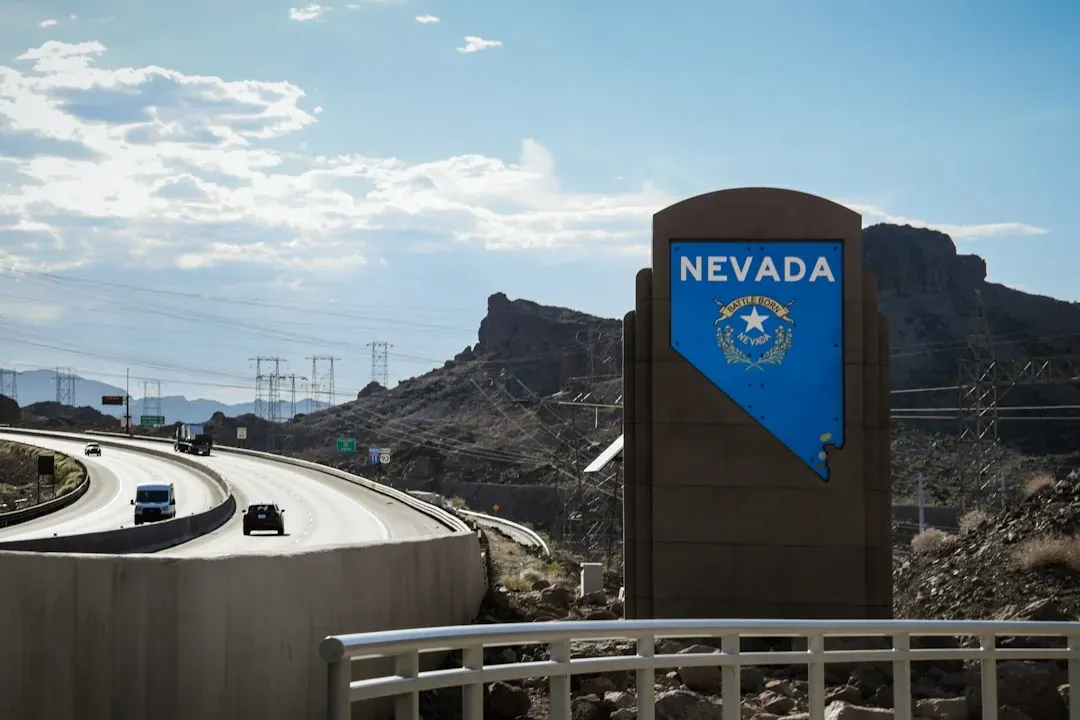
Nevada is the third most seismically active state in the United States, trailing only California and Alaska. That’s a striking fact for a state most people associate with arid landscapes rather than shaking ground. The state ranks among the top three most seismically active in the country, along with California and Alaska. The sheer volume of seismic events happening beneath Nevada every year is something most residents never fully register, partly because many of these quakes are small, scattered across remote terrain, and rarely make national headlines.
In 2026 alone, Nevada has recorded over 230 earthquakes of magnitude 2.5 or greater. That pace is consistent with what geologists have observed for decades. The state’s seismic history stretches back well before modern recordkeeping, and the geological record suggests it will continue long into the future.
The Basin and Range Province: Nevada’s Ground Is Literally Pulling Apart

Nevada experiences frequent seismic activity due to the Basin and Range Province, where the Earth’s crust is being stretched. This is not a passive or slow process in geological terms. The epicenter of recent seismic activity lies in the Basin and Range Province, a vast region stretching across much of the western United States, where the Earth’s crust has gradually stretched and thinned, creating frequent faulting and seismic activity.
Las Vegas sits in a region characterized by Basin and Range extensional tectonics, where normal faulting accommodates east-west crustal stretching at approximately 10 mm per year. Over time, that continuous pulling motion builds stress along fault lines, which eventually releases as earthquakes. This is the fundamental engine driving Nevada’s seismicity, and it operates whether residents are aware of it or not.
The Walker Lane: A Major Fault System Running Through the Heart of the State


Scientists say the seismic activity across western Nevada is centered in the Basin and Range Province, where the Earth’s crust is gradually stretching and thinning. The region also sits within the Walker Lane seismic zone, an active fault system known for frequent earthquake activity. The Walker Lane runs roughly parallel to the California-Nevada border and plays a significant but underappreciated role in Nevada’s seismic character.
The Walker Lane follows an approximately 60-mile-wide swath along the Eastern Sierras and the California-Nevada border, reaching from Death Valley in the south to north of the Honey Lake Valley region. The fault system accommodates roughly 20 percent of the right-lateral shear between the Pacific and North American plates. Decades of paleoseismic and tectonic studies have revealed dozens of faults throughout the Walker Lane, some with evidence of large prehistoric earthquakes that likely exceeded magnitude 7.0. These are not theoretical dangers. They are faults with a documented track record, even if the most recent major ruptures predate modern memory.
Reno and Carson City Sit Inside One of the State’s Highest-Risk Corridors

The chance of a damaging, magnitude 6 earthquake within 30 miles of any location in the Reno-Carson City-Tahoe urban corridor over the next 50 years ranges between 60 and 75 percent. That is not a minor or speculative figure. The area has the largest earthquake faults, some of the highest levels of recorded earthquake activity, and the highest slip rates and geodetically measured deformation in the state, all indicating a high earthquake hazard.
The seismic hazard of the Reno-Carson City urban corridor is clearly great, and a return of the level of earthquake activity that occurred in the latter half of the 19th century is a definite possibility. Because a return of such earthquake activity would cause far more damage today due to the vastly greater population and number of man-made structures, it would be prudent to be prepared. Population growth has multiplied what was once a manageable hazard into something far more consequential.
Las Vegas Is Surrounded by Faults, and the Dollar Figure Is Staggering

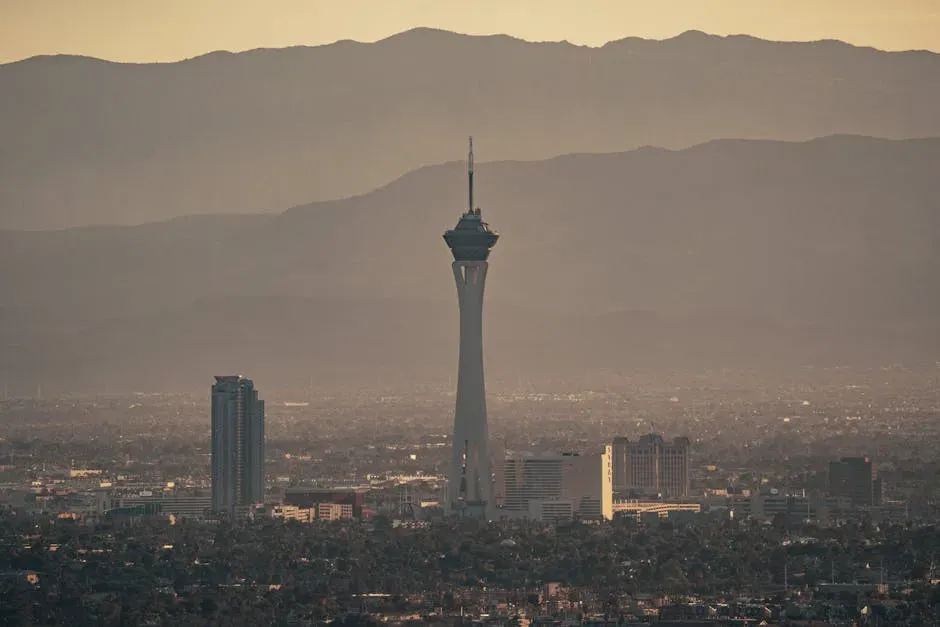
Perhaps less well-known is that Las Vegas is surrounded on all sides by faults, which might come as a surprise since a damaging earthquake hasn’t hit the city in its short modern history. The absence of a major event in living memory has created a false sense of security. The largest credible earthquake predicted for the Las Vegas area is a magnitude 6.8 event on the Frenchman Mountain Fault, which lies 15 km from downtown Las Vegas.
Partner offer

A hypothetical magnitude 7 earthquake near Las Vegas could cause about $21 billion in damage, ripping through vulnerable buildings and infrastructure, according to the Nevada Bureau of Mines and Geology. That number puts Nevada’s urban seismic risk in sharp perspective. The Reno-Carson City corridor has a higher hazard than the Las Vegas metropolitan area because the faults there have more frequent earthquakes; however, the risk is higher in the Las Vegas Valley because the area has more buildings and infrastructure that could be damaged.
Lake Tahoe Hides Active Faults Beneath Its Scenic Surface
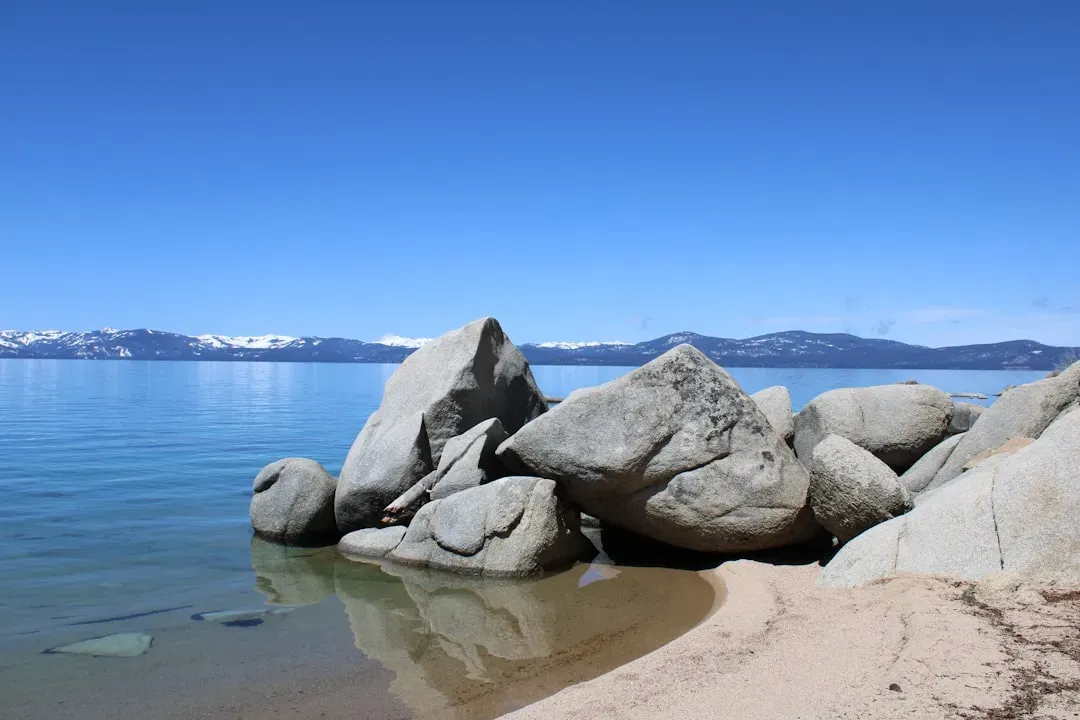
There are many fault systems that crisscross the California-Nevada border, and one area scientists worry about is the Lake Tahoe Basin. The lake’s beauty gives little indication of what lies beneath it. The Lake Tahoe basin has three active faults that cross the basin and lake floor, and these faults are among the most significant seismic sources in the region, with their most active portions in the deeper parts of the lake.
In addition to ground shaking and surface ruptures from earthquakes, the exceptional depth of Lake Tahoe creates the additional hazard of tsunamis. The hazard of even moderate earthquakes is greatly increased around Lake Tahoe because associated surface ruptures or triggered landslides may generate a tsunami wave that can impact the entire shoreline with inundation and permanent subsidence. The Tahoe Basin can see quakes that strong every few thousand years, scientists say – a reminder that geological timescales and human timescales don’t always align comfortably.
Old Buildings, Soft Ground, and Rapid Growth Quietly Amplify the Risk

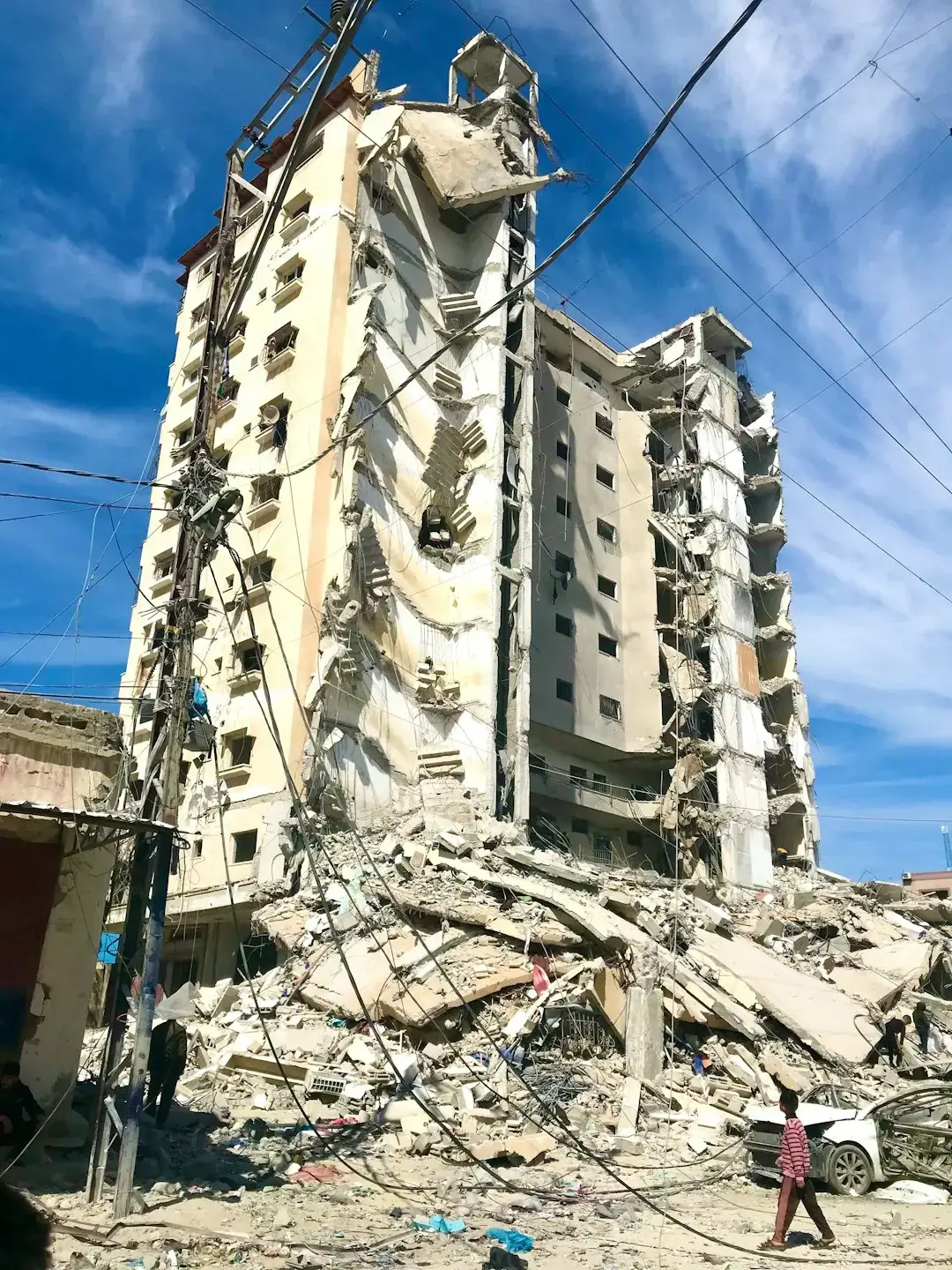
Among the vulnerabilities Nevada has are unreinforced brick buildings, and there could be tens of thousands of them across the state. Brick buildings are among the deadliest types of structures in an earthquake, as walls collapsing outward can kill people walking on a sidewalk and even crush cars and buses with deadly force. These structures are common in older downtown areas throughout Nevada’s cities and towns.
The Las Vegas Valley is bounded by hard bedrock and filled with softer sediments. The valley may shake like a bowl of gelatin, with the bowl being the bedrock and the gelatin being the soft sediments. It is possible for this condition to amplify earthquake waves, a phenomenon referred to as the basin effect. The community of Silver Springs is built on an old lake bed that amplifies shaking from an earthquake, and mobile homes there are two to five times more vulnerable in an earthquake than wood-frame houses. Rapid population growth across Nevada continues to place more people within reach of these hazards.
The Great Nevada ShakeOut: Practicing the Response Before It’s Needed
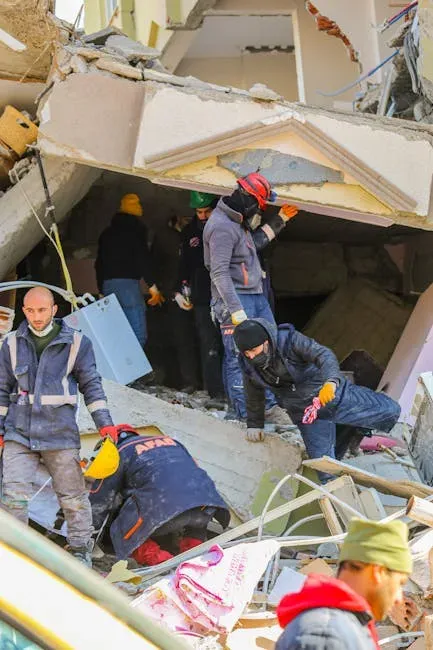
All Nevada System of Higher Education colleges and universities participated in the annual Great Nevada ShakeOut on October 16, 2025, at 10:16 AM. This statewide earthquake drill is part of a broader international effort to promote earthquake readiness and safety. The drill is practical in its simplicity: participants practice the “Drop, Cover, and Hold On” response, which research consistently shows reduces injuries when real shaking begins.
More than 630,000 Nevada residents participated in the Great Nevada ShakeOut drill, with Clark County accounting for the majority of participants at 505,000. The Nevada System of Higher Education alone engaged more than 145,000 students, faculty, and staff across its institutions, reinforcing earthquake preparedness and demonstrating the effectiveness of emergency response systems. Participation matters because the drill builds muscle memory. When the ground starts moving, people who have practiced tend to react faster and more safely than those who haven’t.
The Takeaway: Nevada’s Seismic Risk Is Real, Ongoing, and Manageable
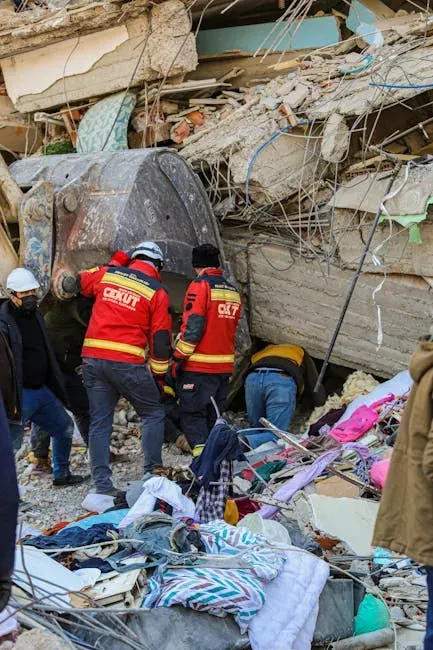
Earthquake swarms release local strain gradually and are common in western Nevada, which ranks among the most seismically active parts of the continental United States. The 2026 activity near Silver Springs, the tremors felt in Las Vegas from a quake near Alamo, and the ongoing seismic sequences across western Nevada are not anomalies. They are Nevada doing what Nevada does.
Residents should secure heavy furniture, create an emergency kit with supplies for 72 hours, develop a family communication plan, and practice the “Drop, Cover, and Hold On” response during earthquake drills. These steps cost little and can make a meaningful difference. Nevada’s earthquake hazard is not a distant or unlikely scenario. It is baked into the geology of the state itself.
The ground beneath Nevada has been moving for millions of years, and it will keep moving. The question isn’t whether a significant earthquake will eventually affect a Nevada city. It’s whether residents, planners, and builders will be ready when it does.Partner offer
Planning a trip to Vegas?
Compare hotel rates and show tickets on VEGAS.com.


