The Internet and World Wide Web
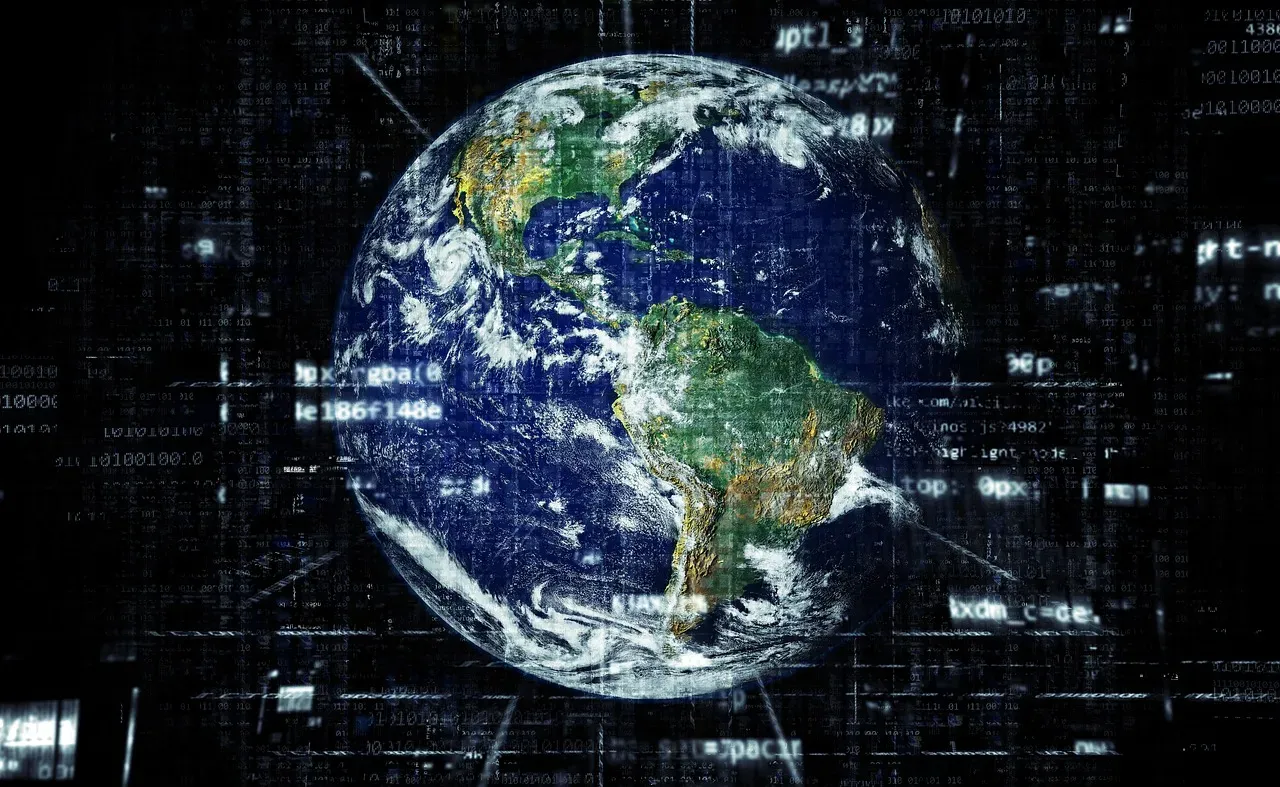
Globally, an estimated 6 billion people are using the Internet in 2025, representing three quarters of the world’s population. This massive reach explains why so many experts consider the web the single most influential invention of modern times. In 2024, the number stood at 5.8 billion users, showing how quickly digital connectivity continues to expand even in mature markets. The transformation has been staggering when you think about how we work, communicate, learn, and entertain ourselves now compared to life before widespread internet access.
The Smartphone

It’s hard to imagine a world without smartphones anymore. Over half of the global population, some 4.3 billion people, now owns a smartphone according to GSMA’s 2023 report. These pocket computers have fundamentally changed how we navigate cities, manage our finances, access healthcare, and stay connected with people across the globe. The ripple effects touch nearly every aspect of daily life, from how small businesses operate to how we capture and share memories.
GPS Navigation

A Commerce Department study estimates that GPS generated $1.4 trillion in U.S. economic benefits since the system became available in the 1980s. That’s a mind boggling figure for a technology many of us take completely for granted. A complete GPS outage would cost the economy $1 billion per day, underlining just how deeply this satellite navigation system has woven itself into transportation, agriculture, emergency services, and telecommunications. The precision timing alone keeps entire infrastructure networks synchronized.
Artificial Intelligence and Machine Learning
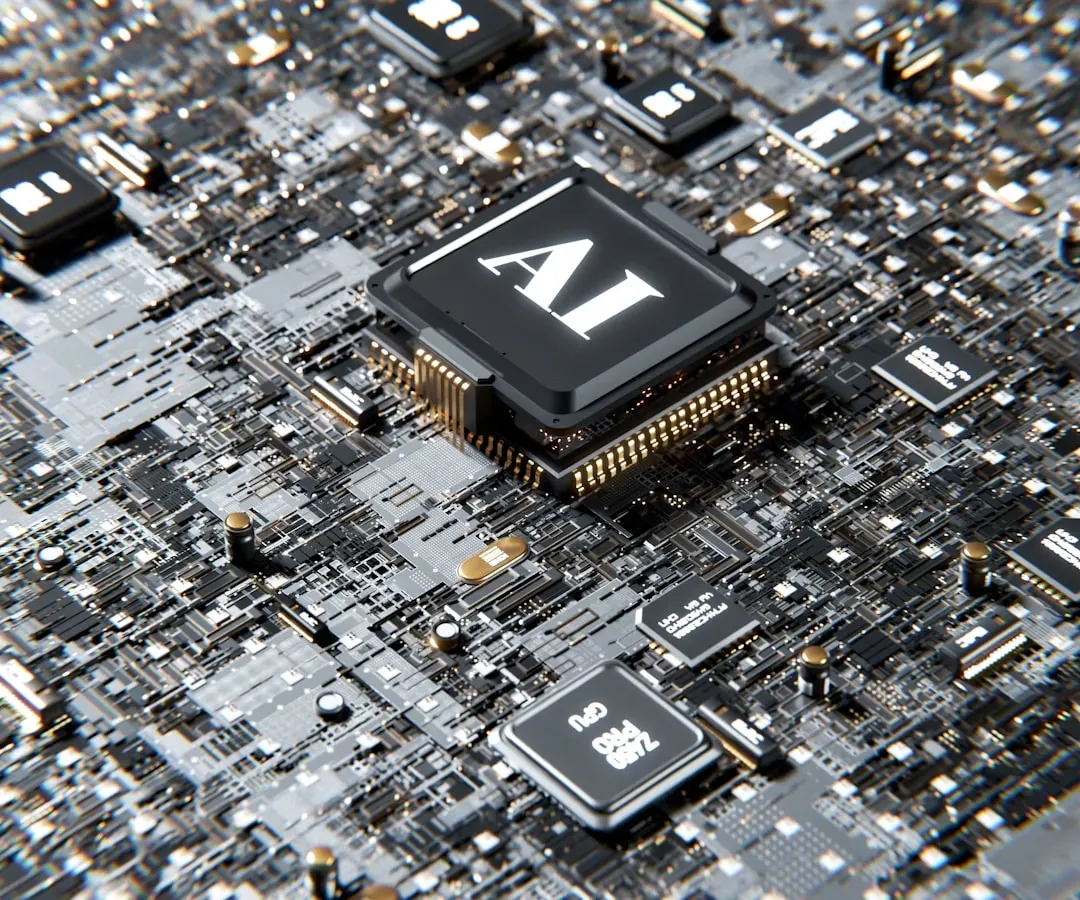
In the latest McKinsey Global Survey on AI, 65 percent of respondents report that their organizations are regularly using generative AI, nearly double the percentage from just ten months earlier. The explosion in AI adoption reveals how quickly this technology shifted from experimental curiosity to mainstream business tool. Companies are deploying machine learning for everything from customer service chatbots to predictive maintenance, and the pace shows no signs of slowing. Honestly, it’s one of those rare moments where the hype might actually match reality.
mRNA Vaccine Technology

Vaccine development was initiated after the SARS-CoV-2 genome was posted on January 10, 2020, with clinical trials material manufactured within 45 days, and the first trial participants vaccinated on March 16, 2020. That timeline is breathtaking compared to traditional vaccine development timelines. mRNA vaccines were initially anticipated to require 5 to 6 years to reach the market, yet following the coronavirus sequence disclosure in January 2020, it took less than 3 months to reach clinical trials. This platform’s speed and flexibility promise faster responses to future infectious disease threats well beyond COVID-19.
Renewable Energy Technologies
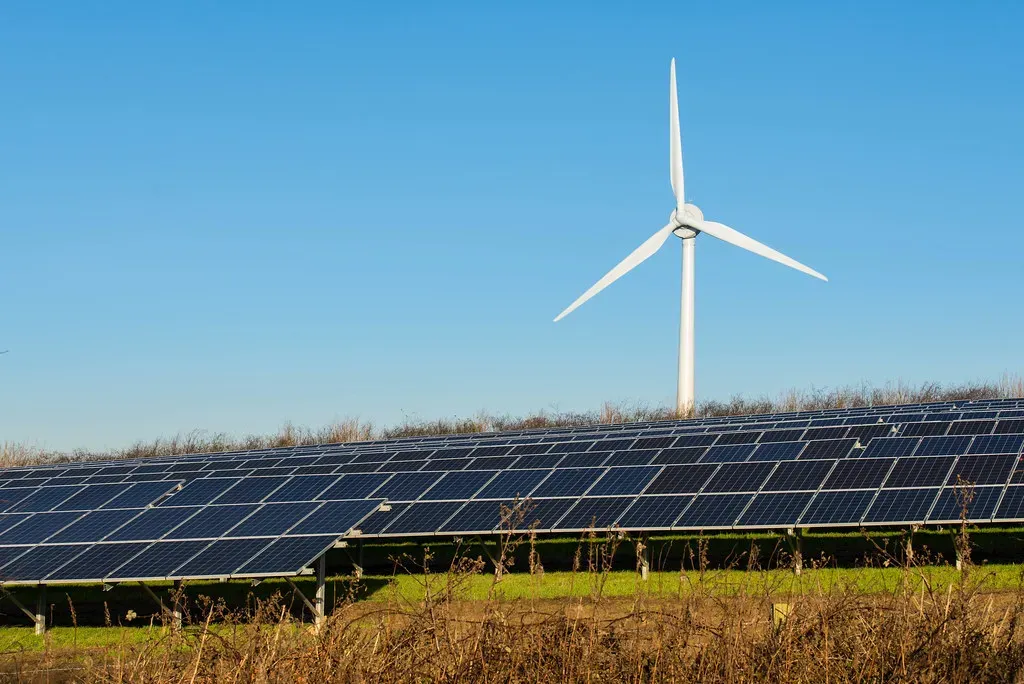
Solar panels and wind turbines have moved from fringe alternatives to mainstream power sources in less than two decades. The International Energy Agency reported in 2024 that solar and wind now account for over 30 percent of global electricity capacity growth, marking one of the most dramatic technological shifts in recent decades. This transformation is reshaping national energy strategies, reducing dependence on fossil fuels, and creating entirely new industries. The economics have fundamentally changed as manufacturing costs plummeted.
Cloud Computing

Remember when every company needed massive server rooms and IT departments just to keep email running? Gartner’s 2024 market forecast estimates global public cloud spending surpassed $600 billion, highlighting how cloud infrastructure has completely reshaped software delivery, data storage, and remote work capabilities. Businesses can now scale operations up or down almost instantly without investing in physical hardware. The pandemic proved just how essential this flexibility had become when entire workforces shifted home virtually overnight.
3D Printing and Additive Manufacturing
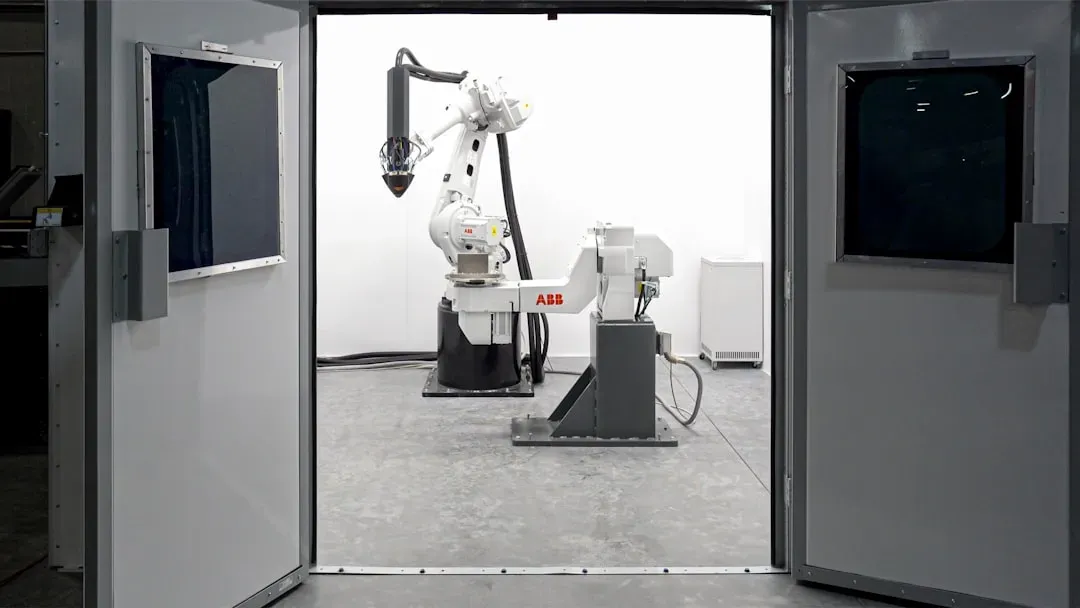
According to Wohlers Report 2024, the global additive manufacturing market exceeded $22 billion, with applications spreading across aerospace, healthcare implants, automotive parts, and rapid prototyping. What started as a novelty for making plastic prototypes now produces functional metal components for jet engines and custom medical implants tailored to individual patients. The technology is quietly revolutionizing supply chains by enabling on demand production closer to where products are needed. It’s particularly transformative for creating complex geometries that traditional manufacturing simply cannot achieve.
CRISPR Gene Editing Technology

The U.S. FDA approved the first CRISPR based therapy in late 2023, confirming gene editing as a transformative invention with real world medical applications for inherited diseases. This molecular tool allows scientists to edit DNA with unprecedented precision, opening possibilities that seemed like pure science fiction just a decade ago. The approval marked a watershed moment, transforming CRISPR from laboratory curiosity into legitimate medical treatment. The potential extends far beyond current applications, from eliminating genetic diseases to engineering more resilient crops.
Electric Vehicle Technology

The International Energy Agency reported in 2024 that global electric car sales exceeded 14 million vehicles, reflecting how advances in battery technology have accelerated the shift away from fossil fuel transportation. The transformation has been remarkably swift when you consider electric vehicles were essentially a curiosity a decade ago. Improvements in battery energy density, charging speed, and cost have made EVs genuinely competitive with traditional cars for the first time. The ripple effects touch everything from oil demand to electricity grid management, reshaping transportation infrastructure worldwide.