


Music has always been a battlefield. Competition fuels creativity, sparks innovation, and keeps audiences engaged in debates that outlast entire careers. Rivalries create legends out of ordinary moments, turning press conferences into cultural events and diss tracks into anthems. Sometimes these feuds are manufactured by managers and media outlets desperate for headlines. Other times, they’re deeply personal, fueled by ego, betrayal, or the simple fact that two brilliant artists can’t stand being in the same room. What’s undeniable is this: rivalries sell records, fill stadiums, and give us something to argue about for decades.
Let’s be real. The tension between artists isn’t always a bad thing. It pushes boundaries, forces musicians to step up their game, and occasionally results in the best work of their entire careers. Whether it’s a friendly competition that spirals out of control or a genuine grudge match, these battles shape the music we love. So buckle up, because we’re diving into the most explosive, bitter, and unforgettable feuds in music history.
The Beatles vs. The Rolling Stones – A Rivalry Fueled by the Press

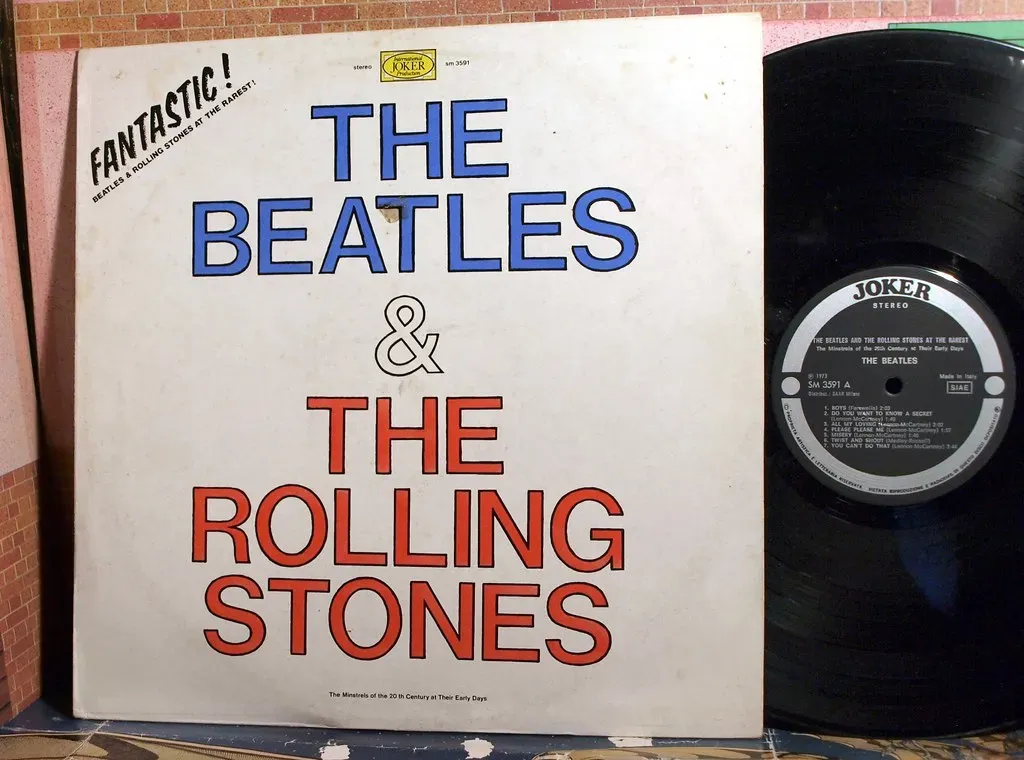
The supposed rivalry between the Beatles and the Rolling Stones was, by most accounts, largely fictional – cooked up by the media as a way of pitting the two legendary groups against each other, riling up their fanbases and stoking album sales. Paul McCartney claimed the press manufactured rivalry between the two bands, noting that the idea of choosing between them was something started by the media.
The truth is a bit messier. According to Mick Jagger’s 1988 Rock and Roll Hall of Fame induction speech for the Beatles, they had rivalry in the early years with some friction, but they always ended up friends. Still, members from both sides have thrown shade over the years. Keith Richards dismissed Sgt. Pepper as “a mishmash of rubbish” in a 2015 Esquire interview, comparing it unfavorably to the Stones’ Satanic Majesties.
Tupac vs. Biggie – When Rivalry Turns Tragic

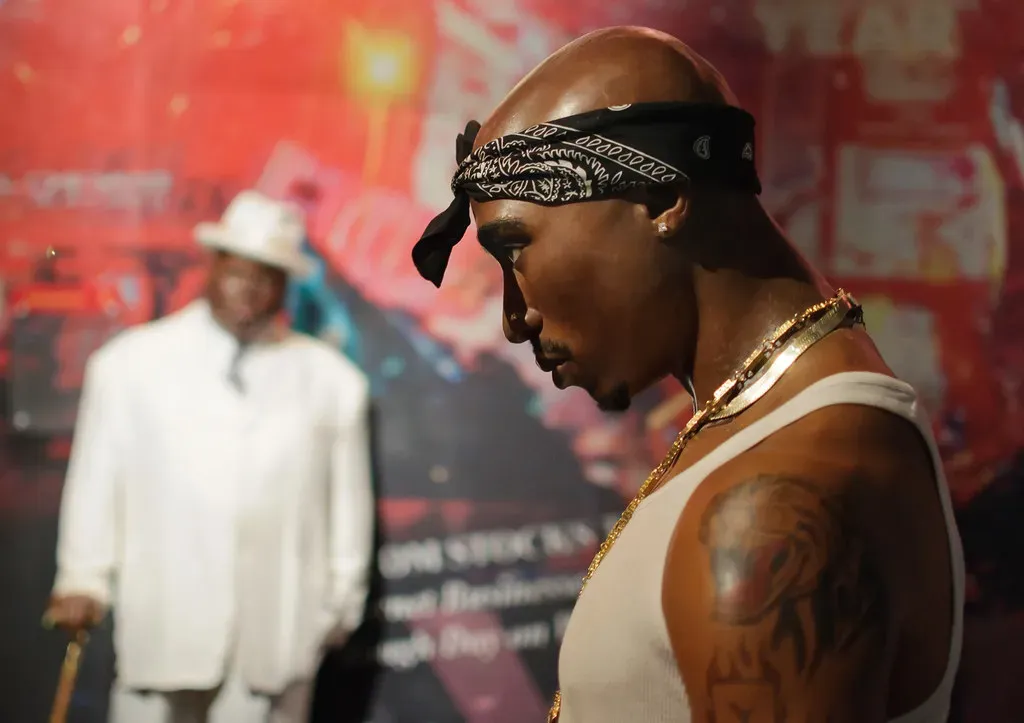
Tupac Shakur and Biggie Smalls represented different coasts in what exploded into arguably the biggest rivalry in music history, ending with both artists being shot and killed within six months of each other, with neither murder ever being solved. They started as genuine friends, but everything changed after a 1994 incident.
On November 30, 1994, Tupac was shot five times during a robbery at Quad Recording Studios in New York City. Tupac believed Biggie knew about it beforehand, fracturing their friendship beyond repair. The rivalry was centered around two record labels, according to Rolling Stone: Bad Boy Records led by Sean ‘Diddy’ Combs in New York and Death Row Records under Suge Knight in Los Angeles.
The feud produced brutal diss tracks like Tupac’s “Hit ‘Em Up” and ignited genuine fear across the hip-hop community. Honestly, it’s hard to overstate how much this rivalry changed music forever.
Oasis Brothers – Sibling Hostility at Its Peak


Family feuds hit different. Years of insults and infighting between Noel and Liam Gallagher culminated on August 28, 2009, when Oasis broke up minutes before taking the stage in Paris, with Noel stating he simply could not work with Liam a day longer and later recounting a backstage argument where Liam wielded a guitar like an axe.
The Gallaghers kept fighting long after they were no longer bandmates, insulting each other in awards speeches and social media posts, with occasional public calls for reconciliation giving fans brief glimmers of hope that were repeatedly dashed. Liam once hinted at a truce in 2017, only to call it off a month later.
On August 27, 2024, it was announced that the Gallaghers would be performing together for the first time in 16 years in the summer of 2025, with multiple shows across the UK and Ireland. Will they actually make it through the tour? Time will tell.
Jay-Z vs. Nas – New York’s Battle for the Crown


The simmering tension between Jay-Z and Nas boiled over on June 28, 2001, at Hot 97’s Summer Jam, when Jay-Z stunned the crowd by debuting “Takeover,” a blistering diss aimed at Nas and Mobb Deep’s Prodigy. This was the shot heard around the hip-hop world.
Nas responded with arguably the most savage diss track in rap history. On December 4, 2001, the same day Jay-Z turned 32, Nas dropped “Ether,” unleashing a plethora of insults aimed at his nemesis. The track became so iconic that “ether” became slang for destroying someone lyrically.
Four years after “Ether,” Nas and Jay-Z decided to end their beef in October 2005 during Jay-Z’s ‘I Declare War’ tour at Continental Airlines Arena in New Jersey, with Jay-Z declaring that all the beef was done and it was time to get money. They’ve collaborated multiple times since, proving maturity can actually win out over ego.
Drake vs. Kendrick Lamar – Hip-Hop’s Modern War

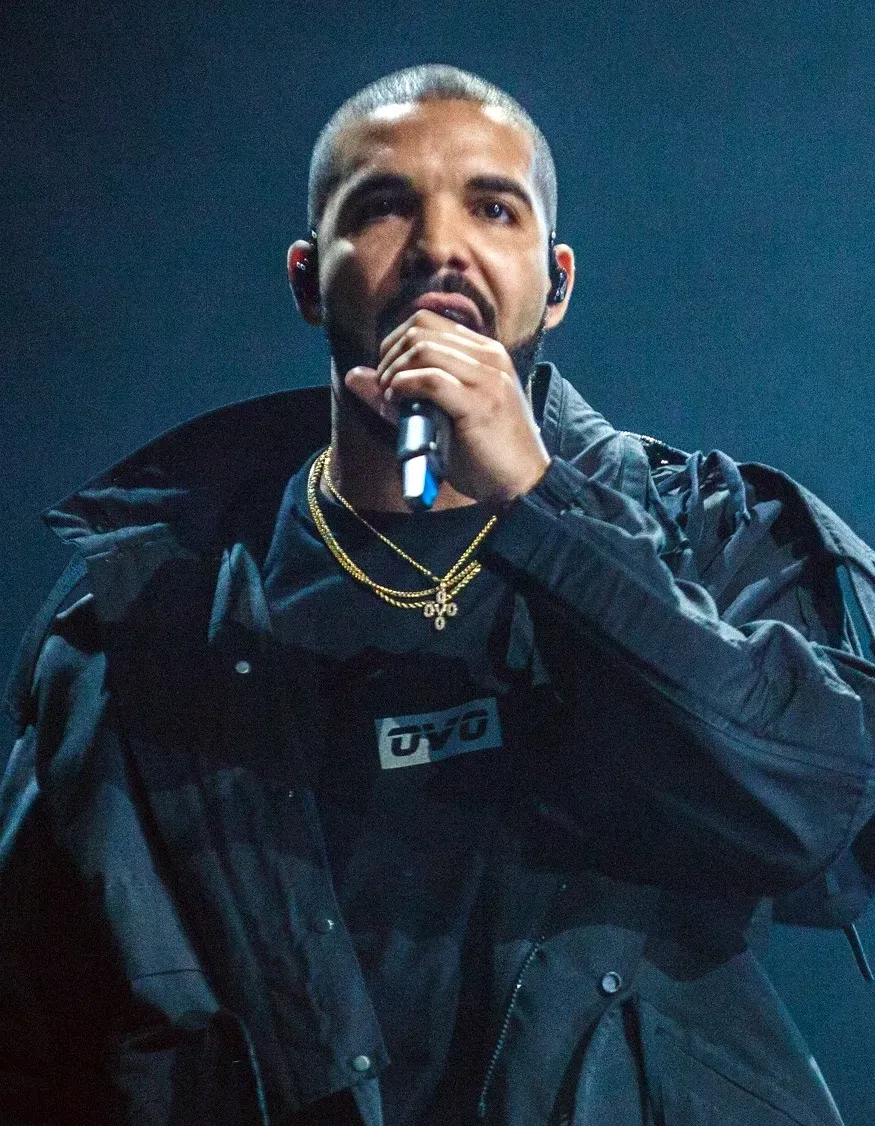
Canadian rapper Drake and American rapper Kendrick Lamar have been involved in a rap feud since 2013 when Drake responded to Lamar’s verse on Big Sean’s “Control,” which escalated dramatically in 2024 with Lamar’s lyrics in the song “Like That.” This rivalry consumed the entire music industry throughout 2024 and into 2025.
With infectious pop elements, Kendrick Lamar’s “Not Like Us” bested Drake at his own specialty, breaking streaming and Billboard chart records. In January 2025, Lamar’s “Not Like Us” officially surpassed one billion streams on Spotify, according to Billboard. Drake responded with lawsuits, but in October 2025, the lawsuit was dismissed.
A week after making Grammys history, Lamar took the stage for his Super Bowl halftime performance in New Orleans, rapping “Not Like Us” to the entire Caesars Superdome and a global television audience, with the record-breaking halftime show averaging 133.5 million views across all platforms. Talk about a victory lap.
Britpop’s Battle – Oasis vs. Blur

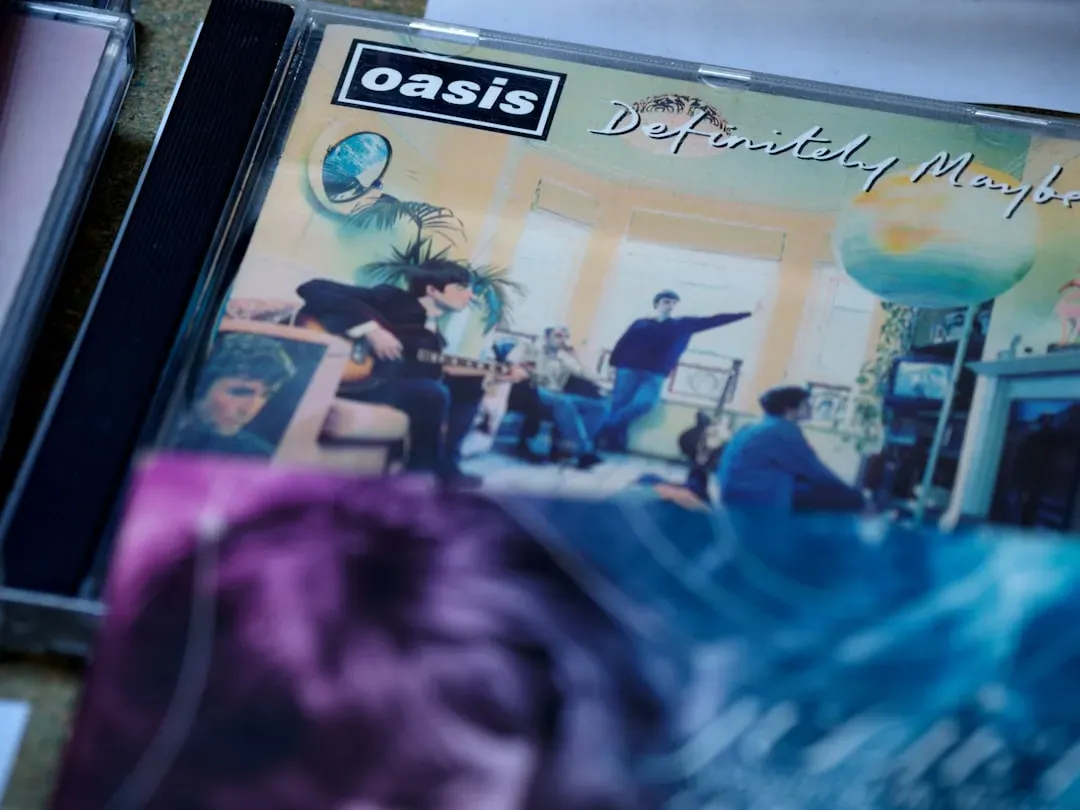
While the Gallagher brothers fought each other, Oasis also had a fierce rivalry with Blur throughout the 1990s Britpop movement. The two bands represented different facets of British identity: Oasis embodied working-class Northern authenticity, while Blur leaned into art school sophistication and Southern sensibilities. The media absolutely loved pitting them against each other, framing every chart position as a battle for Britain’s soul.
The peak came in 1995 when both bands released singles on the same day. Blur’s “Country House” narrowly beat Oasis’s “Roll With It” to number one, but Oasis ultimately sold more albums. In 2023, Blur, their Britpop archrival which had been on hiatus since 2015, reunited to release an album and perform at summer festivals. The reconciliation between Oasis members came shortly after, perhaps inspired by their old rivals proving reunions could work.
Mariah Carey vs. Whitney Houston – A Rivalry That Never Was


Here’s the thing about some rivalries: they’re completely fabricated. Both Mariah Carey and Whitney Houston repeatedly stated their “feud” was media invention. The press desperately wanted a catfight between two of the biggest voices in music, constantly comparing vocal ranges and chart positions.
Industry insiders would drop hints about tension, tabloids would run with speculative headlines, and fans would pick sides based on nothing but manufactured narratives. Both women publicly dismissed the rumors multiple times, noting the so-called rivalry was fueled by industry comparisons rather than actual animosity. It’s a reminder that sometimes the most famous feuds exist only in journalists’ imaginations and audience expectations.
Blur vs. Pulp vs. Suede – The Broader Britpop Wars


The Britpop era of the mid-1990s wasn’t just about Oasis and Blur. Bands like Pulp, Suede, and Elastica were all vying for dominance in a crowded scene. Pulp’s Jarvis Cocker famously crashed Michael Jackson’s performance at the 1996 Brit Awards, embodying the rebellious spirit that defined the movement. Suede’s Brett Anderson engaged in occasional verbal sparring with other frontmen, though generally with more wit than venom.
These rivalries felt less personal and more like competitive sport. Everyone was pushing each other to make better records, write sharper lyrics, and put on more memorable performances. The competition elevated everyone involved, resulting in one of the most creatively fertile periods in British rock history.
Axl Rose vs. Everyone – The One-Man Rivalry Machine


If there’s an award for most feuds initiated by a single person, Axl Rose deserves serious consideration. The Guns N’ Roses frontman has publicly beefed with former bandmates Slash and Duff McKagan for decades, feuded with Nirvana’s Kurt Cobain backstage at the MTV Video Music Awards, traded barbs with Motley Crue’s Vince Neil, and even got into it with fashion designer Tommy Hilfiger at an awards show.
Rose’s confrontational personality made him a magnet for conflict. Some of it stemmed from genuine creative differences, some from personal grievances, and some from Rose simply being Axl Rose. His feuds became so legendary that they overshadowed Guns N’ Roses’ music for years. The eventual reunion with Slash proved that even the most bitter rock rivalries can be set aside, especially when there’s a massive payday involved.
Madonna vs. Everyone Who Challenged Her Throne


Madonna has engaged in subtle and not-so-subtle rivalries throughout her career. She’s traded jabs with Cyndi Lauper, had tension with Janet Jackson over choreography and visual concepts, shaded Lady Gaga for allegedly copying her style, and famously kissed Britney Spears and Christina Aguilera at the MTV Video Music Awards in what felt like both collaboration and territory-marking.
Madonna’s rivalries were often about maintaining her position as pop’s reigning queen. She watched younger artists emerge and either collaborated with them to stay relevant or dismissed them as imitators. Her competitive streak kept her sharp for decades, constantly reinventing herself to prove she was still the standard everyone else had to meet. You’ve got to respect the hustle, even when it got petty.
What Do These Rivalries Tell Us?

Music rivalries reveal something fundamental about human nature and artistic ambition. Competition drives innovation, but it can also destroy friendships and occasionally lives. Media outlets and magazines like The Source played a pivotal role in escalating rivalries, often sensationalizing artist comments and incidents to drive sales, sometimes blurring fact and rumor.
The best rivalries push artists to create their greatest work. Jay-Z and Nas both elevated their lyricism during their battle. The Beatles and Stones constantly tried to outdo each other’s experiments. Drake and Kendrick forced each other to sharpen their skills. When competition stays in the music, everyone wins.
The worst rivalries end in tragedy, broken friendships, and wasted potential. Tupac and Biggie never got to reconcile. The Gallagher brothers lost 15 years they could have spent making music together. Sometimes ego and pride cost more than any chart position is worth.
What’s your take on music’s greatest feuds? Did they enhance the music or just create unnecessary drama? The answer probably depends on which artist you were rooting for all along.


