
Music history is full of close calls. Songs that shaped entire generations almost didn’t make it out of the studio. Some were shelved by record labels, others nearly ended up in the trash, and a few were saved by complete accident. It’s wild to think that some of the most iconic tracks we know today were minutes away from being forgotten forever.
What’s even more fascinating is the reason why. Sometimes it’s creative doubt, other times it’s label politics or pure bad luck. The stories behind these near-misses reveal just how fragile the music industry really is. So let’s dive in and discover the songs that almost never saw the light of day.
Smells Like Teen Spirit by Nirvana

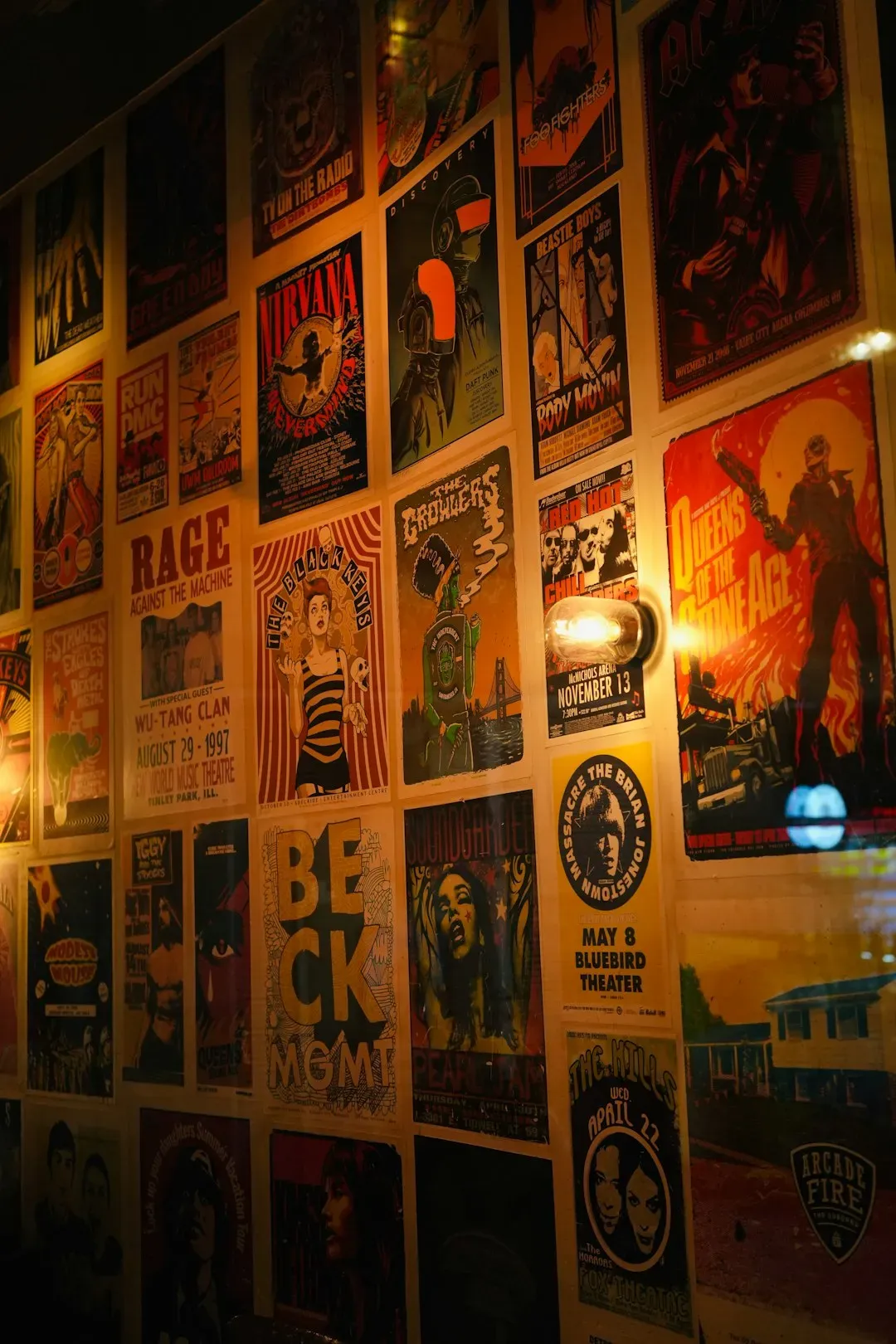
Kurt Cobain wasn’t convinced this song was anything special. He actually thought it sounded too much like a Pixies rip-off and worried it was too formulaic for Nirvana’s raw, anti-commercial identity. The band nearly left it off “Nevermind” entirely because Cobain felt embarrassed by its straightforward structure.
Producer Butch Vig had to fight to keep it on the album. He recognized the explosive energy in those opening guitar chords and knew it had serious potential. When the record label heard the demo, they pushed hard for it to be the lead single, despite Cobain’s reluctance.
The rest is history. “Smells Like Teen Spirit” became the anthem of a generation and redefined rock music in the 1990s. It’s hard to imagine grunge without this track, yet it almost became a forgotten B-side.
Bohemian Rhapsody by Queen


This six-minute operatic masterpiece was considered way too long and weird for radio play. Record executives at EMI told Queen flat-out that nobody would ever play it. They wanted the band to cut it down or scrap it altogether because conventional wisdom said pop songs needed to be three minutes max.
Freddie Mercury refused to compromise. He believed in the song’s theatrical vision and wouldn’t let anyone touch it. The band’s manager secretly gave a copy to DJ Kenny Everett, who played it 14 times over a single weekend, sparking massive public demand.
The overwhelming listener response forced EMI’s hand. “Bohemian Rhapsody” topped the UK charts for nine weeks and became one of the most beloved songs in rock history. Sometimes stubbornness pays off in ways nobody expects.
Hotline Bling by Drake

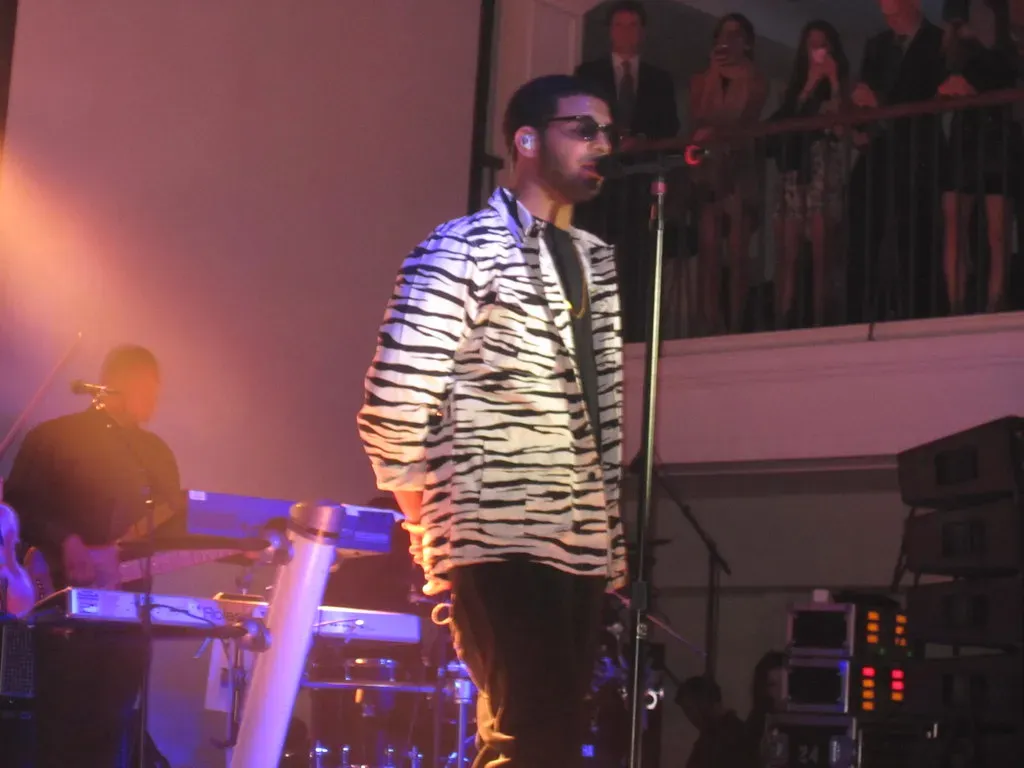
Drake originally recorded this track for his album “Views” but felt it didn’t fit the overall vibe he was going for. He shelved it and nearly forgot about it entirely. The song sat unreleased for months while Drake focused on other material he thought was stronger.
His team eventually convinced him to drop it as a standalone single just to see what would happen. Drake wasn’t expecting much, honestly. He released it almost as an afterthought in July 2015.
The internet went absolutely crazy. The music video became a meme goldmine, and the song shot to number two on the Billboard Hot 100. It earned Drake two Grammy nominations and became one of his most recognizable hits, all because his team talked him into giving it a chance.
Creep by Radiohead


Radiohead recorded “Creep” during their debut album sessions, but the band members hated it. Thom Yorke considered it too simple and whiny, nothing like the complex sound they wanted to develop. They buried it deep in the tracklist of “Pablo Honey” and hoped nobody would notice.
Radio DJs in Israel started playing it heavily, and the song unexpectedly took off there first. Then it spread to the US alternative rock scene. The band was shocked when American audiences latched onto it.
Despite its massive success, Radiohead refused to play it live for years because they felt it misrepresented their artistic direction. Still, “Creep” became their breakthrough hit and introduced millions to their music, even if it wasn’t the song they wanted to be known for.
I Will Always Love You by Whitney Houston

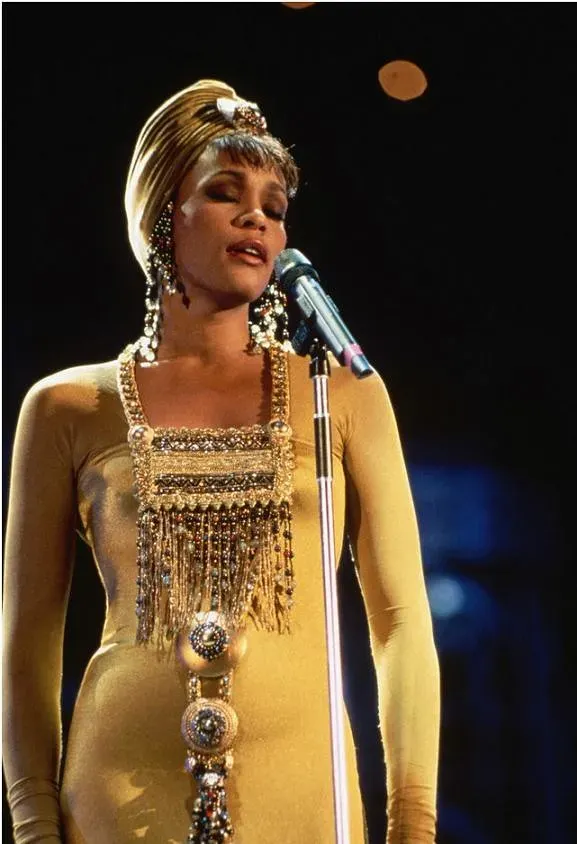
Whitney Houston actually didn’t want to record this Dolly Parton cover. She thought it was too country and worried it wouldn’t suit her R&B style. Producer David Foster had to practically beg her to give it a try for “The Bodyguard” soundtrack.
Even after recording it, Houston remained uncertain about the final version. The a cappella opening was a last-minute addition that almost got cut because it felt too risky. Record executives debated whether mainstream audiences would accept such a bold, sparse introduction.
The song became the best-selling single by a female artist in history. It stayed at number one for 14 weeks and turned “The Bodyguard” soundtrack into a cultural phenomenon. Whitney’s hesitation nearly cost the world one of the most powerful vocal performances ever recorded.
Bitter Sweet Symphony by The Verve


This song exists purely by accident. The Verve sampled an orchestral version of The Rolling Stones’ “The Last Time” and thought they had proper clearance. When the track started gaining traction, former Stones manager Allen Klein claimed they used too much of the sample and demanded 100% of the royalties.
The legal battle almost killed the song before it could become a hit. The Verve nearly pulled it from their album “Urban Hymns” to avoid the lawsuit. Klein threatened to block its release entirely unless they signed over all rights.
The band reluctantly agreed just to get the song out there. “Bitter Sweet Symphony” became their biggest hit and defined late-90s alternative rock, even though The Verve didn’t see a penny from it for over 20 years. In 2019, the rights were finally returned to songwriter Richard Ashcroft.
Wonderwall by Oasis
Noel Gallagher wrote “Wonderwall” but didn’t want to sing it himself. He originally intended it as a demo for another artist. Liam Gallagher had to fight to record the vocal because Noel thought his brother’s voice was too harsh for such a tender song.
The brothers argued constantly during recording sessions about how the song should sound. Noel wanted it more stripped down and acoustic, while Liam pushed for a fuller arrangement. The tension nearly resulted in the song being scrapped altogether.
Once they finally agreed on an approach, “Wonderwall” became Oasis’s signature song and one of the most recognizable tracks of the Britpop era. It’s the song every aspiring guitarist learns, yet it almost became another casualty of the Gallagher brothers’ endless feuding.
Stay With Me by Sam Smith


Sam Smith recorded this emotional ballad but their label wasn’t initially interested in releasing it. Industry insiders thought it was too slow and depressing for mainstream radio. They wanted something more upbeat and commercial as a single.
Smith fought hard to release it, believing the raw vulnerability would resonate with listeners. The label reluctantly agreed to put it out as a third single with minimal promotion. They didn’t expect much from it.
The song exploded internationally and earned Smith four Grammy Awards, including Record of the Year and Song of the Year. It became a massive crossover hit that launched Smith into superstardom, proving that sometimes labels have no idea what audiences actually want.
Like a Prayer by Madonna

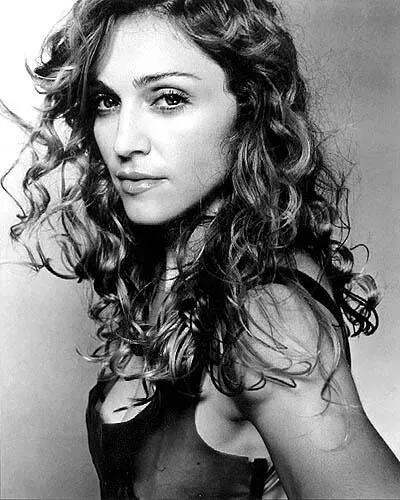
Madonna’s label was terrified of this song’s religious imagery and controversial themes. They warned her that releasing it could damage her career and alienate her fan base. The combination of gospel choir, religious symbolism, and provocative lyrics made executives extremely nervous.
The music video made things even worse. It featured burning crosses and religious iconography that sparked massive backlash from religious groups. Pepsi pulled a $5 million endorsement deal with Madonna because of the controversy.
Madonna refused to back down. “Like a Prayer” became one of her biggest hits and is now considered one of her finest artistic achievements. The controversy actually helped sales, proving Madonna understood her audience better than her own record label.
Conclusion
The music industry runs on instinct, luck, and stubborn artists who refuse to give up on their vision. These songs prove that commercial appeal isn’t always obvious, and sometimes the people closest to the music can’t see what audiences will love. Record labels, producers, and even the artists themselves have gotten it wrong countless times.
What’s your take on all this? Did any of these stories surprise you? It’s fascinating how many iconic tracks were just one executive decision away from disappearing forever. Makes you wonder what other masterpieces are sitting in vaults somewhere, waiting for someone to believe in them.