Two of the most talked-about places to live in the Las Vegas Valley keep drawing the same question from prospective buyers and renters: Henderson or Summerlin? Both communities are polished, well-maintained, and packed with amenities that most American suburbs would envy. The comparison sounds simple on the surface, but the answer turns out to depend heavily on what “value” actually means to you. Real pricing data, safety rankings, school ratings, and lifestyle factors all pull in slightly different directions depending on which community you examine. This breakdown covers the ten most important dimensions of the debate, using current figures from 2024 through 2026.
Home Prices: The Gap Is Real and Significant


Summerlin’s median home price runs approximately $575,000 to $625,000, while Henderson’s overall median sits closer to $485,000 to $500,000, with premium communities like Anthem and Seven Hills running between $550,000 and $750,000. That spread represents a meaningful difference for buyers working within a fixed budget. Summerlin homes cost more, with prices averaging roughly $300,000 higher than Henderson on a broad comparison.
As of Q1 2026, the median home price in Henderson, NV is approximately $530,000, representing a year-over-year increase of about 3.2% from Q1 2025, encompassing all property types including single-family homes, condos, and townhomes. Summerlin’s median sale price has been recorded around $603,000, indicating a roughly 10% year-over-year increase. Both markets are appreciating, but Summerlin’s trajectory carries a higher premium entry cost.
Overall Cost of Living: More Than Just the Mortgage


According to BestPlaces data, the cost of living in Summerlin South, Nevada is roughly 10.6% more expensive than Henderson, Nevada. That gap compounds across housing, HOA fees, and everyday expenses when you look at the full financial picture. The average cost of living in Summerlin sits in the top 10% of the most expensive cities in the world by one ranking, placing 810th out of 2,202 cities in the United States.
HOA fees add another layer of difference. Most Summerlin neighborhoods fall under the main master-planned HOA, which adds monthly or quarterly dues, while Henderson has both HOA and non-HOA areas, giving buyers more control over what fits their budget. Henderson’s higher home prices are partially offset by Nevada’s advantageous tax policies, which include no state income tax and low property tax rates, giving homebuyers and investors an opportunity to save money while building long-term value.
Rental Market: Which Community Pays Off for Renters and Investors?


According to available data, the average three-bedroom rent in Summerlin is around $2,400 per month with a 4.5% vacancy rate, while Henderson’s average three-bedroom rent sits at $2,200 per month with a 3.8% vacancy rate. Henderson’s tighter vacancy rate suggests consistently strong demand from renters. In a broader view, two-bedroom Summerlin rentals average roughly $1,950 per month driven by premium amenities, while Henderson one-bedroom units average around $1,500 per month, reflecting the area’s strong school districts and suburban appeal.
Henderson draws more investors because the homes cost less and rent well, while Summerlin rents are higher but homes also cost proportionally more. For pure return-on-investment math, Henderson tends to offer more accessible entry and comparable rental demand. Summerlin’s property values have been rising steadily and outpacing the national average, making it an attractive option for long-term investment despite the higher buy-in cost.
Safety: Henderson’s Strongest Card


Henderson ranked second among large cities in the SafeWise 2024 Safest Cities report and consistently appears on top 10 safest city lists nationally. That’s a genuinely impressive distinction for a city of its size. With violent crime rates roughly 32% below the Nevada state average and property crime rates significantly below national averages, Henderson is one of the safest cities of its size, with over 320,000 residents, in America.
Henderson has a lower overall crime rate of 22.83 compared to the national average of 33.37, with significantly lower rates of violent crime at 3.05 versus 13.32 nationally. Summerlin, while generally considered safe, falls under the broader Las Vegas jurisdiction and doesn’t carry the same level of dedicated municipal safety infrastructure. Henderson has consistently ranked as one of the safest cities in the United States, while Summerlin maintains a reputation for safety particularly within its gated and guarded communities.
Schools: Henderson Holds a Measurable Edge


Henderson holds a slight school advantage overall, with schools averaging 7 to 9 out of 10 ratings. Pinecrest Academy Inspirada ranks number one in Nevada, and Coronado High School offers an IB program. Those are not minor credentials. Summerlin schools average 6 to 8 out of 10 ratings, with Palo Verde High School among the valley’s best. Both communities significantly exceed Las Vegas citywide averages.
Henderson frequently partners with local businesses and nonprofits to expand after-school programs and career-readiness initiatives, and the presence of higher education institutions like Nevada State College and the College of Southern Nevada’s Henderson campus provides local pathways for continued learning and professional development. Summerlin is home to several nationally recognized private institutions, such as The Meadows School, along with high-performing public schools. For families where top-tier K-12 options are a priority, Henderson presents a slightly stronger overall picture by the numbers.
Partner offer

Outdoor Recreation: Different Landscapes, Different Lifestyles

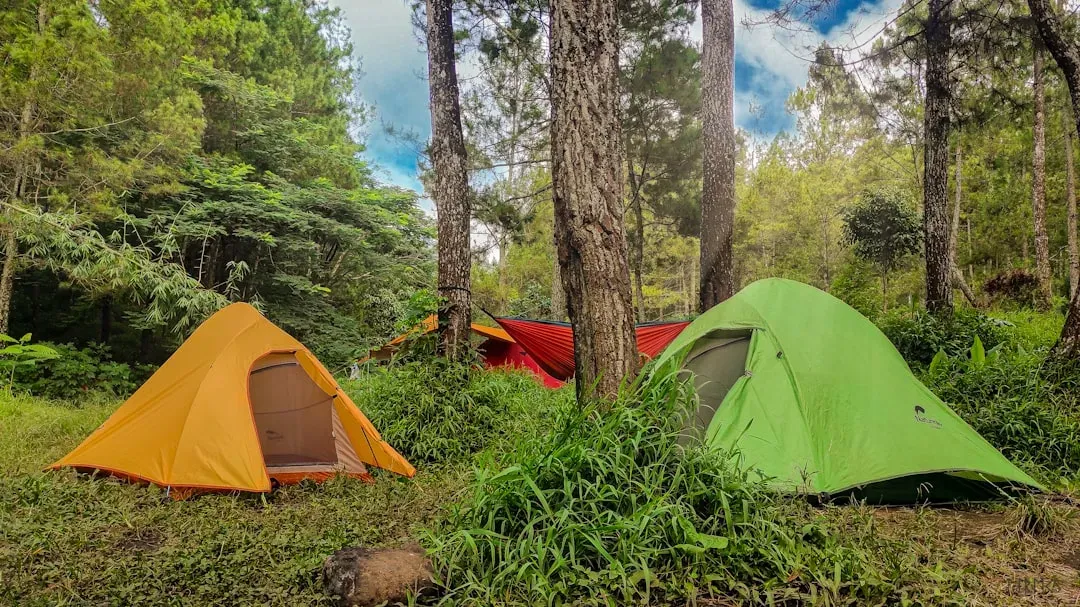
Summerlin is significantly closer to Red Rock Canyon at just 10 to 20 minutes away compared to Henderson’s 35 to 45 minutes, giving mountain enthusiasts immediate access to world-class trails and climbing with views from many homes. That proximity is a genuine daily quality-of-life advantage for hikers and outdoor athletes. Summerlin is also known for its 200-mile trail system, more than 300 parks, and dozens of facilities featuring basketball, tennis, volleyball, baseball, football, and soccer.
Henderson offers much better Lake Mead access at 20 to 30 minutes compared to Summerlin’s 40 to 50 minutes, and Henderson also features Lake Las Vegas for resort-style lake access. Water-based recreation is Henderson’s clear outdoor advantage. With over 70 parks, award-winning recreational facilities, and proximity to Lake Mead National Recreation Area, there is no shortage of things to do in Henderson. The choice here really comes down to whether you prefer canyon trails or lake water.
Amenities and Shopping: Summerlin’s Urban-in-Suburban Experience

Summerlin’s amenities include Downtown Summerlin with more than 125 shops and restaurants, Las Vegas Ballpark where the Aviators play, City National Arena used by the Golden Knights for practice, TPC Las Vegas championship golf, and extensive trail systems. That concentration of retail, sports, and entertainment in one walkable hub is fairly uncommon for a suburban community. Henderson’s amenities include the District at Green Valley Ranch for shopping and dining, multiple golf communities, Lake Las Vegas resort access, and extensive parks and recreation, though Henderson offers more distributed amenities across its communities rather than one central hub.
Looking ahead through 2026, Summerlin is positioned for the opening of 11 new neighborhoods, with debut retailers and luxury brands coming to Downtown Summerlin and the addition of another Class A office building, reinforcing Summerlin’s role as a key driver of regional economic growth. Henderson isn’t standing still either, with ongoing development in communities like Cadence and continued investment in its Water Street District. Both areas are actively expanding their retail and entertainment footprints.
Commute and Location: A Closer Race Than Most Expect


Strip commute times are roughly comparable, with Summerlin at 20 to 35 minutes and Henderson at 22 to 30 minutes. Henderson holds a slight airport advantage at 20 to 25 minutes versus Summerlin’s 25 to 35 minutes. Summerlin has the clear edge for Red Rock access at 10 to 20 minutes compared to Henderson’s 35 to 45 minutes. For frequent flyers or those with Strip-adjacent jobs, Henderson’s southeastern position quietly wins.
Henderson’s southeastern position provides residents with relatively quick access to the Las Vegas Strip and Harry Reid International Airport, typically within a 15 to 20-minute drive. Summerlin’s location on the western edge of the valley suits those working in the northwest or who value the quick escape to Red Rock Canyon. After years of fast price growth during the pandemic, the Las Vegas market cooled and balanced out in 2025, with inventory up, buyers having more choices, and interest rates around the mid-6% range shaping what people can afford.
Development Pipeline and Future Growth
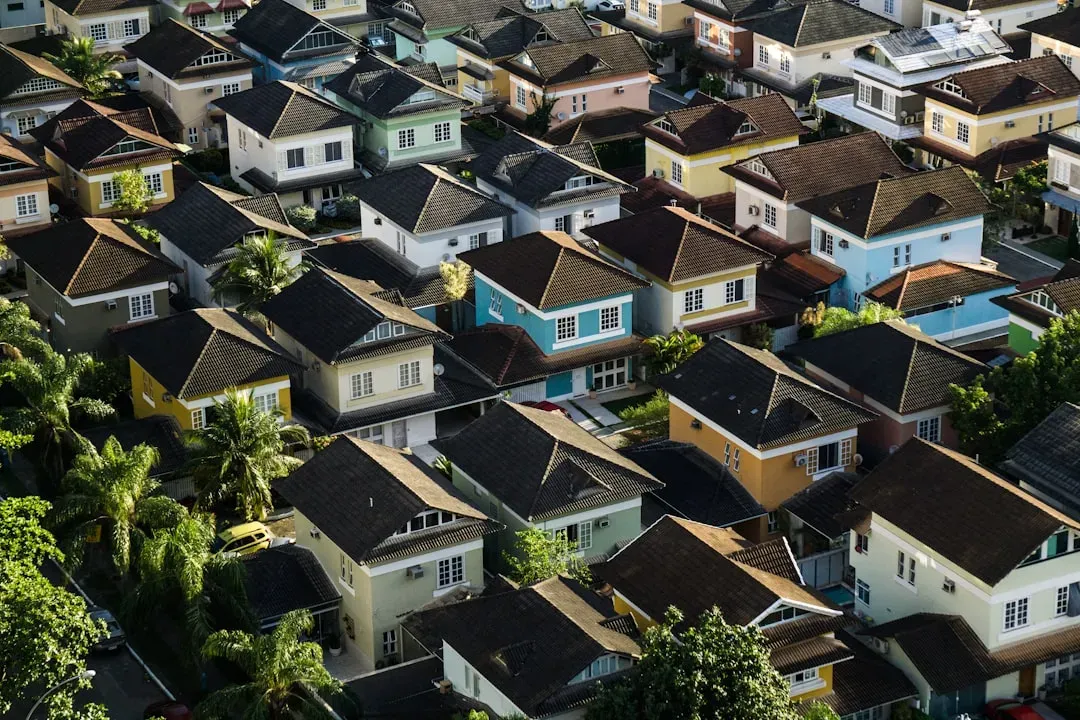
Now entering its 36th year of development, Summerlin continued its remarkable decades-long trajectory in 2025, with 10 new neighborhoods opening and dozens of new floor plans added. That’s a community still actively growing into its master plan rather than coasting on past development. A $1.4 billion tax incentive package intended to attract film and television productions to Las Vegas is tied specifically to the Summerlin Production Studios project backed by Sony Pictures Entertainment and Warner Bros., which could generate significant local employment if it moves forward.
Henderson is witnessing growth in new home communities and new construction, adding to the housing stock to meet demand, with several newly launched housing developments offering modern living options and amenities tailored to a variety of lifestyles. The continued migration of residents from high-tax states to Nevada is expected to accelerate in 2026, driven by favorable tax policies and the state’s business-friendly environment. Both communities stand to benefit from this demographic tailwind, though they attract slightly different buyer profiles.
Who Gets More for Their Money: The Bottom Line
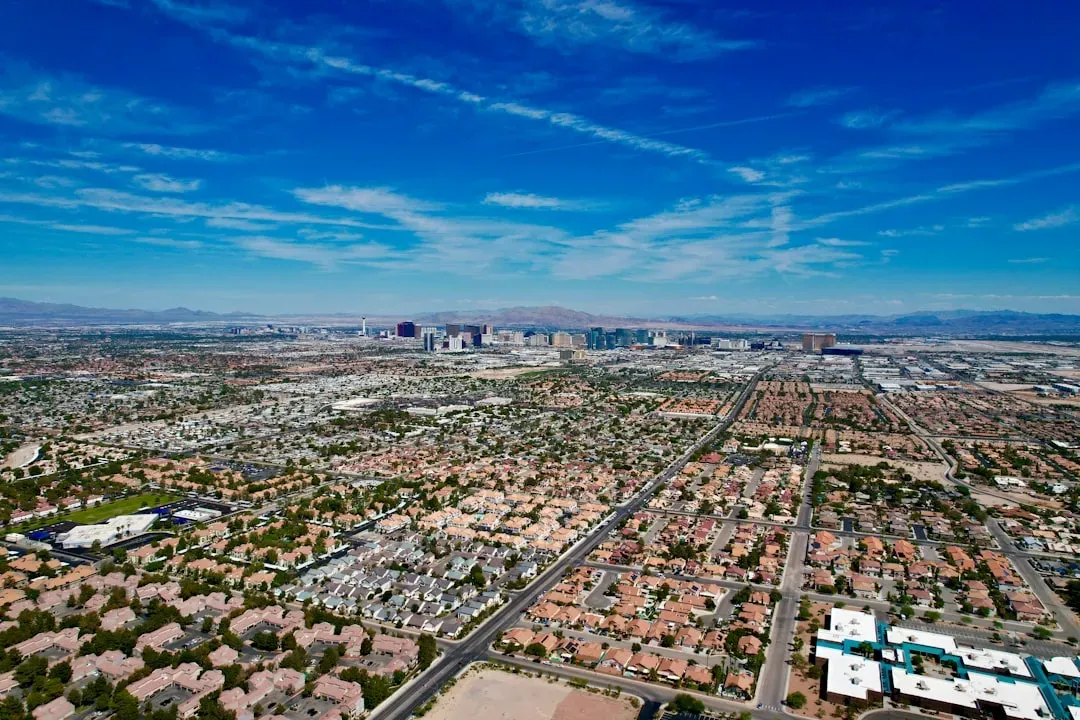
In the overall discussion, Henderson often edges ahead in terms of overall affordability, while Summerlin tends to command higher prices due to its master-planned communities and upscale amenities. That single sentence captures the tension reasonably well. Summerlin and Henderson represent the Las Vegas Valley’s two premier communities, both offering excellent schools, strong safety, and established character at premium pricing, with the choice often coming down to geography: northwest versus southeast, Red Rock versus Lake Mead, Downtown Summerlin versus the District at Green Valley Ranch.
Henderson’s lower entry price point has made it especially attractive to first-time homebuyers and families looking for space without the premium price tag, standing out for offering more flexibility and accessibility for buyers with budget constraints. Summerlin rewards buyers who want a singular, cohesive master-planned identity and don’t mind paying a premium for it. Summerlin’s higher elevation also results in slightly cooler temperatures, often by 5 to 7 degrees compared to Henderson, which can be a real consideration for those sensitive to desert heat during peak summer months.
Partner offer
Planning a trip to Vegas?
Compare hotel rates and show tickets on VEGAS.com.