
You found the perfect home in Las Vegas. The community looks immaculate, the pool gleams in the desert sun, and the landscaping looks like something out of a resort brochure. You sign the papers, move in, and then – the letters start arriving. Fees you didn’t expect. Rules you didn’t read. Assessments you definitely didn’t budget for.
Living inside a homeowners association in Las Vegas can be genuinely wonderful. It can also quietly drain your bank account in ways that nobody warned you about at closing. The real story isn’t in the monthly fee your agent mentioned. It’s in everything else. Let’s get into it.
The Actual Monthly Fee Is Just the Starting Point

Most buyers hear a single number when they’re shopping for a Las Vegas home. Their agent mentions a monthly HOA fee and they nod and move on. What they don’t always realize is that this number is rarely the whole picture. HOA fees in Las Vegas generally range from $70 to $400 per month, with the average falling around $200. That sounds manageable, right?
Here’s the thing though. For condos and high-rise properties, the numbers look completely different. These monthly payments can range from $50 to over $900 and vary dramatically based on location and amenities. A modest low-rise condo in North Las Vegas might require just $100 monthly, while luxury high-rises on the Strip can command fees exceeding $600 per month.
At the very top of the market, costs climb steeply. High-rise condos, such as those found at The Manhattan or Juhl, have higher monthly fees, starting at $400 and going up to $1,200 for luxury properties. That’s not a typo. Over $1,200 a month just in HOA dues, before your mortgage, taxes, or utilities.
The Double (and Triple) HOA Trap

Here is something that genuinely shocks a lot of buyers. In many Las Vegas master-planned communities, you aren’t just paying one HOA. You might be paying two or even three. Honestly, it catches people completely off guard. Some homeowners make monthly payments to a master association and a sub-association. Own a custom home in The Ridges in Summerlin, and you’re likely on the hook for three fees: $43 a month to the Summerlin Community Association, $200 to The Ridges master association, and a sub-association fee that can add another $100 to $200.
Many resale homes in areas like Mountains Edge, Providence, and Green Valley Ranch also have HOA fees – sometimes more than one if there’s a master and sub-association. That “affordable” fee listed on Zillow may only be telling you about one of them.
Think of it like a streaming service bundle gone wrong. You sign up for one subscription, then discover there are three more running quietly in the background. Add them all up and the financial picture looks quite different from what you first imagined.
Special Assessments: The Bill Nobody Warned You About

Even if you fully understand your monthly dues, there is another financial hit lurking on the horizon called a special assessment. This is a one-time fee the HOA can charge every homeowner when the reserve fund runs dry or a major repair comes up. Special assessments represent additional charges beyond your regular HOA fees. These one-time fees arise when your condo community faces significant expenses that exceed the reserve funds. A special assessment can range from a few hundred to several thousand dollars per unit owner, with the exact amount depending on the scope of work needed and the number of units sharing the cost.
Older buildings are especially vulnerable. Las Vegas condos built in the 1980s and 1990s face higher risks of special assessments due to aging infrastructure. Buildings like The Meridian and Park Towers have implemented special assessments for modernization projects in recent years. You might buy a condo thinking it’s a smart affordable move, only to receive a five-figure bill within your first two years.
Underfunded Reserves: A Ticking Time Bomb

This is one of the most overlooked risks in all of Las Vegas HOA living, and it feeds directly into special assessments. A reserve fund is the HOA’s savings account for big future repairs. When it’s underfunded, homeowners pay for it, hard. Many Nevada homeowners associations are failing to properly fund reserve accounts under NRS 116.3115.
In a very real Las Vegas case from 2024, a local HOA board was revealed to have a reserve that was only 42 percent funded. As one community management expert explained, “Reserve assessment can be at a different amount if the reserve is underfunded; here, it says the reserve in the letter is 42 percent funded.” An underfunded reserve of that level almost guarantees a painful assessment is coming.
Rising HOA fees in Las Vegas for 2026 are the predictable result of increased insurance costs, higher labor and utility expenses, and years of underfunded reserves. Cost increases will impact virtually all HOAs in Nevada, including major master-planned communities like Summerlin. Before you buy into any community, demanding to see the reserve fund study is not just smart. It’s essential.
Fee Increases That Can Hit Like a Freight Train

Monthly fees are not locked in forever. In fact, rising fees are now a defining feature of the Las Vegas HOA landscape. About 91% of community associations noticed an unexpected increase in their expenses, mainly due to rising material costs, supplies, and other expenses. Consequently, around 71% of board members are planning to increase their fees by up to 10%, while 19% are planning to increase their fees by 11-25%.
At the more extreme end, real Las Vegas residents are experiencing rate shocks that are hard to believe. More than 500,000 homeowners in Nevada live in homes with HOAs. At one Las Vegas complex, residents faced a proposed increase of over 100%, with one resident noting the fee would jump by 168%. That’s not an outlier. It’s a pattern playing out across the valley.
At the Vista Springs Three complex, the operating budget jumped from about $1.7 million in 2024 to nearly $2.8 million in 2025. The increase stemmed from more costly insurance and future plumbing improvements, such as pipe replacement throughout the complex. Insurance and aging infrastructure are driving this wave of increases citywide.
Transfer Fees and Move-In Costs You Didn’t Factor In

Most buyers know about closing costs. Fewer know that buying into an HOA community comes with its own set of upfront charges that can add up fast. Transfer fees are charged at the point of sale and are separate from everything else. Transfer fees are charged by each HOA to set up the account in the buyer’s name. They can be as low as about $200 or as much as 2% of the purchase price if you are buying certain hotel condos in Lake Las Vegas.
Then there are Local Improvement District fees. Some newer properties in Las Vegas have a LID Fee, which stands for Local Improvement District Fee. This is a bond that is paid semi-annually, and the amount varies with each property. On a $500,000 home, a 2% transfer fee alone becomes a $10,000 surprise.
Nevada’s “Super Priority Lien” – The Rule That Can Cost You Everything
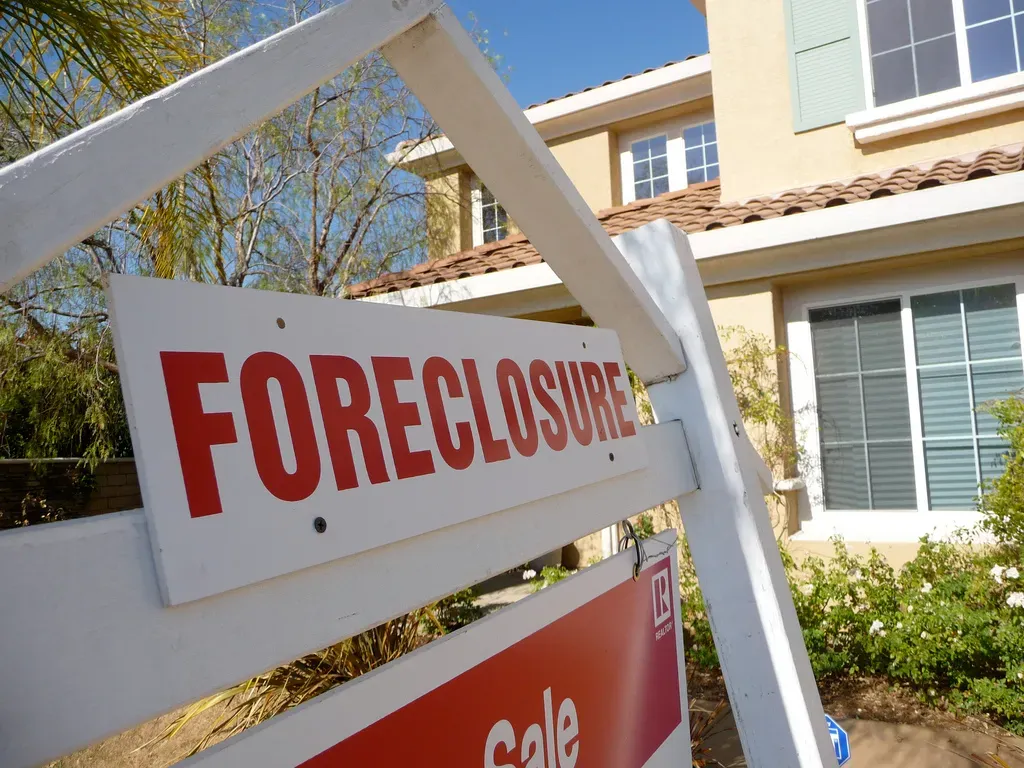
This is the one that keeps real estate attorneys busy and homeowners awake at night. Nevada is one of a small number of states with an unusually powerful HOA foreclosure law. Nevada is one of few states with a super priority lien law (NRS 116.3116) that gives HOAs significant power. Under this law, if a homeowner fails to pay HOA dues, the HOA can foreclose on the property, and their lien takes priority over even the mortgage lender for up to nine months of unpaid dues.
Let that sink in. Miss enough HOA payments, and you could lose your home even if your mortgage is completely current. When it comes to HOA assessment liens, a super priority lien refers to that portion of an HOA lien that is given higher priority than even the first mortgage holder. If the HOA forecloses a super priority lien, it may in some cases eliminate the first mortgage. The Nevada Supreme Court has ruled that an HOA foreclosing a super priority lien can extinguish a first deed of trust.
This isn’t theoretical. It has happened to real people in Nevada. Failing to pay HOA fees can result in late penalties, legal action, and even foreclosure in extreme cases. Verify the HOA’s financial health and your own payment status regularly. It is not optional in Nevada.
Fines, Violations, and the Rules You Probably Haven’t Read

Every Las Vegas HOA comes with a thick stack of governing documents called CC&Rs. Most buyers skim them or skip them entirely. That’s a costly mistake. Fines and penalties are charges that an HOA imposes if you violate the CC&Rs or other governing documents. For example, letting your lawn become overgrown, leaving trash cans outside, and parking in forbidden areas might result in fines and associated fees.
The accumulation of fines can escalate faster than you expect. Parking a commercial vehicle in your driveway, painting your door the wrong shade, leaving holiday lights up a day too long – these are genuine violation triggers in many Las Vegas communities. It sounds absurd, but the fines are very real and very collectible.
Rising monthly dues and the risk of extra fees can add financial pressure, and rules may feel restrictive for some homeowners. Think carefully about how you live before you commit to a community with highly detailed CC&Rs. Your lifestyle habits could turn into a financial liability.
Insurance Cost Increases Are Being Passed Directly to Residents

Rising insurance premiums across the country are hitting HOA budgets hard, and Las Vegas is no exception. HOAs carry master insurance policies on common areas and shared structures, and when those premiums spike, the cost gets passed directly to homeowners through fee increases. The HOA’s master insurance policy covers common areas and liability. The cost of this policy is passed on to homeowners through their dues.
This dynamic is accelerating right now. At one Las Vegas complex, the operating budget jumped from about $1.7 million in 2024 to nearly $2.8 million in 2025, with the increase stemming from more costly insurance now needed due to the value of the entire property and future plumbing improvements. When national insurers raise rates, HOA members feel it directly in their wallets.
It’s a bit like being a passenger on a ship where you don’t control the fuel costs but you definitely pay for them. The broader insurance market is a force most homeowners never think about when they buy. In an HOA, it becomes your problem whether you like it or not.
The Rapidly Growing HOA Population in Nevada

Here is important context that tells you why all of these issues matter more and more each year. HOA living is not a niche experience in Nevada. It is the norm. The 21.6 million households that paid condo and HOA fees in 2024 were not evenly distributed across the country. States like Arizona, Florida, and Nevada, which typically attract a lot of retirees to planned communities, had higher proportions of homeowners reporting HOA fees.
More than 500,000 homeowners in Nevada live in homes with HOAs. And the trend is only growing. 67% of newly completed homes in 2024 are part of HOA communities, up from 49% in 2011. For Las Vegas buyers especially, avoiding an HOA is becoming almost impossible in newer developments.
Meanwhile, nationally, the median monthly fee rose to $135 from $125 in 2024 and $108 in 2019, and dues can even stretch beyond $500. The trajectory is clear, and Las Vegas fees trend above national medians given the city’s master-planned community culture. The costs are real, rising, and here to stay.
Conclusion

Las Vegas HOA living can genuinely be worth every dollar, especially in a well-managed community with great amenities and a healthy reserve fund. The problem isn’t the concept. The problem is the financial ambush that catches unprepared buyers completely off guard.
Before signing anything, ask to see the reserve fund study. Ask about pending special assessments. Ask whether there is a master HOA AND a sub-association. Ask about the last five years of fee increases. Read the CC&Rs. Verify the HOA’s financial health. In Nevada especially, where the super priority lien law (NRS 116.3116) gives HOAs the power to foreclose on a property, with their lien taking priority over even the mortgage lender for up to nine months of unpaid dues, being unprepared isn’t just expensive. It can be catastrophic.
The desert sun looks beautiful from a well-kept community pool. Just make sure you know exactly what you paid to swim in it. What do you think – did any of these costs surprise you? Let us know in the comments.