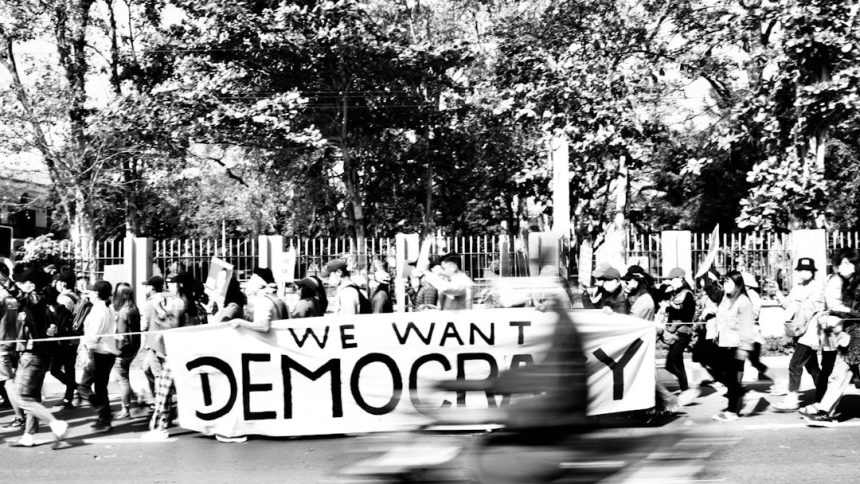
Few ideas have shaped the world more profoundly than democracy. It is a concept born in the dust of ancient city-states, refined through centuries of revolution and philosophical debate, and now tested daily against the pressures of populism, war, and digital misinformation. The story of democracy is not a neat, upward march toward freedom. It is a fragmented, contested, and endlessly fascinating journey that still has no clear endpoint.
The Birth of Democracy in Ancient Athens

Athenian democracy developed around the 6th century BC in the Greek city-state of Athens, comprising the city of Athens and the surrounding territory of Attica, and focusing on supporting liberty, equality, and security. The word “democracy” comes from two Greek words that mean people (demos) and rule (kratos). Solon in 594 BC, Cleisthenes in 508–507 BC, and Ephialtes in 462 BC each contributed to the development of Athenian democracy. It was a genuinely radical invention for its time, one that no other civilization had attempted on quite the same scale.
The system was comprised of three separate institutions: the ekklesia, a sovereign governing body that wrote laws and dictated foreign policy; the boule, a council of representatives from the ten Athenian tribes; and the dikasteria, the popular courts in which citizens argued cases before a group of lottery-selected jurors. Any one of those 40,000 adult male citizens was welcome to attend the meetings of the ekklesia, which were held 40 times per year in a hillside auditorium west of the Acropolis called the Pnyx. In Athens in the middle of the 4th century, there were about 100,000 citizens, about 10,000 metoikoi or “resident foreigners,” and 150,000 slaves. The democracy was real, but it was also sharply limited by the standards of any modern definition of the word.
The Roman Republic and the Rise of Representative Governance
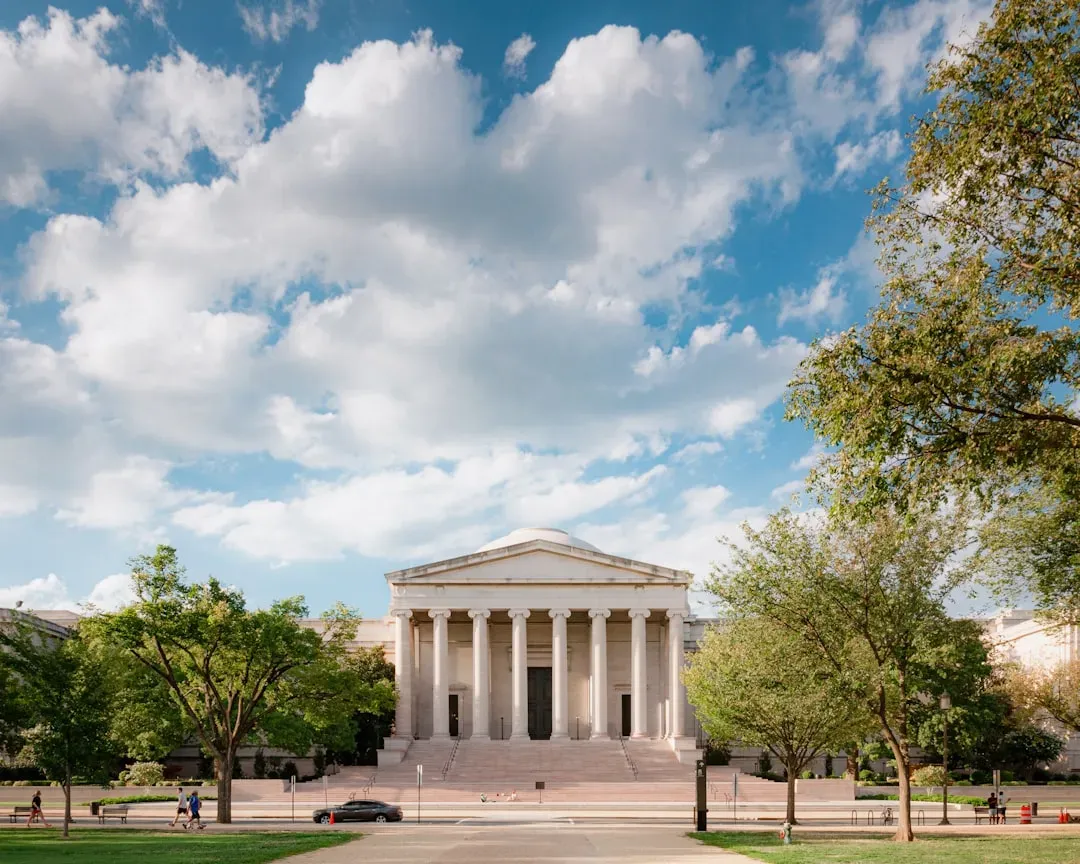
The constitutional history of the Roman Republic began with the revolution that overthrew the monarchy in 509 BC and ended with constitutional reforms that transformed the Republic into what would effectively be the Roman Empire in 27 BC. The Republic’s democratic institutions included universal male suffrage, direct election of all magistrates on an annual basis, and lawmaking exclusively by citizen assemblies. One of the Athenian democracy’s major legacies was its influence on the Roman Republic. The Roman Republic took the idea of direct democracy and amended it to create a representative democracy, a form of government that Europeans and European colonists became interested in several centuries later.
In the Roman republic, according to Polybius, the consuls represent the monarchical element, the senate embodies the old aristocracy, and the popular assemblies give the citizenry a democratic voice. Several political institutions in the world are at least partly based on the Roman Republic model, particularly that of the United States government. Rome eventually transitioned from a republic to an empire after power shifted away from a representative democracy to a centralized imperial authority, with the emperor holding the most power. The collapse of the Republic stands as a warning about what happens when democratic institutions are eroded from within.
The Middle Ages and the Magna Carta
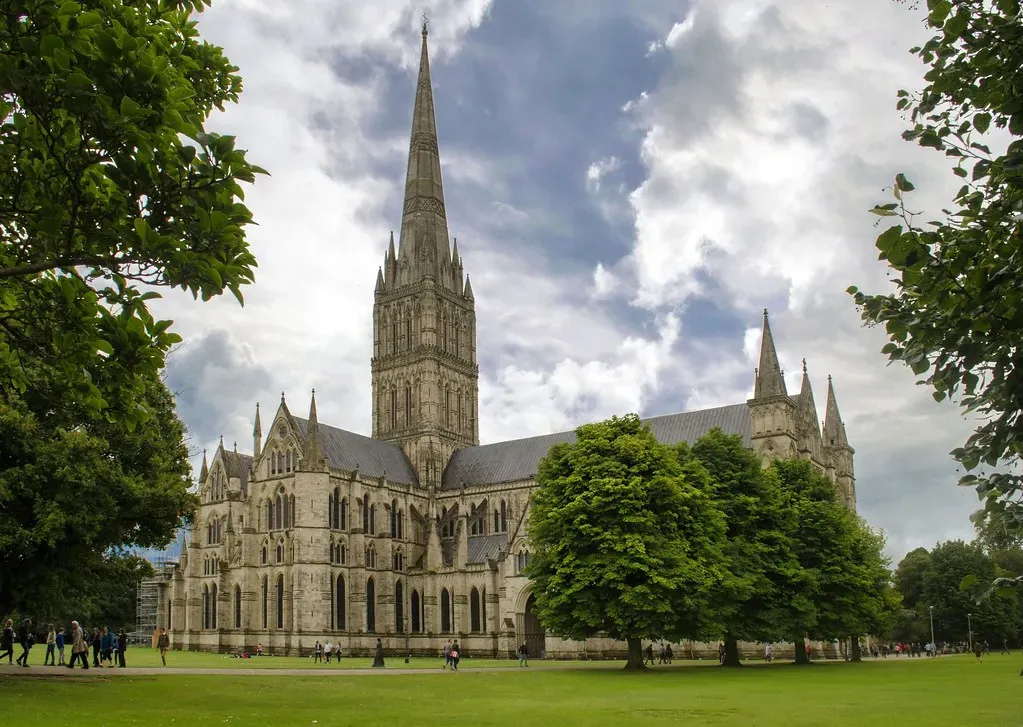
Magna Carta originated as an unsuccessful attempt to achieve peace between royalist and rebel factions in 1215, as part of the events leading to the outbreak of the First Barons’ War. The Magna Carta limited the king’s absolute claim to power. It provided a certain level of religious freedom or independence from the crown, protected barons from illegal imprisonment, and limited the taxes that the crown could impose upon the barons. The Magna Carta established the idea of consultative government, an idea that is central to modern democracy. Though it was initially a document written by and for the barons, its symbolic power grew enormously over the centuries that followed.
Magna Carta was the seed of those powerful concepts of freedom and constitutionally limited government. By the 17th and 18th centuries, those arguing for reforms and greater individual rights and protections used Magna Carta as their foundation. These ideas are at the very center of both the Declaration of Independence and the United States Constitution. Medieval charters, most famously the Magna Carta of 1215, bounded royal prerogative and affirmed that rulers themselves were subject to law. The simple but revolutionary principle that no person, not even a king, stands above the law quietly became one of the most important ideas in human political history.
The Enlightenment, Revolution, and Modern Democratic Foundations

The Enlightenment represented a drastic shift in philosophical thought. It was at the time of the Enlightenment that the French Revolution took place, the monarchy was disposed, and many in Britain felt its influences would spread. Drawing upon Enlightenment philosophical thought, the Declaration of the Rights of Man constituted a definitive articulation of French Revolutionary principles and exerted considerable influence upon the evolution of prevailing conceptions of individual liberty and democratic governance in Europe. Thinkers such as Locke, Montesquieu, and Rousseau essentially handed future revolutionaries both the vocabulary and the justification to demand political self-determination.
The classical example that inspired the American and French revolutionaries, as well as English radicals, was Rome rather than Greece, and in the age of Cicero and Caesar, Rome was a republic but not a democracy. Following Rousseau, “democracy came to be associated with popular sovereignty instead of popular participation in the exercise of power.” England’s Bill of Rights received royal assent on December 16, 1689. It formally enacts the Declaration of Right, presented by the Convention Parliament to William III and Mary II in February 1689, inviting their accession as joint sovereigns. These revolutionary moments collectively produced the blueprints that modern democratic governments still draw from today.
The 20th Century and the Expansion of Democracy Worldwide

Since the middle of the 20th century, most countries have claimed to be democratic, regardless of the actual composition of their governments. Though democratic ideals and processes did not survive in ancient Greece, they have been influencing politicians and governments ever since. Modern representative democracies, in contrast to direct democracies, have citizens who vote for representatives who create and enact laws on their behalf. The post-World War II era saw a global proliferation of democratic institutions, from the reconstruction of Western Europe to decolonization movements across Asia and Africa.
With over 4 billion citizens in some 65 countries participating in an election in 2024, the year was heralded as a historic period and test for democracy. Political violence and manipulation of elections, ongoing armed conflicts, and deepening repression in 2024 resulted in the 19th consecutive year of decline in global freedom, according to a report released by Freedom House. The best overall country scores were those of Finland (100), Sweden (99), New Zealand (99), Norway (99), Canada (97), Denmark (97), San Marino (97), the Netherlands (97), Ireland (97), and Luxembourg (97). These rankings underline how uneven the global democratic experience truly is.
Democracy Under Pressure: The State of Freedom in 2024–2026
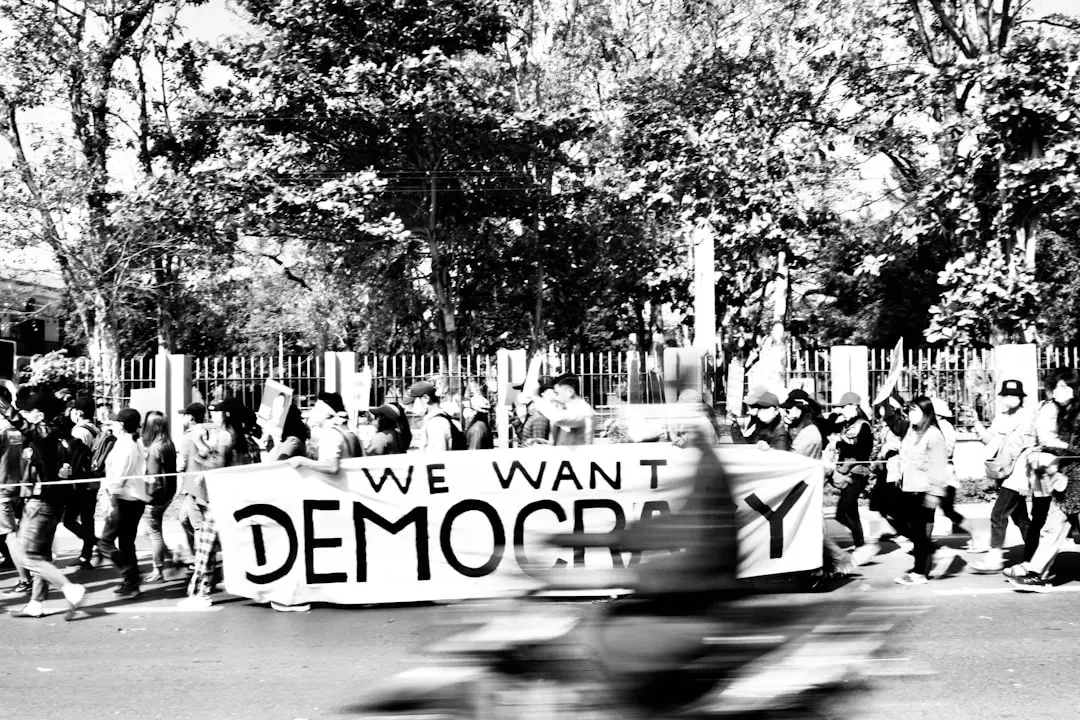
In their annual Freedom in the World report, Freedom House announced a global decline in freedom scores for the 19th consecutive year. Political rights and civil liberties deteriorated in 60 countries, with El Salvador, Haiti, Kuwait, and Tunisia comprising the largest score declines. The Economist Intelligence Unit reports a global average democracy score of 5.17, down from 5.23. That number carries weight because EIU says it is the lowest global score since the index began in 2006. Only 6.6% of the world’s population lives in states defined as full democracies according to the EIU. Almost three quarters of the world’s population, some 72%, live in autocracies according to the V-Dem Institute.
Today, roughly 40% of the world’s population lives in countries ranked as “Not Free,” another 40% in “Partly Free” nations, and just 20% in “Free” countries. Of the 66 countries and territories that hosted national elections in 2024, some 40 percent featured election-related violence. Candidates were attacked in at least 20 countries, while polling places were attacked in at least 14. Globally, voter turnout has fallen by almost 10% in the last 15 years, and for the first time in more than 20 years, the world now has fewer democracies than autocracies, according to the V-Dem Institute. The data from 2024 and early 2025 is a stark reminder that democratic governance is never a finished project. It requires active defense, civic engagement, and the kind of institutional resilience that took millennia to build.