
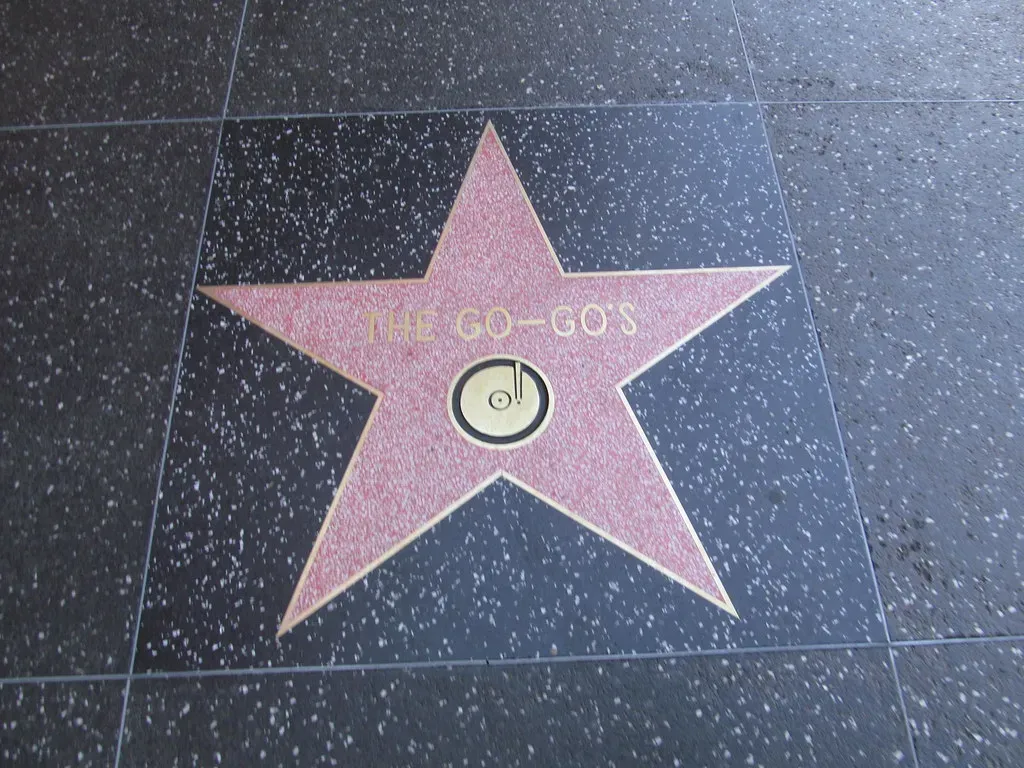
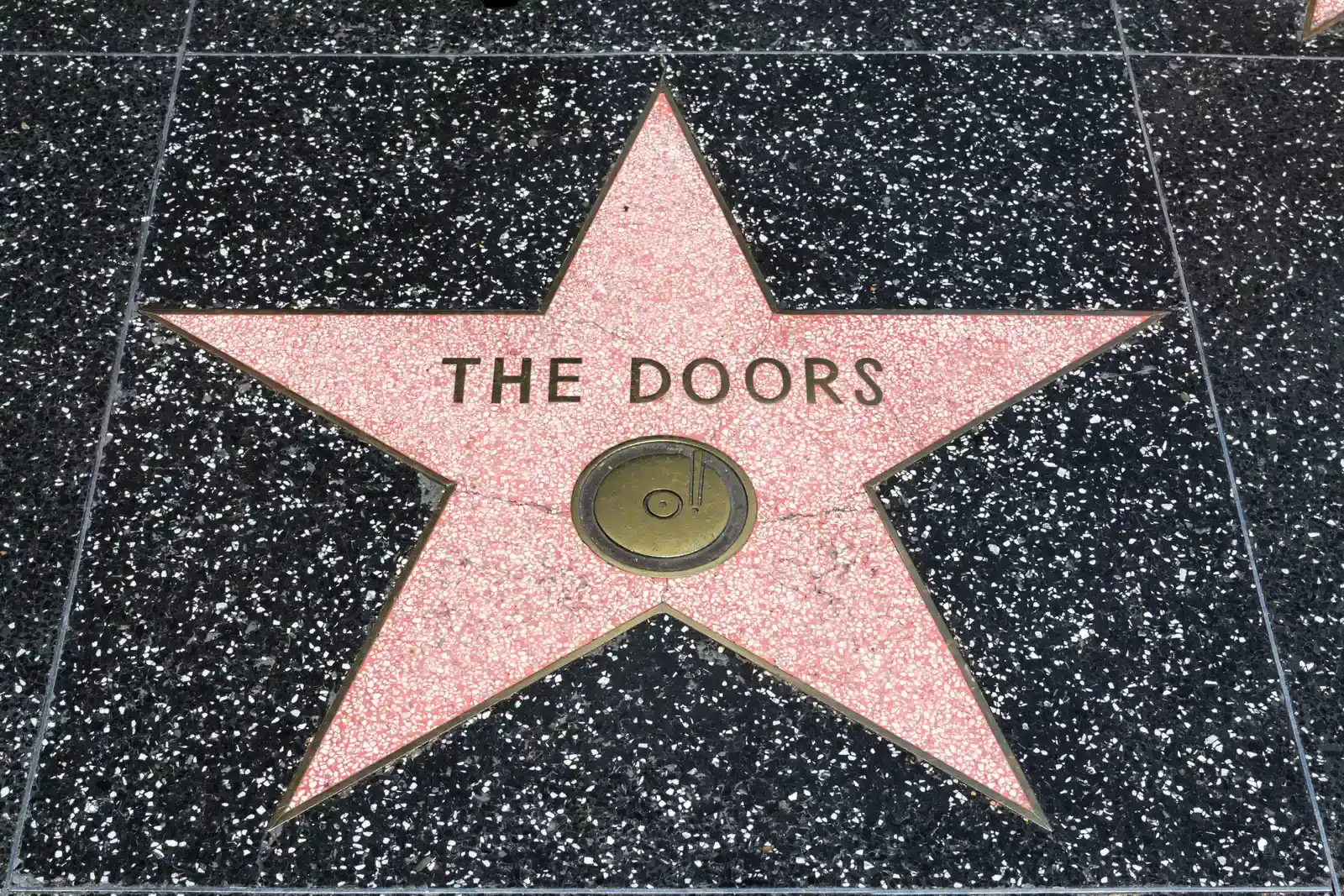
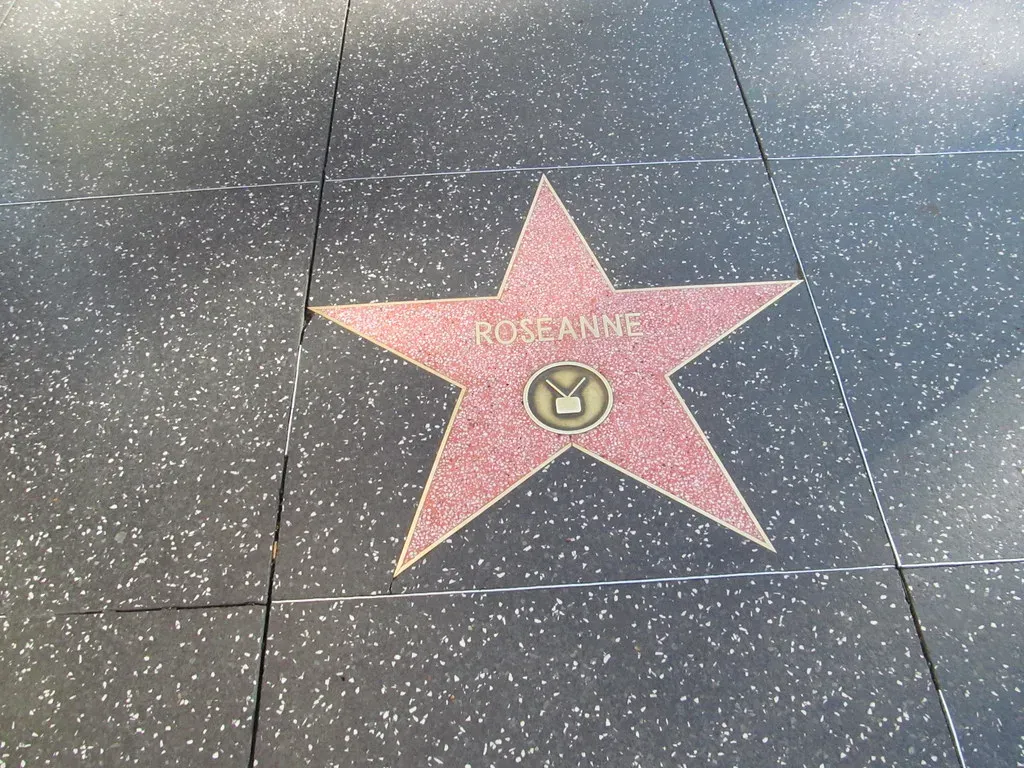
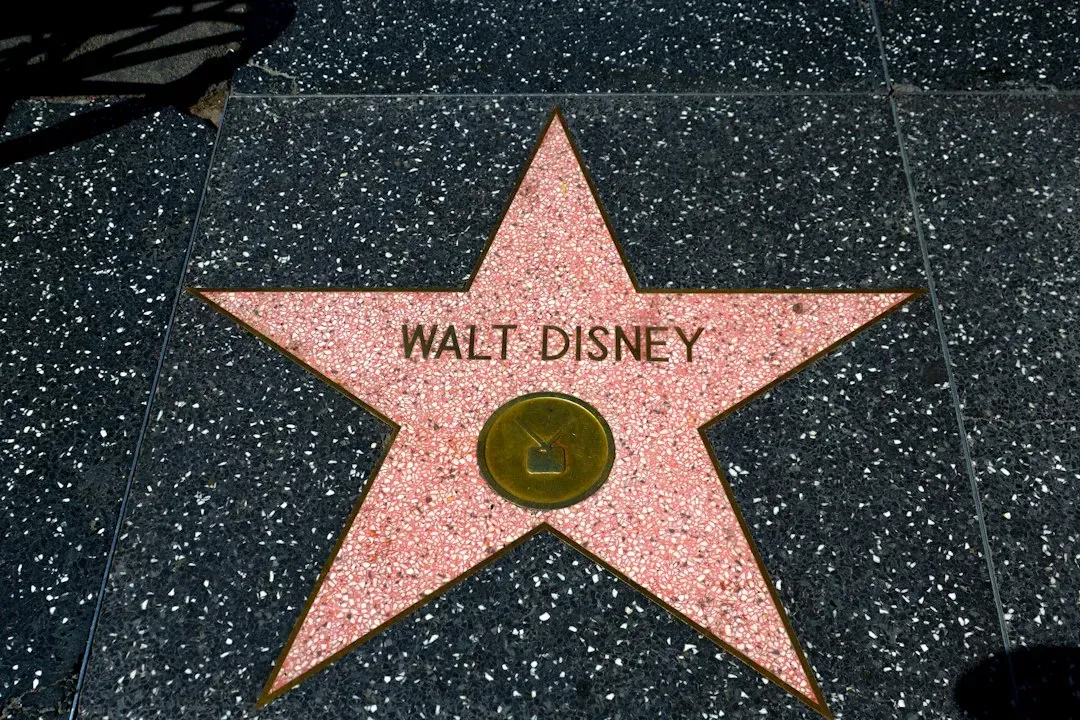
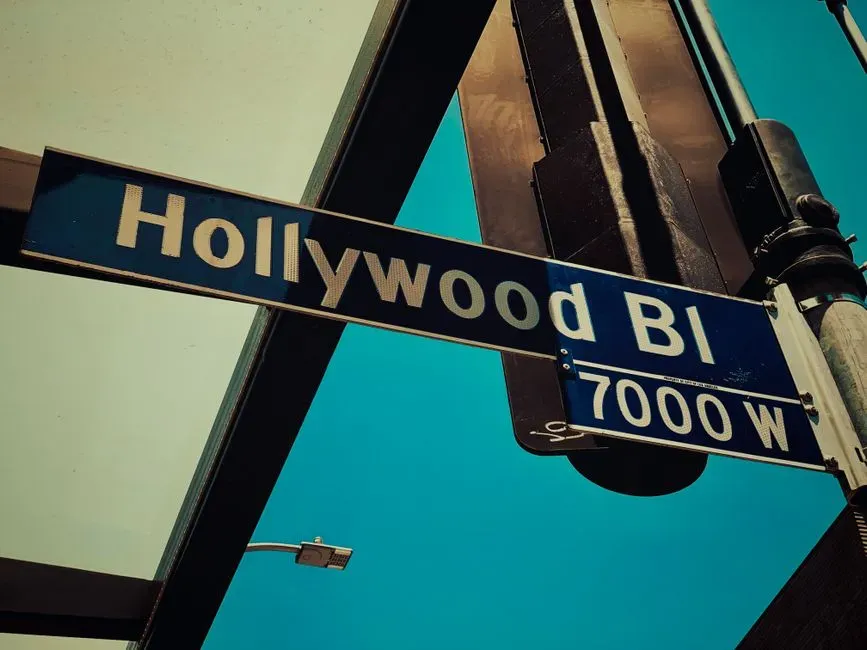
Walk down Hollywood Boulevard and you’ll see more than 2,700 pink terrazzo stars set into the sidewalk, each with a name and a small brass emblem. Most visitors assume the stars are prizes handed out by some glittering academy. The money behind them tells a more complicated story.
The process is part nomination, part committee vote, and part fundraising. Here’s how it works in 2026, who covers the bill, and what a star does and doesn’t give you.
A Star Is Applied For, Not Simply Awarded
The Walk of Fame doesn’t pick names from thin air. Someone files a nomination with the Hollywood Chamber of Commerce during a spring window, pays a $275 application fee, and includes a signed letter of agreement from the honoree. That means the honoree has to be willing before anything moves forward.
So the common idea that a celebrity can’t just apply for themselves is only half right. Fans, studios and publicists usually do the legwork, but the honoree must consent in writing. The Chamber, not a government body, runs the program.
The Nomination Window and Fee
Nominations are accepted only once a year. For 2026 the filing window ran from April 1 to May 15 at 12 noon Pacific Time. Miss it, and you wait for the next cycle.
The application fee is small compared with what follows. It covers processing of the nomination packet for one category and one candidate. Think of it as an admin charge, not the price of the star.
The $85,000 Sponsorship Fee
The real cost arrives after selection. A sponsorship fee of $85,000 comes with the star, covering its creation, installation and the maintenance of the Walk of Fame. That figure has crept upward over the years, and some older or lower figures still circulate online. One tour company page, for example, still cites $75,000, so it’s worth checking the official source.
The fee isn’t a payment to the celebrity. According to the official Walk of Fame, it covers the star’s creation and installation, the inauguration ceremony and maintenance of the landmark.
Who Actually Pays

On paper, the responsibility sits with the honoree. The Chamber’s nomination FAQ assigns the $85,000 to the nominee or honoree, separate from the $275 paid by whoever files the application. In practice, someone else often covers it.
Reporting on the topic notes that the fee is typically collected from a sponsor such as a film studio, a record label, or an enthusiastic fan club. Another source says the sponsor must agree in writing to cover the amount. Who foots the bill varies by case.
How the Selection Committee Decides

Once the window closes, the nominations go to a committee. The published procedure lists six categories, a June committee vote, and approval by the Chamber board and the Board of Public Works, with 24 to 30 selections. That cap keeps the Walk growing at a measured pace.
The six categories are motion pictures, television, radio, recording, live theatre or live performance, and sports entertainment. Receiving a star is tied to a body of work and contributions to entertainment, not popularity alone.
The Class of 2026 and Class of 2027
The numbers show the program is active. Thirty-five entertainers were announced to receive stars in 2026. The list spans stage, screen, music and sports.
The next group is already set. The Class of 2027 was announced on July 23, 2026, by Walk of Famers Ming-Na Wen and Sheila E. Dedication ceremonies can come well after selection, so a name chosen this year may get its star later.
Deadlines, Ceremonies and Posthumous Honors
Selection doesn’t last forever. Honorees have two years to accept the honor and hold a ceremony before it expires. If that window is missed, the application is deemed invalid and the process starts over.
Posthumous stars face tighter rules. They are limited to one per year, and the person must have been dead for at least two years. Ceremonies themselves are open to everyone, since there is no admission charge to attend a star ceremony on Hollywood Boulevard.
What a Star Does and Doesn’t Give You
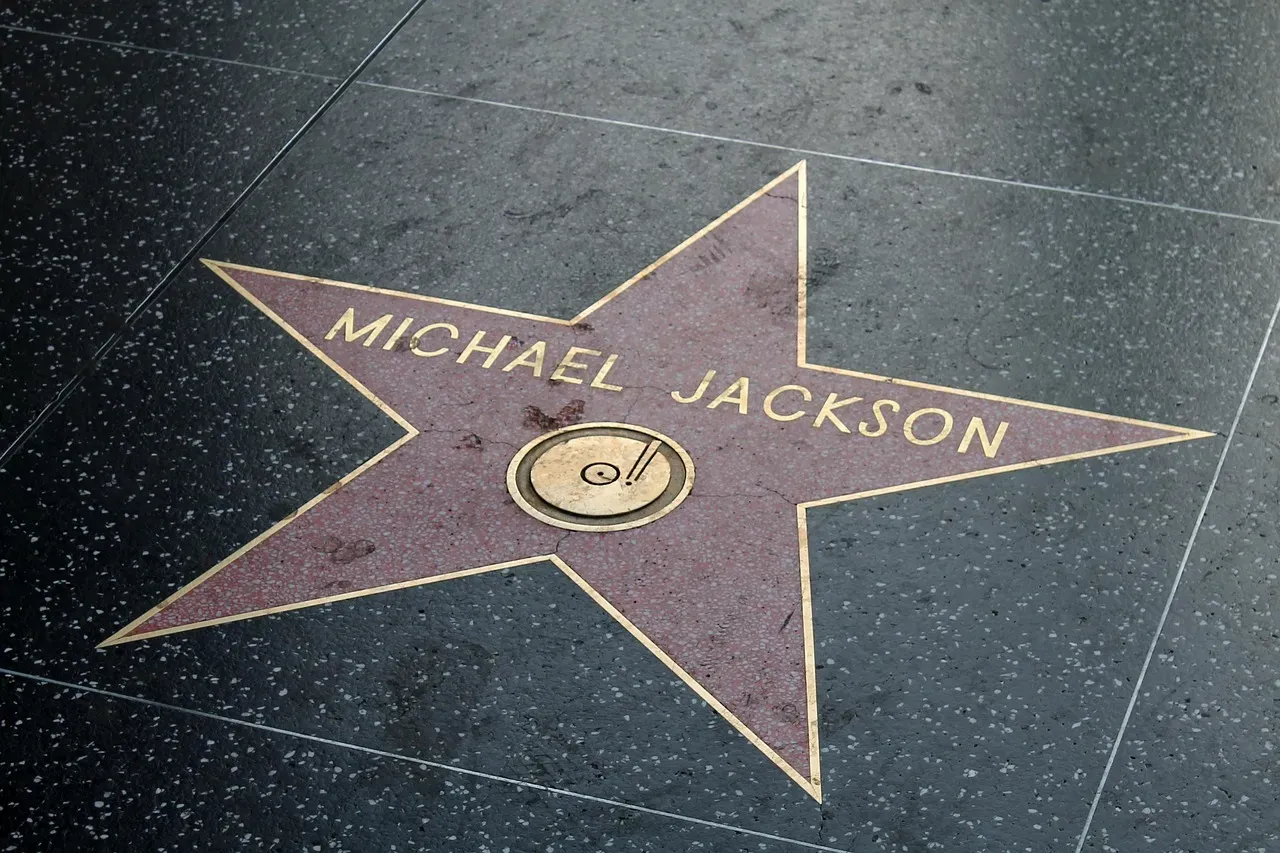
Don’t expect a payday. A star does not come with a cash prize, salary or guaranteed entertainment deals. What it offers is visibility, since the Hollywood Chamber of Commerce describes the Walk as an internationally recognised icon and a major visitor attraction.
Stars are also permanent. A star can’t be removed once placed, because the Walk of Fame is a registered historic landmark, regardless of what becomes of the recipient. That’s why controversial names remain on the pavement alongside everyone else.
The Debate Over Paying for Prestige

The fee regularly sparks criticism. When actor Sarah Paulson received a star, fans questioned whether the honour is truly earned or effectively bought. The structure does look odd to people who expect an award to be free.
The Chamber’s defense is that the money pays for the physical work. The fee has been described as compulsory and entirely non-profit, covering the whole undertaking. Selection still depends on a committee vote, and the fee applies only after a name has been chosen.
Other Walks Charge Less

Hollywood isn’t the only place with a pay-to-install model. In Las Vegas, each star and ceremony originally cost $15,000, covered by sponsors such as friends, family and fan clubs, and the fee had risen to $25,000 by 2022.
Set beside that, Hollywood’s price tag is far higher. It reflects the Walk’s size, its landmark status and the ongoing upkeep of a busy public sidewalk that millions of visitors cross every year.