Picture this: you’ve just spent three hours wrestling with an IKEA bookshelf, deciphering cryptic instructions that might as well be written in ancient runes. Your back aches, you’ve got a mysterious leftover screw, and you’re pretty sure the thing wobbles. Yet somehow, you gaze at it with more pride than if you’d bought a handcrafted piece from a master carpenter. Sound familiar?
This quirky psychological phenomenon has a name, and it’s more powerful than most of us realize. It shapes our shopping habits, influences major life decisions, and might even explain why your friend won’t shut up about their mediocre homemade sourdough. Let’s dive into why our brains trick us into loving things simply because we put effort into making them.
The Psychology Behind the Effect
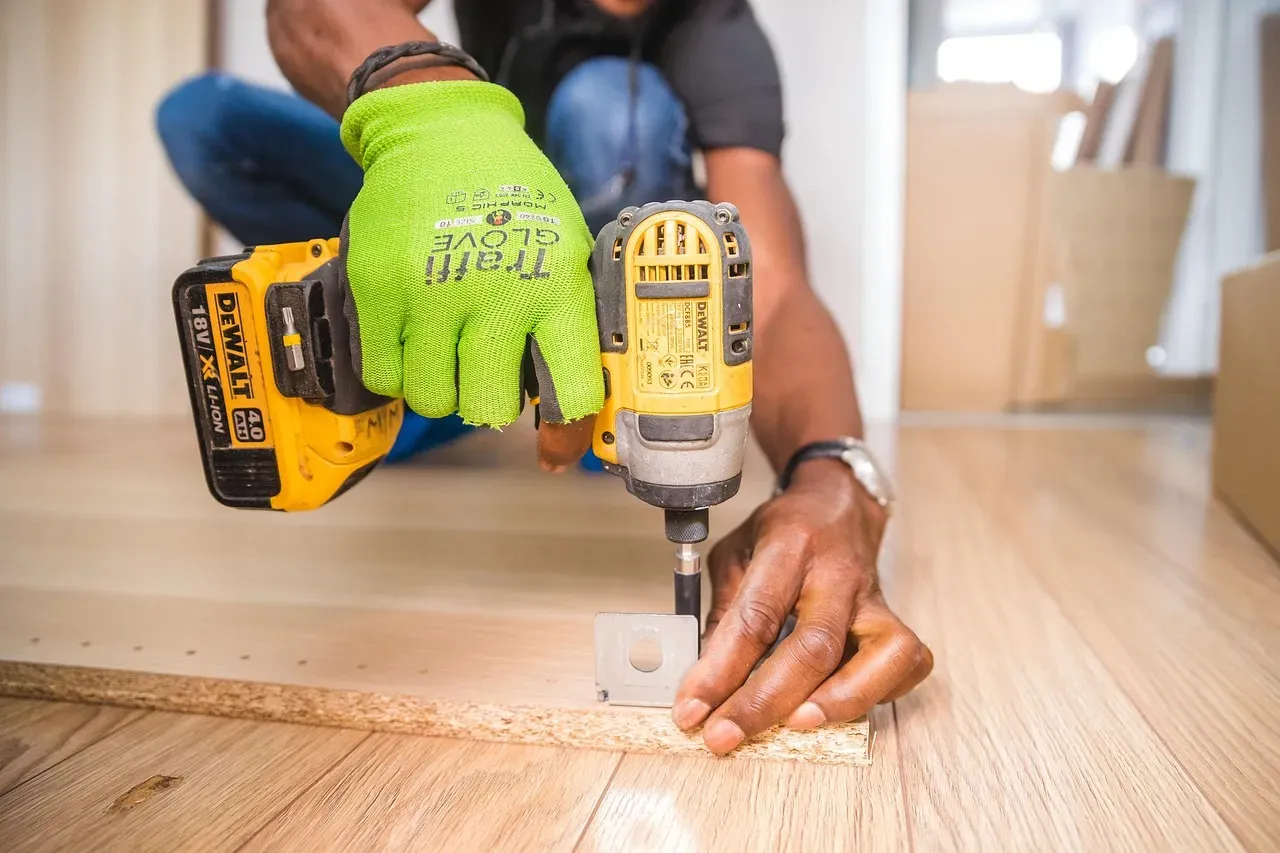
Researchers Michael Norton, Daniel Mochon, and Dan Ariely first documented this behavior in 2011, naming it after the Swedish furniture giant that’s made millions from our willingness to build our own stuff. Their studies revealed something fascinating: people valued their self-assembled creations up to 63% higher than identical items built by others. The brain doesn’t just appreciate the end result. It forms an emotional attachment to the struggle, the time invested, and the sense of accomplishment.
Think about it like this. When you build something yourself, your brain releases dopamine throughout the process, not just at the finish line. Each small victory, each piece that clicks into place, gives you a tiny hit of satisfaction. By the time you’re done, you’ve essentially created a neural pathway that associates that object with positive feelings. It’s not really about the bookshelf anymore.
Why Effort Equals Value in Our Minds
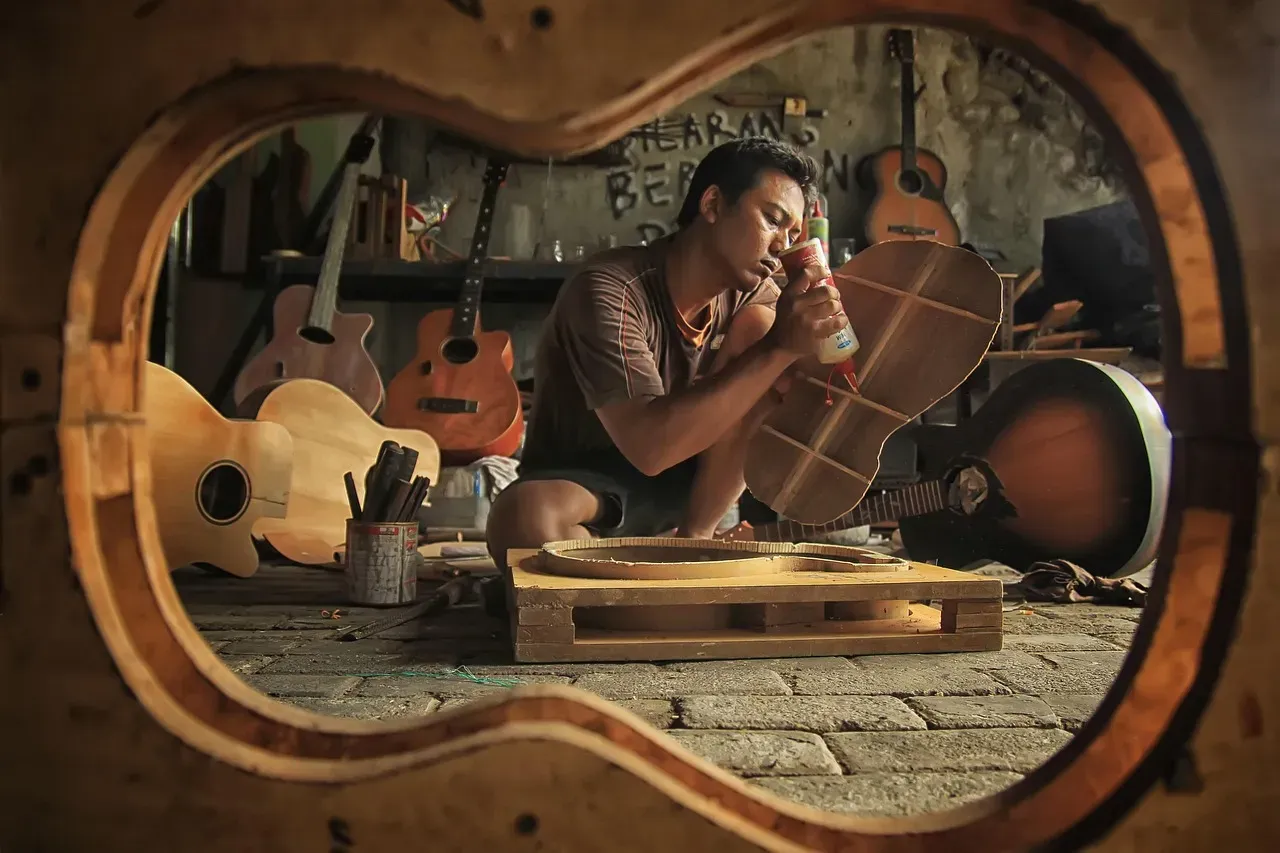
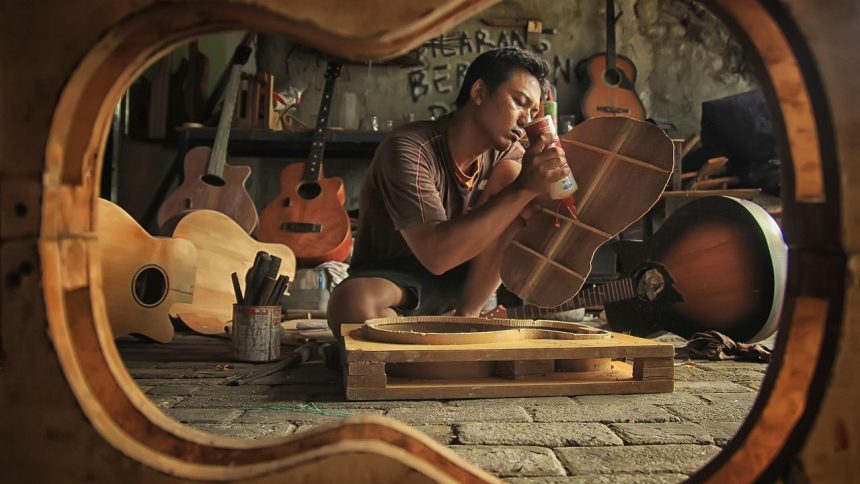
Our ancestors survived by making things with their hands. For thousands of years, the ability to create tools, shelter, and clothing directly correlated with survival. Modern humans still carry that deep-seated appreciation for self-made goods, even though we can buy almost anything ready-made.
The effort you put into something becomes part of its story. When you look at that wonky shelf, you don’t just see wood and screws. You see the Saturday afternoon you sacrificed, the frustration you overcame, the moment you finally figured out which piece was “Panel B.” Your brain interprets all that invested energy as added value. A store-bought shelf has no story, no struggle, no personal triumph attached to it.
The Las Vegas Connection

Here in Las Vegas, this effect plays out in unexpected ways. Visit any local craft fair or arts district, and you’ll see people willing to pay premium prices for handmade goods that objectively aren’t superior to mass-produced alternatives. The Fremont East Entertainment District thrives partly on this principle, with DIY workshops and maker spaces popping up alongside the casinos.
Local businesses have caught on too. Several Vegas restaurants now offer “build your own” options for everything from pizzas to cocktails, charging more than their pre-made menu items. Customers happily pay extra for the privilege of doing the work themselves. It’s the IKEA Effect in action, dressed up with neon lights and a side of fries.
Even the casino industry taps into this psychology. Why do you think table games remain popular despite worse odds than slots? Partly because players feel they have agency, that their decisions matter. That sense of participation, however illusory, makes the experience feel more valuable.
When the Effect Backfires

Here’s the thing though. This psychological quirk doesn’t always serve us well. People often sink money into home renovation projects that never increase the property’s actual value proportionally. They overestimate how much their sweat equity is worth when it comes time to sell.
The business world sees this constantly. Entrepreneurs fall in love with their own ideas simply because they created them, ignoring market feedback that clearly says nobody wants the product. Investors call this “founder’s syndrome,” and it kills promising companies all the time. Your attachment to your creation can blind you to its real worth.
I’ve watched friends refuse to sell handmade items at reasonable prices because they’ve calculated their time at some inflated hourly rate. They’d rather keep the thing gathering dust than accept what the market actually values it at. It’s hard to watch, honestly.
The Dark Side of DIY Culture
Social media has turbocharged the IKEA Effect into something almost toxic. Instagram and Pinterest overflow with immaculate DIY projects that look effortless but actually required professional-level skills and expensive tools. People compare their genuine first attempts to someone else’s carefully curated, heavily filtered masterpiece.
This creates a weird pressure to make everything yourself. Can’t just buy a birthday cake anymore, you should bake and decorate it from scratch. Regular furniture isn’t good enough, everything needs to be upcycled or refurbished. The effect that once brought satisfaction now brings guilt and inadequacy.
Meanwhile, we’re collectively devaluing skilled labor. Why hire a carpenter when you can watch a YouTube tutorial and do it yourself? Except your version takes four times longer, costs nearly as much in materials and tools you’ll never use again, and looks demonstrably worse. But hey, at least you built it yourself.
Why Companies Exploit This Tendency

Corporations absolutely love the IKEA Effect because it lets them charge you for the privilege of doing their work. Build-a-Bear Workshop built an empire on this concept. Kids could buy a pre-stuffed animal for half the price, but instead they pay premium rates to stuff it themselves.
Meal kit services like HelloFresh operate on similar principles. You’re essentially paying restaurant prices for groceries and recipes you have to cook yourself. The companies save on labor costs and commercial kitchen expenses, while customers feel accomplished for “cooking from scratch.” Everyone wins, except maybe your wallet.
The brilliant part is that customers genuinely feel they’re getting better value. They’re not being tricked exactly. The psychological benefit is real, even if the economic logic is questionable. Your brain doesn’t care that you overpaid, it just knows you made something and feels good about it.
Cultural Variations and the American DIY Obsession
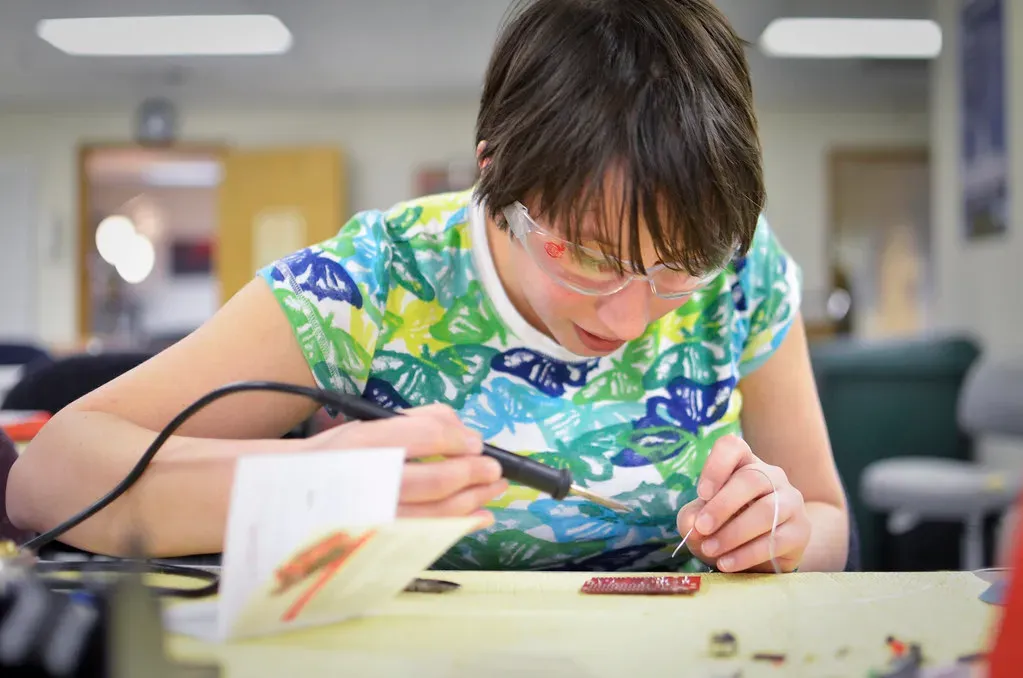
Americans exhibit the IKEA Effect more strongly than many other cultures. The whole “pull yourself up by your bootstraps” mentality feeds directly into this. Making something yourself isn’t just practical, it’s virtuous. It proves you’re self-reliant, resourceful, capable.
In contrast, cultures that place higher value on craftsmanship and specialization show less of this effect. Japanese consumers, for instance, often prefer expertly made goods over DIY alternatives. They appreciate the years of training behind a master craftsman’s work. The Western obsession with doing everything yourself seems almost disrespectful to dedicated artisans.
Las Vegas’s melting pot of cultures creates interesting tensions around this. You’ll find third-generation locals who insist on making their own tamales for the holidays standing in line next to transplants buying meal kits at Whole Foods. Both groups think they’re being authentic, just in different ways.
The Bottom Line on Building
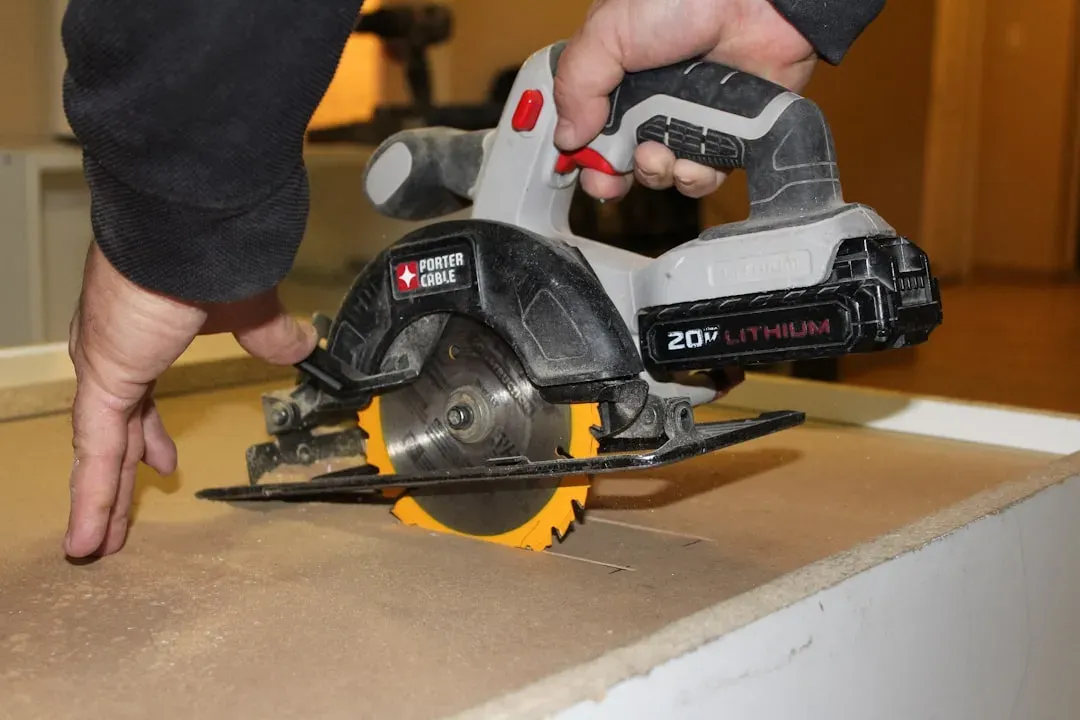
The IKEA Effect is neither good nor bad, it’s just a quirk of human psychology we need to understand. It can motivate us to learn new skills, provide genuine satisfaction, and build confidence. It can also trap us in bad decisions, waste our resources, and blind us to reality.
Being aware of the effect doesn’t make it go away. You’ll still feel disproportionately proud of things you make yourself. That’s fine. The goal isn’t to eliminate the feeling, just to recognize when it’s influencing important decisions about value, worth, and where to invest your limited time and money.
Next time you’re admiring something you built, take a moment to separate the genuine quality from your emotional attachment. Appreciate the journey without kidding yourself about the destination. And maybe, just maybe, hire a professional for that electrical work instead of trusting a YouTube tutorial.
What’s your most overvalued DIY project sitting at home right now? The one you insist is amazing despite overwhelming evidence to the contrary? We all have at least one. Share your stories in the comments, and let’s celebrate our beautiful, slightly crooked creations together.