Think back just a decade ago when discovering a music festival meant stumbling across a poster at a record shop or hearing about it through word of mouth. Now? Your phone buzzes with clips of dazzling light shows, your favorite artist shares backstage stories on TikTok, and a single viral moment can sell out a festival in hours. Social media has done more than change how festivals market themselves. It’s rewritten the entire rulebook on how events are found, shared, and ultimately sold. For festival organizers in 2025, mastering these platforms isn’t just an advantage; it’s essential for survival in an increasingly crowded marketplace.
Social Media as the Primary Discovery Tool
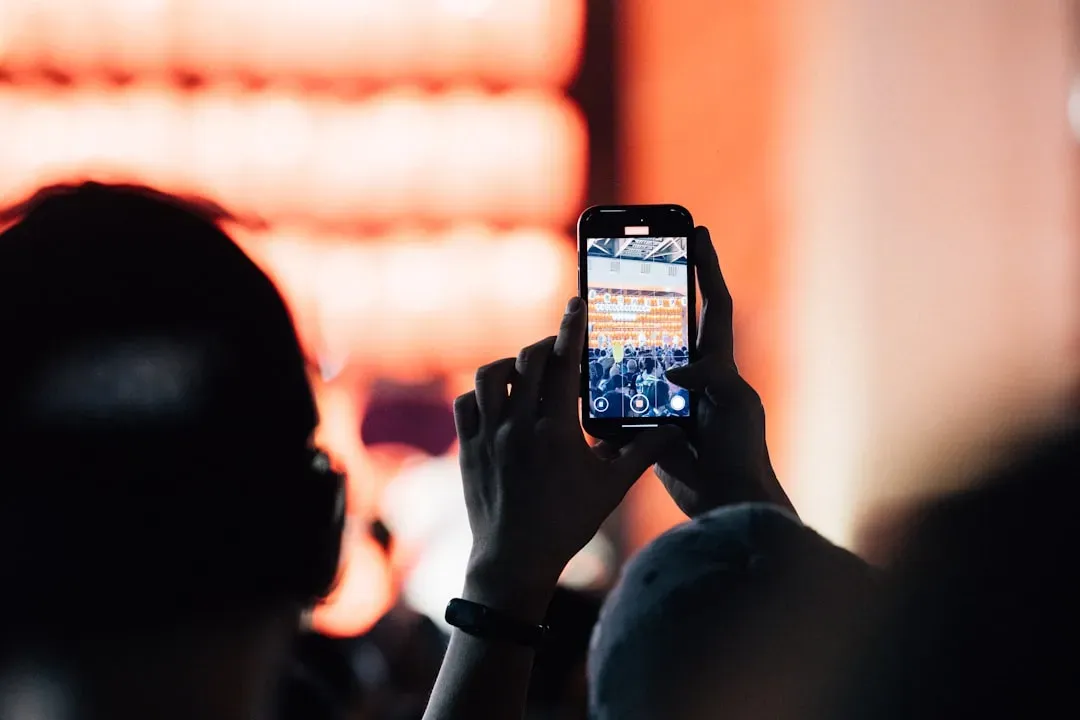
A 2024 Eventbrite study found that 75% of the social conversations about music festivals are created by fans in the 17-34 age group. Here’s the thing though: discovery has moved almost entirely online. Social media has completely changed how people learn about concerts today, with 78% of concertgoers discovering events through social media. Instagram posts featuring festival lineup announcements, TikTok clips of previous years’ performances, and Facebook event pages have replaced traditional advertising channels almost completely.
It’s pretty wild when you realize how much the landscape has shifted. Younger attendees especially rely on these platforms not just for entertainment but as their go-to search engines. A survey by Resolve found that 53% of Gen Z now go to TikTok, Reddit, or YouTube before Google when seeking information. This fundamental change means festival marketers must prioritize where their audience actually spends time rather than where marketing traditionally happened.
TikTok’s Explosive Influence on Festival Buzz
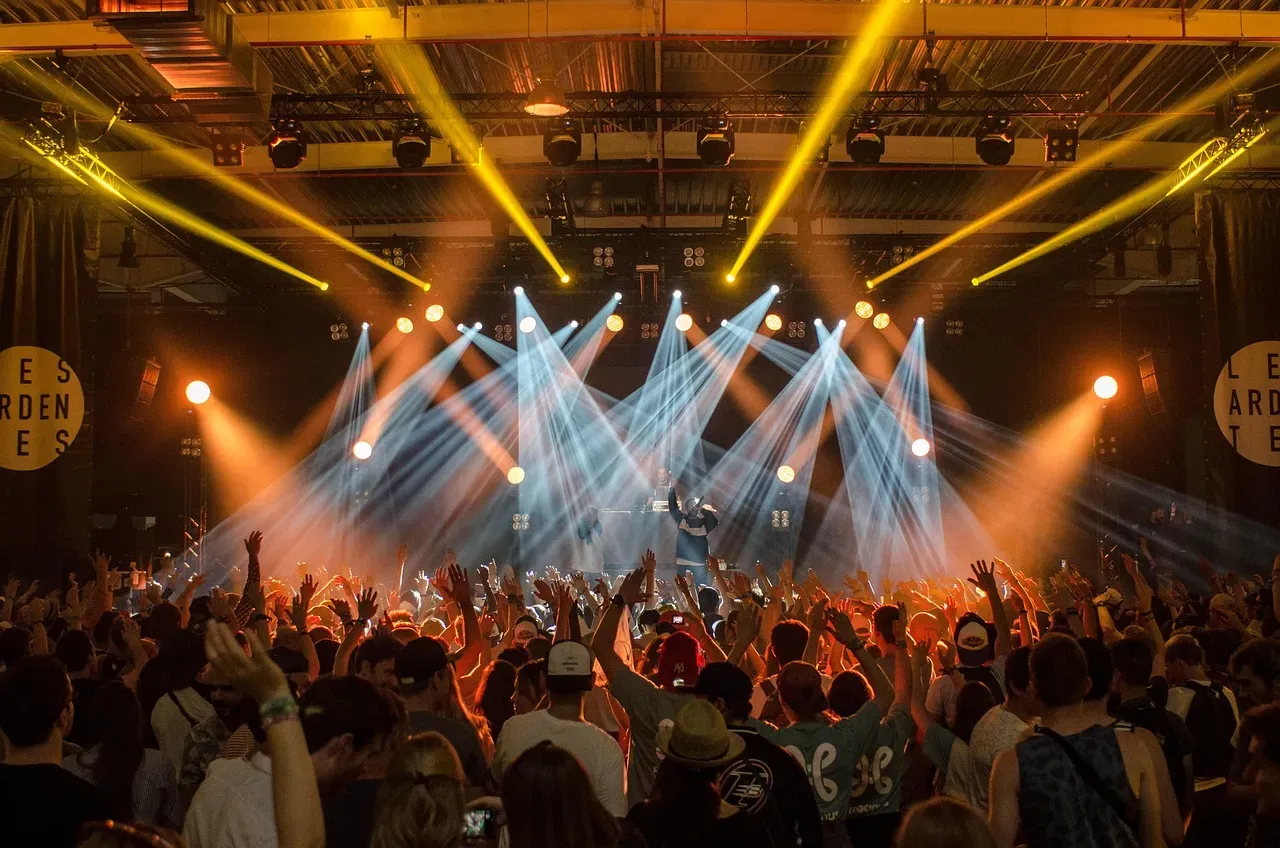
Let’s be real: TikTok has become the undisputed champion of festival marketing in the last few years. TikTok remains their top discovery platform, especially for shopping (77%) and for Gen Z using it to find new items. The short-form video format is perfect for capturing festival energy in bite-sized, shareable moments. A thirty-second clip of a headliner’s surprise appearance or a drone shot of the crowd can rack up millions of views overnight.
17% of Gen Z uses TikTok to research products before purchasing, far more than any other generation. What makes TikTok particularly powerful is its algorithm that pushes content to users who haven’t even heard of a festival yet. Honestly, it’s changed the game for smaller festivals trying to break through the noise created by industry giants like Coachella and Lollapalooza.
Platform Shifts Reflect Changing Audience Preferences
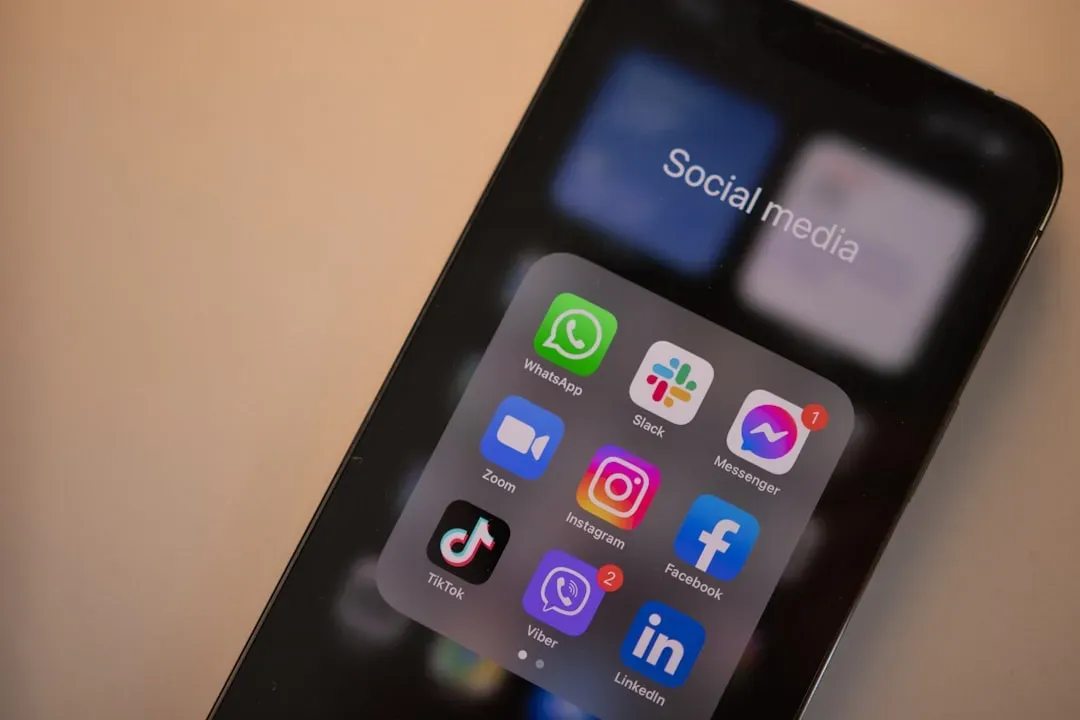
The social media landscape never sits still, and 2025 has brought some interesting changes to where festival audiences spend their time. Instagram is now more popular among Gen Z than millennials, with 52.4 million Gen Z users in 2025. Facebook, once the dominant platform for event pages and ticket information, is slowly losing ground among younger demographics, though it still holds value for older millennials and Gen X attendees.
Instagram and TikTok are essential platforms for electronic music fans in 2025, with electronic music festivals increasingly leveraging TikTok’s algorithm-driven recommendations to engage with younger, trend-conscious audiences. Each platform serves a distinct purpose in the marketing funnel. Smart organizers tailor content specifically for each channel rather than recycling the same posts everywhere.
Data-Driven Marketing Reshapes Ticket Pricing

Here’s where things get technical but really fascinating. Festival organizers now have access to mountains of social media data that help predict demand and optimize pricing strategies. Tracking metrics like the number of RSVP responses on Facebook events, festival hashtag mentions on Twitter/Instagram, TikTok video views related to the fest, and even Google search trends for your event name provides real-time insight into how excited people are, and a spike in mentions or searches after a lineup announcement often correlates with a surge in ticket sales.
This isn’t guesswork anymore. Over 90% of event planners are now using AI in some form during their planning process. By analyzing engagement rates, comment sentiment, and share velocity, organizers can adjust ticket tiers, create scarcity tactics, and time their marketing pushes for maximum impact. It’s hard to say for sure, but this data-driven approach probably explains why some festivals sell out in hours while others struggle to fill capacity.
User-Generated Content Amplifies Reach
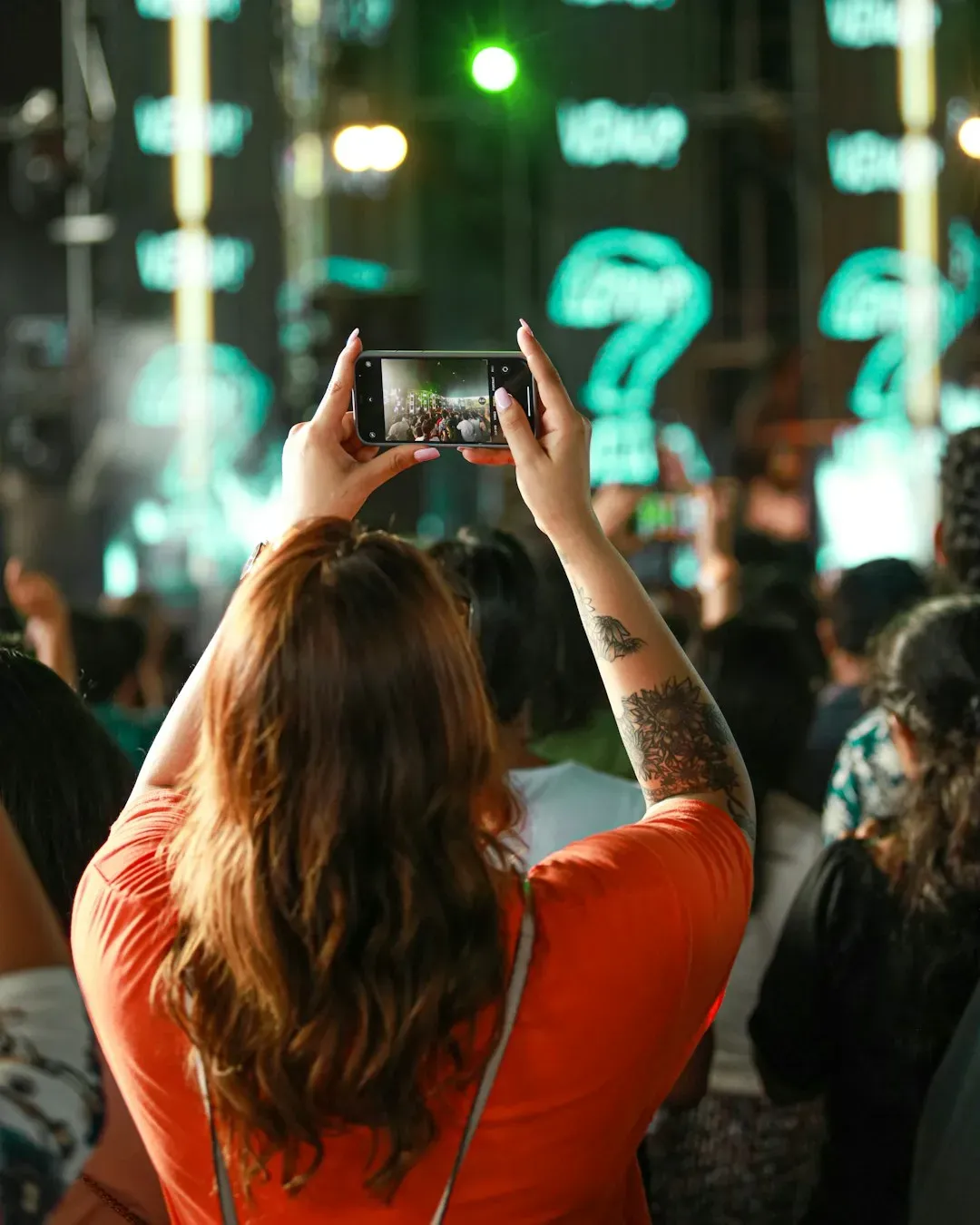
More than half of festival attendees turn their experiences into online content, with photos, videos, and stories posted to platforms amplifying festival marketing for free. Think about it: every attendee becomes a micro-influencer for the event. When someone posts a story of themselves dancing at the main stage or shares a reel of the festival grounds at sunset, they’re essentially creating authentic advertising that money can’t buy.
According to Sprout Social’s industry research, user-generated content from festivals receives 28% higher engagement than brand-created content. The trust factor is huge here. People believe their friends’ festival experiences more than polished promotional material. Nearly 70% of attendees use branded hashtags to share content. Organizers who create Instagram-worthy photo opportunities and encourage hashtag use essentially turn their entire audience into a marketing team.
Influencer Partnerships Drive Ticket Conversions
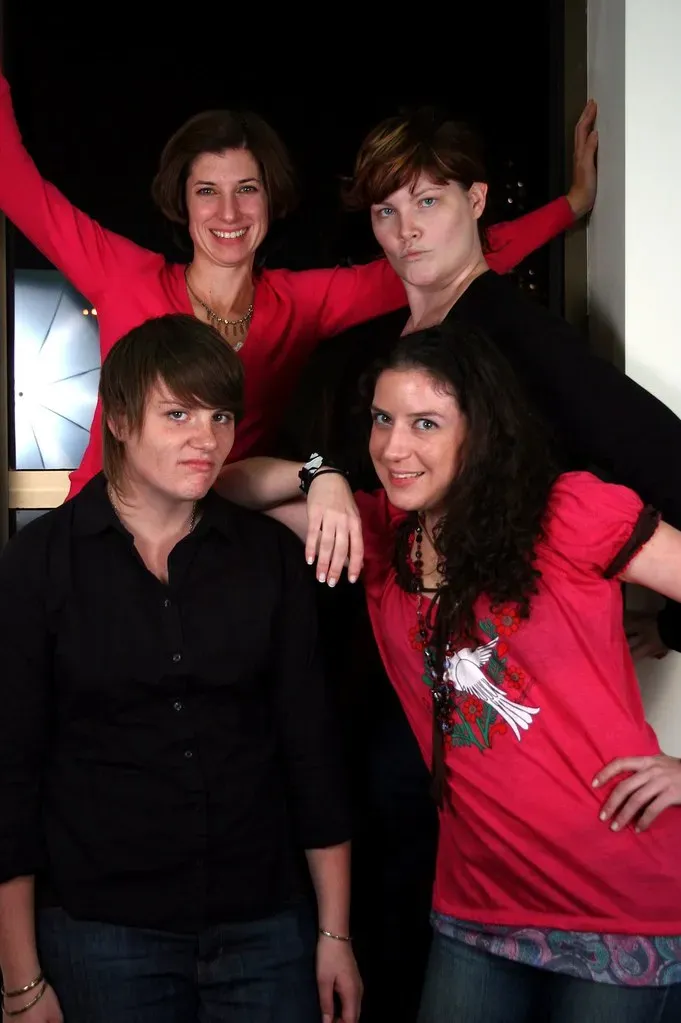
Influencer marketing has evolved from a nice-to-have to an absolute necessity for festival success. 68% of Gen Z consumers would pay higher prices for influencer-endorsed events, according to Eventbrite’s 2024 research. The strategy here isn’t just about getting someone with a big following to post once; it’s about authentic partnerships that resonate with specific audiences.
44% of Gen Z have made a purchase based on an influencer’s endorsement. In 2025, #RevolveFestival trended for over 48 hours on TikTok and Instagram, outperforming even Coachella headliners in hashtag visibility. Successful campaigns pair macro-influencers for reach with micro-influencers for community engagement, creating a multi-layered approach that converts followers into ticket buyers.
Mobile Optimization Becomes Non-Negotiable
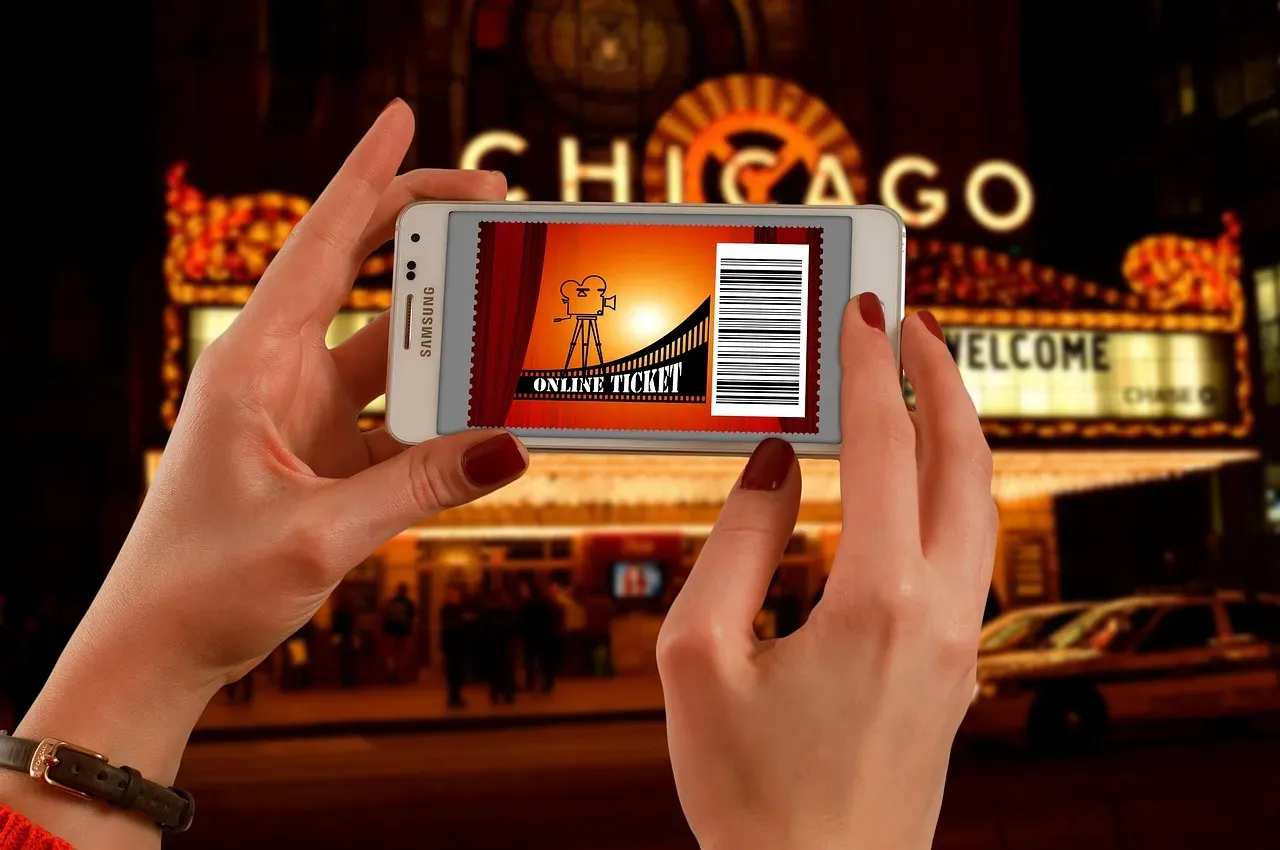
Mobile ticketing has become the go-to method for fans because of its speed and convenience, with most people preferring to use their smartphones instead of desktops when making last-minute ticket purchases. Let me put this simply: if your ticket purchase process isn’t seamless on mobile, you’re losing sales. Period.
12% of ticket sales are made through direct integrations with social media platforms like Facebook and Instagram. 65% of festivals now use mobile ticketing. The modern festival-goer discovers an event on social media, researches it on their phone during a coffee break, and buys tickets while commuting home. Every friction point in that mobile journey represents lost revenue.
Real-Time Engagement Creates FOMO
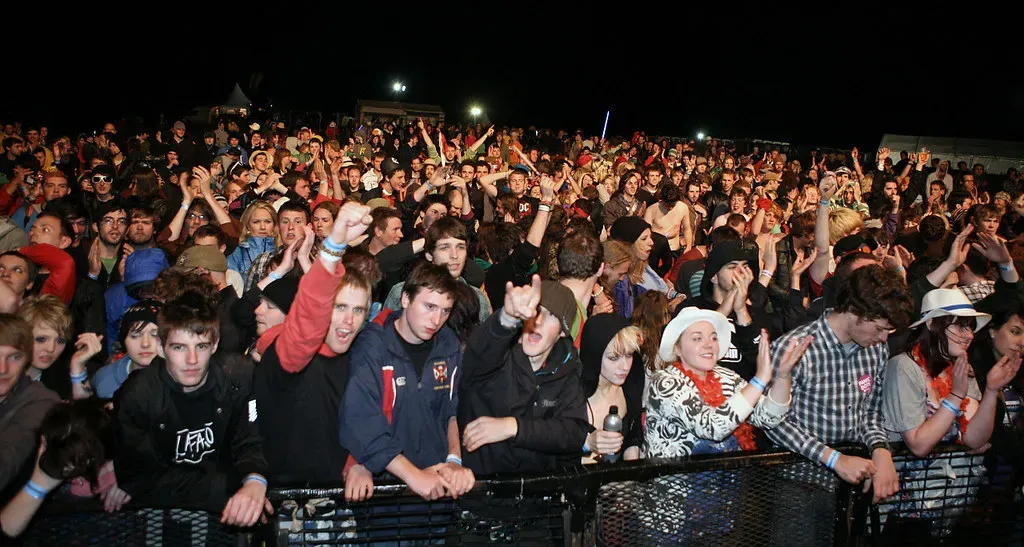
One of the most powerful psychological tools in the festival marketer’s arsenal? FOMO, or fear of missing out. High engagement from boosting “sold out” assets or promoting the “on-site” experience of the festival while it’s actively happening targets those on-site, but it’s also a signal to those who aren’t, leveraging FOMO into user comments and tags of their friends creates more incentive to buy earlier in the festival cycle next year.
Live streaming has become a core promotional strategy, with more than 70% of organizers using platforms like Instagram Live or YouTube to showcase festivals, generating buzz, allowing remote fans to engage, and building anticipation. When people see their feeds flooded with festival content during the event weekend, those who didn’t attend feel that sting of missing out. Smart organizers capitalize on this emotion year-round.
Measuring Success Beyond Ticket Sales
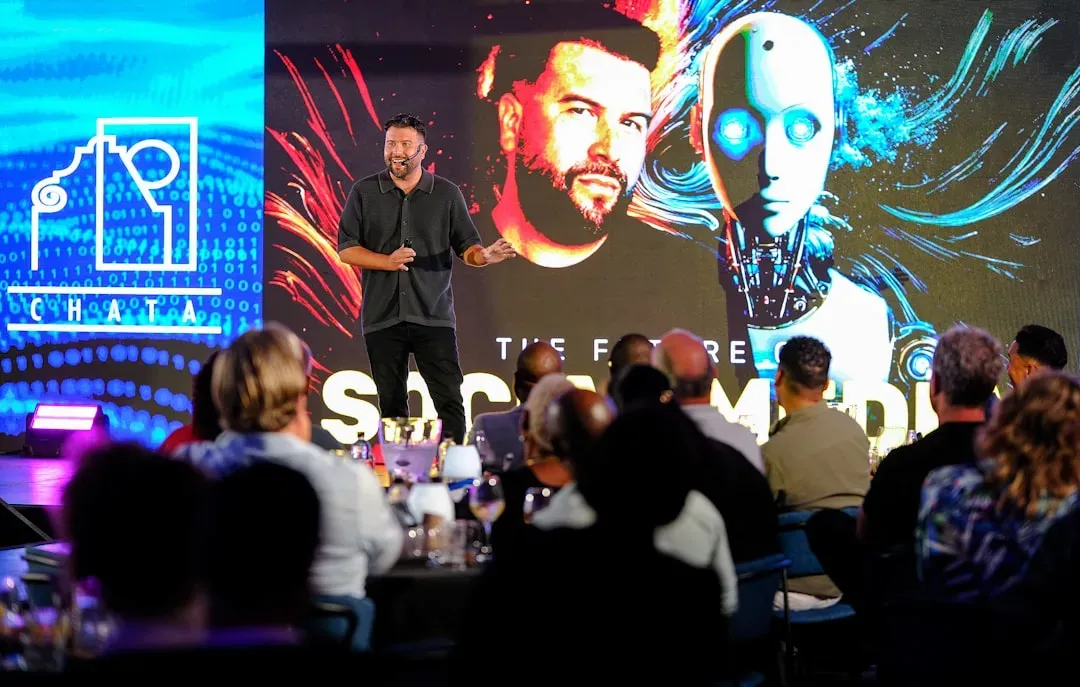
Here’s something interesting: success metrics have expanded far beyond simple ticket counts. Social media engagement is highest, with 55% of attendees sharing live updates. Engagement rate on promotional posts should stay at 4% or higher to signal authentic interest. Festival organizers now track sentiment analysis, share velocity, hashtag performance, and conversion rates from social platforms to actual sales.
Festivals that implement structured post-event analysis experience 27% higher year-over-year growth than those without formal review processes. The data collected during and after festivals feeds directly into next year’s strategy. Which posts drove the most engagement? What content types converted best? These insights shape everything from lineup announcements to ticket pricing structures for future events.
The Evolution of Festival Marketing Campaigns
There was a remarkable increase in total likes, with 1,991,879 more likes in 2024, reaching a total of 10,442,182 compared to 8,450,303 in 2023. What’s driving this growth? Increasingly sophisticated multi-platform campaigns that recognize each social channel serves a different purpose. TikTok creates viral awareness. Instagram builds aspiration and community. Twitter handles real-time updates and customer service.
The most successful festivals in 2025 aren’t just throwing content at the wall to see what sticks. Winning strategies combine TikTok teasers, influencer vlogs, email hype loops, Spotify playlists, and even pre-event IRL stunts. It’s about creating a cohesive narrative across channels that builds anticipation from the moment tickets go on sale until the final artist leaves the stage. The festivals that master this integrated approach? They’re the ones consistently selling out and commanding premium ticket prices.
Social media hasn’t just influenced festival marketing and ticket sales; it has fundamentally transformed the entire ecosystem. From discovery to purchase to post-event content sharing, every touchpoint now happens in digital spaces where audiences gather. What surprises you most about how far we’ve come?