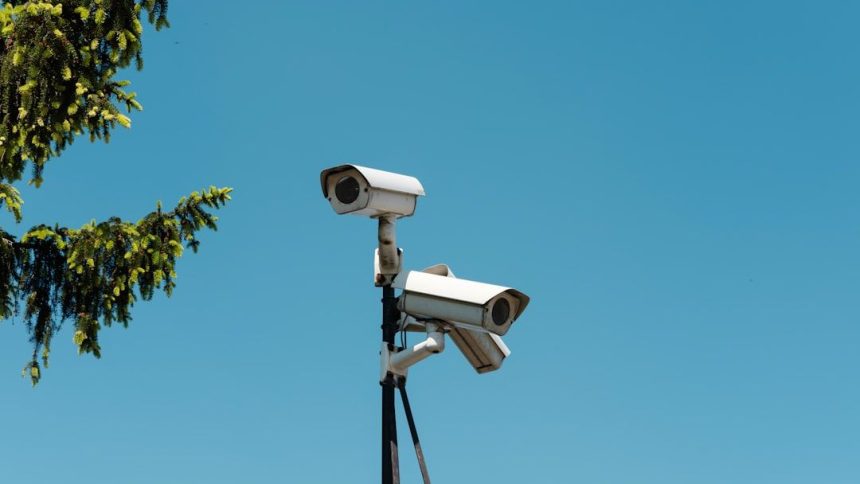
Few things have reshaped criminal investigations as dramatically and as quickly as surveillance technology. In the span of a single generation, detectives who once relied almost entirely on witness interviews and shoe-leather legwork now have access to systems that can scan thousands of camera feeds, read license plates at highway speed, and match a face from blurry CCTV footage to a database entry in seconds. It is, honestly, a bit mind-bending when you stop to think about it.
The transformation is still unfolding. From AI-powered predictive tools to drone fleets that outnumber officers on a city block, the pace of adoption has outstripped the pace of regulation, public debate, and in many cases, basic training. So let’s get into it – what does this technology actually do, how well does it work, and what are we trading away to get it?
The Rise of CCTV and Video Surveillance as an Investigative Backbone

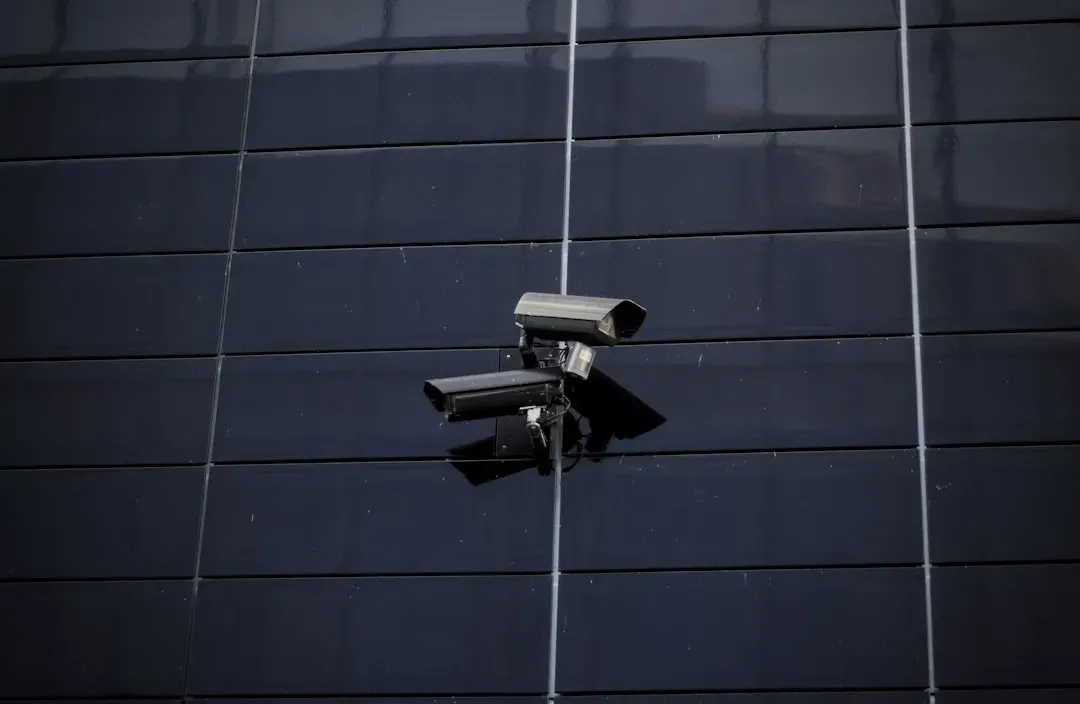
Security cameras with monitoring do more than act as a deterrent. When crimes occur, they provide invaluable evidence that helps law enforcement in their investigations and brings perpetrators to justice – footage can make the difference between an unsolved case and a fast resolution. That much is fairly uncontroversial. What is surprising is the scale at which this surveillance has expanded.
Security cameras have transformed from simple recording devices into powerful, intelligent tools capable of proactively deterring crime. The integration of artificial intelligence, machine learning, and other emerging technologies has revolutionized the way surveillance systems operate. Think of it like upgrading from a still photograph to a live analyst who never blinks and never takes a break. Real-time analytics now allow AI to analyze video feeds as events happen, identifying unusual or suspicious behavior the moment it occurs, enabling immediate alerts and rapid response.
Body-Worn Cameras: Transparency Tool or Double-Edged Sword?


In 2015, roughly one in four local governments reported that their law enforcement used body cameras. By 2024, that figure had jumped to more than three quarters of local governments reporting body camera use by their agencies. That is a remarkable leap in under a decade – faster than almost any other technology rollout in policing history.
The evidentiary value extends beyond prosecution. Body-worn camera footage has proven instrumental in exonerating officers from false accusations, but has also been used to identify areas where departmental training or policy improvements are needed. Still, research on body-worn cameras designed to document law enforcement interactions, enhance transparency, and decrease the use of force has produced inconsistent results between law enforcement and the community. The camera records everything – and that is both the promise and the complication.
Facial Recognition Technology: Power, Precision, and Serious Problems

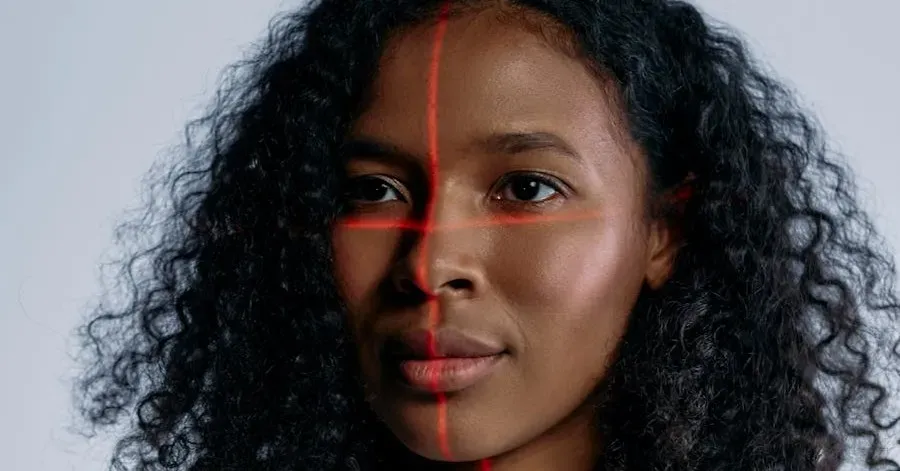
AI-powered facial recognition software analyzes surveillance footage and public images, identifying individuals by comparing their features against a database of known faces. Identifying suspects and missing persons has become quicker and easier – the UK’s Metropolitan Police, for example, successfully used live facial recognition to identify suspects wanted for serious crimes. The technology, when it works, is genuinely impressive.
Here is the thing, though. The FBI’s use of facial recognition technology is governed by the Department of Justice’s interim policy, which mandates that facial recognition results alone may not be relied upon as sole proof of identity. An individual’s identity must be confirmed through other analysis and investigation. Facial recognition and AI can result in racial profiling, and numerous studies have shown that such systems are more likely to falsely identify minority members more often than members of other groups. The gap between what the technology can do and what it sometimes wrongly does is a real and urgent problem.
Automated License Plate Readers: Billions of Records and Growing

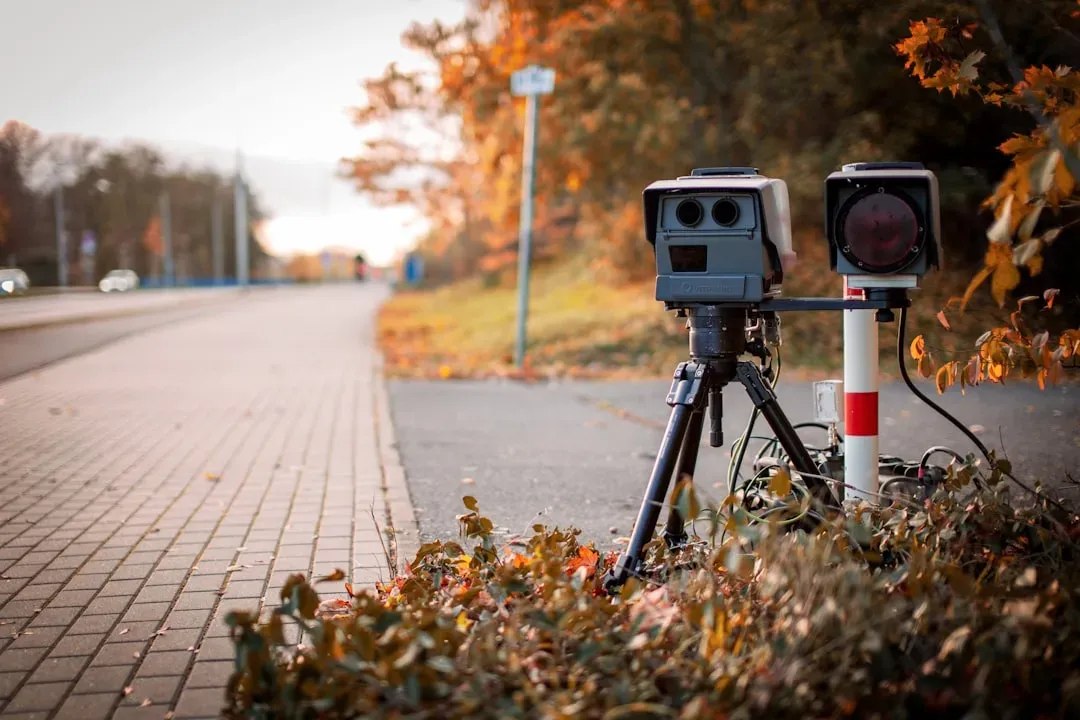
Automated License Plate Recognition is widely used for real-time vehicle identification and movement tracking. It operates through law enforcement and commercial networks, collecting billions of records annually. That is not a typo. Billions. The data footprint of a single daily commute through a city like Los Angeles or Chicago is now permanently logged in multiple systems.
Police departments have extensively integrated this system into daily operations. Officers and detectives have leveraged the technology in hundreds of cases, from locating stolen vehicles to apprehending murder suspects and violent criminals. Automated License Plate Readers have been adopted by more than 30 municipalities just among those that received COVID-era federal stimulus funding alone – meaning the actual adoption numbers nationally are considerably higher.
Drones: First Responders Without a Heartbeat

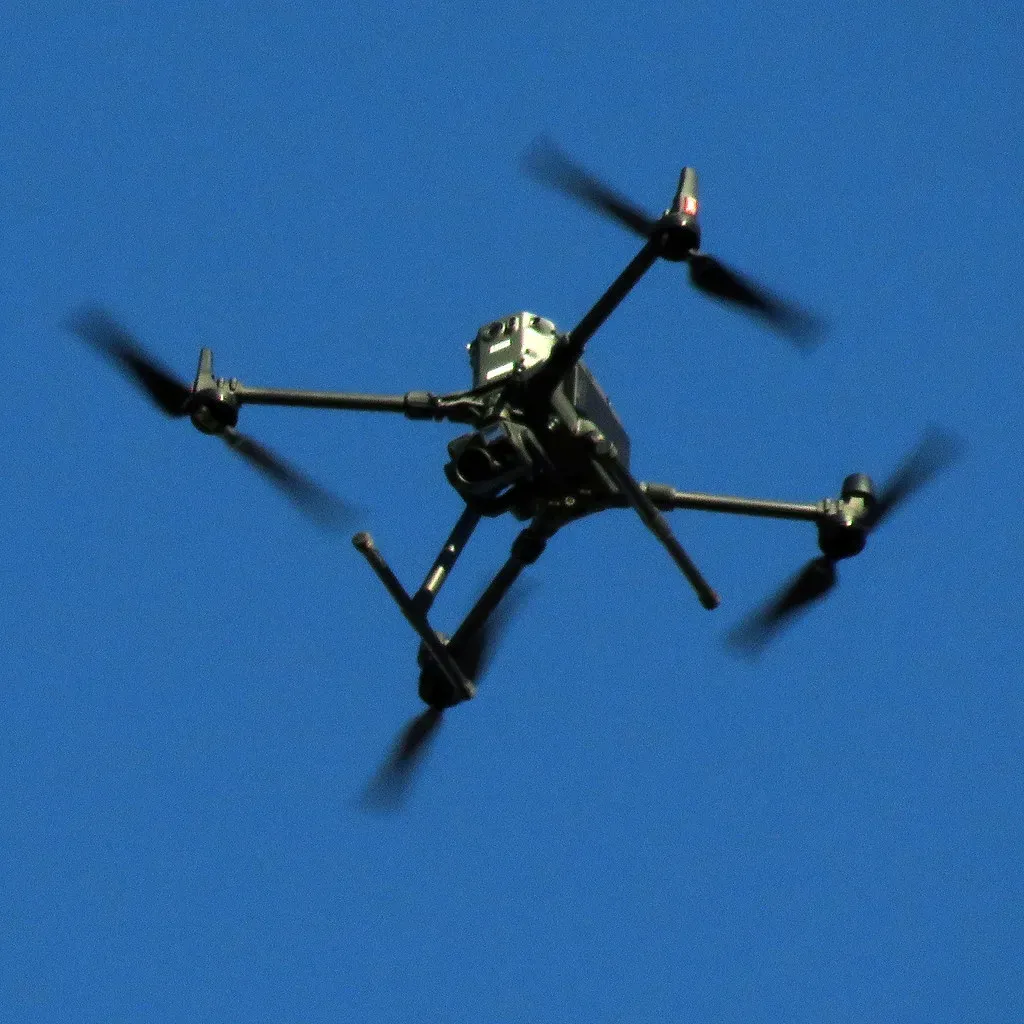
In a single recent month, the San Francisco Police Department recorded a record 700 drone flights – an average of 25 per day. In February 2025, it recorded 93. Between 2024 and 2025, the cost of the department’s drone program jumped by more than 1,200%. An increasing number are being deployed to crimes before any human personnel arrive. That is a concept that still feels slightly surreal: a machine reaching a crime scene before the first officer even gets in the car.
Stark increases in dashboard cameras and public surveillance cameras between 2015 and 2024 were found in survey data, alongside an increase in drone usage to roughly a third of jurisdictions, compared to only about 3% in 2015. Drones have also been used in forensic contexts, allowing image and video visualization and scanning of environments at crime scenes. They are, in other words, not just pursuit tools but active investigative instruments.
Partner offer

Predictive Policing: Crime Forecasting That Comes With Caveats

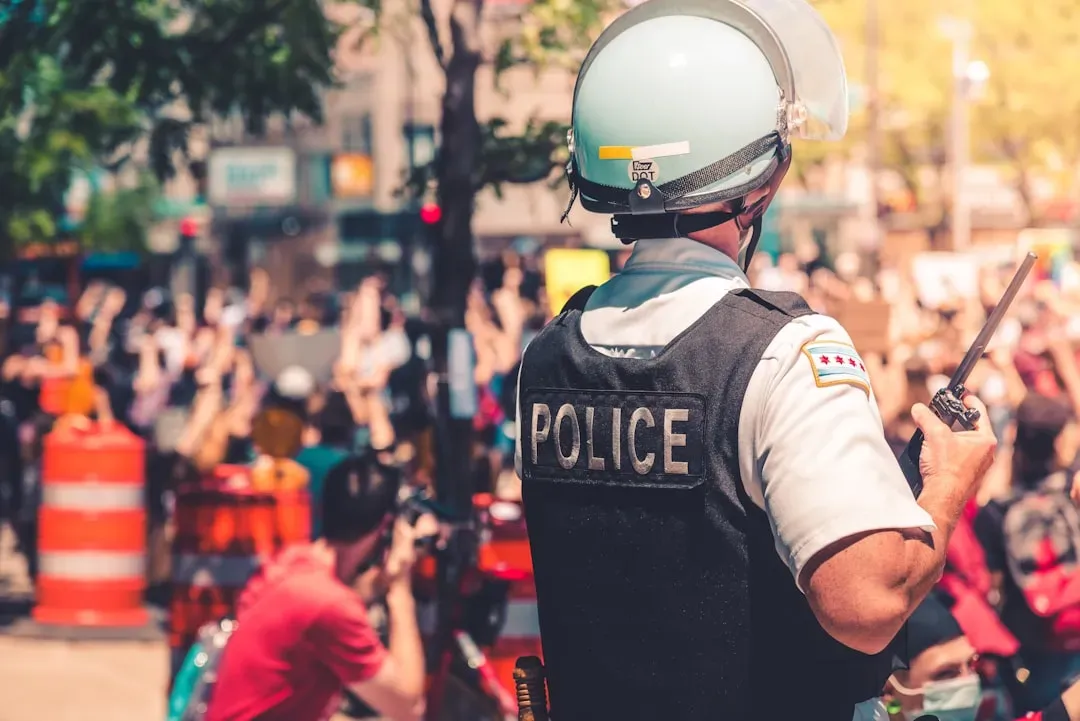
Predictive analytics uses both historical and real-time data to predict criminal activity, risk, or incident trends. Predictive policing models analyze crime data, geographic patterns, and social networks to pinpoint areas where further police presence can prevent offenses. On paper, it sounds like the most rational use of available data. In practice, it is considerably messier.
Studies in 2024 showed that predictive policing tools helped reduce property crimes by roughly 7 to 11 percent when used together with visible police patrols. That is a meaningful result, but it comes with a serious asterisk. Experts warn that predictive policing can reinforce existing racial biases or target certain neighborhoods unfairly, sometimes leading to more police activity in already over-policed communities. The tool is only as unbiased as the historical data it learns from – and that data carries decades of inequality within it.
Digital Forensics and the Explosion of Electronic Evidence


The U.S. Department of Justice handled more than six petabytes of digital evidence in 2024 alone – that is six million gigabytes. That number is almost impossible to conceptualize. It is roughly equivalent to storing every book ever written, multiple times over, in a single year’s worth of case files. The advancement of technology has provided forensic sciences with cutting-edge tools, allowing better and more accurate understanding of crime scenes, optimal acquisition of data, and faster processing for more reliable conclusions.
AI now assists in analyzing photos, videos, and communications, including the detection of potentially AI-generated content. That last part is worth pausing on. We are now in a moment where investigators must use AI to detect evidence potentially fabricated by other AI. Applications of AI-powered language models have excelled at analyzing large amounts of textual data, discovering patterns, and generating potential clues. It is a fast-moving arms race, and law enforcement is doing its best to keep up.
The AI Policy Landscape: A Moving Target


On December 3, 2024, the Department of Justice submitted a final report in response to an executive order concerning the use of AI in the criminal justice system. The report emphasizes that government regulations can evolve and identifies areas where AI can improve law enforcement efficiency, while also outlining best practices and limitations on AI use to ensure accuracy and safeguard privacy and civil rights.
On January 20, 2025, a new executive order revoked the previous AI governance order. This revocation was followed by another executive order on January 23, 2025, titled “Removing Barriers to American Leadership in Artificial Intelligence,” establishing new U.S. policy priorities focused on enhancing America’s AI dominance. The regulatory environment is, to put it generously, in flux. The National Conference of State Legislatures notes that AI governance is still evolving, with agencies balancing innovation against civil liberties.
AI-Written Police Reports: Convenience Versus Accountability


The most popular generative AI tool for writing police reports is Axon’s Draft One, and Axon also happens to be the largest provider of body-worn cameras to police departments in the United States. Companies are increasingly bundling their products to make it easier for police to buy more technology. It is a shrewd business model – and a concerning one from a transparency standpoint.
AI-written police reports remain unproven, untransparent, and arguably irresponsible, especially when the criminal justice system is deciding people’s freedom based on those reports. The King County prosecuting attorney’s office in Washington state went so far as to bar police from using AI to write police reports. It is a reminder that efficiency gains in investigations can carry real costs to the people those investigations affect.
Surveillance Technology and Crime Trends: What the Data Actually Shows
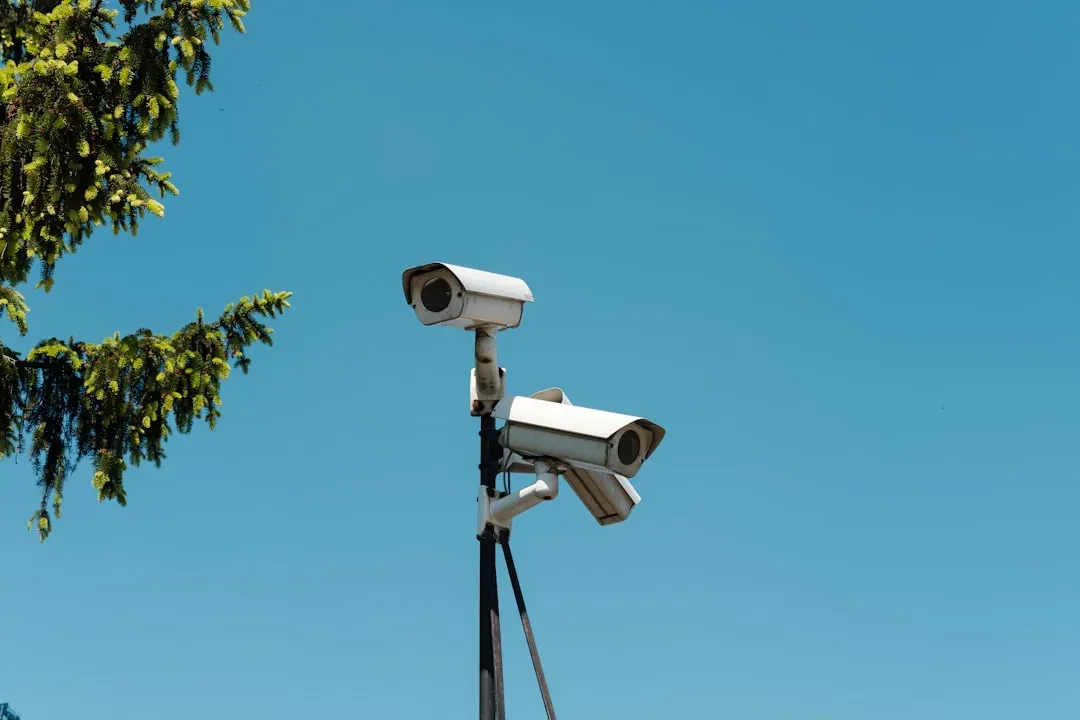
According to the Council on Criminal Justice, homicides were down across 40 large American cities between 2024 and 2025, trending toward all-time lows. Residential burglaries have fallen by roughly 45 percent since 2019. Cities like San Francisco have seen especially dramatic declines. From 2023 to 2024, major crimes in the city dropped by more than a quarter, and the following year dropped again significantly. Larceny fell by nearly half from 2023 to 2025, car theft dropped more than 54 percent, and burglaries declined by more than a third.
It would be tempting to credit surveillance tech entirely for those numbers. Honestly, though, the picture is more complicated. Legal experts and law professors warn that it is too soon to attribute the drop in serious crimes in recent years solely to the rapid rise in surveillance technology. The FBI reported a roughly 15 percent drop in violent crime in early 2024, including notable decreases in homicides and robberies – but untangling what caused what is a genuine challenge for researchers. Correlation, as any investigator knows, is not the same as cause.
What is clear is that surveillance technology has permanently changed the shape of criminal investigations – and the debate about where its limits should be is only just getting started. What do you think: has the technology gone too far, or not far enough? Drop your thoughts in the comments.
Partner offer
Planning a trip to Vegas?
Compare hotel rates and show tickets on VEGAS.com.