The way music festivals choose their artists used to be pretty straightforward. Promoters booked big names, added some rising acts, threw in a few legacy performers, and called it a day. Then TikTok arrived and completely upended the entire formula. Now a teenager with a smartphone can launch an artist to festival headliner status faster than a traditional record label campaign ever could.
It’s genuinely wild how quickly this shift happened. What started as a lip-syncing app for Gen Z became the most powerful gatekeeper in the music industry, deciding which songs dominate charts and which artists land coveted festival slots. Let’s dive into exactly how TikTok is calling the shots when it comes to festival lineups in 2025.
The Platform’s Undeniable Chart Dominance
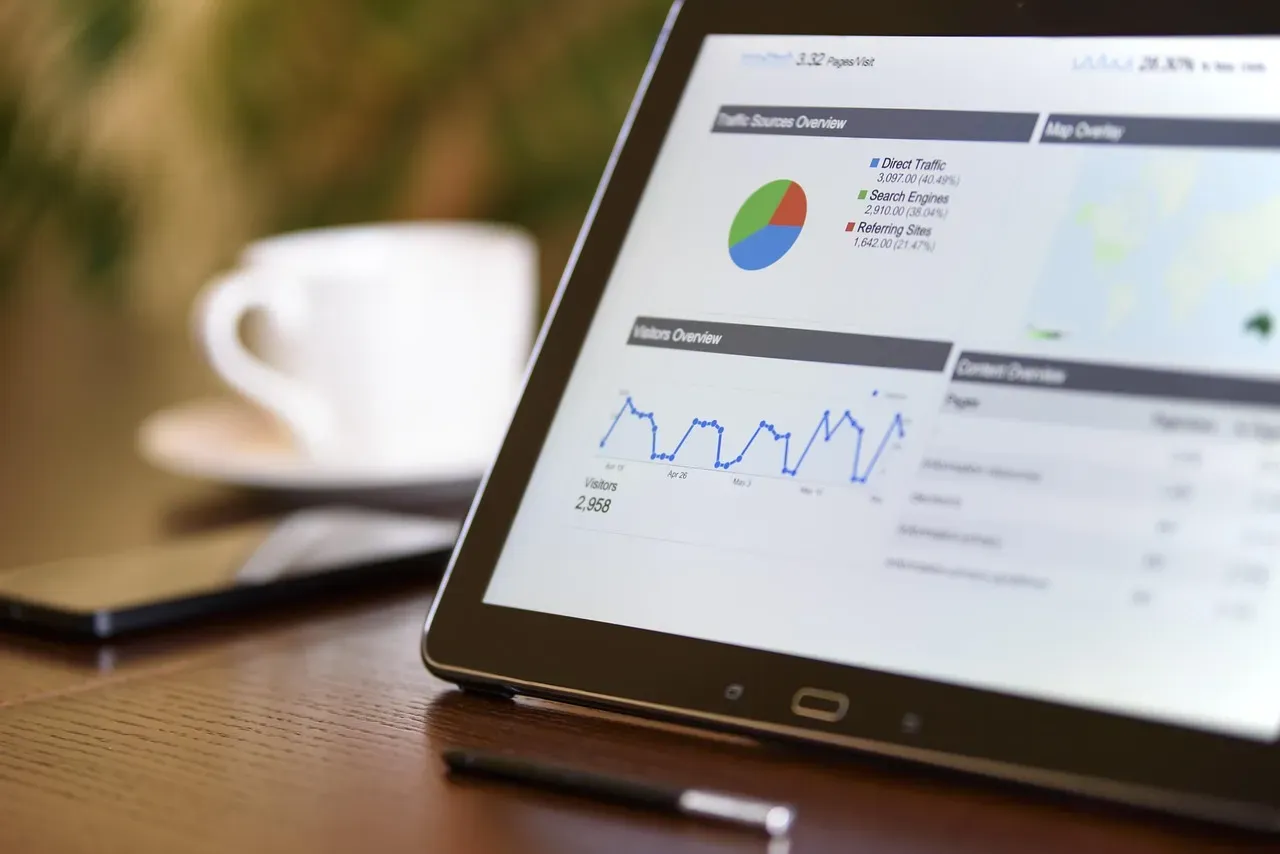
TikTok’s influence reached a staggering milestone in 2024, with 84% of songs that reached Billboard’s Global 200 chart going viral first on the platform. That’s not just influence, honestly. That’s complete market control. Additionally, 13 of the 16 Billboard Hot 100 number one songs of 2024 had major trends on TikTok, proving the platform’s impact extends far beyond fleeting viral moments.
Festival bookers pay attention to these numbers. When they’re planning lineups months in advance, they’re monitoring TikTok trends obsessively. Research shows that artists can expect an average 11% increase in on-demand music streaming over the three days following a peak in TikTok total views. Think about that for a moment: a single viral week on TikTok can predict whether an artist will draw crowds six months later at a summer festival.
Gen Z’s Discovery Engine Reshapes Booking Decisions
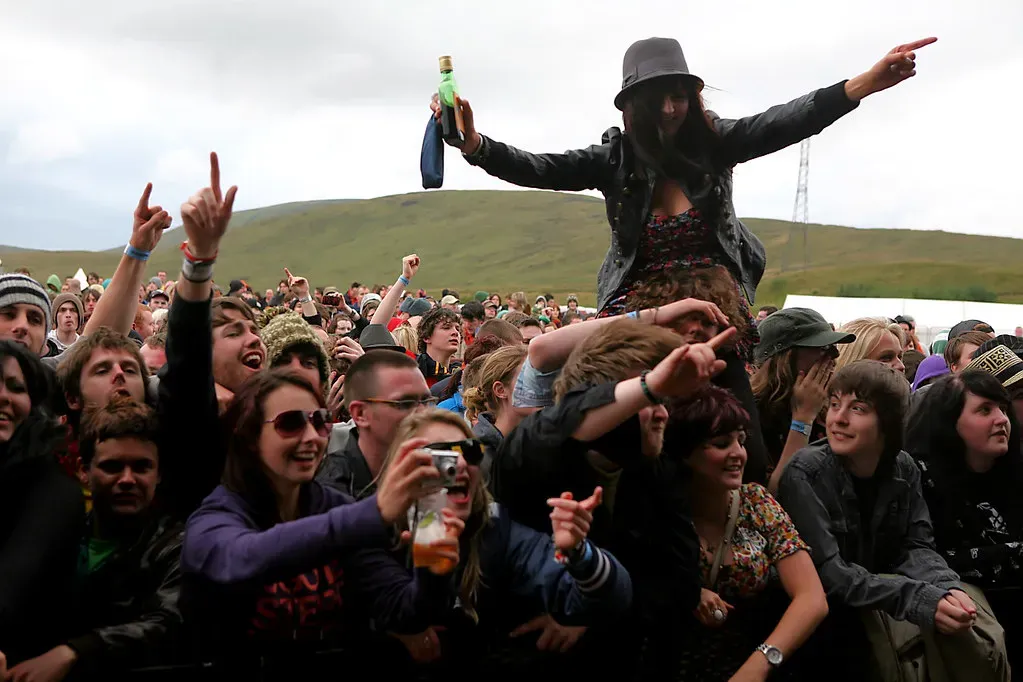
Here’s where things get interesting for festival organizers. TikTok has become the platform for event discovery, particularly among Gen Z, with over 30% of Gen Z users turning to TikTok to find new events. This creates a fascinating feedback loop: young fans discover artists on TikTok, then expect to see those same artists at festivals.
Research reveals that 51% of those aged 16 to 24 name TikTok among the main places they discover new music, compared to 37% of overall consumers. Festival promoters know their audiences, and they’re not blind to these statistics. If half your target demographic is finding artists through fifteen-second clips, you’d better believe those artists are getting stage slots.
Gen Z has eclectic, ever-changing taste, discovering artists overnight on TikTok, and successful festivals often blend big-name headliners with viral newcomers to capture young audiences. Coachella represents a perfect case study here, pivoting to feature TikTok sensations alongside established acts.
Major Festivals Actively Monitor Viral Trends
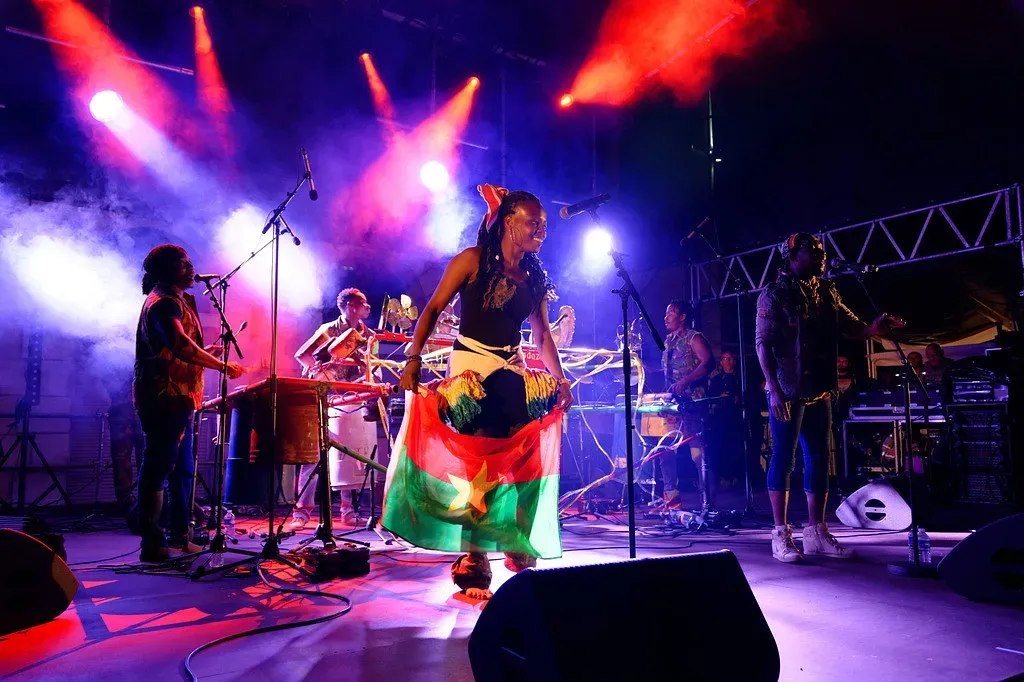
This isn’t speculation anymore. In 2025, TikTok has become a powerful springboard for many artists now headlining major music festivals, with Charli XCX as a shining example of a star with a massive TikTok following who headlined the sold-out Laneway Festival. Festival organizers have shifted from passive observers to active participants in the TikTok ecosystem.
Analytics from TikTok trends are informing festival organizers about popular artists and songs, guiding lineup decisions through leveraging data to ensure they feature artists who will resonate with attendees. It’s become standard practice. Promoters employ teams specifically to track which songs are trending, which dance challenges are exploding, and which relatively unknown artists might be the next breakout stars.
The shift is profound. Where radio play and streaming numbers once ruled supreme, TikTok virality now carries equal or greater weight in booking discussions.
Partner offer
Nostalgia Acts Make Festival Comebacks Through Viral Sounds
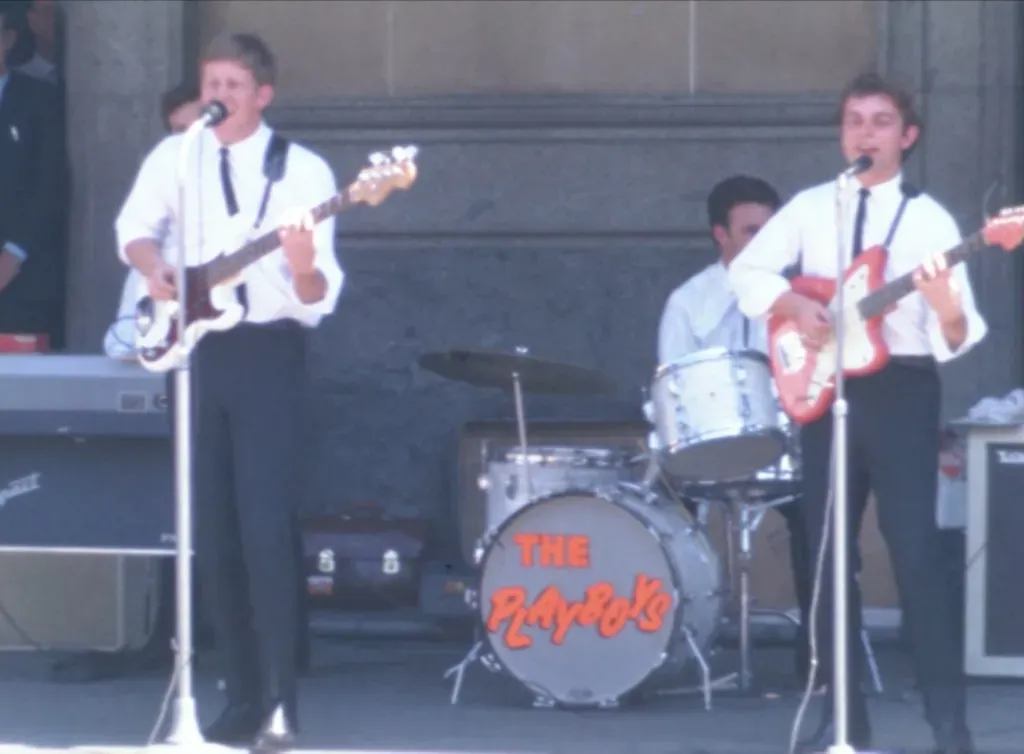
One of the platform’s most unexpected impacts involves reviving older artists. Bands like The Kooks are making a significant comeback in 2025, largely attributed to their music being featured in viral TikTok trends, attracting both older fans who remember the original hits and introducing new listeners to classic tracks.
TikTok doesn’t discriminate by release date. A song from 2007 can blow up just as easily as something dropped last week. This phenomenon has given festival bookers permission to think differently about nostalgia acts. Rather than relegating them to afternoon slots for aging fans, they’re discovering these artists now have credibility with younger audiences who discovered them through the app.
The platform’s algorithm rewards engagement over newness, creating opportunities for legacy acts to find entirely new fan bases. Festival lineups in 2025 reflect this reality, with more genre-crossing and era-spanning artist selections than ever before.
Record Labels Shift Marketing Budgets to Prioritize TikTok Success
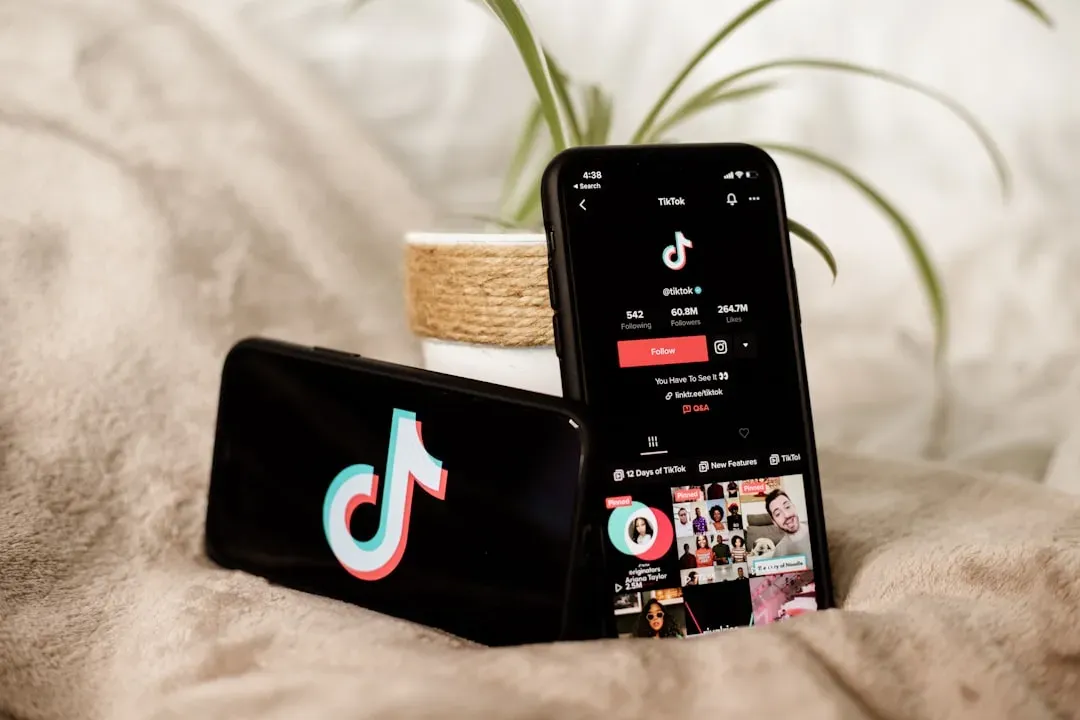
Follow the money, right? Labels understand where the power lies. Artist teams can receive in-house services at certain digital-savvy labels like Warner Records, or pay external companies around $5,000 per song for TikTok marketing campaigns that provide a target number of views on posts containing the song.
This investment reflects a fundamental shift in artist development strategy. Rather than spending heavily on radio promotion or traditional advertising, labels now allocate substantial portions of their budgets specifically to TikTok campaigns. The logic is simple: viral TikTok success translates directly into festival bookings, which in turn generate touring revenue, merchandise sales, and long-term fan development.
TikTok is revolutionizing how dance events are marketed, with event organizers and promoters increasingly leveraging TikTok influencers to promote upcoming shows or festivals, while many festivals now utilize live-streaming features and social media challenges to build excitement. Labels know that getting their artists festival slots requires TikTok traction first.
Data-Driven Lineup Curation Replaces Gut Instinct
The old guard of festival booking relied heavily on experience, connections, and instinct. Those elements still matter, but they’ve been supplemented – and in some cases replaced – by hard data from TikTok’s ecosystem. Festivals are increasingly utilizing TikTok to gather real-time audience feedback, allowing them to make dynamic adjustments to their lineups by monitoring reactions and engagement on the platform.
This creates a more responsive booking process. Rather than locking in artists a year in advance based solely on past performance, promoters can now adjust supporting acts or even add surprise performances based on who’s trending in the months leading up to an event.
In 2025, country music is attracting a more diverse, younger global fan with TikTok discovery, multi-cultural festivals and cross-genre collaborations opening minds and doors into the format. Take country music as an example: TikTok’s influence pushed traditionally country-focused artists into mainstream festival lineups where they’d never appeared before. The data showed demand, and bookers responded.
What’s your take on this transformation? Do you think festivals should lean harder into TikTok trends, or does chasing viral moments risk sacrificing artistic diversity? Let us know in the comments.
Partner offer
Planning a trip to Vegas?
Compare hotel rates and show tickets on VEGAS.com.