
Most people only notice a continuity supervisor’s work when it fails. A glass refills itself, a haircut changes between shots, or a bullet hole appears in a wall a few seconds early. The job is built to be invisible, so success looks like nothing happening at all.
A continuity supervisor is also called a script supervisor, or simply “script.” The role is a member of the film crew who oversees the continuity of the picture, including dialogue and action during a scene. Six well known slip-ups show what that work involves, and why it’s so hard to do perfectly.
Pulp Fiction and the Bullet Holes That Arrived Early


In Pulp Fiction (1994), bullet holes appear before shots are fired. It’s a classic timing problem. A scene shot in pieces has to follow one clear sequence, and the audience has to be able to trust that sequence.
Tracking cause and effect is core to the job. The script supervisor keeps detailed notes on each take of the scene being filmed. Those notes record what has already happened in the story, such as damage to a set, so the editor doesn’t cut a consequence ahead of its cause.
The Wizard of Oz and Dorothy’s Shifting Hair

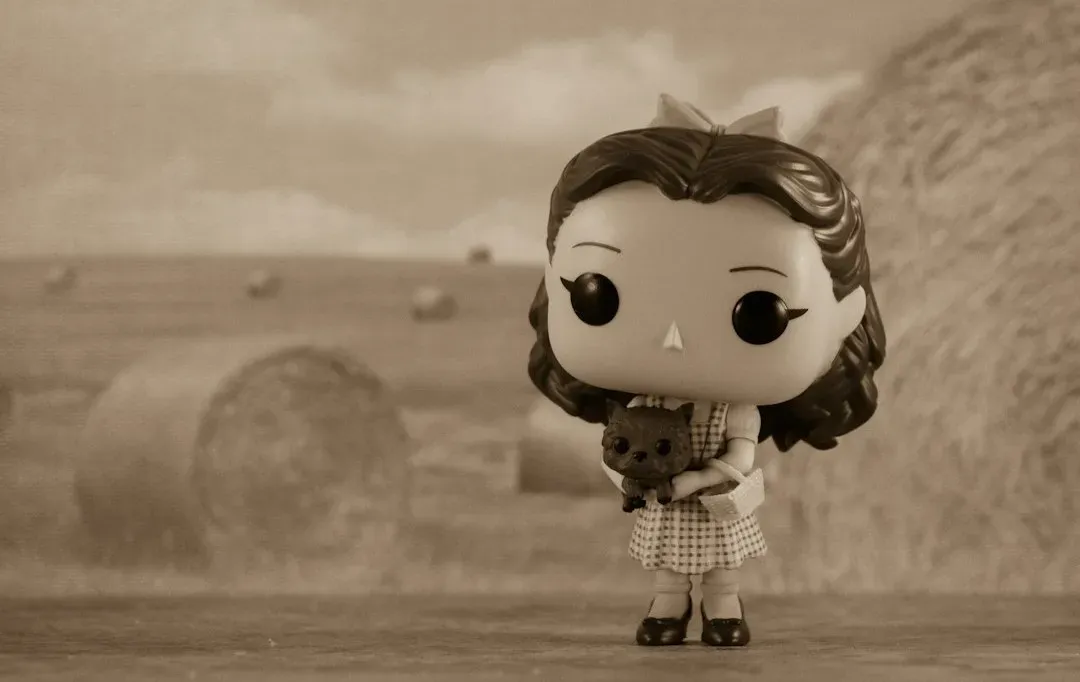
Dorothy’s hair changes between pigtails, plaits and a half up-do throughout The Wizard of Oz (1939), sometimes within the same scene. That’s a hair and makeup issue, and it falls under the continuity supervisor’s watch. The script supervisor may be called upon to ensure wardrobe, props, set dressing, hair, and makeup are consistent from scene to scene.
Dirt is another example. Early in the film Dorothy falls into a muddy pigpen, yet when she’s rescued her dress is spotless. Photographs, notes and measurements taken on set are how a modern supervisor tries to prevent exactly this kind of mismatch.
Star Wars and the Stormtrooper Who Hit His Head

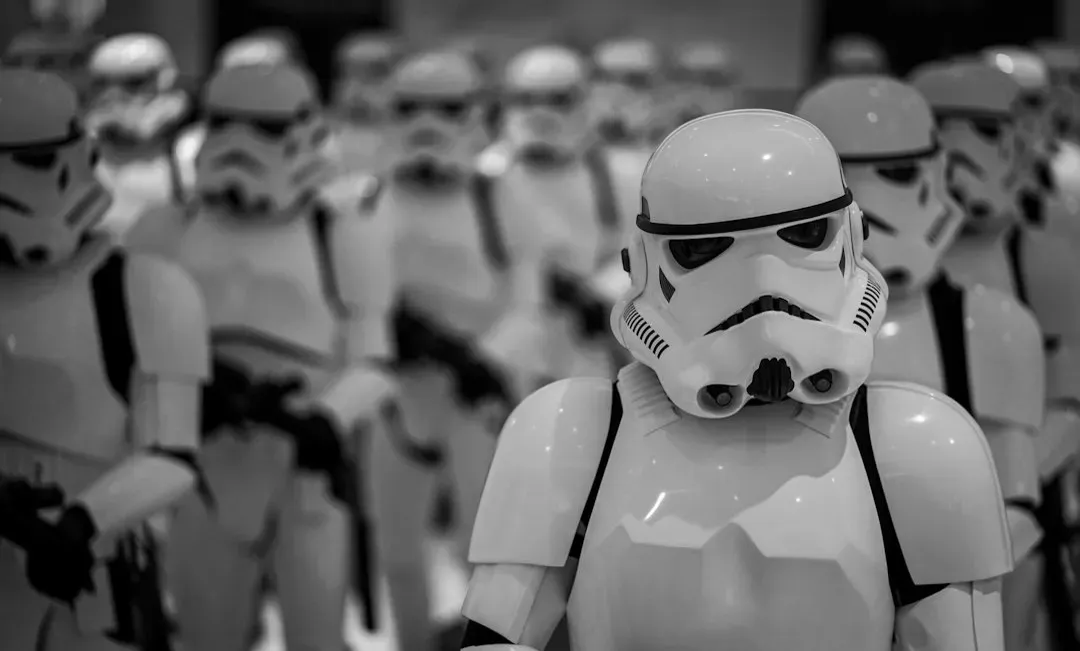
Not every error is about objects that move or change. In Star Wars, a Stormtrooper misjudges the height of a Death Star doorway and smashes his head, unnoticed by anyone else in the scene. The moment is famous because the film simply carried on.
Partner offer

This one shows the limits of the job. A supervisor watches the action against the script, but a take can be chosen for many reasons, including performance and pacing. Editors and directors decide what stays, and sometimes a small stumble makes the cut.
Back to the Future and the Details Nobody Meant to Change


Even a beloved, carefully made film has its small slips. Fans of the trilogy have catalogued details such as the candy jar in the McFly home during the confrontation between Biff and George, and the mileage reading on the DeLorean’s odometer in the Twin Pines Mall parking lot. These are tiny props and numbers, and the kind of thing the eye rarely catches.
The trilogy also reminds us the work is credited and shared. Nancy B. Hansen handled script continuity on Part I, and Marion Tumen was the script supervisor for Part II and Part III. Over a long production, handing over the notes cleanly matters as much as taking them.
Pretty Woman and the Breakfast That Changed Shot to Shot

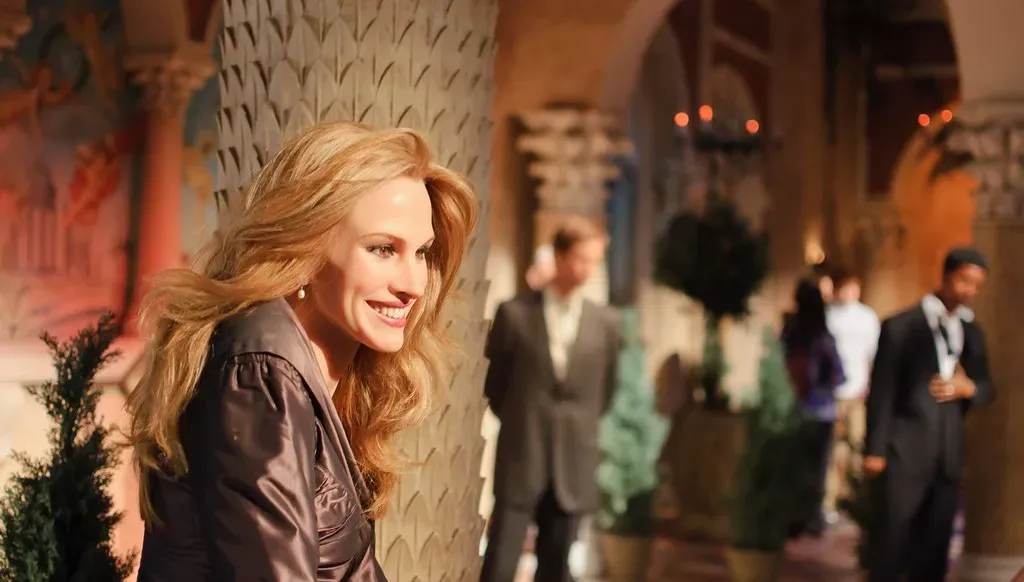
Another often cited example comes from Pretty Woman, where Julia Roberts’ character is eating breakfast. In one shot she holds a croissant, and in the next she’s holding a pancake. It’s a textbook case of food continuity, and it happens because scenes are filmed in many takes from different angles.
Food is notoriously tricky to track. Each take needs the same item, held the same way, with the same amount eaten. The supervisor logs what the actor does, which hand they use and when, so shots filmed hours apart can still be edited together smoothly.
Forrest Gump and the Problem of Getting the Date Right

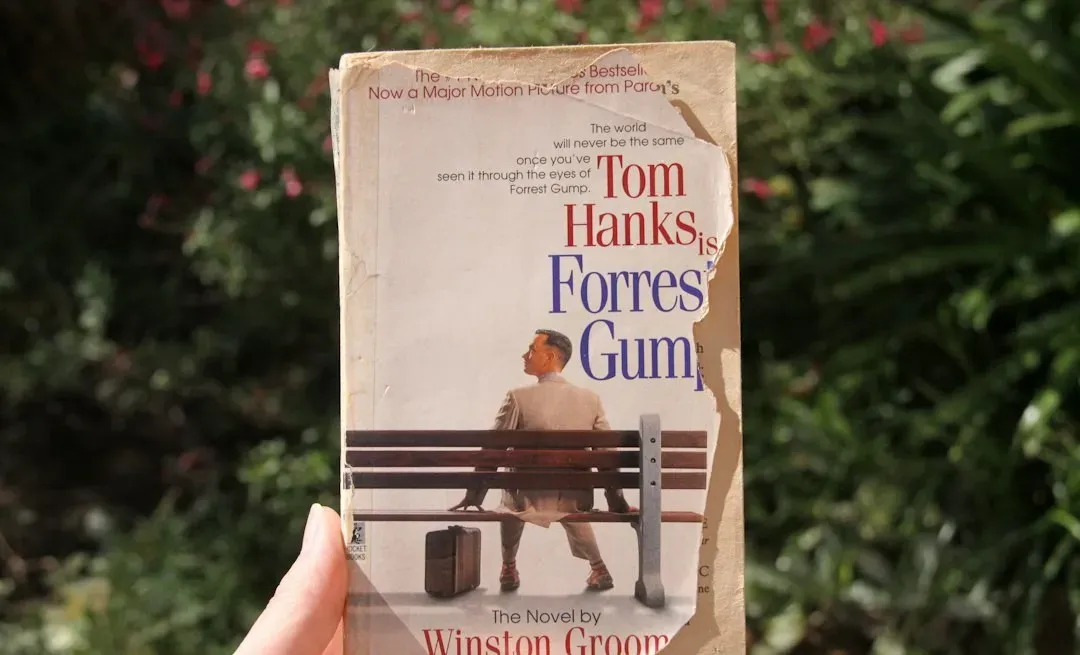
Some mistakes aren’t about the shot at all but about the world on screen. When Forrest Gump invests in Apple stock, he receives a thank you letter from the company, and there’s an obvious anachronism tied to its date of issue, 1975. It’s less about matching two takes and more about keeping the story’s facts consistent.
This is where the role stretches beyond simple matching. The script supervisor monitors camera shots to make sure the dialogue and action match the corresponding pages of the shooting script. Ultimately, it’s the script supervisor’s job to make sure the film can be cut together after shooting has concluded.
Partner offer
Planning a trip to Vegas?
Compare hotel rates and show tickets on VEGAS.com.