


Writers are supposed to be civil, right? You’d think the people who spend their days crafting beautiful prose would handle their disagreements with elegance and restraint. Well, think again. Some of the most vicious feuds in history have erupted not on battlefields or in boardrooms, but between the pages of novels and newspapers where authors traded barbs that would make a reality TV star blush.
These weren’t just professional disagreements about comma placement or genre conventions. We’re talking about full-blown public warfare complete with insults, plagiarism accusations, and hurt feelings that lasted decades. Let’s dive into some of the nastiest literary dust-ups that prove creative genius and massive pettiness can absolutely coexist.
Ernest Hemingway vs. Gertrude Stein: The Mentorship That Exploded
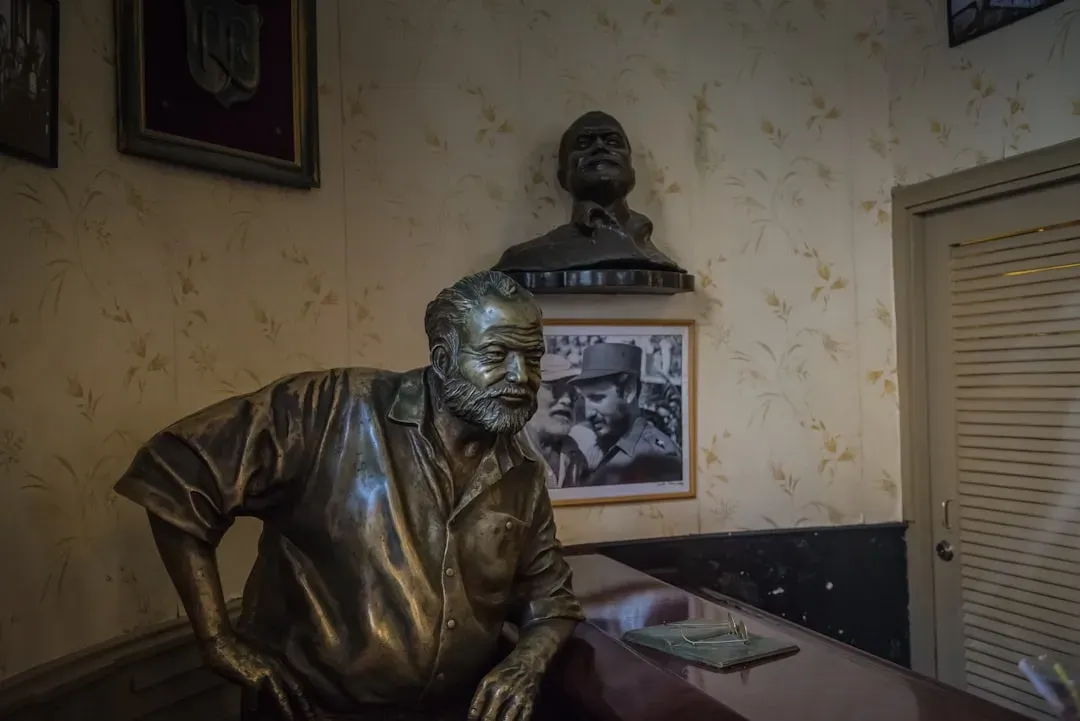
Gertrude Stein took Hemingway under her wing in 1920s Paris, introducing him to the modernist movement and helping shape his early career. She championed his work, offered feedback, and opened doors for the young writer. For a while, Hemingway was grateful, even referring to her affectionately in his letters.
Then everything fell apart spectacularly. Hemingway started making snide comments about Stein’s work, calling her writing incomprehensible and self-indulgent. Stein fired back by claiming Hemingway was “yellow” and cowardly, questioning his masculinity in a way that must have stung given his obsession with machismo.
The real gut punch came when Hemingway published “A Moveable Feast” after Stein’s death, painting her as a jealous, bitter woman who couldn’t handle his success. Classy move, Ernest. Stein couldn’t defend herself, but her earlier assessment of Hemingway as fragile and insecure looks pretty accurate in hindsight.
Gore Vidal vs. Truman Capote: A Feud For The Ages

These two literary giants despised each other with a passion that burned for decades. Their rivalry became the stuff of legend, played out in interviews, essays, and cutting remarks that kept the media entertained throughout the mid-twentieth century. Vidal once quipped that Capote’s death was “a good career move,” which tells you everything about the level of animosity here.
Capote struck first by spreading rumors about Vidal’s personal life and questioning the quality of his work. He loved telling anyone who would listen that Vidal was jealous of his success with “In Cold Blood.” Vidal responded by calling Capote a “full-fledged housewife” and mocking his high-pitched voice and flamboyant mannerisms.
The feud escalated when both appeared on talk shows, each trying to one-up the other with increasingly vicious insults. Their public sparring became entertainment, but underneath the witty barbs lay genuine hurt and professional jealousy. Neither man ever backed down, taking their hatred literally to their graves.
Mary McCarthy vs. Lillian Hellman: The Lawsuit Heard Round The Literary World

When Mary McCarthy appeared on “The Dick Cavett Show” in 1980, she casually dropped what would become one of literature’s most expensive zingers. Asked about fellow writer Lillian Hellman, McCarthy declared that “every word she writes is a lie, including ‘and’ and ‘the.'” Ouch.
Hellman didn’t laugh it off. She sued McCarthy for defamation, demanding over two million dollars in damages. The lawsuit dragged on for years, consuming both writers’ time, money, and energy. Literary circles took sides, turning what could have been a forgettable TV moment into a defining cultural battle.
The case never went to trial because Hellman died in 1984, but the damage to both reputations lingered. McCarthy stood by her statement, insisting she had simply told the truth about Hellman’s tendency to embellish and fabricate stories. Whether you believe McCarthy’s criticism was justified or just plain mean, there’s no denying she knew how to craft a devastating insult.
Norman Mailer vs. Gore Vidal: When Writers Get Physical
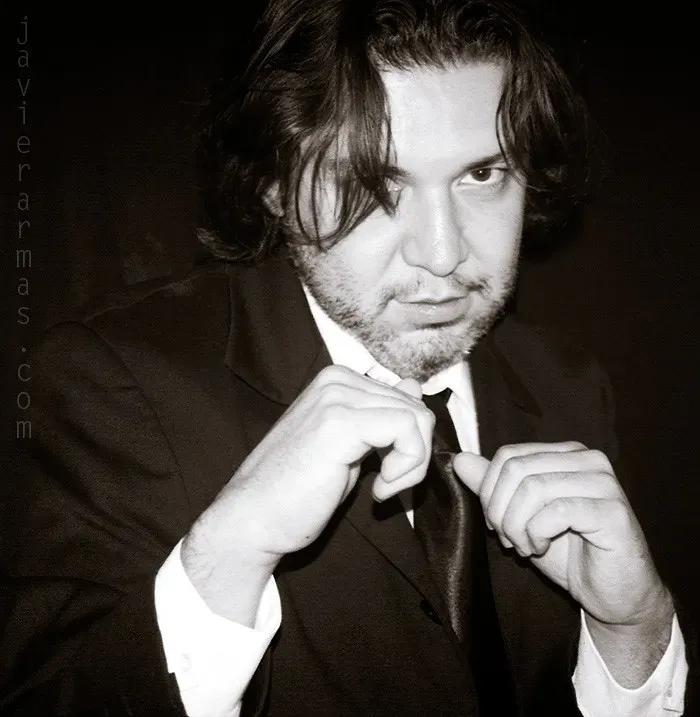
Mailer had beef with lots of people, but his rivalry with Vidal reached almost comical levels of hostility. After Vidal wrote a scathing review of Mailer’s work in 1971, calling him out for his sexist attitudes and declining literary powers, Mailer’s response was to headbutt Vidal at a party. Yes, you read that right. He actually headbutted him.
Vidal’s cool response became legendary. “Words fail Norman Mailer yet again,” he quipped, perfectly capturing the absurdity of a writer resorting to physical violence. The incident became tabloid fodder and cemented both men’s reputations as literary bad boys who couldn’t control their egos.
Their feud continued for years through competing essays and interviews where each tried to diminish the other’s achievements. Mailer accused Vidal of being a second-rate talent coasting on controversy. Vidal painted Mailer as a washed-up has-been clinging to outdated ideas about masculinity. Neither assessment was entirely wrong, if we’re being honest.
Vladimir Nabokov vs. Edmund Wilson: A Friendship Destroyed By Translation
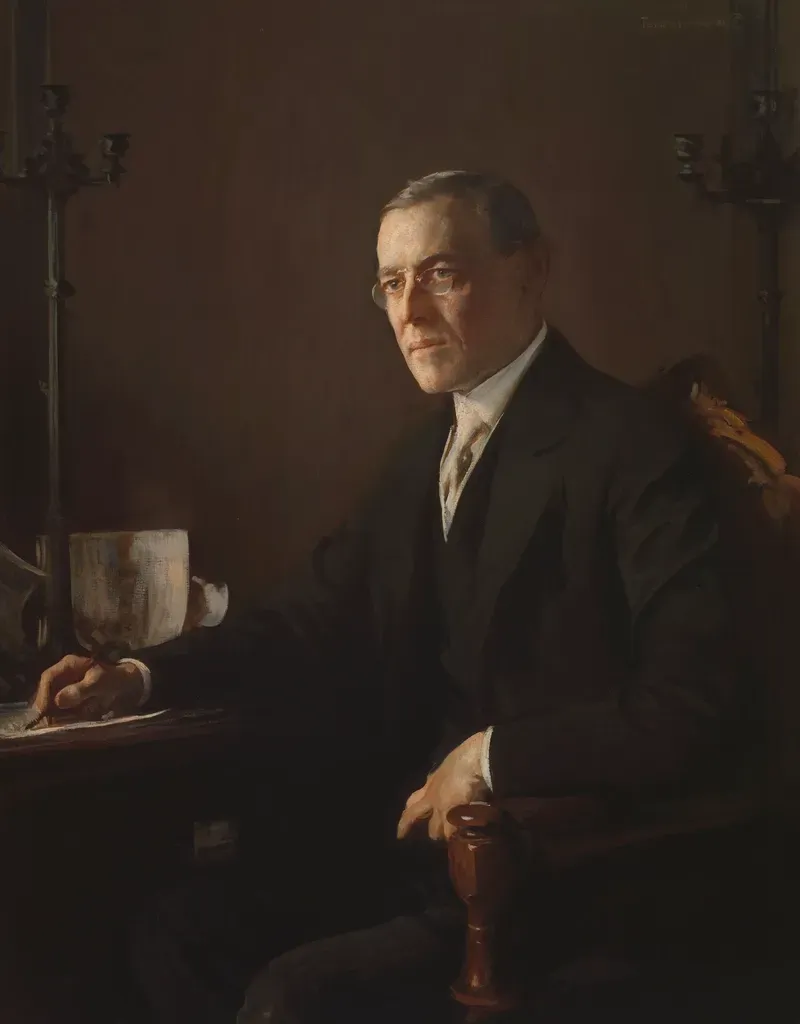
These two seemed like natural allies. Both were brilliant, erudite, and passionate about literature. They corresponded regularly for years, sharing ideas and critiquing each other’s work with mutual respect. Then Nabokov published his translation of “Eugene Onegin,” and everything went sideways.
Wilson wrote a devastating review in The New York Review of Books, accusing Nabokov of producing an unreadable translation filled with pedantic footnotes. He questioned Nabokov’s understanding of Russian poetry and suggested the whole project was a vanity exercise. Nabokov, understandably, was furious.
The exchange of letters that followed makes for fascinating reading. Nabokov defended his work with increasing irritation while Wilson doubled down on his criticism. What started as a professional disagreement morphed into personal attacks about each other’s knowledge, abilities, and literary judgment. Their twenty-year friendship ended not with reconciliation but with bitter silence.
J.D. Salinger vs. The Entire Publishing World
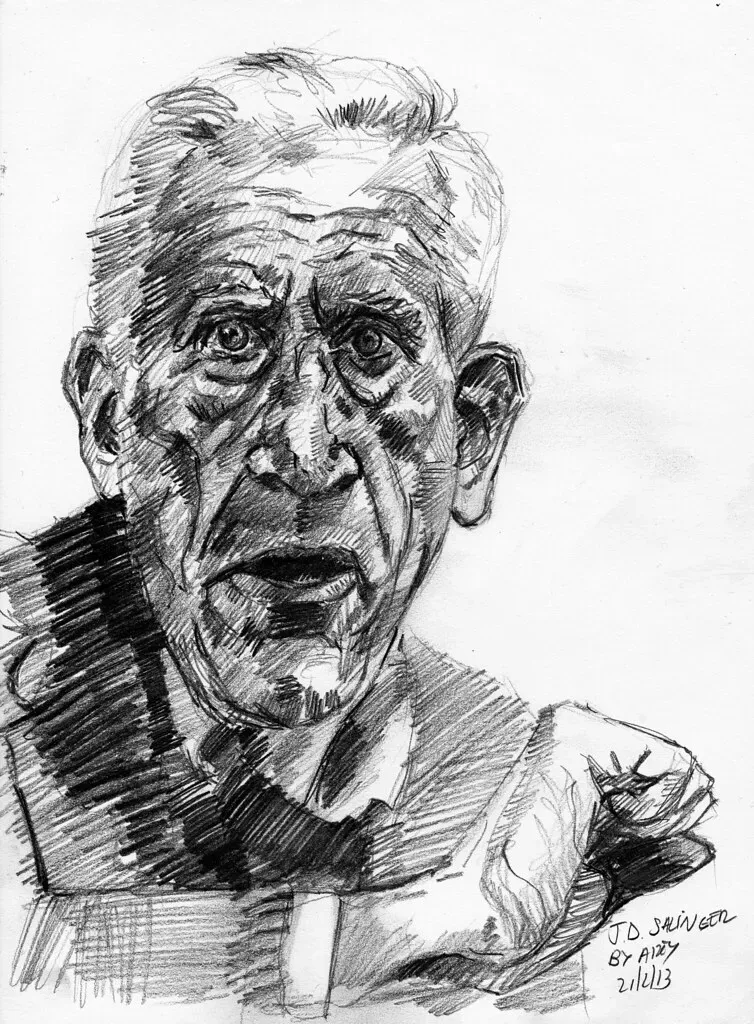
Salinger didn’t need a specific rival because he seemed to hate everyone in the literary establishment equally. After the massive success of “The Catcher in the Rye,” he retreated from public life and spent decades fighting anyone who tried to write about him, publish his letters, or adapt his work. His reclusiveness became almost militant.
He sued multiple biographers, blocked adaptations of his novels, and refused all interview requests with a hostility that bordered on paranoia. When anyone dared to publish his early stories or letters without permission, Salinger’s lawyers descended like avenging angels. His need for privacy wasn’t just preference, it was warfare.
The irony is rich. Salinger created one of literature’s most famous characters about teenage angst and authenticity, then spent the rest of his life proving that dealing with fame and public scrutiny was something he couldn’t handle. His rivalry wasn’t personal in the traditional sense, but his sustained battle against exposure and commercialization defined his later years completely.
Conclusion: Creative Brilliance Doesn’t Guarantee Emotional Maturity

These feuds remind us that exceptional talent doesn’t automatically come with grace, humility, or emotional intelligence. The same passion that fuels great writing can fuel petty grudges and public embarrassments. These authors created timeless works while simultaneously behaving like feuding teenagers, proving that genius and pettiness aren’t mutually exclusive.
Maybe there’s something about the creative process that makes writers particularly thin-skinned. When your work is so personal, criticism feels like an attack on your very soul. Still, reading about these rivalries decades later, it’s hard not to wish some of these brilliant minds had just taken a deep breath and let it go. What do you think, were these feuds tragic wastes of creative energy, or did the conflict somehow sharpen their work?


