There’s a reason Las Vegas locals rarely eat where the tourists eat. They’ve cracked a code that most visitors never figure out, and it’s not complicated once you know where to look. The Strip is dazzling, yes. But it’s also a machine designed to extract money from people who don’t know any better.
Prices have gotten genuinely shocking in recent years. Breakfast at a casual café averages around $25 per person, a simple lunch can hit $30, and dinner at a mid-tier restaurant may reach $70 to $100. That’s before drinks, tip, or that completely optional dessert your server will still somehow upsell you on. Knowing how to navigate this city like someone who actually lives here changes everything. Let’s dive in.
Understand Why Strip Prices Are So Absurd in the First Place

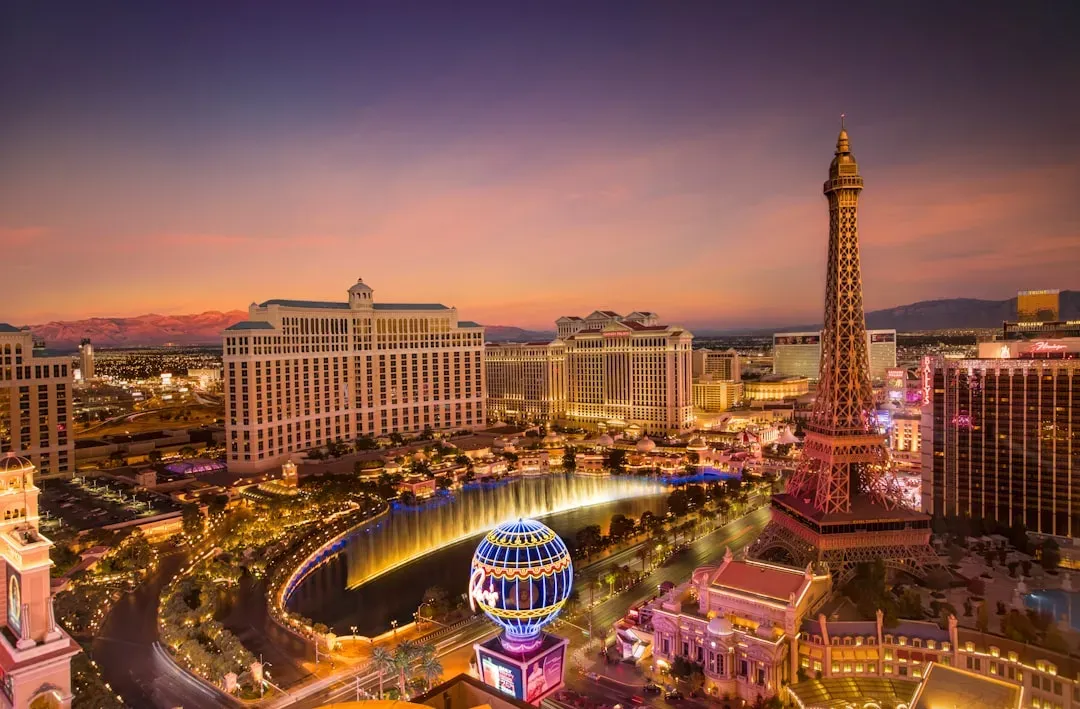
Here’s the thing – those sky-high prices aren’t accidental. The cost of dining on the Strip versus off-Strip can differ by as much as 30 to 40 percent, because restaurants on the Strip have to pay higher rents and operating costs, which are then passed on to the customer. Think of it like an airport sandwich. You’re not paying for better bread. You’re paying for the location.
The financial pressure on these venues is enormous. A 2024 Paymon’s Restaurant Group study found that food and labor costs rose 51.9 percent from mid-2021 to mid-2024, while sales increased only 2.6 percent. Restaurants had to make up that gap somewhere, and diners ended up footing the bill. On top of that, resort fees evolved into a significant revenue stream for hotels, and instead of eliminating them, most properties continue to raise them.
Daily resort fees at most Las Vegas Strip properties now range between $35 and $55, covering amenities such as Wi-Fi and fitness center access, but added to the advertised rate – and with resort fees at $35 to $55 per night, a three-night stay can add roughly $105 to $165 in fees before taxes. Guests are already paying an invisible surcharge before they even sit down to eat. Honestly, once you see it, you can’t unsee it.
Master the Art of Eating at the Right Time of Day

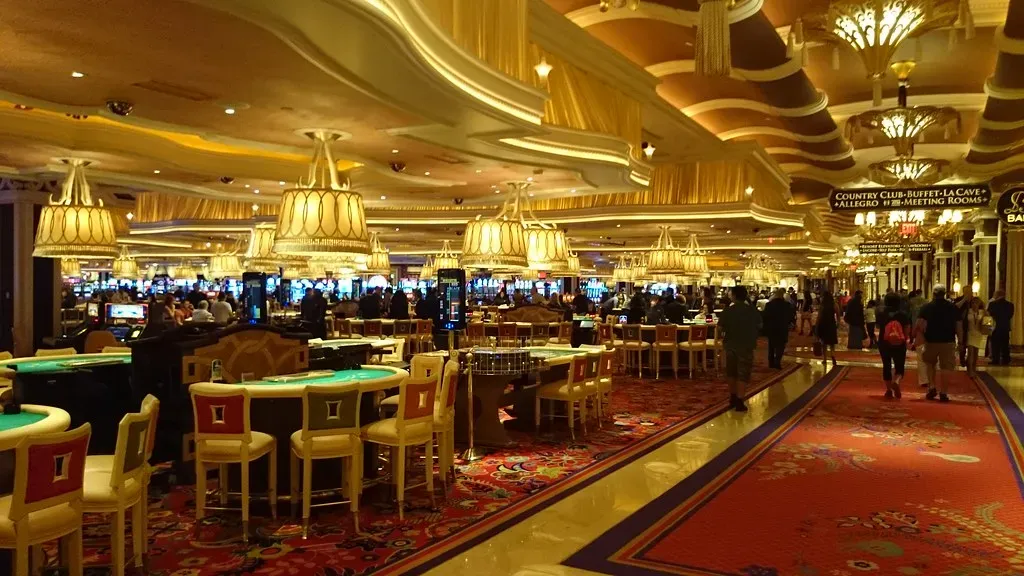
Locals in Vegas have a timing strategy that most tourists never figure out, and it’s almost embarrassingly simple. Lunch service at many fine-dining restaurants offers prix-fixe menus substantially cheaper than dinner, allowing diners to experience the same chef-driven cuisine and service quality at reduced prices. You get the exact same kitchen, the same table, the same chef – just a smaller bill.
Typical happy hours run from around 3pm to 6pm, sometimes to 7pm, and include notable discounts, such as seafood towers discounted from $85 to $40 during happy hour at certain casino steakhouses. That is not a small saving. That’s the difference between a splurge and a straight-up steal. The best times to find fine dining discounts in Las Vegas are during Restaurant Week, happy hours, and lunch service, with Las Vegas Restaurant Week offering multi-course prix fixe menus commonly ranging from $20 to $120 depending on the restaurant.
Escape to Chinatown on Spring Mountain Road

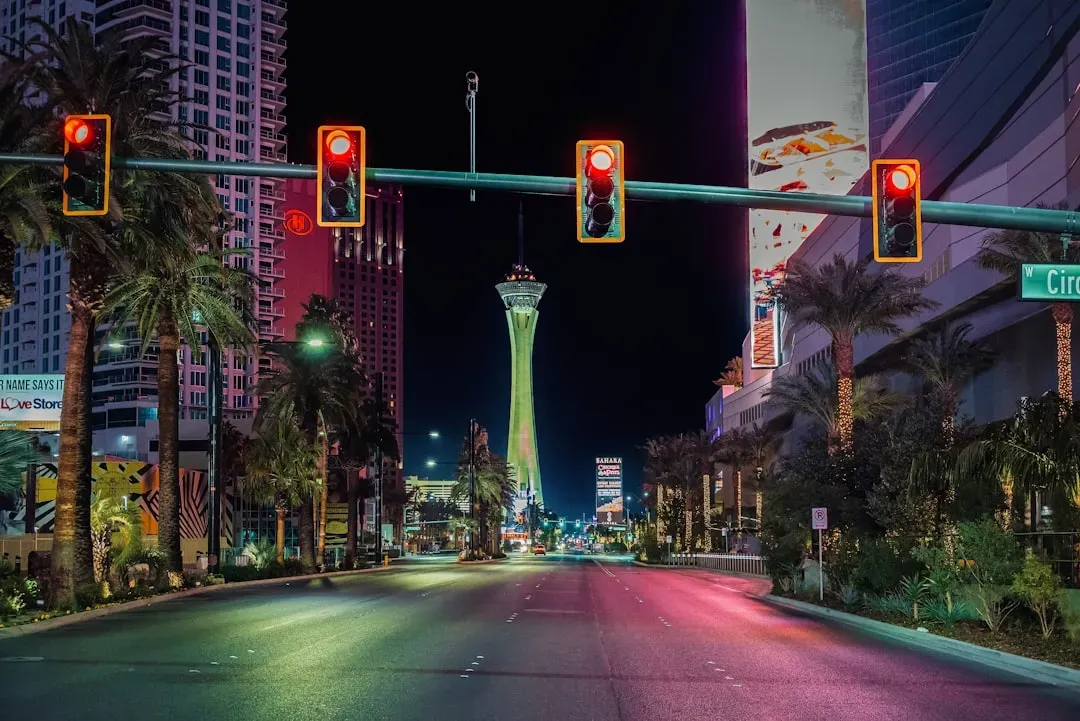
If you only follow one piece of advice in this entire guide, let it be this: go to Chinatown. Chinatown lies on a roughly three-mile stretch of Spring Mountain Road just west of the Strip, and today it has more than 250 restaurants, mostly Asian, with at least 70 percent of visitors coming specifically for the food and drink. It feels like a parallel universe compared to the neon chaos of Las Vegas Boulevard.
No less a figure than David Chang, one of the most important chefs of the 21st century, declared in 2024 that the best Chinese food in the U.S. is in Vegas. Think about that for a second. Not New York, not San Francisco. Vegas. Specifically, this stretch of strip malls four miles from the Bellagio. A $15 bowl of pho here can outshine a $150 tasting menu – and the atmosphere at these family-run spots is genuinely warm, without a slot-machine soundtrack in the background.
With most dishes in standout Chinatown restaurants priced between $10 and $15, it’s one of the top-value meals in all of Las Vegas. Rideshares from the middle of the Strip to Chinatown cost roughly $15 or less, and once you factor in what you’re saving on food, you’re still massively ahead. Park once, where free lots are plentiful, and hop between spots via the free Deuce bus or a short ride-share loop.
Discover the Arts District Before Everyone Else Does


The Las Vegas Arts District is one of those neighborhoods that locals quietly love while tourists have no idea it exists. From the accelerating maturation of the Arts District to the explosive growth of The Bend, these pockets of activity reveal how off-Strip dining continues to evolve – often in ways that feel more grounded and more local than anything happening on Las Vegas Boulevard, and the Arts District continues to grow as a drinking and dining destination for both visitors and residents.
Esther’s Kitchen in the Arts District is considered the best local secret, a spot where locals hang out and where you get world-class quality without the hotel markups. That is a remarkable combination in a city where markups are practically a sport. Chef James Trees made serious moves recently, with his gorgeous French bistro Bar Boheme joining its smaller sister bar, Petite Boheme, on Main Street and Imperial Avenue. The neighborhood has genuine culinary momentum right now.
Use Casino Loyalty Programs Like a Local


Most visitors think casino loyalty programs are just for gamblers. Locals know better. Nearly every Las Vegas casino features a rewards program, offering everything from free hotel stays and complimentary meals to exclusive access to entertainment and priority services. Signing up costs nothing and takes about three minutes at any player’s club desk.
Partner offer

Wynn Rewards, for example, offers COMPDOLLARS that can be used for dinner at award-winning restaurants like Mizumi and Wing Lei, alongside priority access to venues and events and member-exclusive savings. Even if you’re a light gambler, these points accumulate fast. Loyalty programs and hotel packages significantly affect fine dining pricing through discounts and combined offers, with hotel and casino loyalty programs, resort websites, and package deals all providing dining discounts and bundled offers. Locals know to sign up for multiple programs and stack them strategically.
Order Lunch Menus at Celebrity Chef Restaurants

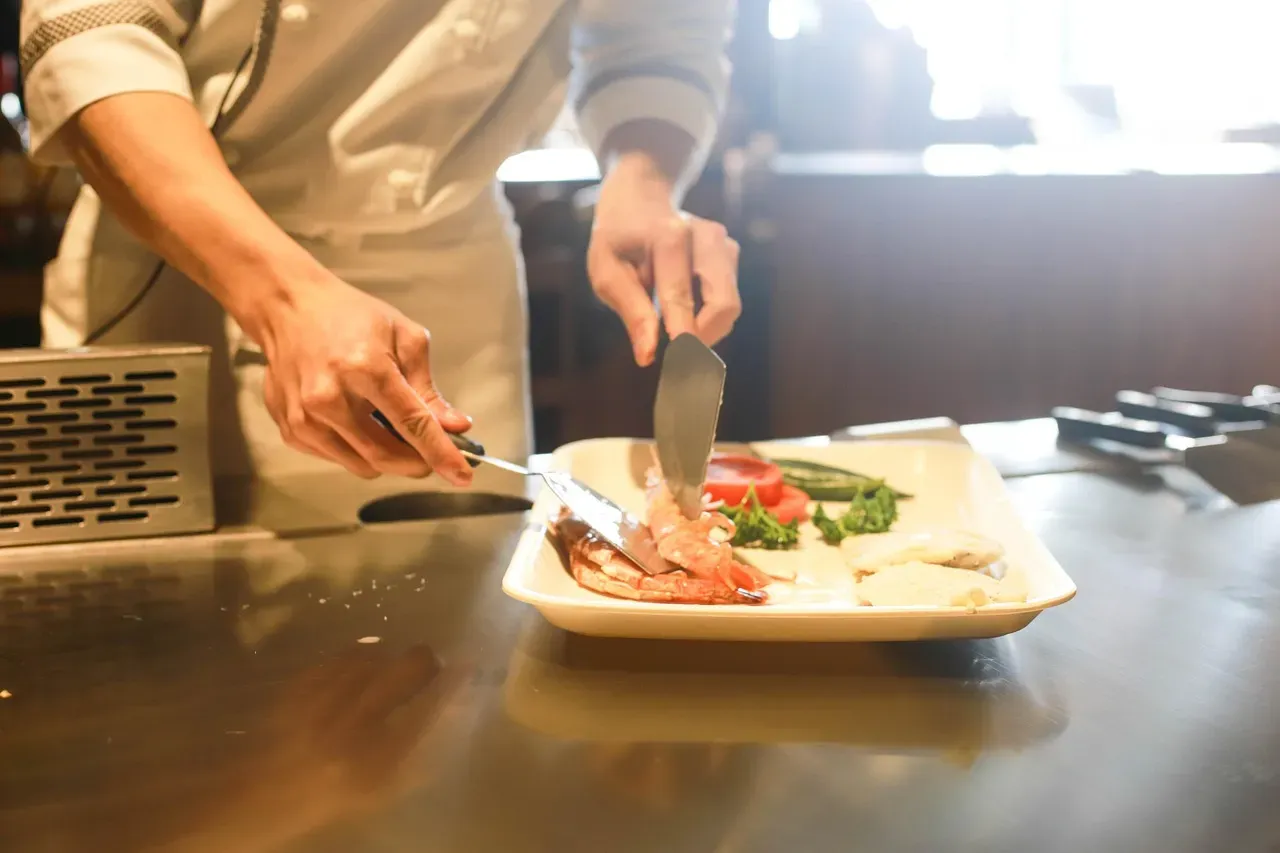
I know it sounds crazy, but you really can eat at a Gordon Ramsay restaurant without blowing your entire budget. Proven strategies include choosing lunch prix fixe or three-course fixed meals – such as Hell’s Kitchen lunch at $105.95 and Morimoto’s three-course fixed at $85 – versus paying dinner prices that can easily run double that per person. You still get the drama, the plating, the full experience.
High-end venues typically charge $50 to $200 per person excluding beverages, with celebrity chef restaurants averaging around $129 per person across analyzed establishments. That dinner price can sting. Lunch at the same place? Often a fraction of that. On the Strip, a casual lunch for two costs about $100, while a fine-dining dinner for two consistently reaches $300 or more without wine. Shifting just one meal to midday makes a stunning difference to the overall bill.
Eat Inside the Malls, Not the Hotels
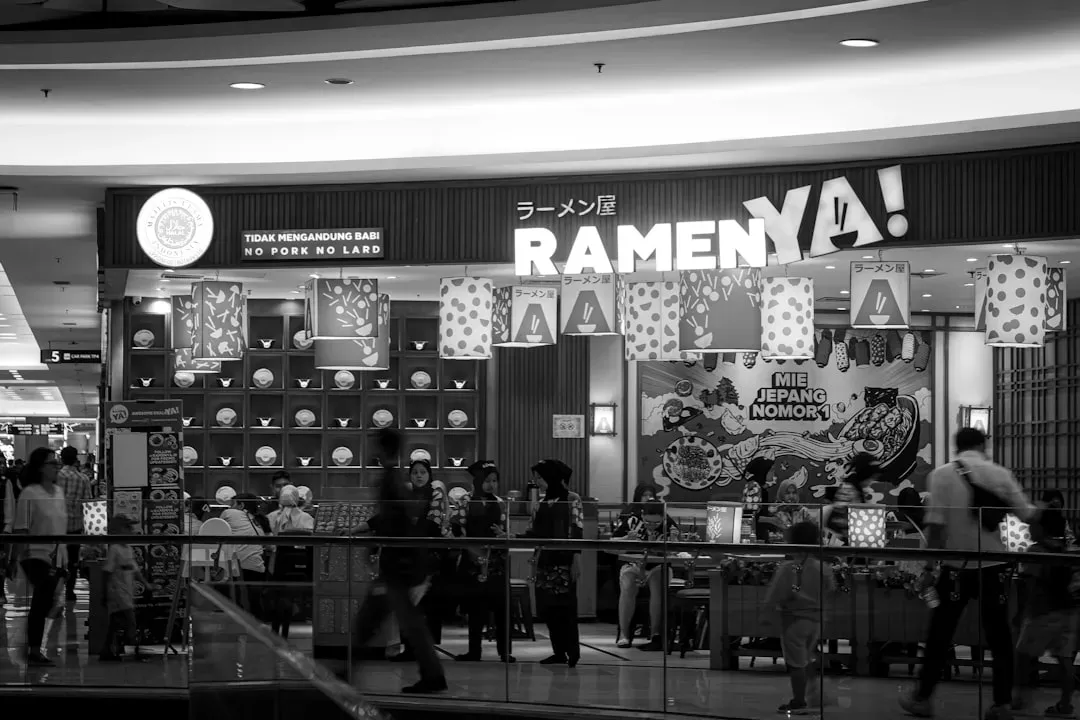
Here’s a tip that locals use constantly and tourists almost never discover. The shopping malls tucked along and adjacent to the Strip are a completely different dining world from the hotel restaurants. Avoid eating in the hotels themselves and instead visit one of the eateries inside the shopping malls dotted around the Strip to save money. Miracle Mile at Planet Hollywood, the Grand Canal Shoppes at The Venetian, and the Forum Shops at Caesars all house more affordable options just steps from the casino floors.
Nacho Daddy and Chipotle inside Planet Hollywood offer meals for as little as $10 – a universe away from the $35 burger sitting twenty feet away in the hotel dining room. Miracle Mile Mall in Planet Hollywood also has food and drink specials throughout the day. It’s not about lowering your standards. It’s about knowing that two doors down from a $30 pancake plate, someone is serving a perfectly decent breakfast for half the price.
Take Advantage of the Downtown Las Vegas Scene


Downtown Las Vegas, centered around Fremont Street, has quietly become a serious rival to the Strip for value-conscious dining. Downtown Las Vegas has become the new playground for value seekers, with the Fremont Street Experience delivering free nightly entertainment and hotels like the Plaza, Circa, and Downtown Grand offering rooms at a fraction of Strip prices. The dining reflects that same energy – genuinely good food without the resort premium baked in.
Off-Strip favorites such as Ellis Island and the Gold Coast serve generous meals at local prices, and happy hours across the city remain among the best in the country. Ellis Island, in particular, is legendary among Vegas locals for its steak specials. Red Rock Resorts, which operates non-Strip venues, reported a record quarterly net revenue of $526.3 million in 2025, an 8.2 percent increase, suggesting that travelers are coming to the city but increasingly avoiding the high costs of the central Strip. The numbers confirm what locals have quietly known for years.
Know When the Strip Itself Offers Genuine Value

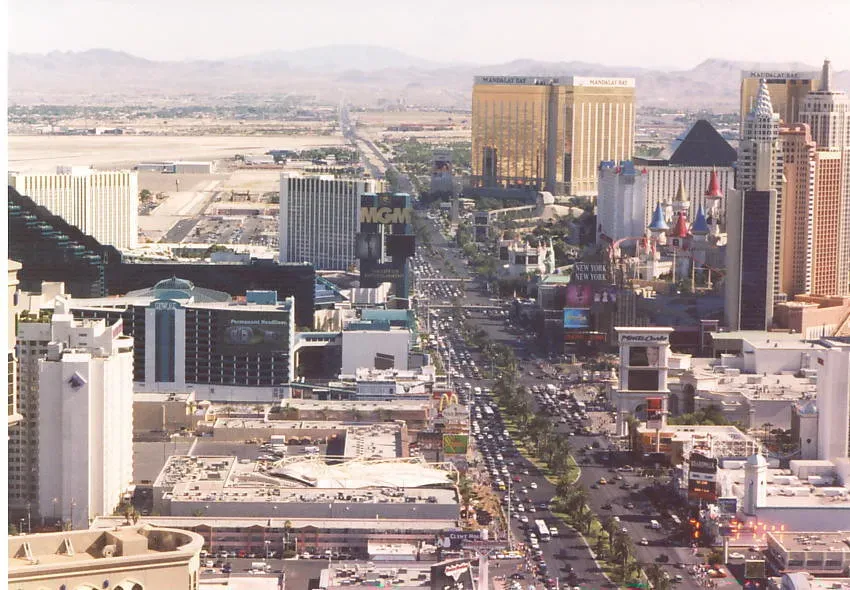
Let’s be real – dismissing everything on the Strip as a tourist trap isn’t quite fair either. There are moments when the Strip delivers legitimate value, and savvy locals know exactly when those windows open. Hotel rates drop sharply between Sunday and Thursday, and a three-night midweek stay can cost 30 to 40 percent less than a weekend trip. That logic applies to restaurant deals and happy hour availability, too.
Travelers on a budget often eat well for under $10 to $15 per meal at food courts, off-Strip diners, or classic Vegas buffets during lunch hours, and happy hours, drink specials, and free casino drinks while playing low-stakes games all help keep costs down. It’s all about timing and awareness. A smart general strategy is to eat your main meal around noon with cheaper lunch menus and have a quick bite in the evening – a rotation that lets you experience the famous restaurants without letting them drain you dry.
Watch the Real Cost Warning Signs That Tourists Miss

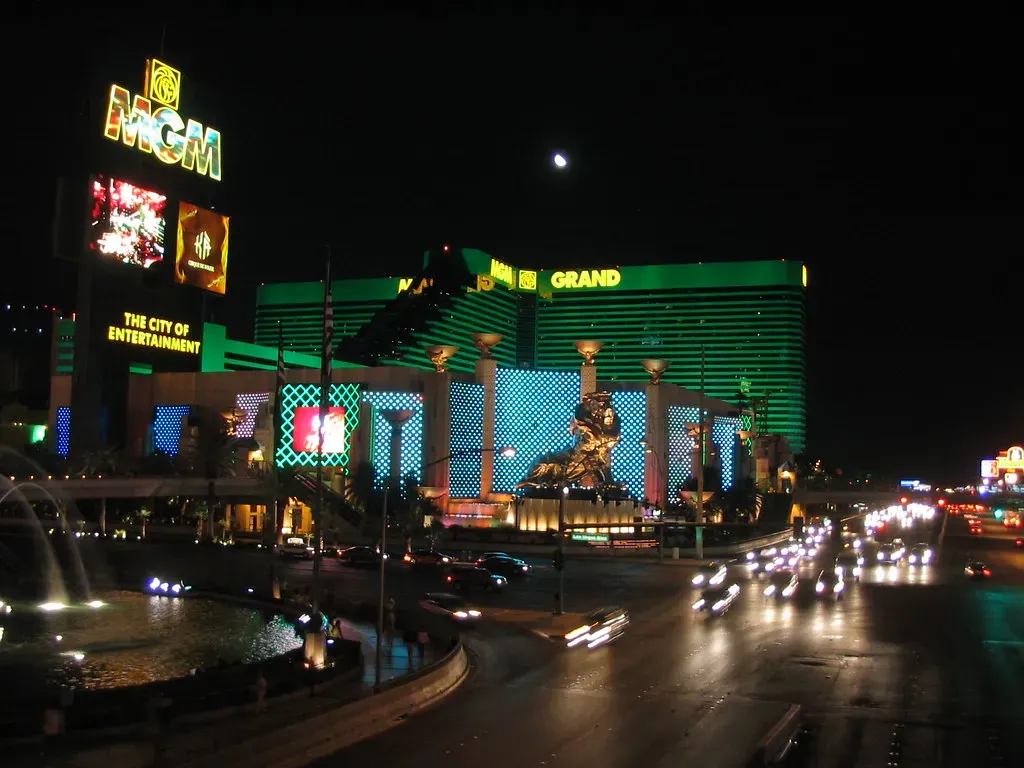
There are a handful of red flags that experienced Vegas diners know to spot immediately. Prices that seem reasonable suddenly aren’t once you add automatic service charges, inflated beverage minimums, and mandatory gratuity on large parties. Some industry observers assert that the problem is aggressive price-gouging by hospitality venues, with guests pushing back on $18 bottles of water in the minibar and $37 martinis. These aren’t fringe complaints. They are now mainstream.
Average menu prices increased more than 27 percent from February 2020 to June 2024, according to the National Restaurant Association. That trajectory hasn’t reversed. Meanwhile, the food-away-from-home Consumer Price Index increased 4.1 percent year-over-year through December 2025, outpacing the overall U.S. CPI increase of about 2.7 percent for the same period. Vegas dining inflation is running hotter than the national average. The tourists who don’t realize this are the ones keeping those overpriced menus in business.
It’s hard to say for sure whether Vegas will eventually course-correct on pricing – the recent dip in tourist numbers suggests pressure is building. Higher prices for lodging and dining are the primary reasons cited for the downward trend in Las Vegas travel as of early 2026. The city that once prided itself on affordable excess is at a crossroads. For now, the locals who know where to eat are quietly winning. The question is: will you join them, or keep funding $30 pancakes? What do you think – drop your best Vegas dining hack in the comments.
Partner offer
Planning a trip to Vegas?
Compare hotel rates and show tickets on VEGAS.com.