
Something quietly broke in the social fabric of America over the past few decades. It didn’t announce itself with a headline or a crisis hotline. It happened in small, almost invisible ways. A coffee shop closing. A church emptying out. A library wing shutting down on a Tuesday afternoon. Millions of Americans are now living without the glue that once held their daily lives together, and the cost is showing up in ways we are only beginning to understand.
This is not just a story about feeling sad or out of touch. It’s about a deep structural collapse in the spaces where ordinary human connection used to happen. Let’s dive in.
When Loneliness Became a Public Health Emergency
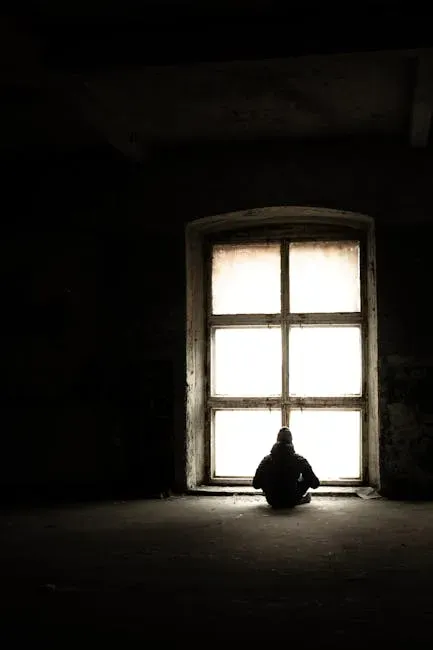
U.S. Surgeon General Vivek Murthy placed a spotlight on America’s problem with loneliness when he declared the issue an epidemic in the spring of 2023, explaining that loneliness is far more than “just a bad feeling” and represents a major public health risk for both individuals and society. That’s a striking statement coming from the nation’s top medical voice. Think about it: the same office that once declared war on tobacco is now raising alarms about people simply not having enough friends.
The report, titled “Our Epidemic of Loneliness and Isolation,” found that even before the COVID-19 pandemic, about half of U.S. adults reported experiencing measurable levels of loneliness. The report also warned that the physical consequences of poor social connection can be devastating, including a nearly one third increased risk of heart disease, a 32% increased risk of stroke, and a roughly half-increased risk of developing dementia for older adults. These aren’t minor side effects. These are life-altering outcomes tied directly to the absence of human contact.
The Deadly Math: Loneliness Compared to Smoking

Lacking connection can increase the risk for premature death to levels comparable to smoking 15 cigarettes a day, according to the advisory from the U.S. Surgeon General. That comparison stops people cold when they first hear it, and honestly, it should. We’ve spent generations building public health campaigns around smoking. Loneliness, by these numbers, deserves the same urgency and the same level of institutional attention.
Researchers at Harvard found a strong correlation between loneliness and mental health concerns. In their report, the vast majority of adults who were lonely also said they suffered with anxiety or depression, compared to roughly less than a third of those who were less lonely. They also noted a complex interaction between troubled feelings, where loneliness, anxiety, and depression all feed into each other. It’s a vicious loop, and without physical spaces for connection, there’s very little to interrupt it.
What Exactly Is a “Third Place”?
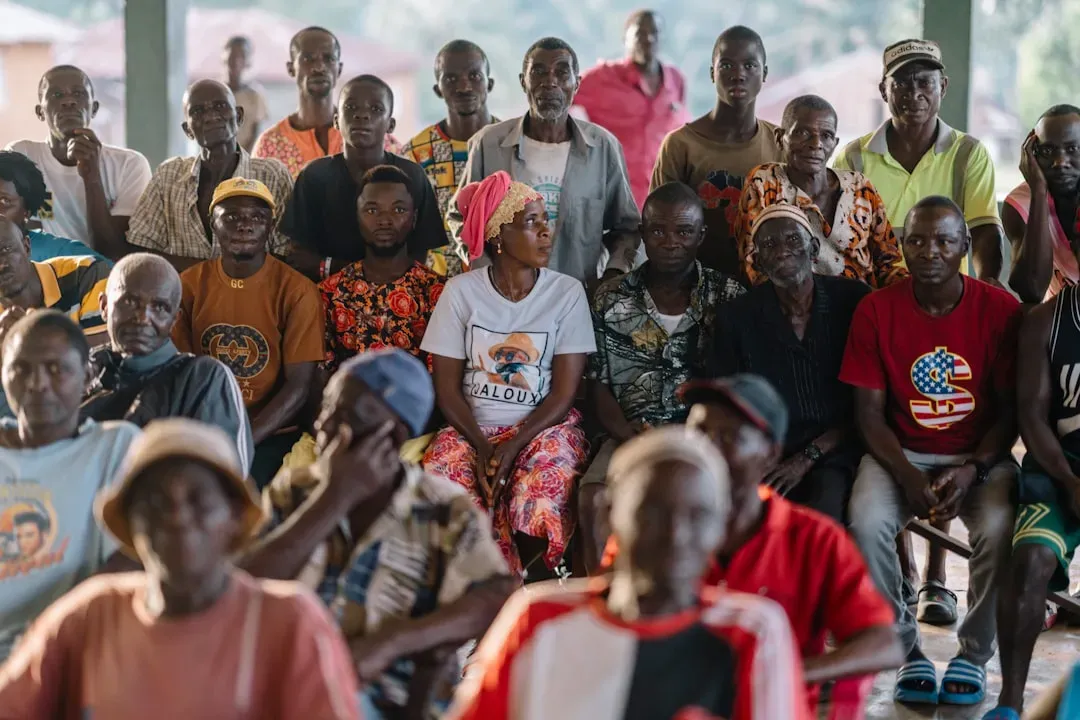
The idea of “third places” was introduced by Ray Oldenburg, a sociologist and urban theorist known for his work on the importance of informal public gathering spaces in community life. Oldenburg’s research has shaped how we understand the role of community spaces in fostering social bonds and well-being. His concept was deceptively simple, but it captured something essential about how people actually build relationships over time.
Third places are the spaces that exist outside of home and work or school. Think neighborhood coffee shops, libraries, bookstores, parks, recreation centers, skating rinks, faith communities, and casual gathering spots where connection happens organically. These spaces don’t require productivity, performance, or perfection. You just show up as a human among other humans. That kind of low-stakes, informal presence is exactly what most people lack today. There’s no app that truly replicates it.
How COVID-19 Accelerated the Collapse

During the COVID-19 pandemic lockdown, when there were no concerts in the park or info sessions at the library, no impromptu trips to the bar or long conversations at the barbershop, America’s mental health suffered. Spikes of anxiety, depression, and substance use were reported, as well as a surge in reports of loneliness. The pandemic essentially ran a brutal experiment on what happens when you strip people of their third places overnight. The results were not encouraging.
In 2024, according to the American Psychiatric Association, roughly one quarter of U.S. residents felt more lonely than they did before lockdown. Americans spent about 20 minutes a day in person with friends in 2020, down from 60 minutes daily nearly two decades earlier. The loneliness epidemic hit young people ages 15 to 24 especially hard. That age group reported a nearly three quarters drop in time spent with friends during the same period. That is not a minor shift. That is a generational severance from in-person community.
The Quiet Exodus From Religious Spaces
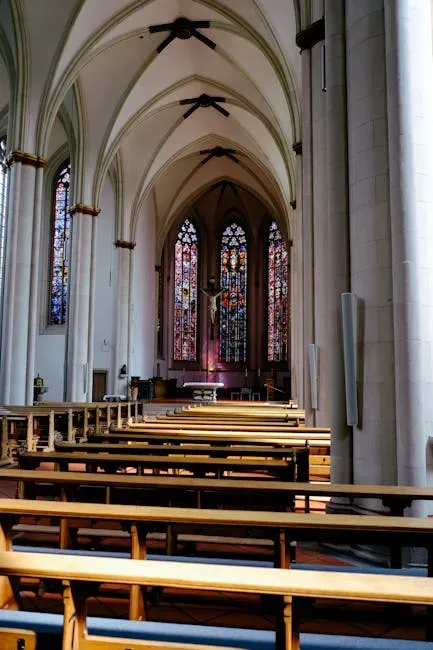
Research shows that Americans, who have become less engaged with worship houses, community organizations and even their own family members in recent decades, have steadily reported an increase in feelings of loneliness. For generations, churches were far more than religious institutions. They were the original third places, offering weekly gatherings, volunteer opportunities, and a ready-made sense of community. Losing them means losing all of that social scaffolding at once.
Surveys done in 2023 and released in 2024 confirm this trend. The religiously “unaffiliated” now comprise roughly more than a quarter of Americans. That means people unaffiliated with a particular religious group now make up the largest single segment of Americans, double the size of each of the three next-largest affiliated groups. With fewer Americans identifying as religious, communities are losing a valuable third space for connecting people socially and civically. That loss is hard to replace, and so far, nothing has stepped in to fill the gap.
Remote Work and the Death of Everyday Interaction

Americans are spending more time in their “second places,” meaning work, which leaves less time for their “third places.” Americans who are employed full time work an average of more than 8 hours a day and commute an average of roughly 55 minutes daily. Layer remote work onto that picture and the equation shifts even further. Yes, remote work saves commute time, but it also eliminates the water-cooler chat, the lunch run with a colleague, the small accidental moments of human warmth that used to be baked into the workday.
Between the amount of hours worked by Americans, the steep amount of commuting, the lack of limit on overtime, and no federal requirement for paid leave, the amount of time dedicated to a third place is drastically decreasing. According to Harvard researchers, nearly three quarters of those surveyed selected technology as contributing to loneliness, while roughly two thirds chose insufficient time with family, and about three in five said people are simply overworked or too busy or tired. It’s not one cause. It’s all of these forces pressing down at once.
Urban Design Is Making Things Worse
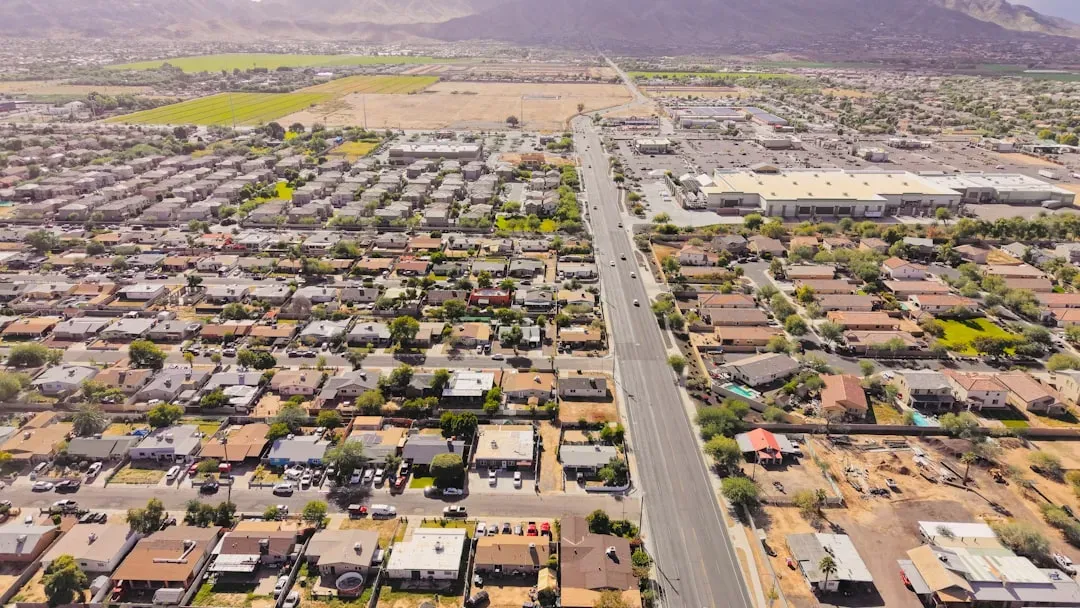
The disappearance of third places is perpetuated mainly by car-dependent suburban sprawl. Big and small cities used to have densely populated downtowns where people experienced chance encounters and supported local businesses with foot traffic. That kind of accidental social life has quietly vanished as America built itself around the car and the highway, replacing walkable neighborhoods with cul-de-sacs and drive-throughs. When you need a car to get anywhere, casual drop-in culture dies.
The systematic restructuring of cities has greatly affected social spaces. Wealthy people live in places where they can have big gated houses and their own swimming pool and their own private park, effectively replacing public gathering spaces with private amenities. Beyond this, residents are losing access to key services, goods, amenities, and recreational leisure facilities, and spaces to socialize, connect, play, and care for one another. The result is a country architecturally designed for isolation, one suburb at a time.
Who Pays the Steepest Price?

Young adults are almost twice as likely to report feeling lonely as those aged 65 or older. Loneliness among young adults has increased steadily each year between 1976 and 2019. That contradicts the popular assumption that loneliness is primarily an elderly problem. In reality, the youngest generation of Americans is arguably the most socially starved, despite being the most digitally connected in history.
Older adults are not immune to this epidemic either. The World Health Organization notes that roughly one in four older adults experiences social isolation, which can lead to serious health consequences, including increased risks of heart disease, stroke, and dementia. For these groups, the absence of accessible and welcoming spaces compounds their isolation. Meanwhile, income plays a significant role, too: Americans earning less than $30,000 a year are the loneliest, with close to nearly one in three in this category reporting feeling lonely. Loneliness, in other words, is not an equal-opportunity crisis. It hits hardest where people already have the least.
Can Third Places Be Rebuilt?

There is a unique opportunity to rethink what it means to create shared spaces. By reimagining downtowns, expanding parks, and supporting hybrid third places, communities can design environments that heal, connect, and inspire. Some cities are already experimenting with this idea, from converting empty retail spaces into community hubs to redesigning public parks with programming that brings people back outdoors. The bones of a solution exist. It mostly requires the political will to prioritize people over parking lots.
There is a growing hunger, especially among younger generations, for community, ritual, and shared experience. Book clubs are reemerging. Recreational leagues are growing. People are craving spaces where they don’t have to brand themselves, optimize themselves, or prove anything. Research confirms that third places boost mental and physical health, build social capital, and support a sense of belonging. Yet they contribute more to quality of life than to GDP, serving as informal infrastructure for community vitality, creating networks and civic engagement. That tension, between measurable economic value and unmeasurable human need, is exactly why third places keep losing the political argument. It’s time to change that.