It arrives in your mailbox or inbox looking perfectly normal. Your utility company’s logo is right there at the top. Your name, your address, even what appears to be your account number. Everything looks legitimate. So you pay it, just like you always do. Only this time, you’ve just handed your money directly to a criminal.
This is the look-alike utility bill scam, and it is spreading fast through American suburbs. Scammers have become frighteningly good at replicating the exact design, tone, and structure of real utility invoices – fooling thousands of homeowners every single month. Let’s dive in.
Warning Sign #1: The Fraud Numbers Are Staggering – and Getting Worse

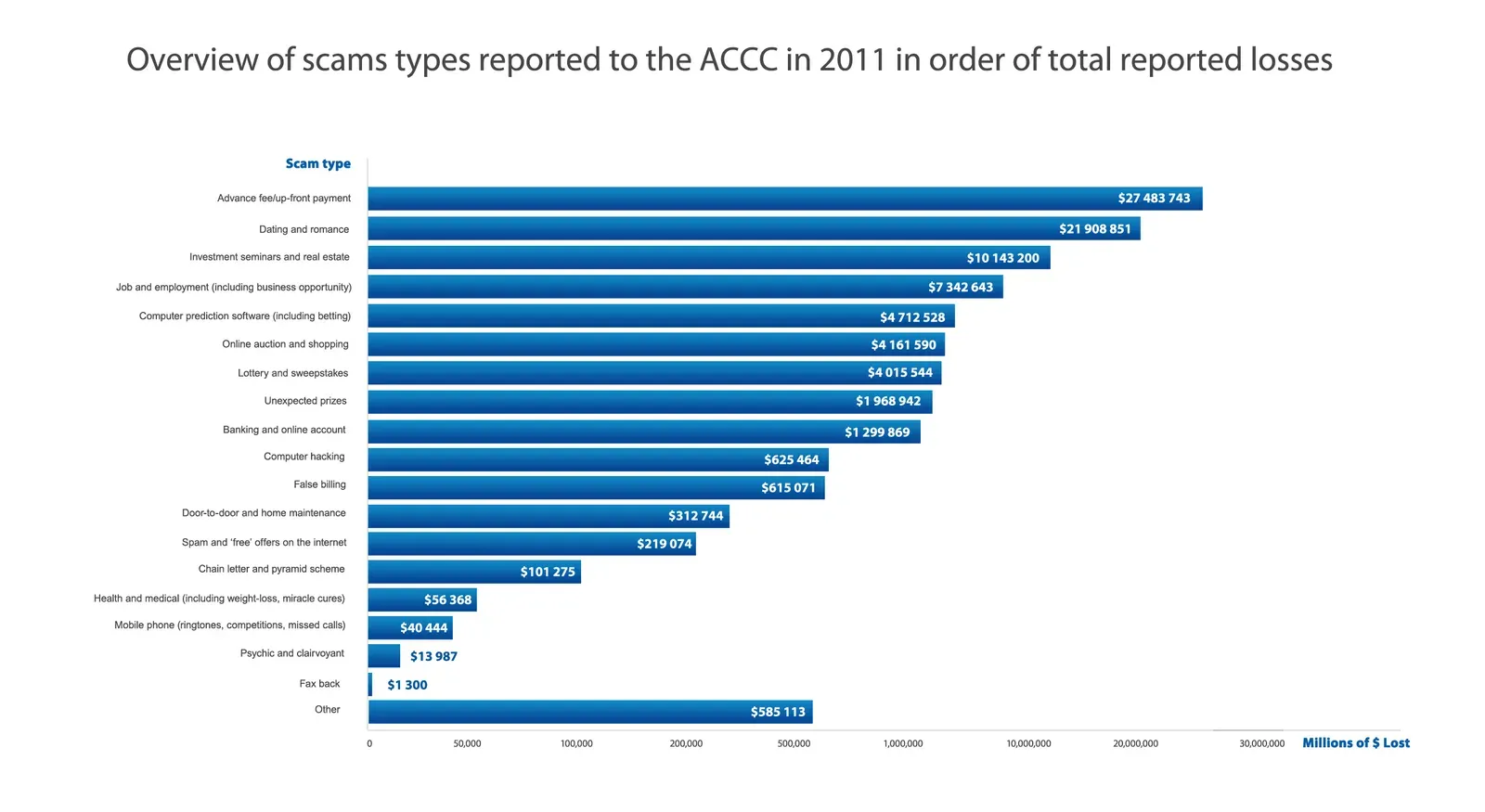
Before we get into how these fake bills actually work, the scale of this problem deserves a moment of honest attention. Consumers reported losing more than $12.5 billion to fraud in 2024, which represents a 25% increase over the prior year. Let that sink in. That is not a small, niche problem hiding in the margins of the internet.
The second highest reported loss amount came from imposter scams, with $2.95 billion reported lost. These are criminals pretending to be trusted organizations, including your gas company, your electric provider, and your water utility. In 2023, the FTC received fraud reports from 2.6 million consumers, with imposter scams, including utility scams, being the most commonly reported category.
Warning Sign #2: Scammers Are Copying Your Utility Company’s Entire Brand Identity

Scammers send suspicious emails that appear to be a bill sent by your utility company, potentially featuring your utility’s logo and color scheme. Honestly, that alone should terrify you. These are not sloppy, obvious fakes. They are professionally designed forgeries.
Fraudsters are no longer relying on Photoshop alone. Generative models and AI-powered template generators can reproduce exact layouts, fonts, and branding with uncanny accuracy. That makes manual inspection, especially under time pressure, increasingly unreliable for catching advanced fakes. Think of it like a counterfeiter who used to hand-draw fake currency, but now has access to a professional printing press. The game has fundamentally changed.
Warning Sign #3: The Shut-Off Threat Is the Emotional Hook

Fraudsters call or write pretending to be from your utility company, threatening immediate disconnection of your service unless you make a payment immediately. They often demand payment via prepaid cards, credit cards, debit cards, bank drafts, and wiring money, and insist you call back with the payment information. The scammers create a sense of urgency to pressure you into complying quickly without thinking it through.
You don’t think clearly when you’re frightened or alarmed, so you could forget that you’ve paid the last few bills on time, or that you have automatic payments set up. That fear response is precisely what they’re counting on. It’s psychological warfare dressed up as a routine billing notice.
Warning Sign #4: The Payment Method Gives the Scam Away Immediately

The caller or notice instructs you to pay by wiring money through a company like Western Union or MoneyGram, giving the caller the numbers of a reloadable card or gift card, or paying with cryptocurrency. Scammers tell you to pay this way because it’s hard to track that money, and almost impossible to get it back.
Beware of unusual payment requests. Utilities will never ask to be paid in gift cards, prepaid debit cards, or cryptocurrency. Here’s the thing: a real power company does not care whether you’re paying through a gift card purchased at a gas station. Only someone trying to steal from you without a trace needs you to pay that way.
Warning Sign #5: Subtle Logo and Formatting Flaws Hide in Plain Sight
Check the branding or logos on the bill for accuracy. Look for wrong or outdated logos, mismatched colors, or details that don’t match the company’s official brand. Scammers often miss these details, which can signal a fake bill. A slightly washed-out logo, a font that’s just one shade off, a spacing issue in the header – these are the kinds of things that betray a forgery when you look closely.
Outdated contact information, such as using legacy addresses or phone numbers no longer associated with the utility provider, is another giveaway. Payment instructions to third-party accounts, specifically bills that divert payment to unverifiable PayPal or Zelle recipients, are a clear red flag. Take an extra 60 seconds to compare any unexpected bill against a previous genuine one you’ve received.
Warning Sign #6: Suburban Homeowners Are Deliberately Targeted

It’s not random. Consumer protection experts, including the AARP Fraud Watch Network, have specifically warned that homeowners are a preferred target demographic. Scammers assume they have stable, long-term utility accounts and are more likely to respond quickly to any threat of service disruption. Utility costs make up a significant part of many households’ budgets, and scammers are always ready to take advantage when customers want to discuss their bills or find ways to save money.
In 2024, the Better Business Bureau reported that the median loss to customers who fell victim to utility scams was $435. That might not sound catastrophic on paper, but multiply that figure across tens of thousands of suburban households and you start to understand the true scale. These are real families losing real money to fake pieces of paper.
Warning Sign #7: Scammers Spoof Phone Numbers to Match Your Real Provider
Well-organized scammers can even spoof, or replicate, the phone number that appears on your caller ID to make it look like it’s coming from your energy provider. At this point, you might be panicking, and that’s what these fraudsters are counting on. Caller ID is no longer a reliable form of verification. I know that sounds crazy, but it’s absolutely true in 2026.
Criminals know that victims are more likely to be tricked if they were the ones who initiated the call. In a recent investigation, researchers discovered a prolific campaign of fraudulent ads shown to users via Google searches. To give an idea of scale, the number of ads found exceeded what had been seen in previous malvertising cases. So even when you think you’re doing the responsible thing and looking up the number yourself, you may still be reaching a scammer.
Warning Sign #8: The Fake Bill Can Lead to Identity Theft, Not Just Financial Loss

Scammers can use personal information on a utility bill, like your name, address, and account number, to commit identity theft. By impersonating you, they could open new credit accounts or mobile phone contracts, leaving you with unexpected debts and harming your credit score. The danger doesn’t end the moment you realize you’ve been scammed. It may just be beginning.
Scammers can also use a utility bill to pass verification processes, posing as you to gain unauthorized access to existing accounts or services. This information might also be used to create fake identities, which can then be used in further fraudulent activities. The impersonation doesn’t stop there; scammers might use your details to receive services or goods fraudulently, for which you may be held accountable. A single document handed over to the wrong person can unravel months of your financial life.
Warning Sign #9: Older Adults Face Disproportionately Severe Losses

New analysis from the Federal Trade Commission shows a more than four-fold increase since 2020 in reports from older adults who say they lost $10,000 or more, sometimes their entire life savings, to scammers who impersonate trusted government agencies or businesses. A look-alike utility bill sent to a retired homeowner is not a minor nuisance. It can be devastating.
Combined losses reported by older adults who lost more than $100,000 increased eight-fold, from $55 million in 2020 to $445 million in 2024. While younger consumers also have reported these scams, older adults were much more likely to report these extraordinarily high losses. If you have parents or grandparents living in suburban homes, this conversation needs to happen at the dinner table, not after they’ve already been scammed.
Warning Sign #10: Here Is Exactly How to Protect Yourself Right Now


Call the utility’s customer service number directly. A representative can tell you if you are behind on a payment or if the utility tried to contact you. Get the number from the actual bill you previously received, not from a website or from a caller. This single habit alone can protect you in nearly every situation.
Your utility company will send multiple disconnection notices via mail if your payment is past due, and they offer several payment options without specifying the type of payment required. Never wire money or pay with a reloadable card, gift card, or cryptocurrency to anyone who demands it. Only scammers will require one of those kinds of payment. If the bill or message you received feels even slightly off, pause. Take a breath. Pick up the phone using a number you already know is real, and verify. That one action is all that stands between your bank account and someone who has worked very hard to earn your trust fraudulently.
Conclusion: Your Bill May Look Real, But Your Instincts Are Your Best Defense

The look-alike utility bill scam works because it attacks something we do automatically: we pay bills without questioning them. Scammers have studied that habit carefully, and they’ve built a whole industry around exploiting it. The logos, the account numbers, the urgent language – it’s all engineered to bypass your critical thinking.
The good news is that awareness is genuinely powerful here. These scams rely almost entirely on speed and panic. The moment you slow down, compare the bill to a previous one, and call your provider directly using a trusted number, the scam collapses. Spread this information. Share it with a neighbor, a parent, a friend who just moved to a new home and doesn’t know their utility company’s habits yet.
The most dangerous bill you’ll ever receive may look like the most ordinary one. Would you have caught it? Think about it, and if you have a story or tip to share, drop it in the comments below.