Remember when you’d drop a needle on a record and just let it play? There was something almost sacred about experiencing an album from start to finish, exactly as the artist intended. Those days feel distant now, lost somewhere between shuffle mode and algorithmic playlists. We’ve gained instant access to millions of songs, but maybe we’ve lost something more valuable in the process.
The truth is, most people don’t even think about track order anymore. Why would they? When you can cherry-pick your favorites and skip whatever doesn’t immediately grab you, who cares if song seven was supposed to follow song six? Honestly, I used to think the same way until I started paying attention to what we’re missing. Let’s dive into why the sequence of songs on an album isn’t just some random decision, but a carefully crafted journey that artists spend countless hours perfecting.
The Opening Statement That Sets Everything in Motion

That first track on an album? It’s not there by accident. Artists agonize over which song should greet listeners, knowing they have maybe thirty seconds to hook someone or lose them forever. Think of it like the opening scene of a great film. You wouldn’t start a thriller with the credits rolling slowly over peaceful countryside shots, right?
The opener establishes mood, energy, and intention. It’s a handshake, an introduction, and a promise all rolled into one. When an artist nails it, you’re committed before you even realize you’ve made a choice. When they get it wrong, well, you might never make it to track two.
I know it sounds dramatic, but there’s real psychology behind this. Our brains are wired to form first impressions instantly, and music is no exception. A strong opener creates anticipation for what’s coming next.
Building Momentum Through Strategic Placement
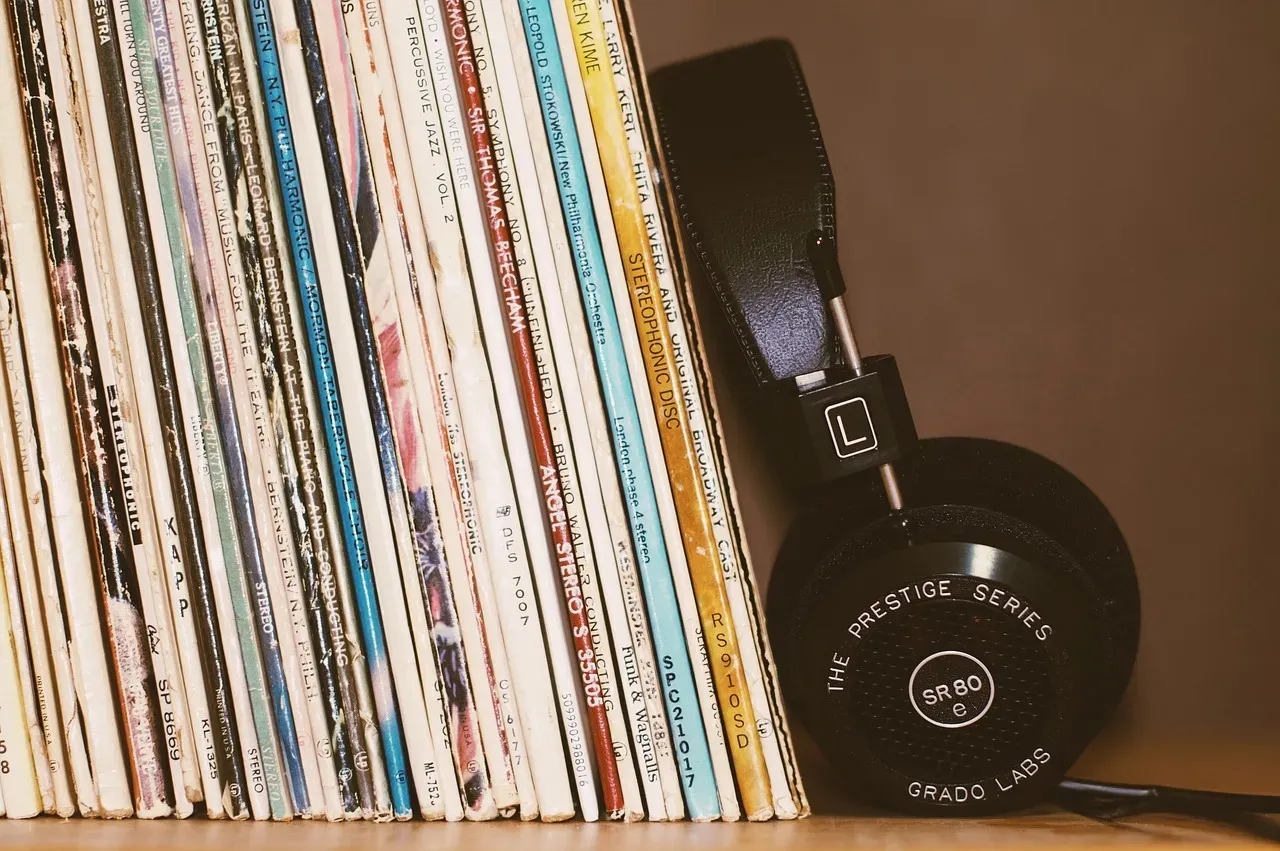
Here’s where things get interesting. The second and third tracks often carry the heaviest lifting. They need to maintain whatever energy the opener created while starting to reveal the album’s deeper character. It’s a delicate balance, like gradually turning up the heat under a pot of water.
Smart artists know not to blow all their best material upfront. Instead, they create a gradual build, strategically placing stronger tracks to keep you engaged through potential slower moments. Roughly about a third of listeners will bail on an album within the first three songs if the momentum flatlines.
The art lies in variation without whiplash. You can’t jump from a melancholic ballad to aggressive rock without some kind of sonic bridge, unless that jarring transition is intentional. And sometimes it is. That’s what makes this fascinating.
The Make-or-Break Middle Section

Let’s be real, the middle of an album is where most artists struggle. It’s easy to frontload your hits and save one banger for the end, but what about tracks five through eight? Those forgotten middle children of the tracklist deserve attention too.
This is where sequencing separates amateurs from masters. The middle needs to either maintain momentum or provide necessary breathing room, depending on what the album demands. Some of the most beloved albums ever made feature their deepest cuts right in this danger zone, rewarding listeners who stick around.
Think of it as the second act of a movie. Things might slow down, subplots develop, and character depth emerges. It’s not always flashy, but it’s essential. Without a solid middle, an album feels hollow, like a sandwich with no filling.
The Emotional Arc You Never Noticed

Great albums take you somewhere emotionally. You don’t end up in the same headspace where you started, and that’s intentional. The sequence creates an emotional trajectory that unfolds over thirty to sixty minutes.
Maybe it’s a journey from heartbreak to healing, from anger to acceptance, or from chaos to clarity. The point is, each song acts as a chapter in a larger story. When you shuffle these chapters randomly, the narrative disintegrates into meaningless fragments.
I think that’s what we’ve lost most in the streaming era. We’ve traded cohesive emotional experiences for instant gratification. It’s the difference between reading a novel and skimming Wikipedia summaries of each chapter. Sure, you get the information, but you miss the experience.
The Science of Dynamic Contrast

Artists and producers obsess over something called dynamic range. It’s not just about loud versus quiet. It’s about tension and release, chaos and calm, density and space. Track sequencing is how they control these contrasts across an entire album.
A pounding, energetic track hits harder when it follows something delicate and sparse. Conversely, a gentle interlude feels like a sanctuary when it emerges from sonic intensity. These contrasts keep your brain engaged, preventing listener fatigue.
Without thoughtful sequencing, albums can feel monotonous even when individual songs are strong. It’s like eating five desserts in a row. Each one might be delicious, but together they’re overwhelming and you lose appreciation for the individual flavors.
Side A and Side B: The Lost Physical Divide
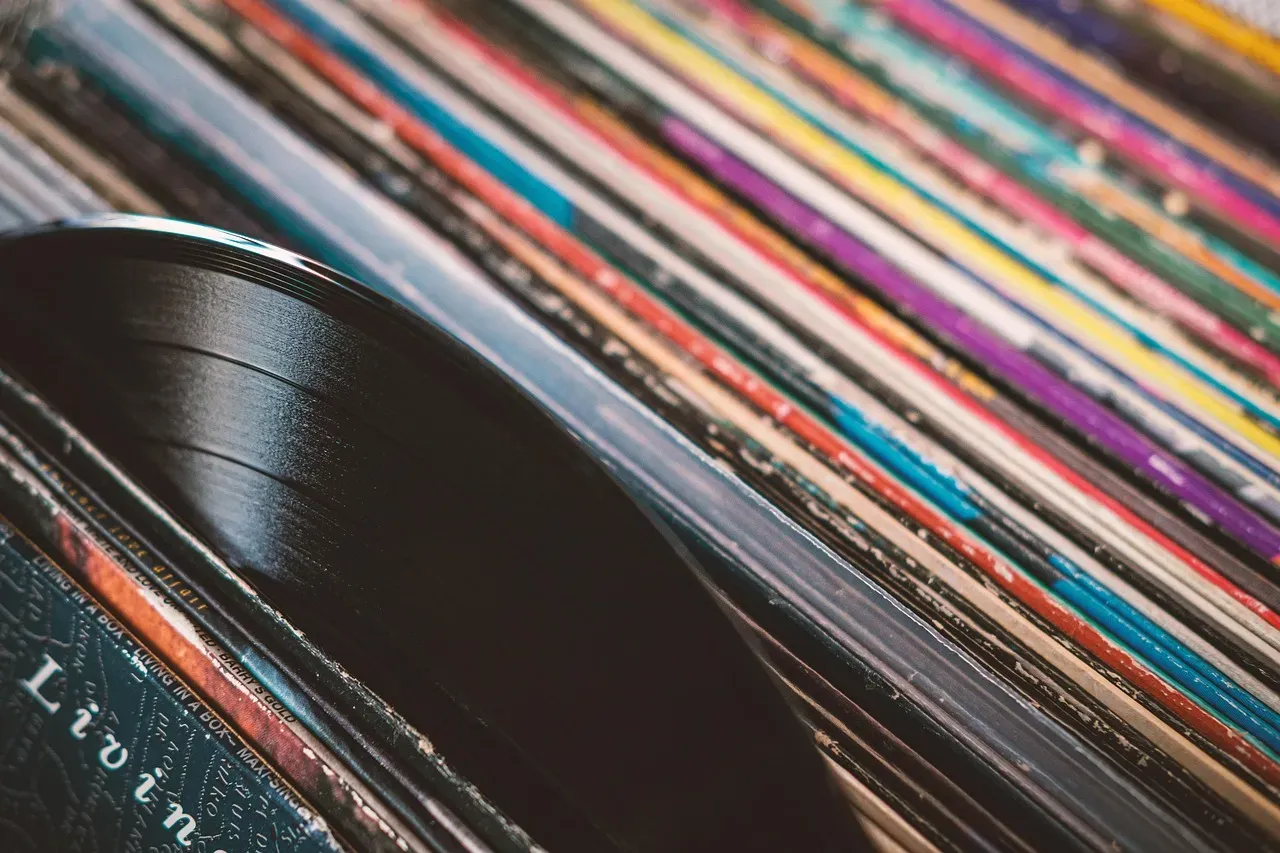
Back when vinyl and cassettes ruled, albums had a natural intermission built in. Side A and Side B weren’t just technical limitations. They were creative opportunities. Artists treated each side as its own mini-journey, often ending Side A with something impactful to make you physically flip the record.
That brief pause between sides served a purpose. It gave you a moment to process, to anticipate what comes next. Many classic albums still show this structure even in digital formats, with the tracklist revealing a clear midpoint shift in tone or energy.
Today’s artists don’t face that constraint, which is both liberating and challenging. Without that forced break, they need to work harder to maintain interest across an uninterrupted listening experience. Some succeed brilliantly, others create hour-long slogs that desperately needed editing.
Strategic Hit Placement in Commercial Reality

Let’s not pretend commercial considerations don’t matter. Labels and artists argue endlessly about where to place potential singles. The most radio-friendly track doesn’t always open the album because that spot demands something else. It’s hard to say for sure, but there’s definitely strategy involved.
Often, the biggest potential hit lands somewhere around track three or four. Early enough to hook casual listeners, but not so early that it overshadows everything else. Meanwhile, deep cuts with cult appeal might get buried later, rewarding dedicated fans who listen all the way through.
This creates a subtle hierarchy within the tracklist. Certain songs are gateway drugs designed to pull people in. Others are rewards for the faithful. The sequence orchestrates this economic reality while hopefully serving artistic vision too.
Transitions and Interludes as Connective Tissue
Here’s the thing about great album sequencing: sometimes the space between songs matters as much as the songs themselves. Those brief interludes, ambient passages, or seamless transitions aren’t filler. They’re the glue holding everything together.
When done right, you barely notice them consciously, but they profoundly affect your experience. They smooth jarring shifts, build anticipation, or provide momentary reflection. Removing them, like shuffle mode does, creates awkward gaps that disrupt flow.
Some artists take this further, creating albums where songs deliberately bleed into each other, making it almost impossible to experience them in isolation. It’s a bold statement against our fractured, playlist-driven culture. And honestly, it’s kind of rebellious in 2026.
The Power of Ending Strong

If the opener is a first impression, the closer is the lasting one. It’s your final statement, the feeling you want lingering after the music stops. Some albums end with their most powerful track, going out with explosive energy. Others fade into quiet reflection, like a conversation trailing off into comfortable silence.
The best closers feel inevitable, like everything before them was building to this exact moment. They provide closure while sometimes opening new questions. They make you want to immediately start the album over, hearing earlier tracks through the lens of where you’ve ended up.
A weak closer, though, can undermine an otherwise stellar album. It’s like a great meal that ends with a disappointing dessert. The aftertaste colors your memory of the whole experience. That’s why artists often agonize over this choice as much as the opener.
Final Thoughts on a Fading Practice
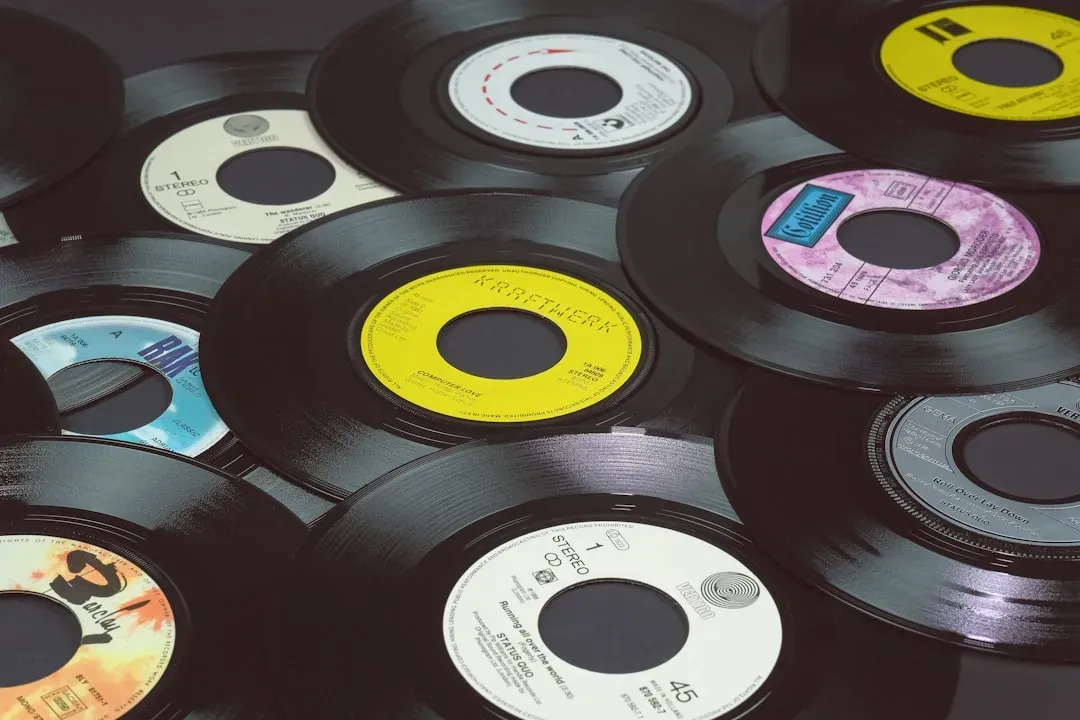
The art of album sequencing might be fading, but it’s not dead yet. As long as artists care about creating cohesive statements rather than just collections of singles, this craft will endure. The question is whether listeners will meet them halfway.
Maybe you don’t have time for full album listens every day. Fair enough, life is busy. But occasionally, when something catches your interest, try experiencing it as a complete work. Turn off shuffle, eliminate distractions, and let the sequence guide you.
You might rediscover why this format survived for decades, why musicians still pour countless hours into track order decisions, and why some of us still believe that how you arrange songs is just as important as the songs themselves. What do you think about it? Tell us in the comments.