


The Staggering Decline of Personal Letters

In fiscal year 2024, the Postal Service delivered 112 billion pieces of mail, a loss of 101 billion pieces, or nearly 50 percent, from fiscal year 2006’s peak of 213 billion. Let that sink in. We’re talking about nearly half of all mail vanishing in less than two decades. Annual Market Dominant mail volume fell by 46 percent between fiscal years 2008 and 2023, with First-Class Mail volume falling 50 percent over that period, from 92 billion pieces to 46 billion. The key factor driving ongoing decline in mail volume is electronic diversion, referring to the replacement of physical mail with electronic alternatives, such as the Internet, email, texting, and social media.
Here’s the thing. Most of what we still receive in our mailboxes isn’t even personal correspondence anymore. It’s bills and advertisements, plain and simple. When was the last time you actually opened your mailbox expecting to find a handwritten letter from someone you care about?
What the Science Reveals About Handwritten Letters and Mental Health

A Royal Mail study carried out during the pandemic found that a whopping 74% of people felt writing letters had positive mental health benefits. I know it sounds almost too good to be true, yet the evidence keeps piling up. Dr. James Pennebaker, a professor at the University of Texas at Austin, pioneered research demonstrating that writing about emotional experiences can lead to significant improvements in both mental and physical health, with people who wrote about traumatic or deeply emotional events for just 15 minutes a day over several days reporting fewer stress-related doctor visits, improved immune function, and better emotional well-being.
Research findings suggest that receiving a handwritten letter can reduce the feeling of loneliness, increase the emotional support that senior citizens receive, and reduce poor mental health status. The act of putting pen to paper forces us to slow down, to think more deliberately about what we want to say. Writing and receiving handwritten notes come with many mental health benefits, such as improving symptoms of depression and anxiety, decreasing stress, creating cherished memories.
How Handwriting Literally Rewires Your Brain


A study published in January found that when students write by hand, brain areas involved in motor and visual information processing sync up with areas crucial to memory formation, firing at frequencies associated with learning. Honestly, the neuroscience behind this is fascinating. Writing by hand is a neurobiologically richer process and this richness may confer some cognitive benefits. Those writing by hand had higher levels of electrical activity across a wide range of interconnected brain regions responsible for movement, vision, sensory processing and memory.
Students who took handwritten notes retained conceptual information better than those who typed, even when typing speed was controlled. Think about what this means for learning, for memory, for genuine understanding. Handwriting training has been found to improve spelling accuracy and better memory and recall, and to facilitate letter recognition and understanding. It’s not just nostalgia driving the case for handwriting. It’s hard science.
The Alarming Crisis in Children’s Writing Skills
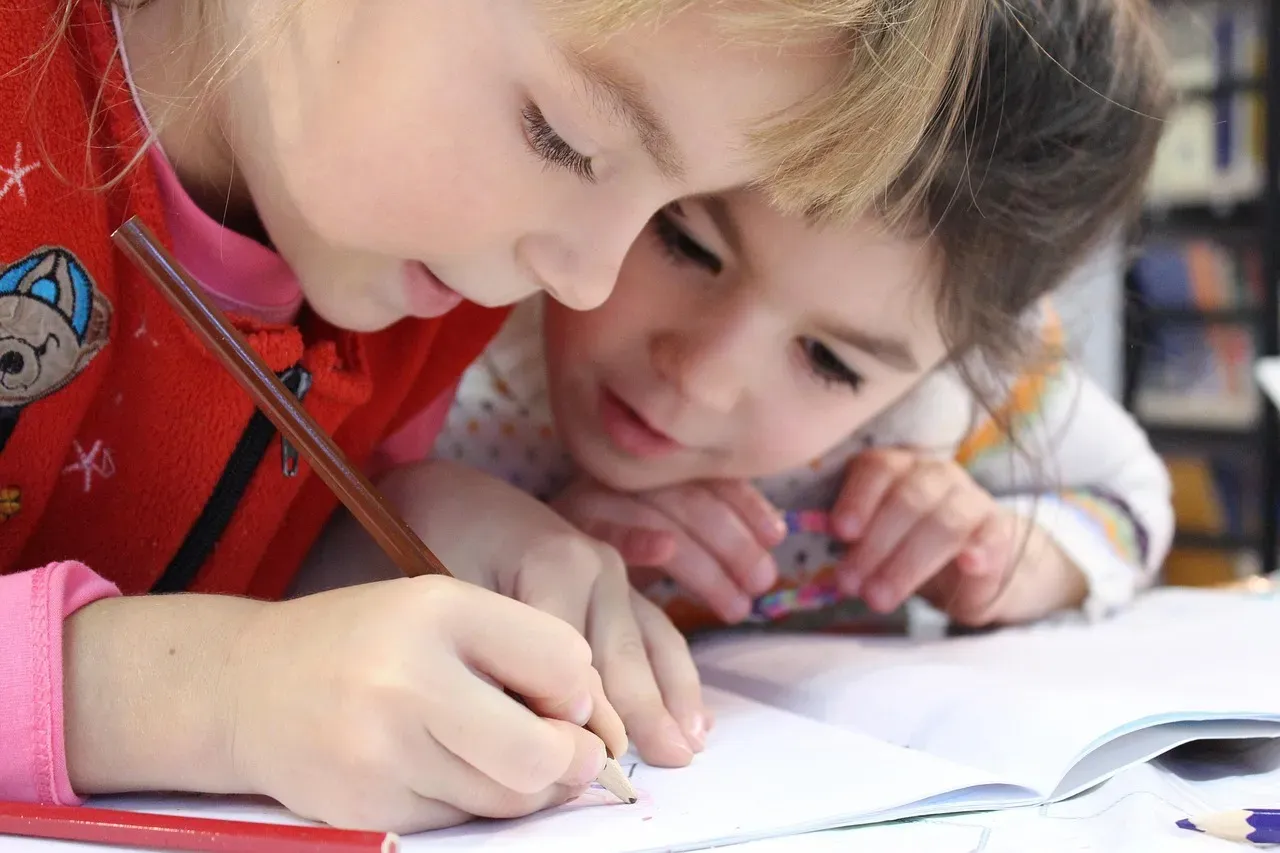
The writing crisis among children and young people in the UK continues into 2025, with writing and frequency at an unprecedented low, and this deepening disengagement has concerning long-term implications for literacy and learning. The statistics are genuinely worrying. Just 1 in 10 children and young people wrote something daily in their free time, with daily writing levels at historically low levels in 2025.
Surveyed school officials reported a 31 percent learning loss for English and Language Arts. Some experts believe the pandemic made things worse, yet the decline started well before 2020. Total printing and writing paper shipments decreased 11 percent in December compared to December 2024 and 8 percent on a year to date basis. Even the physical materials we use for writing are disappearing from our lives.
Digital Communication and the Loneliness Paradox
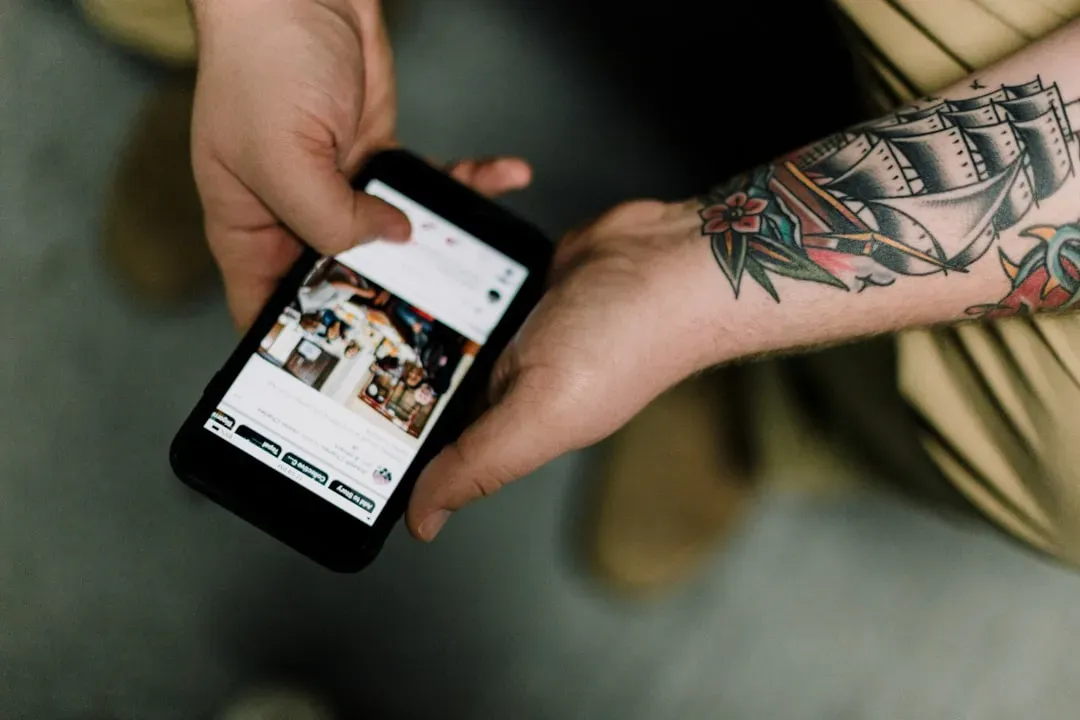
Despite numerous benefits of digital communication, increased digital engagement does not necessarily translate into enhanced social satisfaction or reduced feelings of loneliness, as digital communication can often exacerbate feelings of isolation when individuals engage in superficial interactions that lack the depth and emotional resonance of face to face contact, a phenomenon often referred to as the Social Media Paradox. We’ve all felt this at some point, haven’t we? You can have thousands of online connections and still feel completely alone.
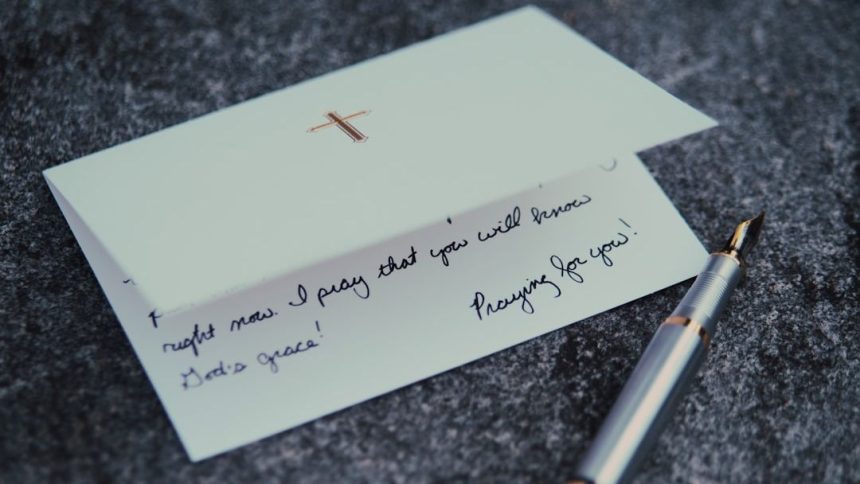
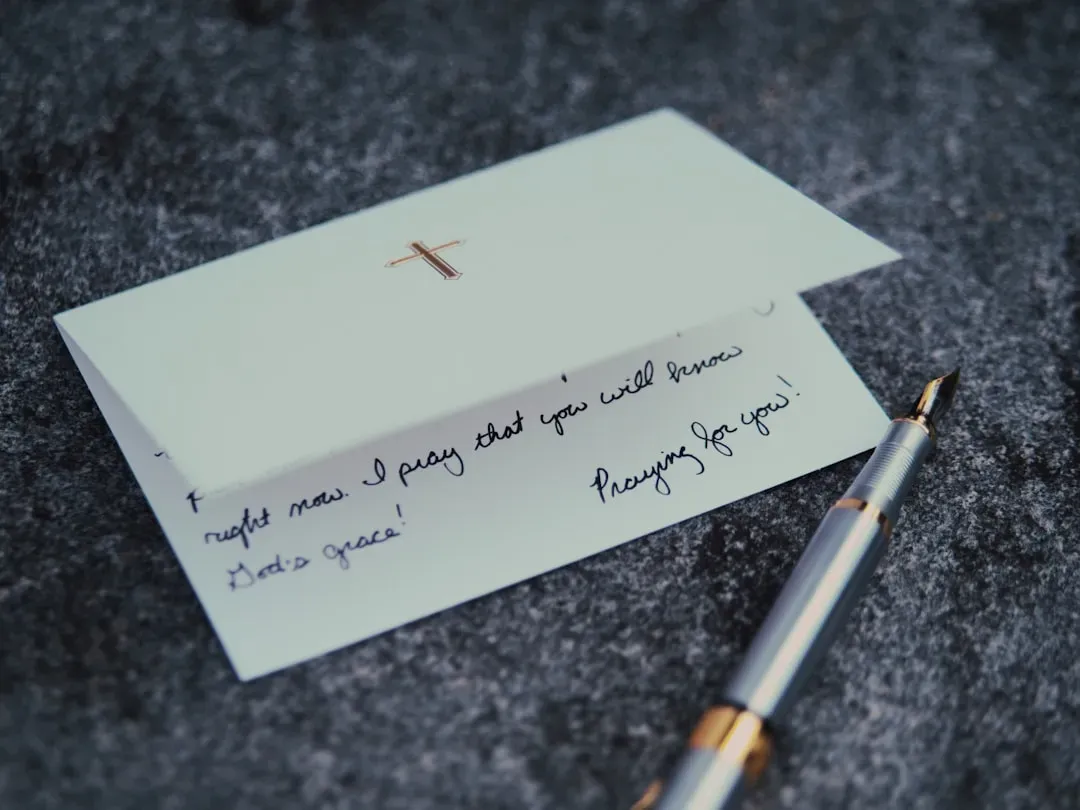
Telephone, text and video contacts were found to be neither functionally nor emotionally equivalent to embodied, physical co-presence. There’s something about receiving a physical letter that no text message can replicate. Handwritten notes carry a power that no text message or email can match because they’re tangible proof that someone cared enough to pause, reflect, and create something uniquely meaningful just for you.
Why Personal Handwriting Matters More Than Ever
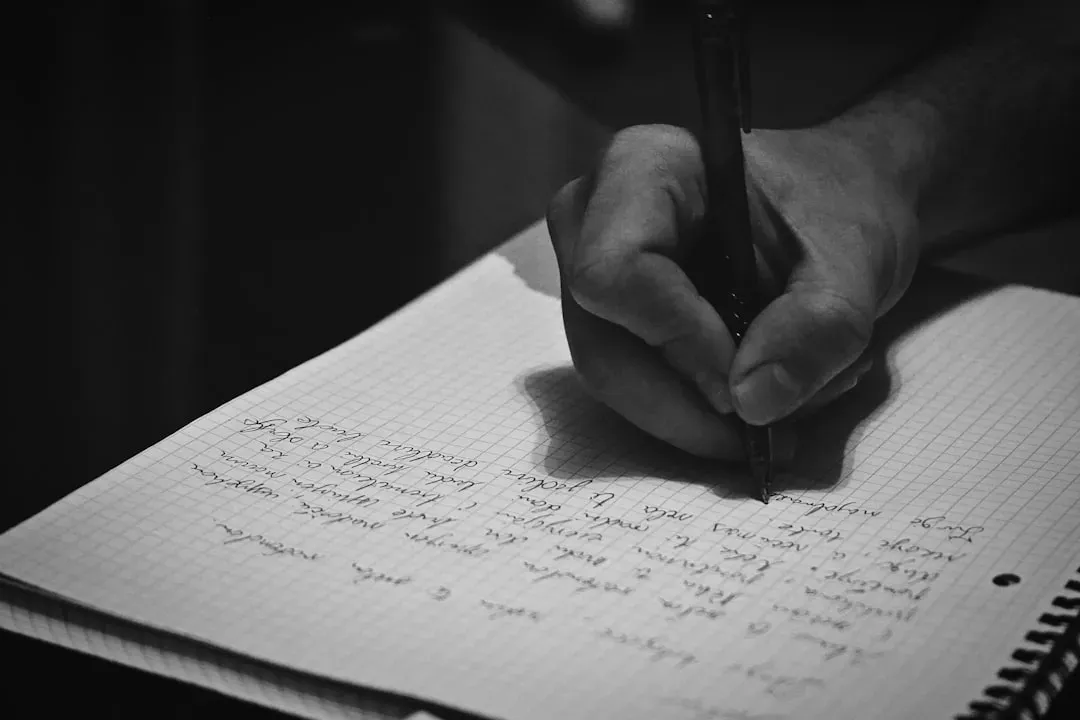
Let’s be real. We’re losing something fundamental about human connection when we abandon handwriting entirely. Writing a handwritten letter is an excellent way to help a loved one feel less isolated or lonely, as receiving these personalized gifts lets them know you care about them, their emotions, and overall well-being. It’s not just about the words themselves. It’s about the time, the effort, the physical act of creation.
Regularly practicing handwriting may improve brain structure and function, and while slower than digital, writing by hand daily may help fight cognitive decline. This matters for all of us, not just children learning to write or elderly people trying to stay sharp. Handwriting can have a range of benefits for the brain, including a calming effect, coordination of the left and right brain, boosting cognitive skills, inspiring creativity, sharpening aging minds, and improving memory. The benefits span across every stage of life.
Reclaiming the Practice in Modern Life


I’m not suggesting we abandon email or return to some idealized past. That would be ridiculous. Technology has given us incredible tools for communication. Yet we’ve thrown the baby out with the bathwater by completely abandoning handwritten correspondence. With so many forms of instant communication at our fingertips, it may be easier and quicker to tap out a brief message on your phone’s keypad but there is still something very special about receiving a handwritten letter.
Start small if you need to. Write a thank you note instead of sending a text. Send a birthday card with a personal message instead of a Facebook post. Organizations like Letters Against Depression have over 10,000 volunteers who have written over 51,500 letters and cards that have personally impacted recipients’ lives, connecting people from over 60 countries. The ripple effects of a single handwritten letter can be profound and lasting in ways that digital messages rarely achieve.


