
There’s a particular kind of spending that’s hard to argue against when you’re in the middle of it. You’ve worked hard, you love music, and you’ve convinced yourself that the next upgrade is the one that finally gets you there. For a large segment of the audio-enthusiast world, this pattern repeats itself endlessly, quietly draining bank accounts while delivering less and less in return.
The audiophile hobby is unique in how effectively it blurs the line between genuine sonic improvement and something closer to status signaling. This is the middle-class trap: not the ultra-wealthy buying seven-figure speakers they’ll rarely use, but the earnest, financially stretched enthusiast spending money on gear that promises transformation and mostly delivers anxiety. What follows is a clear-eyed look at where that money actually goes, and why so much of it probably shouldn’t.
The Cost Curve Nobody Talks About Honestly

There’s a saying in the audiophile world that the last 5% of performance improvement costs 95% of the total price, and it isn’t just hyperbole. It’s a fairly accurate description of the cost curve in high-end audio. The early gains are real and meaningful. Moving from a cheap all-in-one system to a decent separates setup is genuinely transformative, something anyone in the room can appreciate.
Getting from terrible to good sound might cost around five hundred dollars. Getting from good to great might cost five thousand. Getting from great into the territory where you can hear a guitarist’s fingers sliding on the strings? That’s fifty thousand dollars, please. Each incremental improvement becomes exponentially more expensive, requiring more precise engineering, more exotic materials, and more specialized manufacturing processes.
When Upgrading Takes You Further From the Music

When audiophiles talk about upgrading gear, the phrase that always comes up is the law of diminishing returns. You start with modest equipment, and the first upgrades are usually transformative. Anyone with trained or untrained ears will hear the difference. That experience is what gets people hooked. The mistake is assuming it continues linearly.
People wrongly assume improvement can be achieved in a linear fashion with all future upgrades. They keep throwing more money at their system, but slowly become more frustrated. The extra cash hasn’t brought the performance leaps they’d expected. Sometimes adding an expensive component upsets the balance of the system and actually takes it a step backwards, sonically. One experienced audiophile described selling his setup, cutting the investment by 75 percent, and finding the result more satisfying than ever. Chasing “better” had taken him further from enjoying music, and scaling back finally brought him back to it.
The Status Game Hiding Inside Your Equipment Rack
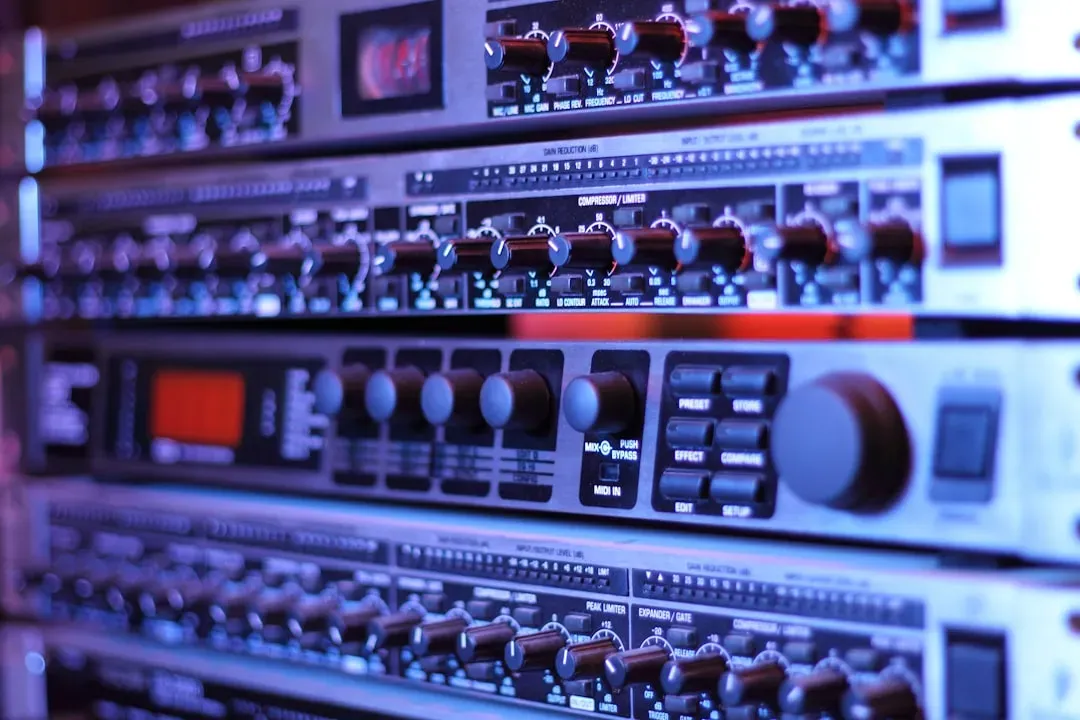
Part of what drives high-end audio spending is passion, and part is curiosity. Part of it is also status. If you’re active on forums, attend audiophile club meetings, or invite friends over to hear your system, there’s an element of pride in owning good gear. The fancy DAC on the rack isn’t just a source component. It’s a statement of status among peers.
Some manufacturers have admitted they were forced to create more expensive products because potential customers didn’t take their less expensive components seriously. In such cases, there’s no assessment of performance by the buyer, no comparative listening sessions, no measurements, and no proof that the more expensive product is actually better. The price tag becomes the product itself. That dynamic explains much of what happens in the middle of the market.
The $5,000 DAC Problem
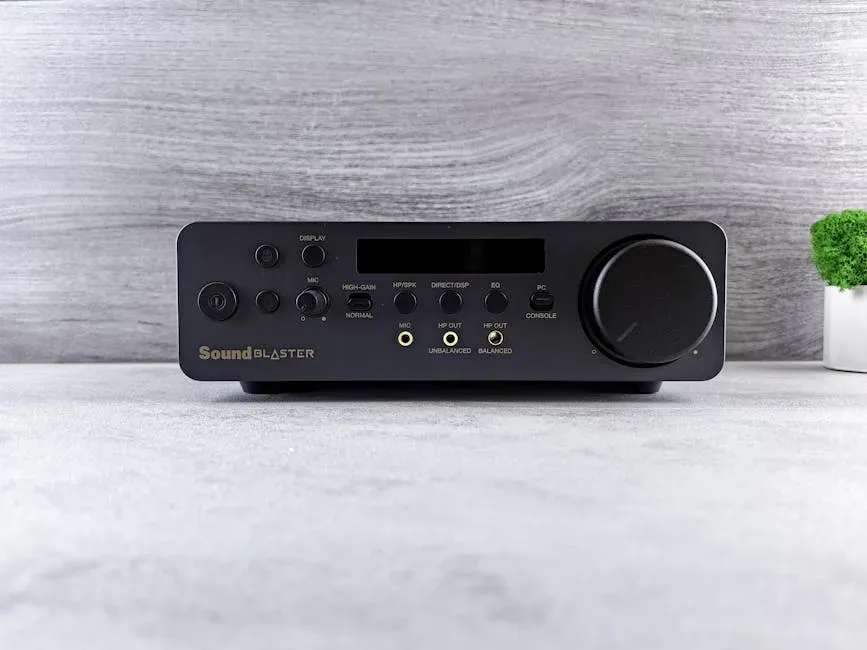
The percentages of improvement keep shrinking the further up the price ladder you climb. Going from a two-thousand-dollar DAC to a six-thousand-dollar DAC might get you, generously, a ten percent improvement in sound quality. For most people listening in a typical living room, that difference is barely perceptible under normal conditions, let alone worth the cost of a used car.
The price of an item influences its perceived performance, and this varies from person to person. While virtually everyone agrees that diminishing returns exist, there is no agreement on the point at which they set in. If you were to take a survey, you’d find virtually all price points covered. That ambiguity is precisely what keeps the upgrade cycle spinning, and what makes it so difficult to step off.
The Expensive Cable Myth That Refuses to Die
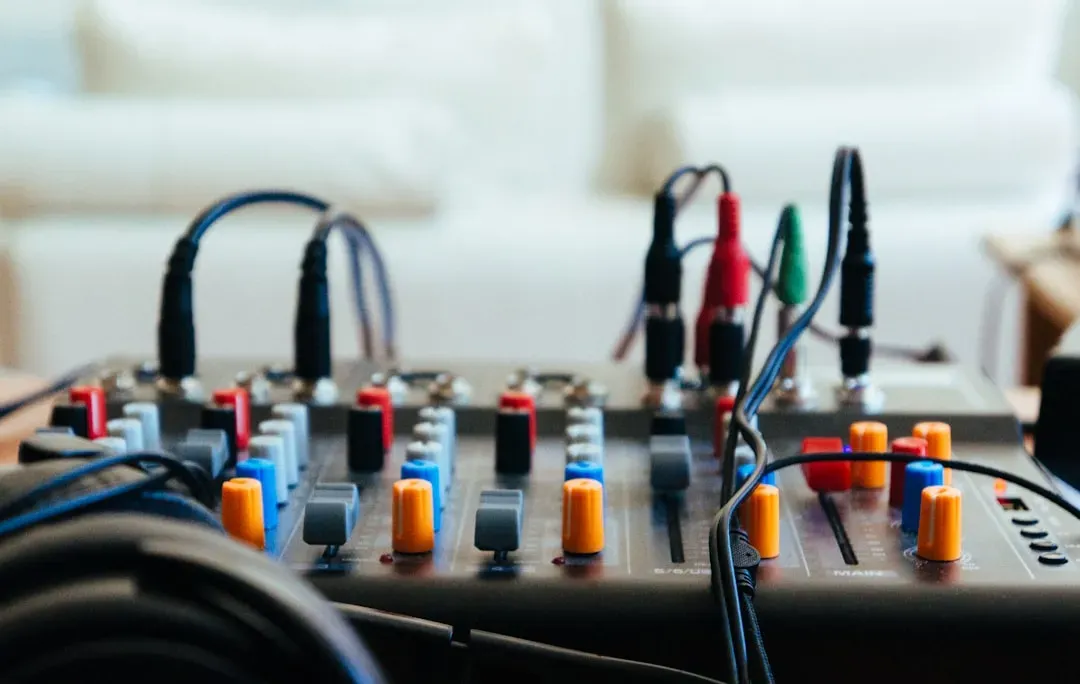
A forum moderator named Pano conducted an experiment in 2024 that was later rediscovered widely. He ran high-quality audio through different mediums including professional copper wire, an unripe banana, old microphone cable soldered to pennies, and wet mud. He then challenged forum members to identify the resulting clips, which were musical recordings run through the different conductors. It was practically impossible to tell the difference.
A blind listening test asked 43 audiophiles to differentiate a CD audio signal passed through professional copper wire, a tray of wet volcanic mud, and a green banana. Only six people guessed correctly, a success rate statistically identical to random guessing. Double-blind studies, including those by the Audio Engineering Society, consistently show that listeners can’t reliably distinguish expensive cables from good-quality budget ones. The rare exceptions involve extremely long runs, very high-impedance loads, or severe electrical noise, all scenarios almost never seen in typical living rooms.
Your Room Is the Component You’re Not Buying
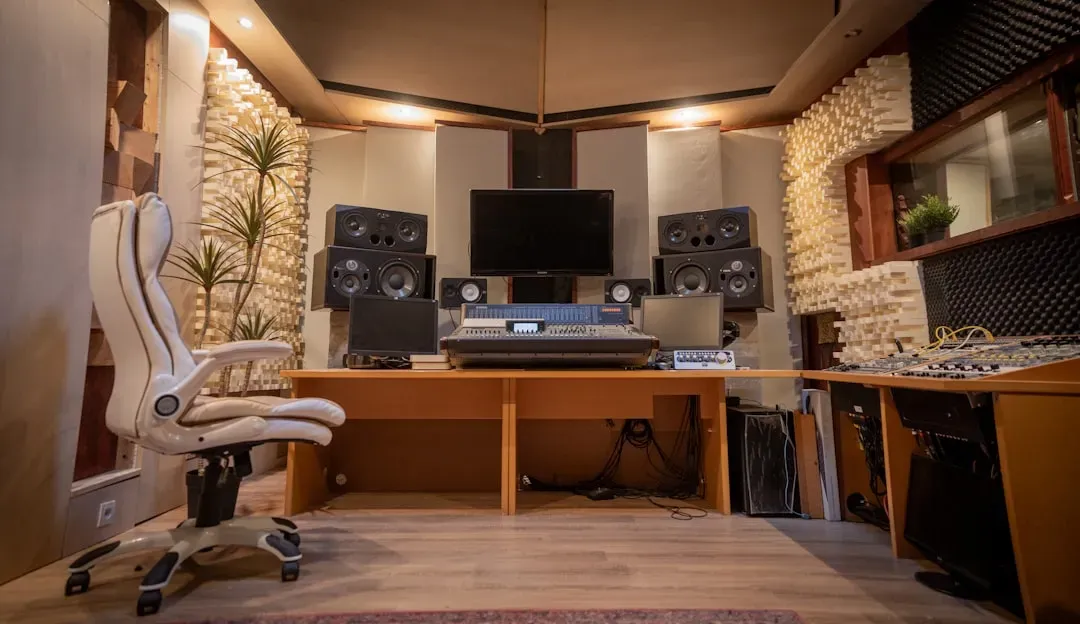
You can spend all the money you want on audiophile electronics and speakers, but your room acoustics are the single most important factor in how good your system will sound. It’s not a controversial claim among professionals, yet it’s consistently the last thing consumers address. They’ll buy a new amp before they’ll hang a panel on the wall.
When a customer returned an expensive Yamaha receiver and high-end speakers complaining they didn’t sound great, a Yamaha rep suggested a demonstration. They set up the returned system on the regular showroom floor and moved a cheaper home-theater-in-a-box system into the properly treated room. The budget system sounded better. Basic acoustic treatment, like bass traps, first-reflection control, and sensible placement, yields bigger and more reliable improvements than most electronics swaps. It’s also one of the most cost-effective upgrades you can make.
When System Synergy Gets Ignored
There’s the question of synergy, which audiophiles talk about but don’t always prioritize. Every piece of equipment has a sonic fingerprint, and it’s not just about how good a component is on its own, it’s about how it plays with the rest of the system. If your speakers are super revealing and already a touch on the bright side, pairing them with an ultra-resolving DAC tips the whole presentation toward lean and harsh.
Sometimes the smarter move is to find electronics that balance out your system, maybe a warmer amp or a DAC with a slightly more relaxed presentation. Chasing absolute resolution without thinking about system synergy can leave you with something technically impressive but fatiguing to listen to. This is a common and expensive mistake, one that typically leads to more spending rather than any honest reassessment.
The Resale Reality Check
When supply chains tightened and home-audio demand surged during the pandemic, manufacturers raised prices across categories. Unlike past cycles, those increases largely held. Components such as bookshelf speakers and headphones now carry materially higher MSRPs than their pre-2020 equivalents. That means the gap between what you pay new and what you’ll recover on resale has become a more significant financial consideration.
USB interfaces, DSP-heavy systems, and many smart audio devices can be perfectly functional hardware while still performing weakly on the used market because their value is tied to ongoing software support. When updates end, resale value drops. The hardware may still function, but the ecosystem around it no longer does. Mordor Intelligence’s 2025 audio equipment analysis estimates products above a thousand dollars to be the fastest-growing segment in audio through 2031, which means more buyers are entering exactly the price range where these risks are most pronounced.
Where the Money Actually Makes a Difference

The biggest improvements don’t always come from buying the most expensive electronics. Speakers, room treatment, and source quality tend to offer the most audible return per dollar spent. When talking with younger audiophiles, the repeating theme is always value. While much of the industry focuses on selling to the ultra-wealthy, younger listeners as well as those who have other financial priorities are always looking for the best return on what they spend.
Companies like Schiit made their name by skipping the middleman and giving buyers great headphone gear at low prices. Their Magni amp and Modi DAC are entry-level staples that punch well above their price point. You can spend under one hundred and fifty dollars on each and still get clean, neutral sound with solid build quality. At a time when high-end audio prices are rising across the board, finding products that deliver leading sound quality, engineering innovation, and true value for money isn’t easy, but they exist at almost every price point if you’re willing to look past the marketing.
What Contentment Actually Sounds Like

Whether someone over or underspends may not be the most important question. The more important criteria are how balanced the system and room are as one functioning unit. In the end, all that really matters is how much enjoyment is derived from the system, regardless of cost. That’s a simple idea, but it cuts against almost every instinct the high-end audio market works to cultivate.
At some point, the law of diminishing returns will come into play. As it applies to audio, this essentially states that spending more money will not yield a better-sounding stereo system. The middle-class trap isn’t really about spending too much in absolute terms. It’s about spending money to signal something rather than to hear something, and never quite noticing the difference between the two until the bank account makes it impossible to ignore.