
There was a time when a six-figure salary felt like cracking the code of the American Dream. A hundred thousand dollars a year meant a mortgage you could manage, vacations you could afford, maybe even a savings account that actually grew. Honestly, for a lot of Americans, $100k still feels like a destination worth chasing.
The problem? In a growing number of states, it is not even close to enough. Taxes claw back a shocking chunk before you ever see it. Housing has climbed to levels that feel almost fictional. Groceries, childcare, utilities – all of it piling up. The paycheck looks great on paper, but the bank account tells a very different story. Let’s dive in.
1. California – Where Six Figures Feel Like a Stretch
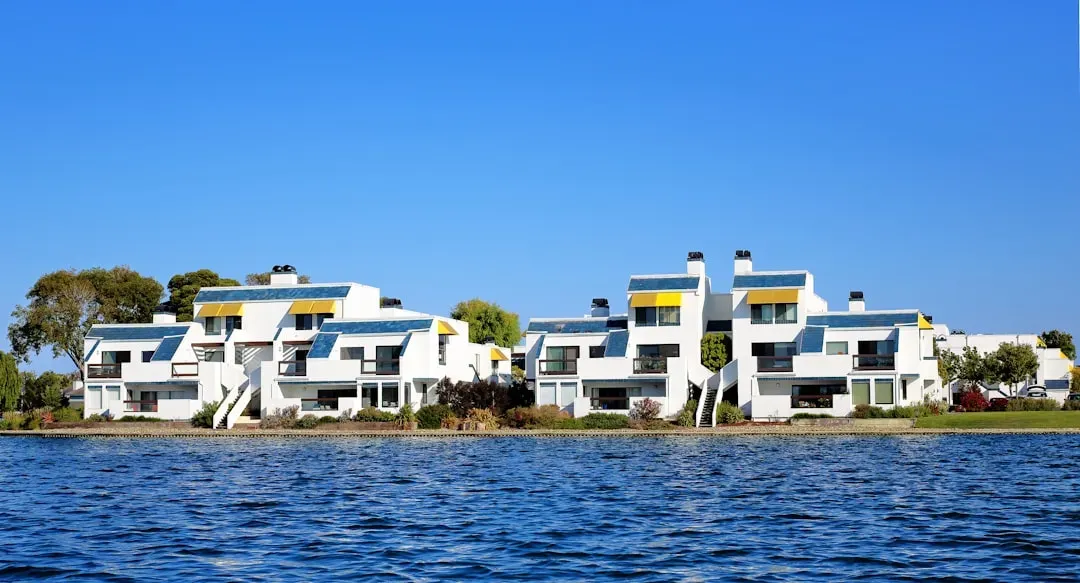
In California, a $100,000 salary is worth only about $54,724 in real purchasing power. That is barely more than half your actual income, evaporated by state taxes and a cost of living that ranks among the highest anywhere in the nation. California’s top marginal income tax rate hits 13.3 percent, and the state also imposes a 1.1 percent payroll tax on wage income.
California consistently has the highest average gas prices in the continental U.S., often exceeding $4.60 per gallon, due to a combination of high state taxes and specific fuel blend requirements. Layer that on top of rent costs that depleted purchasing power dramatically, with average rents in California exceeding $2,500 a month as of 2024, according to RentCafe.
California’s Cost of Living Index sits at 142.3, making it the second most expensive state in the country. That is not a minor premium. That is nearly half again more expensive than the national average, for everything from a carton of eggs to a monthly parking spot.
2. New York – Manhattan Makes It Almost Absurd

Let’s be real: no state illustrates the middle-class trap more vividly than New York. In Manhattan, $100k goes the least far of any major U.S. city, leaving just $30,362 in real spending power after accounting for federal taxes, particularly high local taxes, and a cost of living 130.6 percent higher than the national average.
In 2025, roughly three in ten households in New York City were spending half or more of their income on housing alone, according to the Citizens Committee for Children of New York. Think about that for a moment. Half your paycheck gone before you even turn the lights on. Even in Brooklyn and Queens, $100k translates to just $43,376 and $49,978 in real value, respectively.
For ACA benchmark health plans in 2025, New York carries some of the highest average monthly premiums in the country at $1,038 per month. Healthcare alone can consume a shocking share of what remains after rent. It is like running on a treadmill that keeps speeding up.
3. Hawaii – Paradise Comes With a Brutal Price Tag

Hawaii has the highest total tax burden in the nation, with residents paying over 13 percent of their income to state and local governments – including 3.2 percent on income taxes, 2.6 percent on property taxes, and 7.5 percent in sales and excise taxes. That is before you factor in that virtually every consumer good has to be shipped to an island in the middle of the Pacific Ocean.
Residents of Hawaii also grapple with exceptionally high grocery costs, spending an average of $334 a week on food at home – the most of any state, according to a 2023 Census Bureau Household Pulse survey. After accounting for all costs, $100k is worth just $38,609 in Honolulu, the second-worst result of any major U.S. city.
Hawaii leads the Cost of Living Index at 185.0 – nearly double the national average. The state also stands out with the highest average electricity bill at $208 per month, a direct result of its dependence on imported oil for power generation. Earning $100k in Hawaii and feeling squeezed is not a personal failure. It is a geographic reality.
4. Massachusetts – High Salaries, Higher Bills
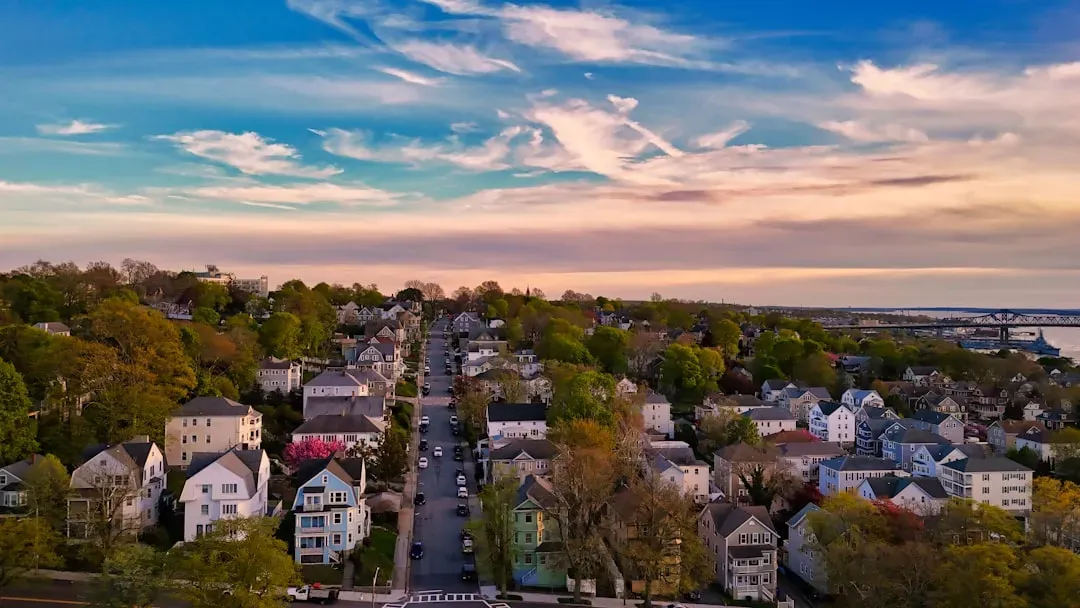
In 2025, a $100,000 salary in Massachusetts falls squarely within the middle-class range, which spans from roughly $66,565 to $199,716. That might sound like good news. It is not. Being comfortably in the middle of a bracket in one of the most expensive states in America is not the same as being comfortable.
In Boston, the average home value sits around $766,000. New England utility bills are punishing, with Massachusetts averaging over $301 per month for combined electricity, natural gas, and water. Add in the fact that the cost of living, especially for housing, drains much of the income that high Boston-area salaries provide.
Massachusetts carries a Cost of Living Index of 141.2, placing it just behind California as one of the most financially draining states for middle-income earners. A family in Massachusetts needs a household income of $286,790 to live comfortably – a figure that saw the highest one-year increase of any state at 15.48 percent.
5. New Jersey – Technically Middle Class, Practically Stretched Thin
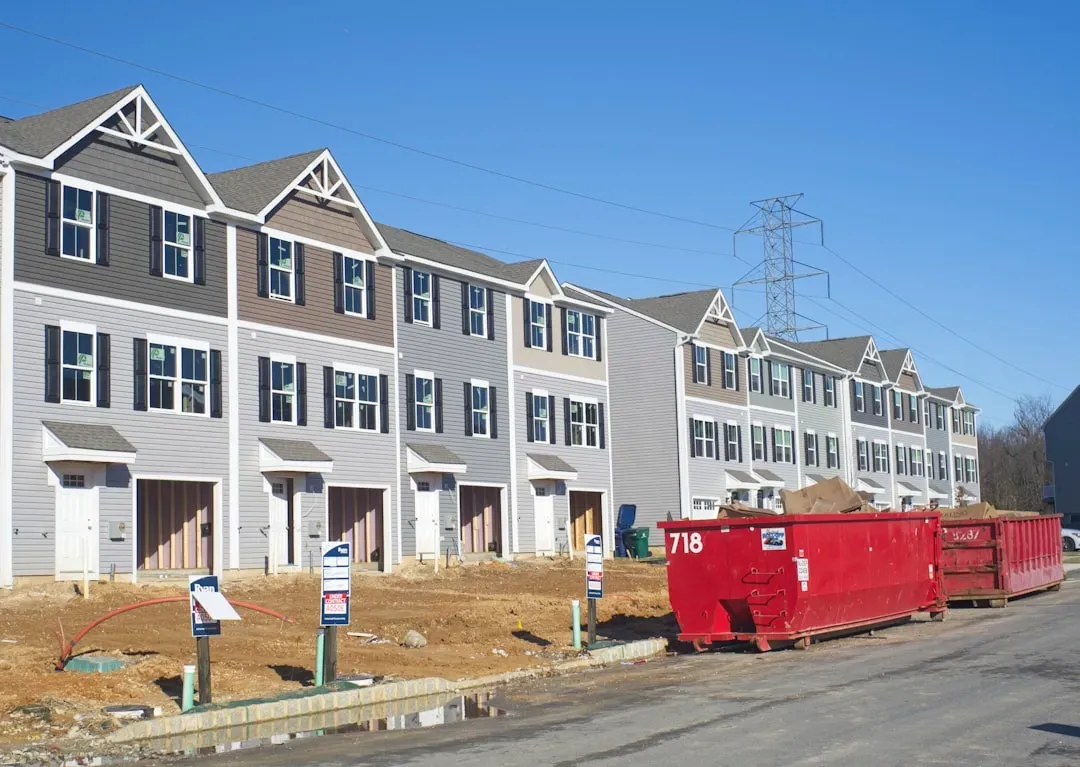
Looking at the numbers, $100,000 still puts someone in the middle class in New Jersey by definition. In New Jersey, though, “middle class” does not necessarily mean a comfortable, worry-free life. It is more like walking a tightrope – technically fine, but any unexpected cost can make a real difference.
Median home prices in New Jersey are well above the national average, and property taxes are among the highest in the country. For a $400,000 house, property taxes alone could run around $9,000 a year, with the state average sitting at $10,500. Mortgage payments on that kind of house often land between $2,800 and $3,200 a month, not including insurance and taxes.
New Jersey saw a 12.55 percent increase in the income needed to live comfortably for a family, rising to $282,714. I know it sounds crazy, but a family earning $100k in New Jersey is genuinely just getting by. New Jersey has a cost of living index of 114.2, with housing coming in 35.8 percent above the national average and utilities 8.3 percent higher.
6. Oregon – The Pacific Northwest Squeeze

Oregon has the highest individual income tax burden of any state, and the costliest state and local income taxes in the nation, consuming 4.8 percent of residents’ income. That is a substantial hit on a $100k salary even before housing enters the conversation. The average home price in Oregon is over $660,000, and what makes the state so costly is its housing, gasoline prices, and growing reputation as a major business hub that has attracted well-paid professionals, driving property prices and rentals higher.
Oregon’s housing prices have been rising due to increased demand and the tech boom, especially in Portland, where popularity attracts both residents and businesses. It is like what happened to Austin, Texas, but with rain and mountains. Oregon’s Cost of Living Index stands at 111.8, placing it firmly among the top ten most expensive states.
7. Washington State – No Income Tax Is Not the Full Story

Here is the thing: Washington state has no general income tax, and a lot of people move there thinking they’ve cracked the code. The cost of housing, grocery, transportation, and healthcare has been on a steady rise in Washington for several years, resulting in an overall cost of living index that is 16 percent higher than the national average.
In the San Francisco area, average rent hovers near $3,600 per month, and Seattle is similarly punishing, with comparable metropolitan rental pressure in the Pacific Northwest. Wages stretch the least in San Francisco, followed by Los Angeles, Seattle, and New York, according to Bankrate research. So no income tax does not mean much when your rent is consuming roughly a third of your gross pay.
Washington, with a high cost of living index of 114.1, ranks second only to Maryland in terms of high-cost states with strong wage economies. Yet that strong wage economy drives up costs in a self-reinforcing spiral. Higher salaries attract more workers, which pushes rents and home prices upward, which cancels out the salary gains. Welcome to the trap.
8. Maryland – D.C. Proximity Inflates Everything

Maryland’s cost of living index score of 114.9 reflects housing costs near Washington, D.C. In Bethesda, for example, the median home price is around $1,151,455. That is not a typo. Over a million dollars for a median home, in a suburb. Maryland’s close access to D.C. jobs, high property taxes, and strong demand for housing contribute to above-average costs, particularly in urban and suburban areas.
The cost of housing in Maryland was 46.4 percent higher than the national average in 2023, and expenses related to groceries and utilities also remain on the higher side. Maryland also added two new tax rates – 6.25 percent and 6.5 percent – starting with the 2025 tax year, which are now the state’s highest rates.
Maryland is one of only a handful of states that actually increased its top marginal tax rate between 2021 and the present, alongside Massachusetts, New York, Washington, and the District of Columbia. Earning $100k there means watching a noticeably bigger bite disappear on April 15 than it did just a few years ago.
9. Connecticut – New England’s Quiet Cost Burden
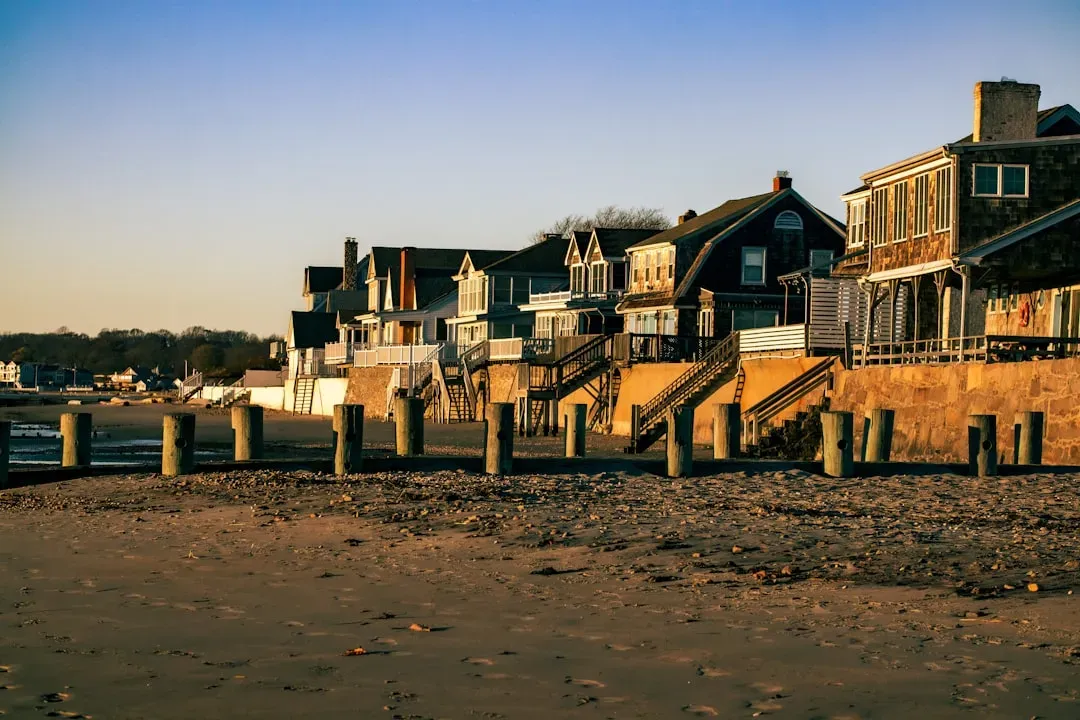
Connecticut’s cost of living index sits at 121.6, making it the eighth most expensive state in the U.S. The average single-family dwelling costs $318,096, rent for a two-bedroom apartment runs $1,485 a month, and utilities average a painful $438.21 a month. That utility figure alone should make anyone pause. Nearly $5,300 a year just to keep the lights on and the heat running.
Connecticut’s proximity to major cities like New York and Boston, along with its desirable coastal regions, contributes to higher housing costs. High property taxes and a generally elevated cost of living push expenses even higher for residents. Housing in Connecticut runs about 23 percent above the national average, while utility prices are over 30 percent more expensive.
Connecticut’s job market leans heavily on finance, insurance, and professional services – fields that pay well on paper. Yet the state’s unemployment rate is one of the nation’s highest, at 4.9 percent, which means even finding a good-paying job is not guaranteed. A $100k salary here keeps you in the game, but you are definitely not winning it.
10. Vermont – Rural Prices That Are Anything But Rural

Vermont is one of the most expensive states to live in, with a cost of living index of 117.1. Housing costs are the steepest, with an index of 133.1, while utility prices run about 20 percent above the national average. Most people picture Vermont as a quiet, pastoral place where life should be inexpensive. The data says otherwise.
Housing affordability in Vermont is the lowest in the country, with only 15 percent of residents earning a wage that could support purchasing a new home. That is a staggering number. Vermont also carries some of the highest ACA health insurance premiums in the country, averaging $1,157 per month for benchmark plans in 2025. Healthcare alone could consume close to a seventh of a $100k salary.
At a cost of living index of 113.7, Vermont ranks high despite its rural nature. Limited access to healthcare and goods inflates costs, and home prices and rent are above average for the region. SmartAsset estimates the salary needed for comfort lands around $105,000 annually. In other words, even $100k falls just short of what is needed to feel financially secure in the Green Mountain State.
The Bigger Picture: A National Shift in What $100k Actually Means

From January 2020 to December 2024, U.S. home prices climbed roughly half again their previous value according to the Case-Shiller index, while grocery prices rose nearly a third according to CPI data. Overall inflation grew about a quarter, but families feel the specific categories that jumped the most, not the average. That gap between the official inflation number and what families actually experience is exactly where the middle-class trap lives.
Nearly two-thirds of middle-class Americans said they were struggling financially in a 2024 National True Cost of Living Coalition survey. A household making $100,000 today has roughly the same purchasing power as about $80,000 in 2020, meaning that while more households report six-figure salaries, their standard of living has not risen at the same pace.
While a $100,000 salary may once have been a sign of wealth, now it just seems like the running rate for doing business. The middle-class threshold starts at roughly $36,000 in Mississippi and stretches to nearly $200,000 in Massachusetts and New Jersey – a gap that tells you everything about how dramatically geography reshapes the meaning of a paycheck. The number on your offer letter is not your financial reality. Where you cash that check is.
What would you have guessed – did you think the gap between states could really be this wide? Drop your thoughts in the comments.