Books have always possessed an unsettling power to challenge authority, reshape minds, and ignite revolutions. Throughout history, governments, religious institutions, and moral guardians have tried to silence certain texts by banning them from libraries, burning them in public squares, or forbidding their possession entirely. What makes a book so threatening that entire nations would attempt to erase it from existence? The answer reveals more about the fears and insecurities of those in power than about the books themselves.
The Holy Bible
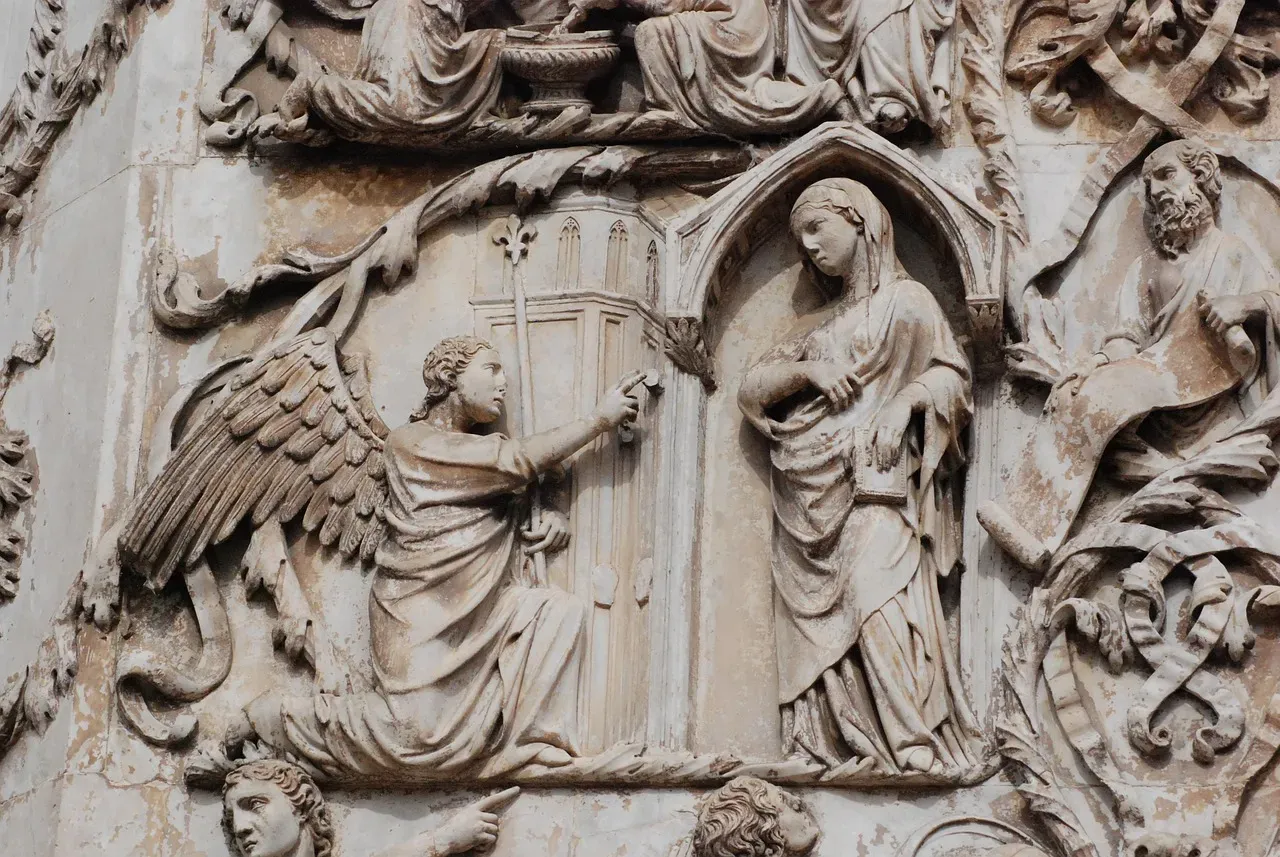
It might seem ironic that one of the world’s most sacred texts has also been one of the most banned, but history tells a complicated story. During the medieval period, the Catholic Church prohibited unauthorized translations of the Bible, insisting that only clergy should interpret scripture in Latin. According to research from Oxford University Press, between 1229 and the 1500s, possessing a Bible in vernacular languages like English or German could result in execution for heresy. The Church feared that ordinary people reading scripture themselves would question ecclesiastical authority and develop interpretations that contradicted official doctrine. When William Tyndale translated the Bible into English in 1526, he was eventually hunted down, strangled, and burned at the stake for his efforts.
The Satanic Verses by Salman Rushdie
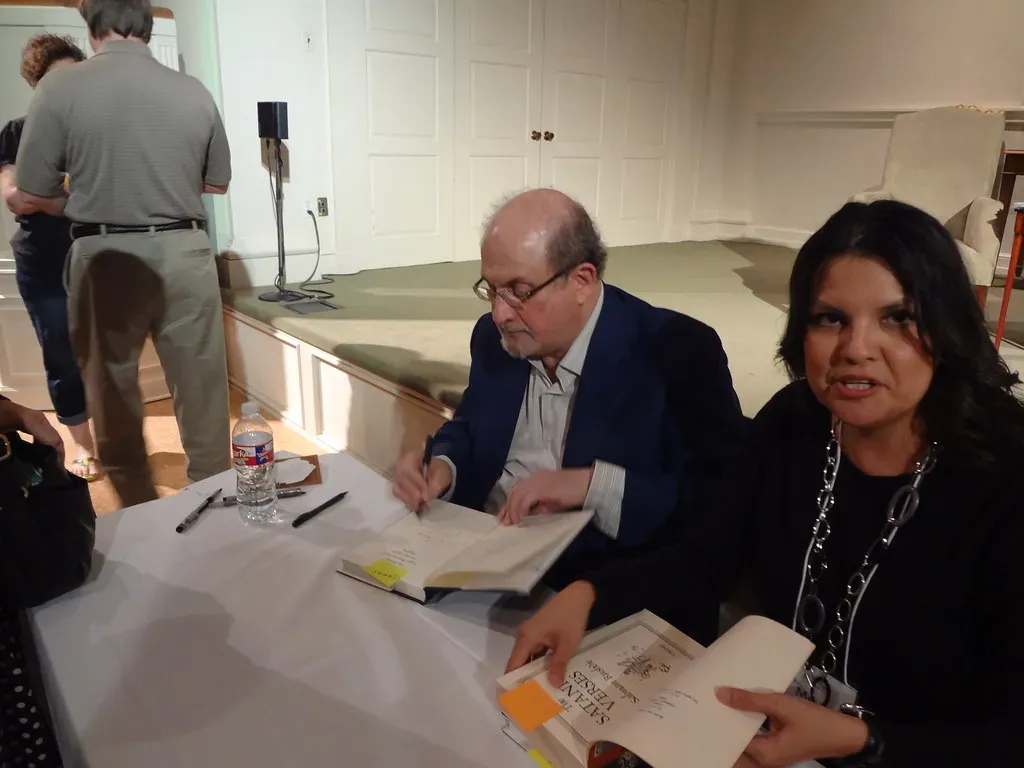
Published in 1988, Rushdie’s novel sparked one of the most extreme book banning responses in modern history. The book’s magical realist narrative included fictional depictions of the Prophet Muhammad that many Muslims considered blasphemous. Iran’s Ayatollah Khomeini issued a fatwa in 1989 calling for Rushdie’s death, forcing the author into hiding for nearly a decade. The book was immediately banned in India, Bangladesh, Egypt, Iran, Pakistan, and South Africa, while violent protests erupted globally, resulting in at least 20 deaths according to BBC reports. Even decades later, the controversy persists – in August 2022, Rushdie was stabbed multiple times during a speaking event in New York, demonstrating how a book’s perceived offense can inspire violence generations after publication.
Maus by Art Spiegelman
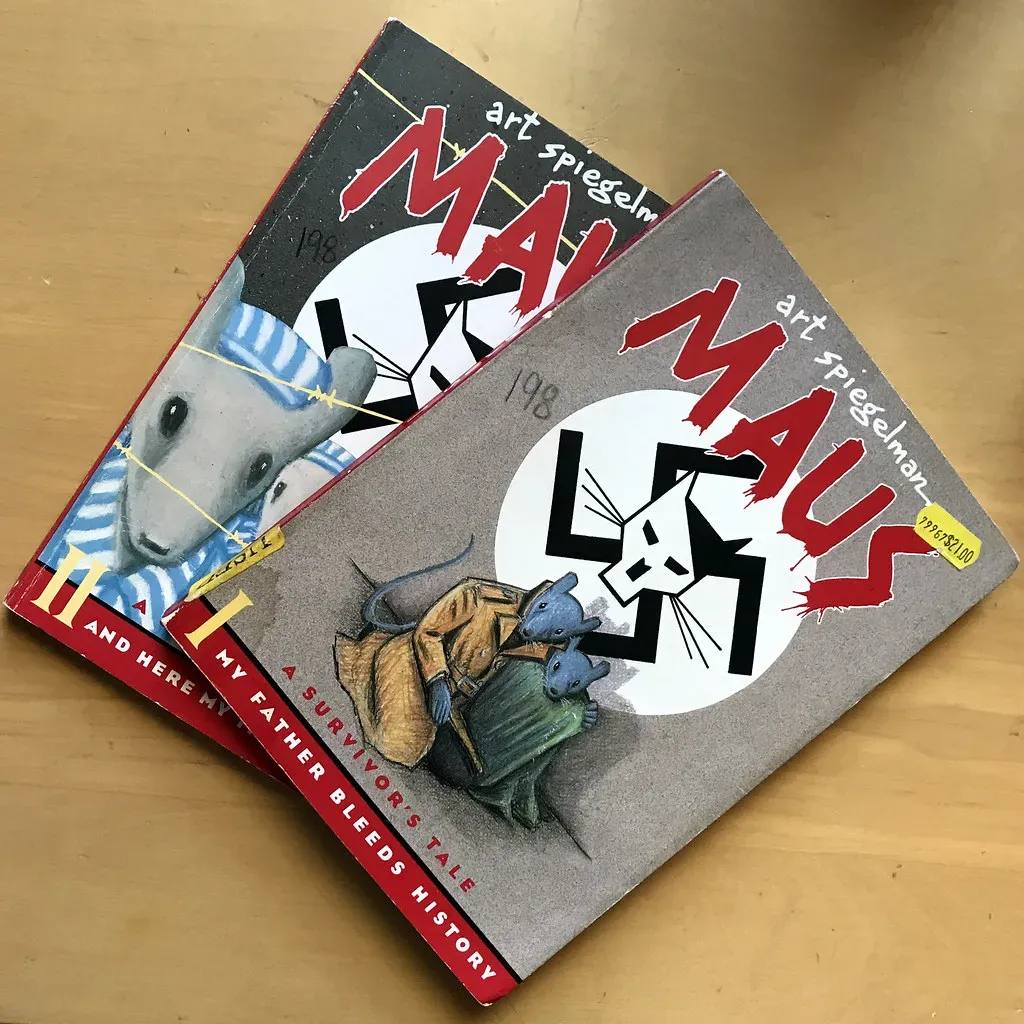
This Pulitzer Prize-winning graphic novel, which depicts the Holocaust through anthropomorphic characters, faced a surprising ban in McMinn County, Tennessee, in January 2022. The school board voted 10-0 to remove the book from eighth-grade curriculum, citing “rough language” and a single nude panel showing Spiegelman’s mother after suicide. According to The New York Times, board members expressed concern about “age-appropriateness,” though many observers noted the irony of banning a Holocaust memoir while Holocaust denial and antisemitism were rising globally. The controversy backened spectacularly – within weeks, Maus became Amazon’s number one bestseller, and donations sent free copies to every public library in McMinn County. The incident highlighted how contemporary book bans often reveal discomfort with confronting historical atrocities rather than genuine concern for children.
1984 by George Orwell
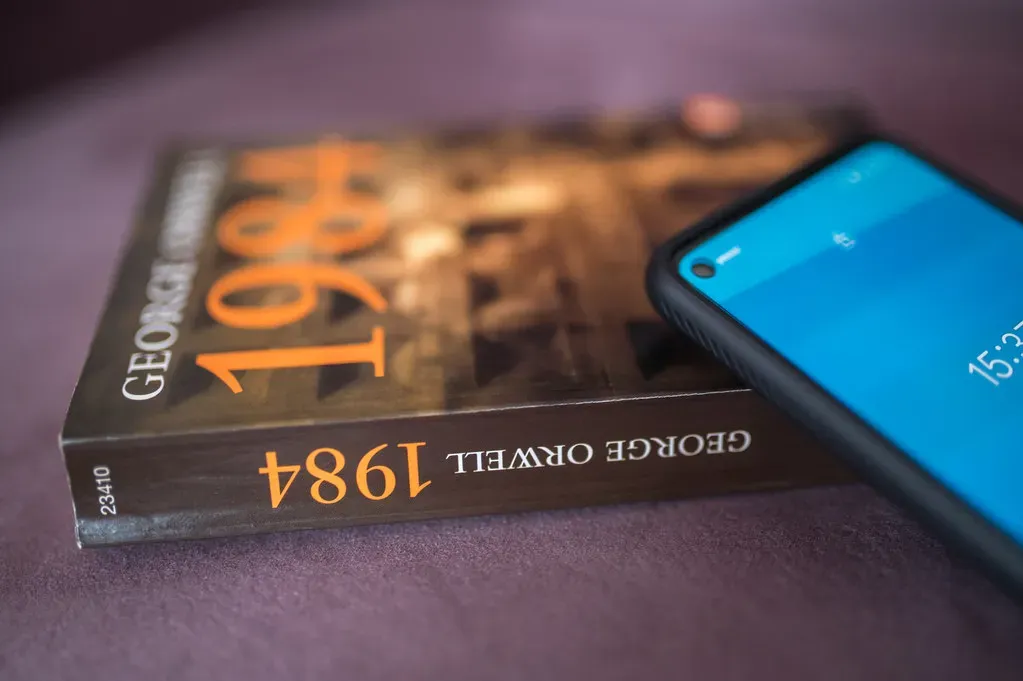
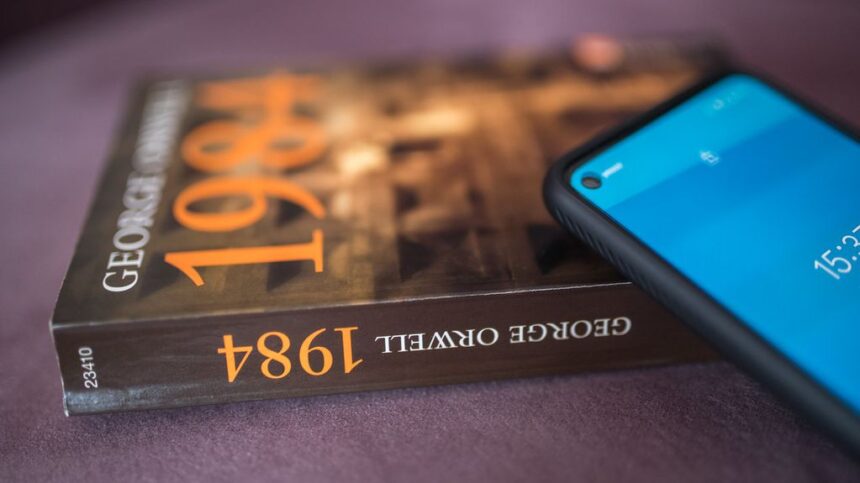
Orwell’s dystopian masterpiece has been banned by both communist and capitalist regimes, each seeing their own reflection in its totalitarian nightmare. The Soviet Union banned it immediately upon publication in 1949, recognizing Orwell’s critique of Stalinist surveillance and thought control. In 1981, according to the American Library Association, school districts in Jackson County, Florida, challenged the book for being “pro-communist” despite Orwell’s explicit anti-totalitarian message. China censored the novel until recently, and in 2023, reports emerged that certain Russian regions were quietly removing it from school libraries amid Putin’s crackdown on dissent. The book’s continued relevance is darkly amusing – governments keep banning a novel about governments that ban books, seemingly unaware of the irony.
To Kill a Mockingbird by Harper Lee
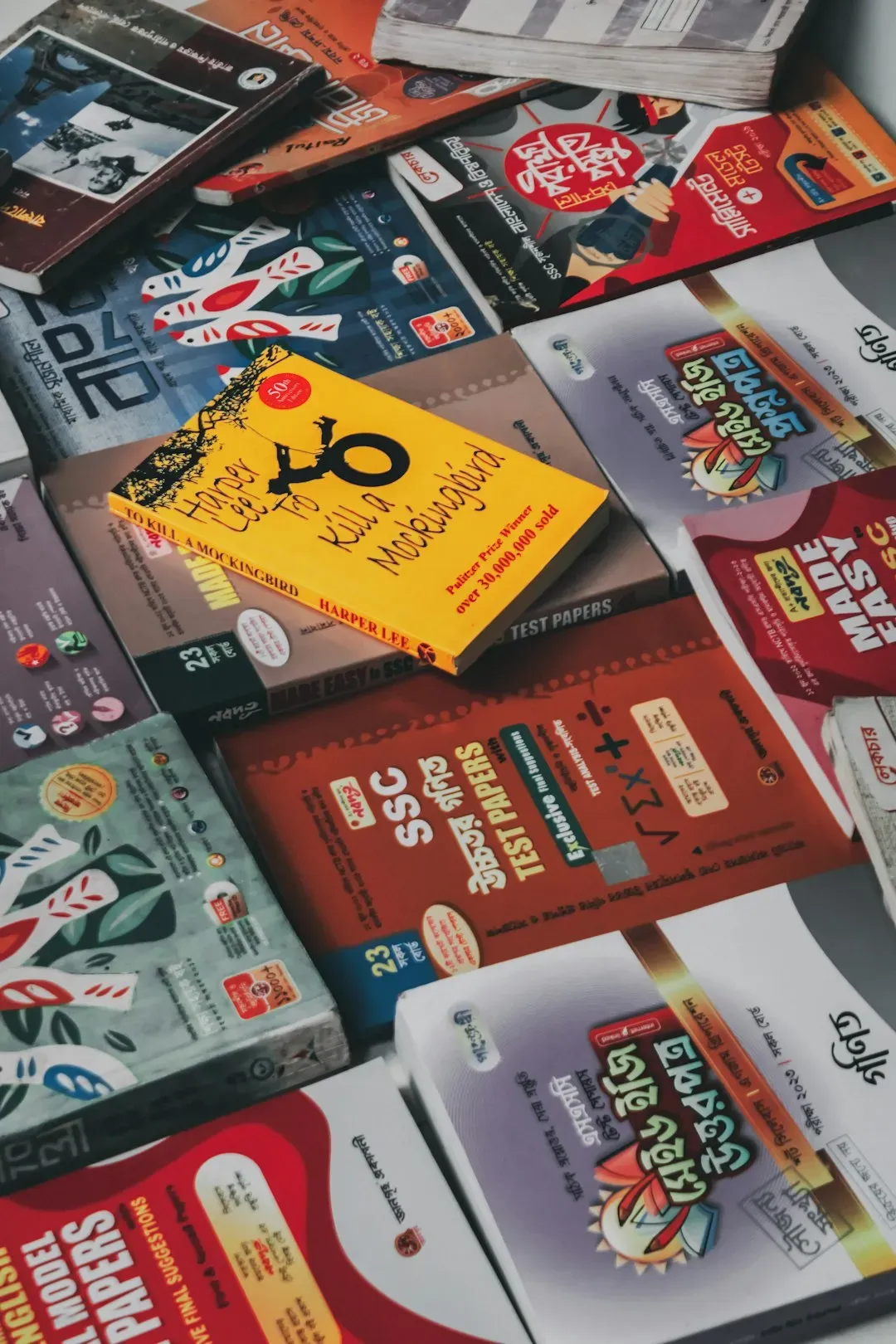
This beloved American classic about racial injustice has paradoxically faced repeated banning attempts, often from opposite ends of the political spectrum. In the 1960s and 70s, it was challenged by conservative groups for its sympathetic portrayal of a Black man falsely accused of rape and its criticism of Southern racism. More recently, according to PEN America’s 2023 report on book bans, some progressive educators have questioned whether the novel’s white savior narrative and use of racial slurs (even in historical context) should be taught in classrooms. During the 2021-2023 period, the book was challenged or removed in multiple school districts across Pennsylvania, Mississippi, and Virginia. What’s striking is how a book intended to promote empathy and justice has become a battleground for those who either deny historical racism or believe the book doesn’t go far enough in addressing it.
Gender Queer by Maia Kobabe

This graphic memoir about nonbinary identity became the most banned book in America for two consecutive years, according to the American Library Association’s 2022 and 2023 reports. The book has been challenged or removed from libraries in at least 41 states, with opponents citing sexually explicit illustrations and concerns about age-appropriateness. Supporters argue that the memoir provides essential representation for LGBTQ+ youth struggling with identity questions, and that challenges are rooted in transphobia rather than legitimate content concerns. The intensity of the reaction reveals deep cultural anxieties about gender identity and sexuality – roughly 1,600 book challenges were filed in 2023 alone, with books featuring LGBTQ+ themes representing about 47% of all challenges according to PEN America’s Index of School Book Bans. The book’s mere existence seems to threaten those who believe gender identity should remain fixed and binary.
The Diary of a Young Girl by Anne Frank
Even this Holocaust diary, one of the most powerful testimonies of Nazi persecution, has faced banning attempts that reveal uncomfortable truths about censorship. In the 1980s, several American school districts challenged the book for being “too depressing” or containing sexual content (Frank’s honest reflections on puberty and her developing body). According to the American Library Association, challenges continued into the 2010s, with some parents arguing the book was inappropriate for middle schoolers. In 2013, a Michigan mother attempted to have the unedited version banned because it included Frank’s thoughts about her genitalia and menstruation. The attempts to sanitize or suppress Anne Frank’s authentic teenage voice – even as we claim to honor her memory – demonstrates how book banning often stems from discomfort with honest human experience rather than from protecting children.
The Anarchist Cookbook by William Powell
Published in 1971, this controversial manual containing instructions for making explosives, drugs, and weapons has been banned or restricted in multiple countries including Australia and the United Kingdom. Powell himself later disavowed the book, calling it a “mistake” written during his angry opposition to the Vietnam War. According to a 2013 Guardian interview with Powell, he spent decades trying to convince his publisher to stop printing it, believing it had inspired violence and terrorism. The book remains legal in the United States under First Amendment protections, though possessing it has been used as evidence in several terrorism prosecutions. The controversy raises genuine questions about where free speech ends and public safety begins – questions without easy answers when information for dangerous activities is increasingly available online anyway.
The Handmaid’s Tale by Margaret Atwood
Atwood’s dystopian novel about a theocratic regime that enslaves women for reproduction has faced increasing challenges in recent years, particularly after the 2022 overturning of Roe v. Wade made its themes feel uncomfortably prescient. According to PEN America’s data, the book was challenged in multiple school districts in 2023, with opponents calling it “anti-Christian,” sexually explicit, and inappropriately political. Texas schools in particular saw organized efforts to remove the book from libraries and curriculum. Supporters point out the dark irony that people are attempting to ban a book about banning books and controlling women’s bodies precisely when reproductive rights are being restricted. The novel’s surging popularity – it became a bestseller again in 2022 according to Publishers Weekly – suggests that attempts to suppress it only amplify its message.
Why Fear Never Wins
Despite centuries of banning, burning, and censoring, not a single book has ever been successfully erased from human consciousness. In fact, prohibition consistently backfires – banned books almost always experience surges in readership, as curiosity overcomes censorship. The very act of banning a book advertises its power and importance far more effectively than any marketing campaign could. We’re seeing this pattern repeat in real time – PEN America reported that between July 2021 and June 2023, there were over 5,800 instances of book bans in U.S. schools, yet book sales overall have increased, and organizations nationwide are distributing banned books for free.
What do you think drives the impulse to ban books in our supposedly enlightened era? Tell us in the comments.