
There’s something magical about holding a physical book in your hands, feeling the texture of its cover, and wondering about the story hidden inside. Book covers are more than just protective shells – they’re tiny works of art that whisper promises of adventure, romance, mystery, or enlightenment. Some covers become so iconic they transcend the pages they protect, living on in our collective memory long after we’ve forgotten the plot twists inside.
Just like how music moved from crackling vinyl records to invisible digital streams, our relationship with books has evolved too. Yet certain book covers remain frozen in time, their beauty refusing to fade. These covers tell their own stories, separate from the narratives within. They capture moments in design history, reflect cultural shifts, and sometimes hide secrets their creators never intended to reveal. What makes a book cover truly unforgettable? The answer might surprise you.
The Great Gatsby’s Art Deco Mystery
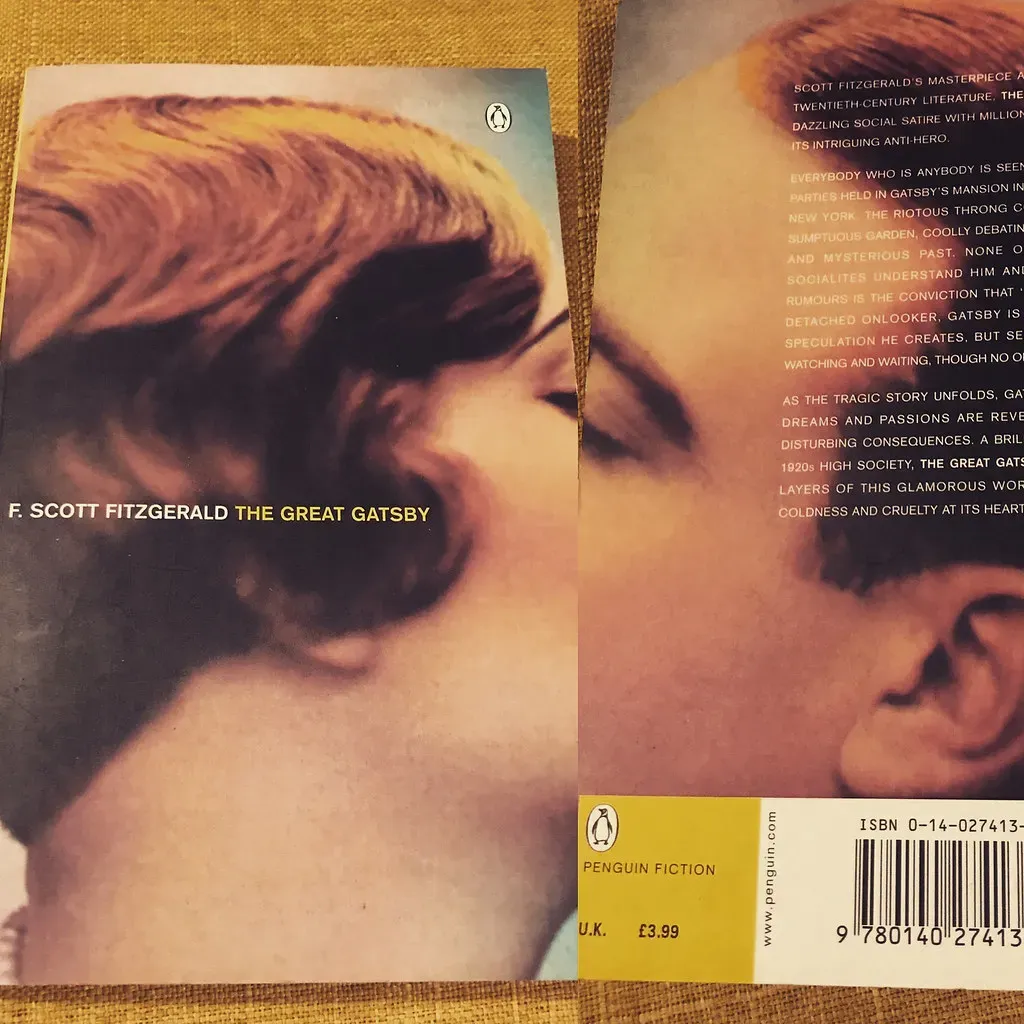
Francis Coquelin’s haunting cover for F. Scott Fitzgerald’s masterpiece remains one of literature’s most recognizable images. Those disembodied eyes floating over a dark cityscape weren’t just pretty – they perfectly captured the novel’s themes of watching, judgment, and the emptiness behind the glittering facade of the Jazz Age. The original 1925 cover featured a woman’s face formed by carnival lights, with tears streaming from celestial eyes.
Here’s the thing though – Fitzgerald loved the cover so much he actually revised parts of his manuscript to match it. The eyes inspired his description of the billboard featuring Doctor T.J. Eckleburg, whose blank stare witnesses all the novel’s tragedy. Rarely does art influence literature so directly.
The color palette of deep blues and golds became synonymous with the Roaring Twenties aesthetic. Even today, nearly a century later, you can spot this cover across coffee shops and bookstores worldwide.
Penguin’s Orange Revolution

When Allen Lane launched Penguin Books in 1935, he made a bold choice that changed publishing forever. His paperbacks featured simple, color-coded covers – orange for fiction, green for crime, blue for biography. No fancy artwork, no elaborate illustrations. Just clean typography and solid colors.
This minimalist approach was radical. Books suddenly looked modern, accessible, affordable. The design screamed democracy in literature – anyone could pick up a Penguin and feel sophisticated.
The original grid system became so iconic that designers still reference it today. Those horizontal bands of color weren’t just aesthetic choices. They were statements about making literature available to everyone, not just the wealthy elite who could afford hardcovers.
To Kill a Mockingbird’s Timeless Simplicity
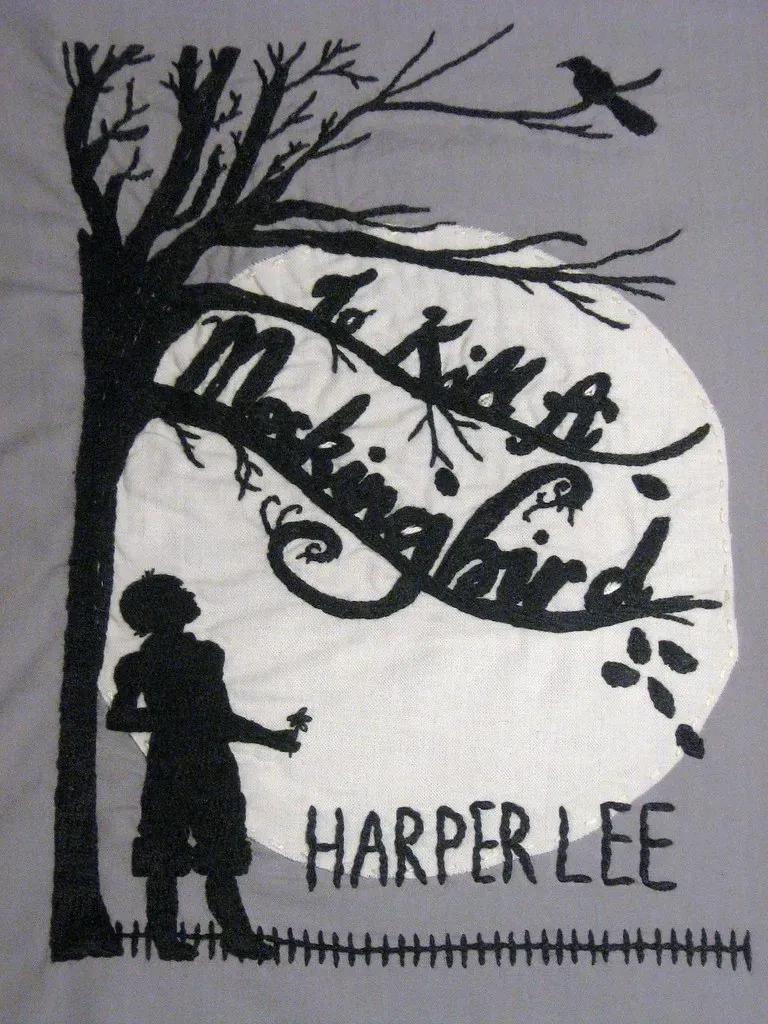
The first edition cover of Harper Lee’s classic featured a simple illustration of a tree. That’s it. No mockingbird, no courthouse, no dramatic scene. Just a tree against a pale background, with the title in understated lettering.
That tree represented something deeper than decoration. It symbolized the childhood innocence of Scout and Jem, the knothole where Boo Radley left his gifts, the roots of prejudice growing deep in Maycomb’s soil. The restraint in design matched the novel’s quiet power.
Over the decades, publishers have created countless alternative covers. Some feature dramatic courthouse scenes, others show mockingbirds in flight. Yet many readers still seek out that original tree design, recognizing its perfect simplicity.
The Catcher in the Rye’s Carousel of Versions
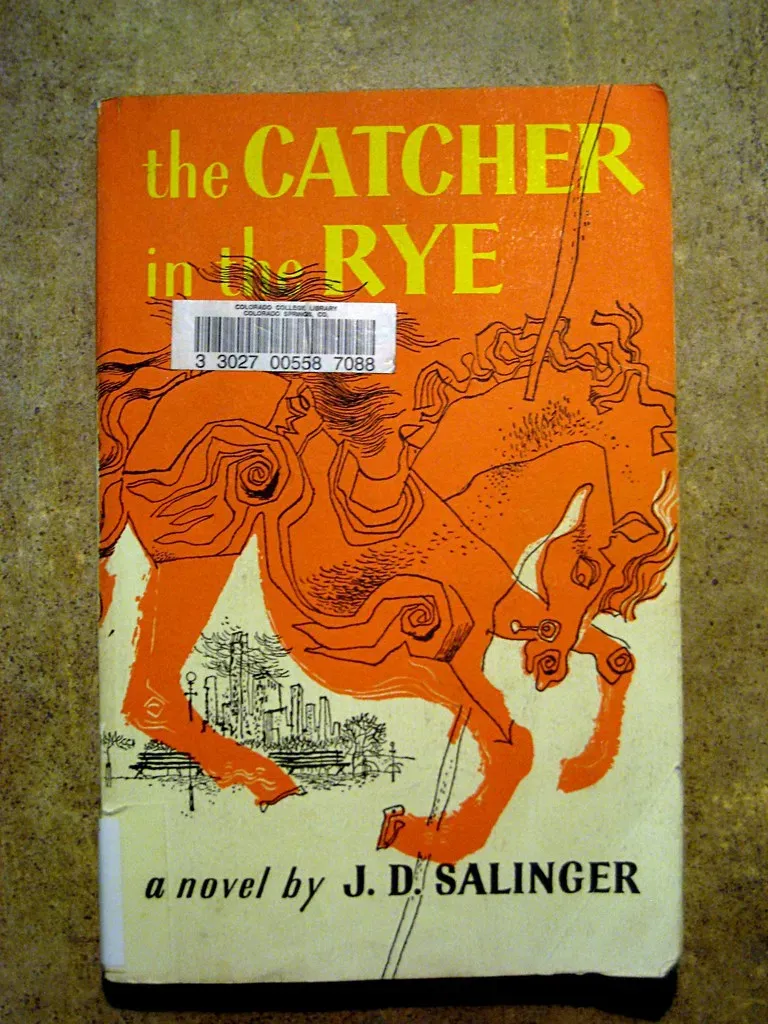
J.D. Salinger famously hated book covers. He refused to allow his photograph on any edition and fought against illustrated covers throughout his life. The original 1951 dust jacket featured simple maroon text on a cream background – nothing more.
Despite Salinger’s wishes, international editions went wild. Some showed carnival horses, others depicted teenage rebellion in various forms. The Italian version famously featured a photograph that enraged Salinger so much he nearly stopped foreign translations entirely.
The most iconic versions remain the simplest ones. Red text on white background, or variations of that theme. Sometimes less really is more, even when publishers desperately want to add more.
Vintage Penguin Crime’s Green Menace

Those green-spined Penguin crime novels from the 1930s through 1960s created their own visual language. The covers featured bold, often lurid illustrations – bodies outlined in chalk, smoking guns, shadowy figures lurking in doorways. They looked dangerous sitting on respectable shelves.
Artists like Romek Marber revolutionized the genre with geometric designs that suggested violence without showing it directly. A tilted rectangle could imply a falling body. Diagonal lines created tension. Color blocking generated unease.
Collectors now pay premium prices for these vintage green Penguins. The covers became more valuable than many of the forgettable mysteries they once protected. That’s the power of great design outlasting mediocre content.
The Hobbit’s Unexpected Journey Through Editions
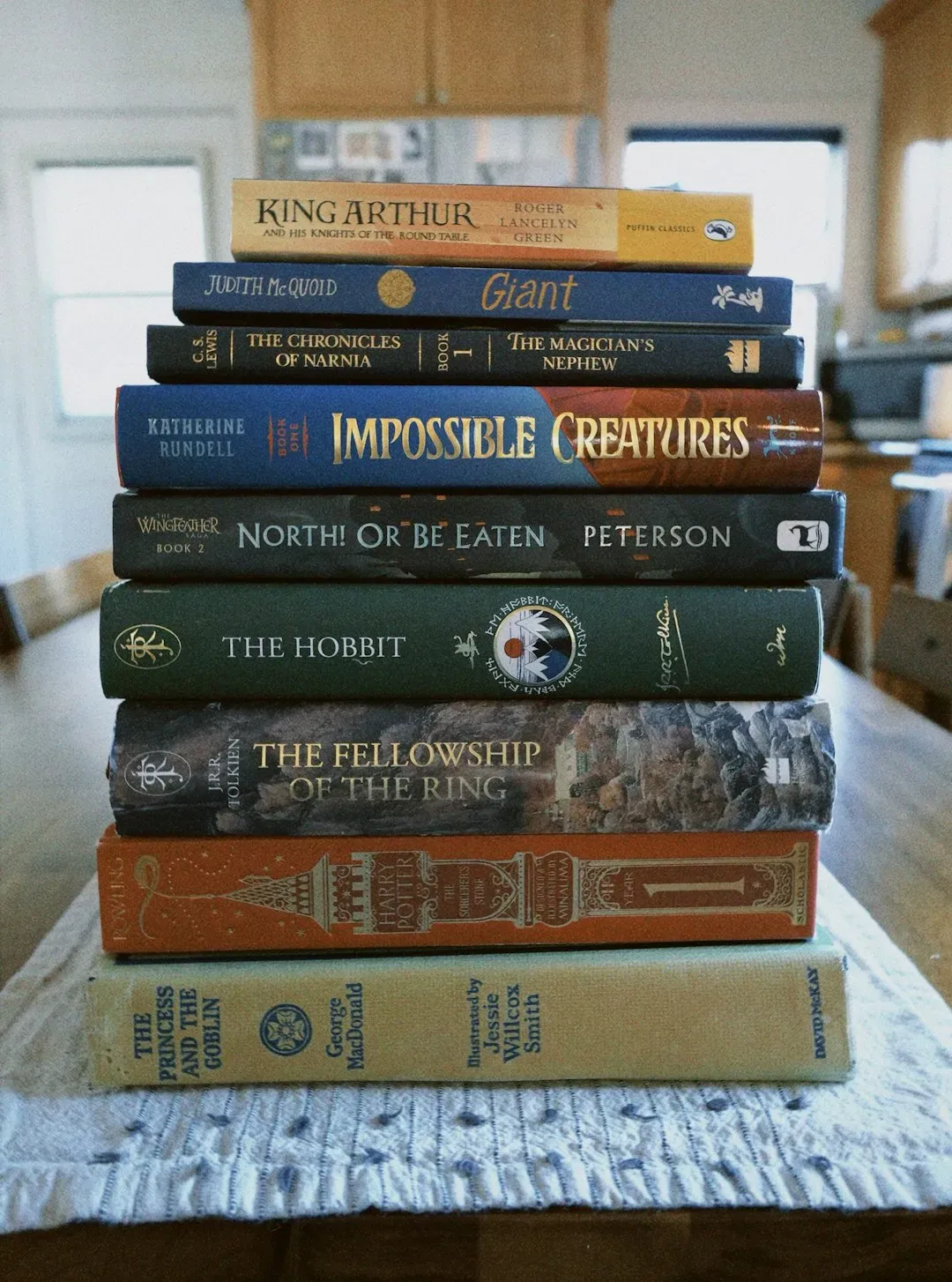
J.R.R. Tolkien designed the original dust jacket for The Hobbit himself in 1937. His illustration showed mountains, a dragon, and runes spelling out the title. The colors were vibrant – deep blues, forest greens, fiery reds. His artistic vision matched his literary one.
Later editions moved away from Tolkien’s design, especially after Peter Jackson’s films made hobbits mainstream. Suddenly covers featured movie stills, dramatic CGI dragons, or photorealistic interpretations. The whimsy of Tolkien’s original gave way to epic grandeur.
Recently, publishers have circled back to simpler, more artistic covers. Minimalist designs using Tolkien’s own drawings appeal to readers tired of movie tie-in editions. The old becomes new again.
Conclusion

Beautiful book covers endure because they speak to something deeper than marketing or decoration. They’re promises, invitations, and works of art combined. Even as our consumption of stories shifts from physical to digital, from vinyl to streaming, from page to pixel, we crave visual beauty and tactile connection.
The most memorable covers tell their own stories – of design movements, cultural moments, artistic vision, and happy accidents. They hide secrets in plain sight, influence the narratives within, and sometimes become more famous than the words they protect. That’s the real magic – a cover can transcend its function and become legendary.
As we navigate this hybrid world of physical and digital media, perhaps the lesson is simple. Beauty matters. Craftsmanship matters. The sensory experience of holding something tangible, examining its details, and appreciating its design matters. Whether we’re talking about spinning vinyl or cracking open a hardcover, some pleasures resist digitization. What’s your favorite book cover, and what story does it tell you before you even read the first page?