You’ve seen the Eiffel Tower a million times on Instagram. The Colosseum? Overdone. While everyone flocks to the same tired monuments, there’s a whole world of breathtaking historic sites that barely get a mention in travel guides. These hidden gems have stories just as compelling and architecture just as stunning as their famous counterparts. The difference? You might actually get to enjoy them without fighting through selfie sticks and tour groups.
Think about it this way: discovering an unknown landmark is like finding a vintage record in a dusty shop that nobody else has heard. It’s yours to experience first, before the crowds show up. So let’s dive into some of the world’s most stunning historic places that deserve way more attention than they’re getting.
The Rock-Hewn Churches of Lalibela, Ethiopia
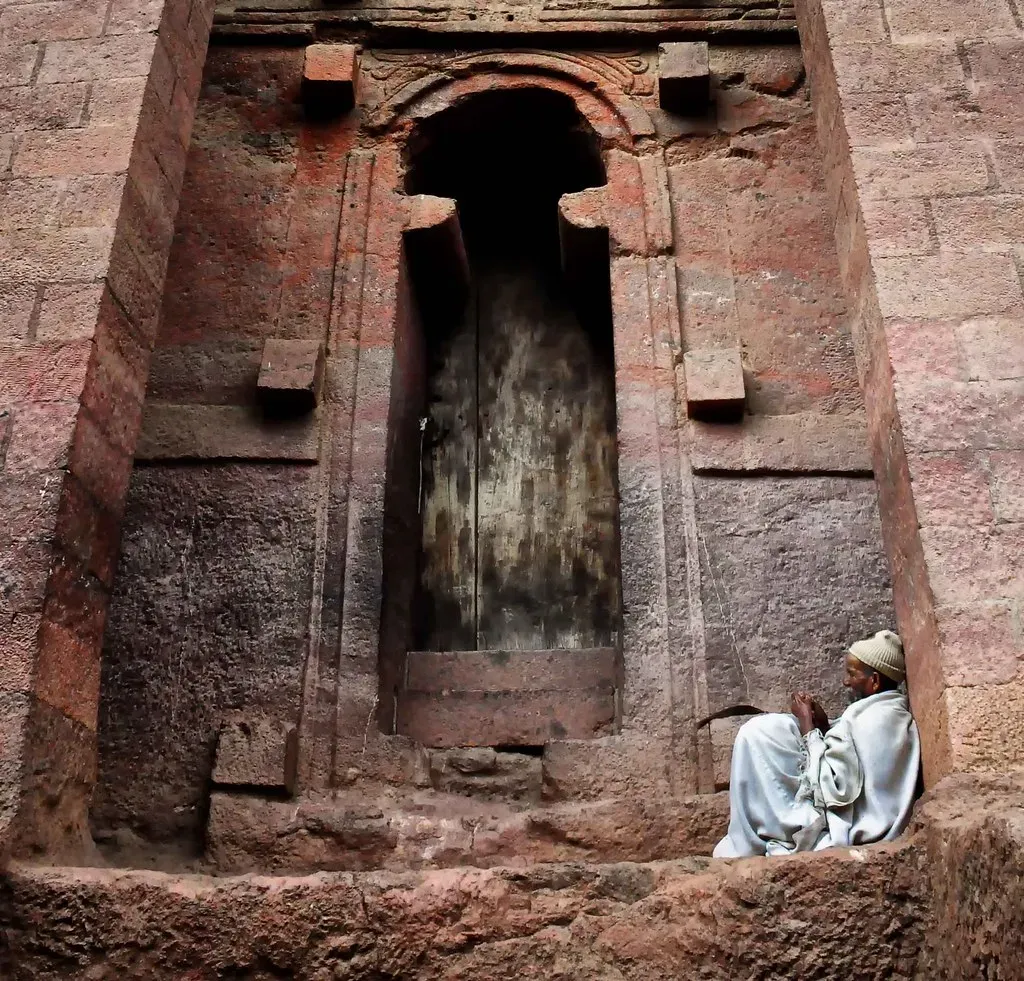
Carved directly into volcanic rock during the 12th century, these eleven churches in northern Ethiopia represent one of the most ambitious architectural projects ever attempted. King Lalibela commissioned them as a “New Jerusalem” after Muslim conquests made pilgrimages to the Holy Land too dangerous. What makes them truly remarkable is that they were carved downward from the top of the rock, meaning workers had to envision the entire structure before making a single cut.
The largest, Bete Medhane Alem, stands over 30 feet tall and is completely freestanding despite being carved from a single piece of rock. Local tradition insists angels helped with the construction, working at night while human laborers slept. Walking through the narrow passages connecting these churches feels like moving through a sacred maze. The spiritual atmosphere remains intense even today, with priests still conducting services in these ancient spaces.
Getting there requires serious commitment. The journey involves flights to remote airstrips and bumpy drives through mountain passes. Maybe that’s exactly why it stays off most tourist radars.
Nan Madol, Micronesia
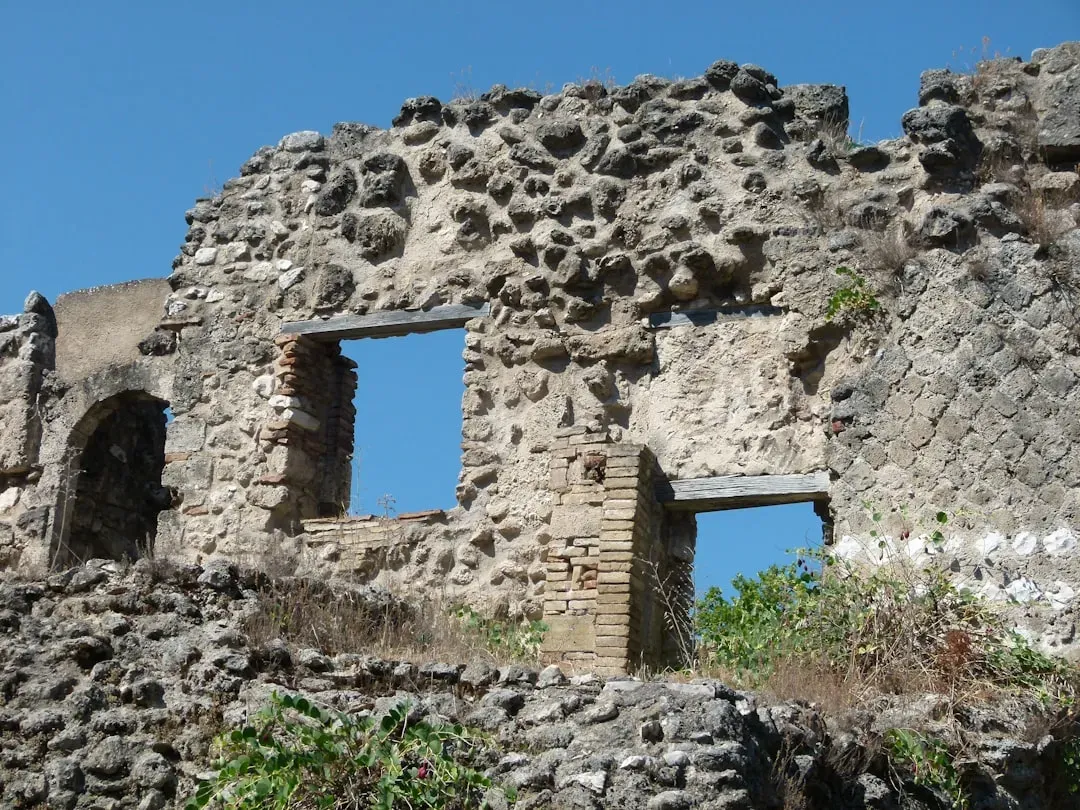
Built on a coral reef in the Pacific Ocean, Nan Madol consists of roughly 100 artificial islands constructed from massive basalt logs stacked like Lincoln Logs. Nobody’s entirely sure how the Saudeleur dynasty transported these multi-ton stones across the water around 1200 CE. Some logs weigh up to 50 tons, and the nearest quarry sits miles away on the main island of Pohnpei.
Local legends claim the stones flew through the air with magical assistance. More practical theories involve rafts and high tides, but honestly, the engineering remains baffling even to modern experts. The ruins sprawl across about 200 acres of shallow lagoon, creating an eerie Venice-like cityscape of stone walls and canals. It served as the ceremonial and political seat of the Saudeleur rulers until their overthrow around 1628.
Today, tropical vegetation slowly reclaims the structures. Mangrove trees push through ancient walls. The isolation keeps visitor numbers incredibly low, which means you might have entire islands to yourself during exploration.
Kuelap Fortress, Peru
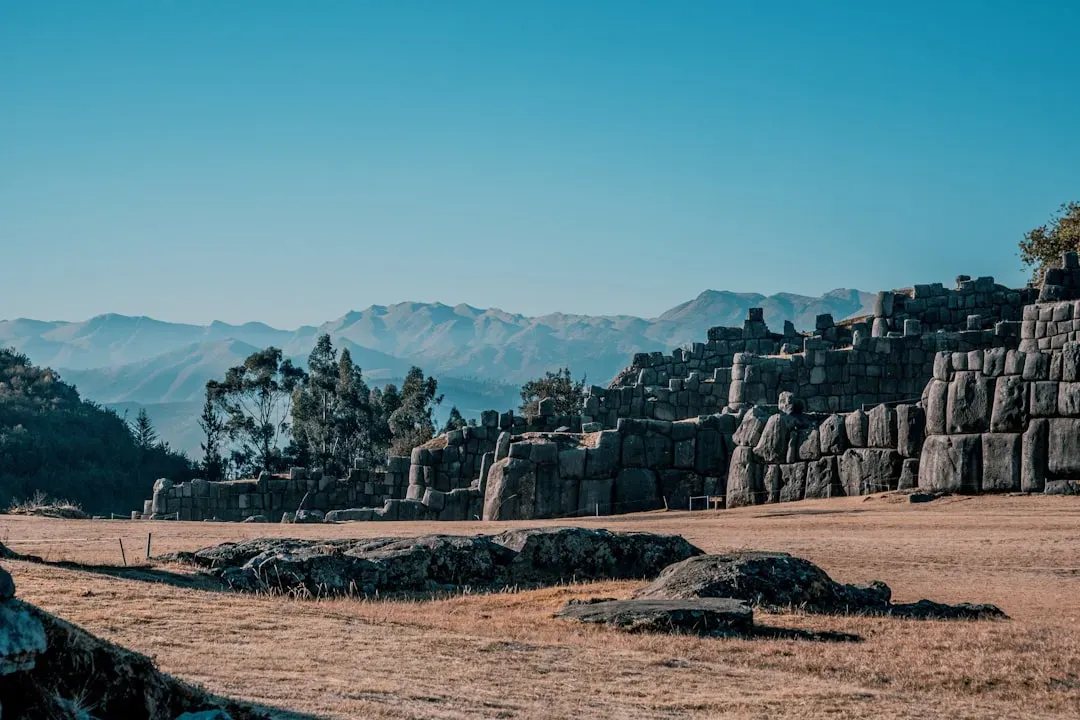
Everyone knows about Machu Picchu, but few have heard of Kuelap, even though it predates the famous Incan site and actually contains more stone than the Great Pyramid of Giza. Perched at 9,800 feet in Peru’s cloud forests, this massive fortress was built by the Chachapoyas people around 500 CE. Its walls rise up to 60 feet high in places and stretch for nearly two miles.
The Chachapoyas, known as the “Warriors of the Clouds,” designed the fortress with only three narrow entrances that funnel inward, making it nearly impossible to attack. Inside the walls, archaeologists have identified over 400 circular stone buildings, many decorated with geometric friezes. The site remained virtually unknown to the outside world until 1843, and even now it receives a tiny fraction of Machu Picchu’s visitors.
A new cable car system installed in recent years makes access easier than ever before. Still, the journey feels like stepping into a forgotten world where mist clings to ancient stones and condors circle overhead.
Göbekli Tepe, Turkey
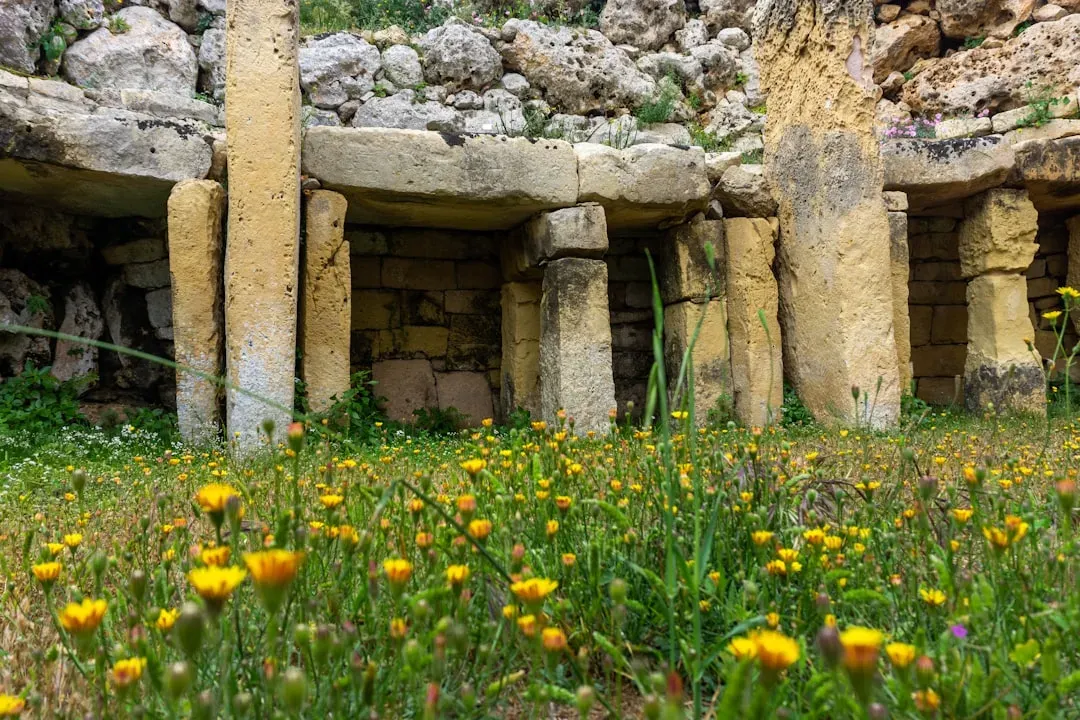
This one rewrites everything we thought we knew about human civilization. Built around 9600 BCE, Göbekli Tepe predates Stonehenge by about 6,000 years and the Egyptian pyramids by about 7,000 years. Even more mind-blowing? It was constructed by hunter-gatherers, not settled agricultural societies. The site consists of massive T-shaped limestone pillars arranged in circles, some weighing up to 20 tons and covered in intricate carvings of animals.
Archaeologists have only excavated about five percent of the site so far. What they’ve found challenges the standard narrative that farming came first, then religion and monumental architecture. At Göbekli Tepe, it seems like organized religion might have actually preceded agriculture. The effort required to build these structures may have been what pushed humans to develop farming in the first place, just to feed all the workers.
The implications keep researchers up at night. Some of the pillars feature carved foxes, lions, scorpions, and vultures, but their meaning remains hotly debated. Visiting the site today, you’re literally standing at a place that forces us to reconsider the entire story of human development.
The Underground City of Derinkuyu, Turkey
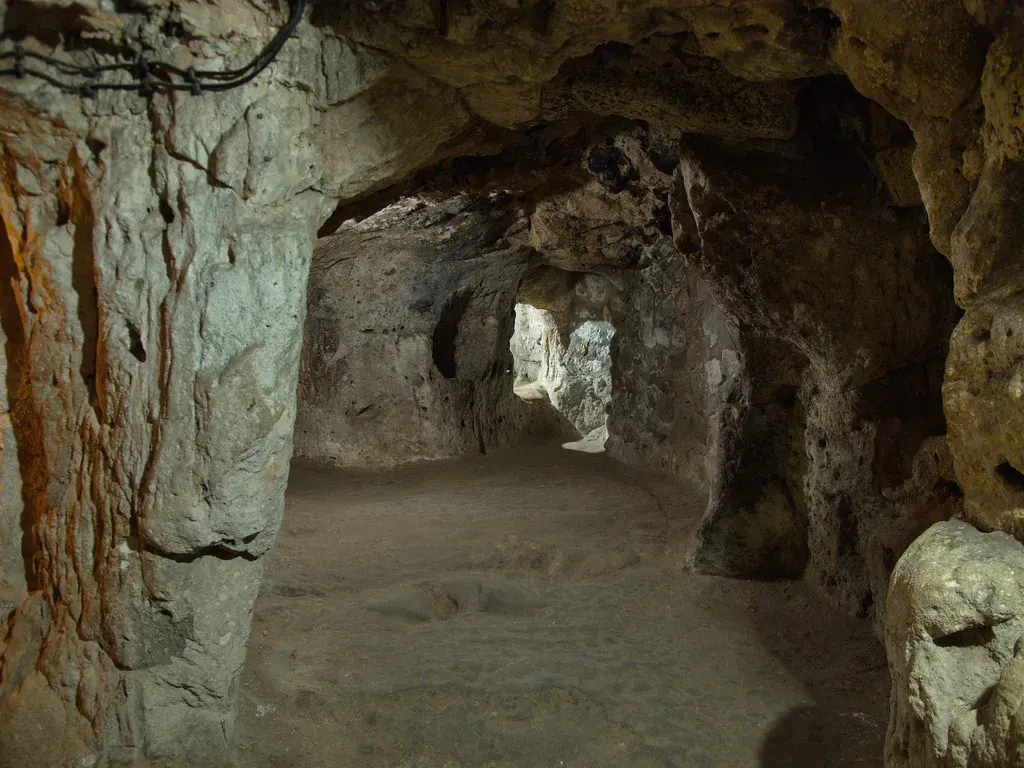
Imagine an entire city buried up to 280 feet underground, complete with living quarters, wine presses, stables, churches, and ventilation shafts. Derinkuyu in Turkey’s Cappadocia region could shelter up to 20,000 people along with their livestock and food supplies. Nobody knows exactly who built it or when, though estimates range from the 8th to 7th centuries BCE.
The city descends through 18 stories connected by narrow tunnels that could be sealed with massive circular stone doors weighing up to 1,000 pounds. These doors could only be closed from the inside, turning each level into a defensive position. The engineering shows sophisticated understanding of airflow and structural support. Over 600 entrances exist from above ground, most of them hidden inside people’s homes.
Early Christians likely used the city to hide from Roman persecution, then later from Arab raids. The cool, stable temperature made it perfect for storing food and wine. A local resident only rediscovered it in 1963 while renovating his basement. What’s really wild? Derinkuyu connects via tunnels to other underground cities in the region, creating a vast subterranean network that still hasn’t been fully explored.
The Temples of Bagan, Myanmar
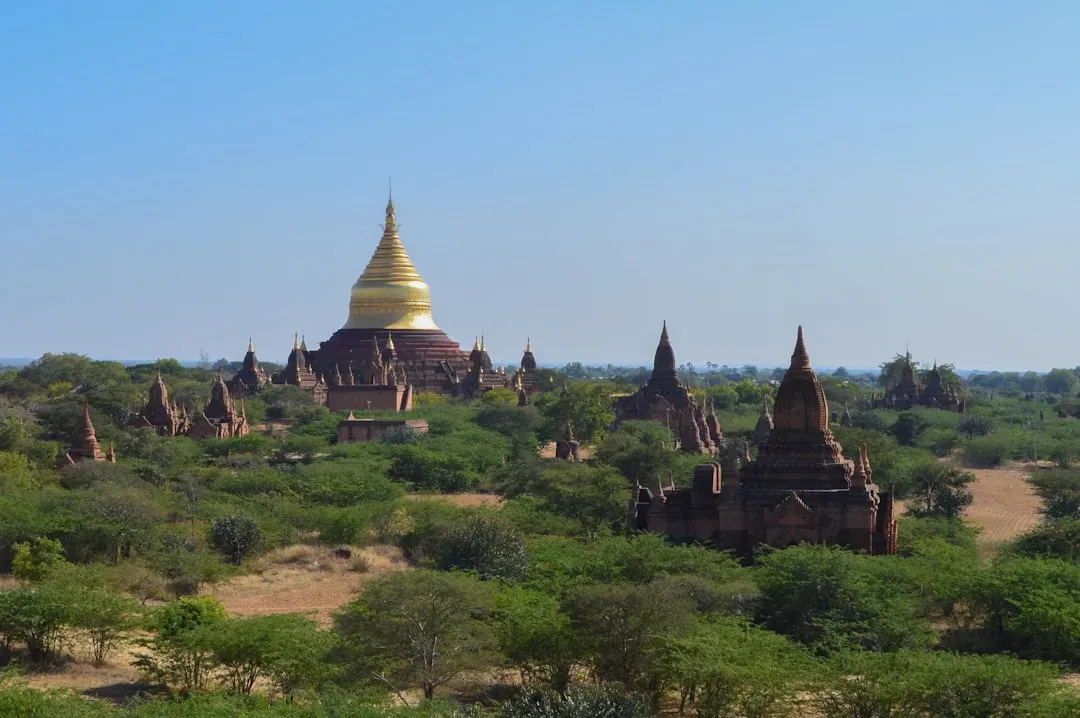
Picture over 2,000 Buddhist temples, pagodas, and monasteries scattered across a 26-square-mile plain along the Irrawaddy River. At its peak between the 11th and 13th centuries, Bagan hosted over 10,000 religious structures. The Kingdom of Pagan built this incredible complex as Buddhism spread through the region, with each successive ruler trying to outdo their predecessors.
Unlike Angkor Wat, which gets mobbed with tourists, Bagan remains relatively peaceful. You can climb ancient temples at sunrise and watch hot air balloons drift over the landscape without dealing with massive crowds. The architecture varies wildly, from simple stupas to elaborate multi-story temples decorated with intricate frescoes and Buddha images.
Several powerful earthquakes over the centuries have damaged many structures, but restoration efforts continue. The Myanmar government’s decision to use modern materials for some repairs caused UNESCO to delay World Heritage designation for years. Despite this controversy, the site’s scale and beauty rival anything you’ll see in Southeast Asia. Renting an electric bike and exploring at your own pace might be one of the best travel experiences you’ve never considered.
The Stone Spheres of Costa Rica
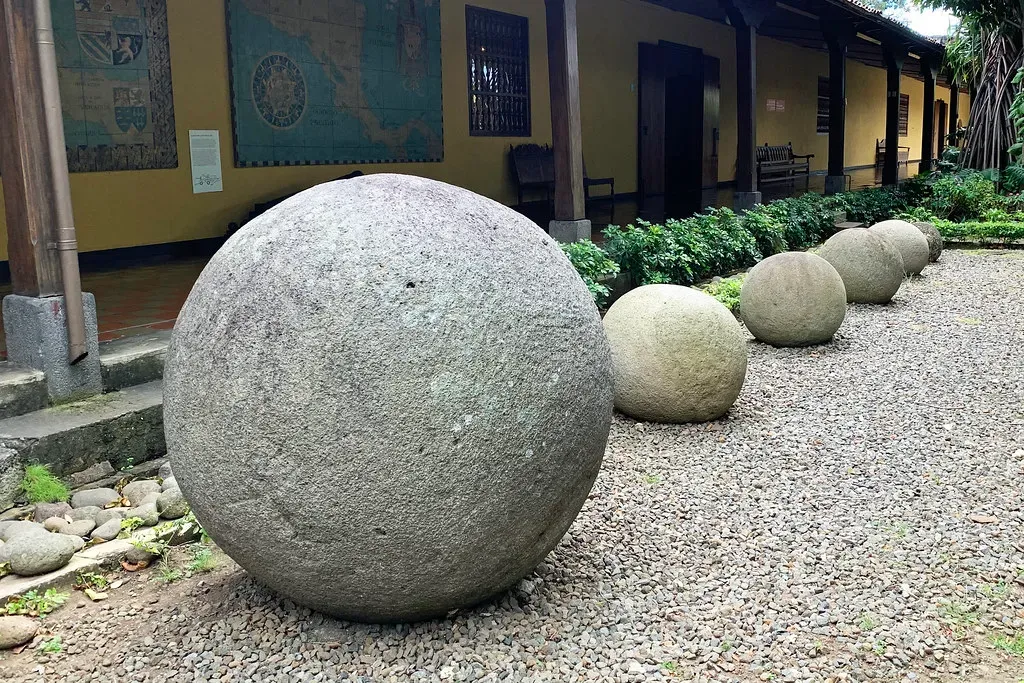
Scattered across the Diquís Delta and Isla del Caño, these perfectly round granite spheres have puzzled researchers since their discovery in the 1930s. The indigenous Diquís culture created them sometime between 600 and 1500 CE. Some measure just inches across, while the largest reaches over six feet in diameter and weighs about 15 tons.
The precision is what gets me. Many spheres are accurate to within centimeters of being perfectly round, achieved without modern tools or measuring devices. How did they do it? Theories range from controlled heating and cooling to laboriously pecking away with harder stones. Nobody knows for certain, and the original purpose remains equally mysterious.
Were they status symbols? Astronomical markers? Territorial boundaries? All we know is that creating them required incredible skill and patience. Sadly, many spheres were destroyed or moved from their original locations after discovery, with people carving them up or blasting them apart looking for gold that wasn’t there. The remaining spheres got UNESCO World Heritage status in 2014, but their secrets remain locked in stone.
The Ancient City of Meroë, Sudan
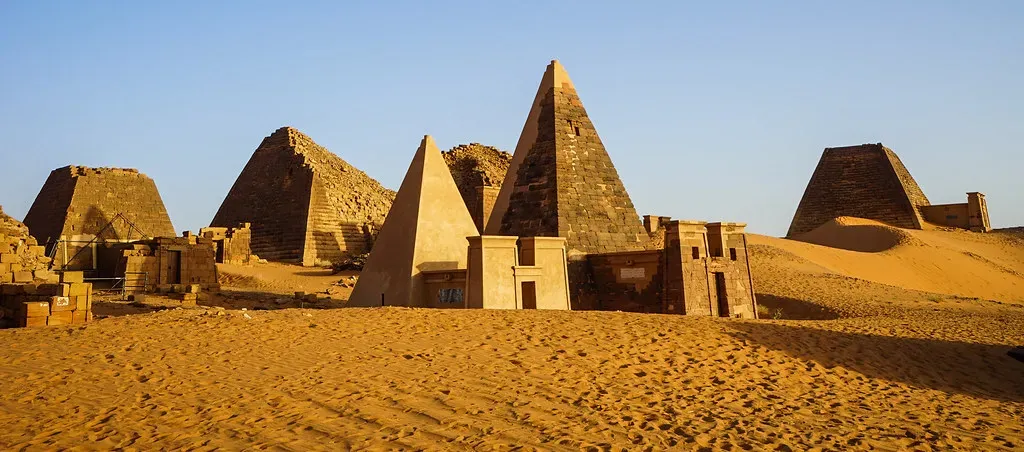
Sudan has more pyramids than Egypt, and most people have no idea. The royal necropolis at Meroë contains over 200 pyramids, built by the rulers of the Kingdom of Kush between 800 BCE and 350 CE. They’re smaller and steeper than Egyptian pyramids, with burial chambers underneath rather than inside.
The Kingdom of Kush once ruled Egypt as the 25th Dynasty before being pushed south. At Meroë, they developed their own distinct culture and writing system that still hasn’t been fully deciphered. The pyramids stand in remarkable isolation, rising from the desert sand with barely another soul in sight. It’s the anti-Giza experience, where you might be the only person there.
Unfortunately, an Italian treasure hunter named Giuseppe Ferlini destroyed the tops of several pyramids in the 1830s while searching for gold. He found some, but the damage can’t be undone. Still, the remaining structures offer a powerful glimpse into a sophisticated African civilization that thrived for over a thousand years. The silence and emptiness of the site make it feel even more ancient and mysterious than Egypt’s crowded monuments.
These landmarks prove that the world still holds surprises for those willing to look beyond the obvious choices. Each one offers something the famous sites can’t deliver anymore: space to think, time to absorb, and the genuine thrill of discovery. What’s your take on exploring the road less traveled? Tell us in the comments.