
There’s something almost magical about a final sentence. The way a great book closes can linger in your mind for years, maybe decades. Sometimes it’s a whisper, sometimes a roar. Either way, it stays.
Think about it. You’ve spent hours, maybe days with these characters. You’ve turned hundreds of pages. Then comes that last line, and if the author nailed it, everything clicks into place. Or sometimes it doesn’t click at all. It just hits you somewhere deep.
The best endings don’t explain themselves. They resonate. They make you close the book slowly, stare at the wall, and just… feel something. Let’s explore some of the most haunting, beautiful, and unforgettable last lines ever written.
The Great Gatsby by F. Scott Fitzgerald
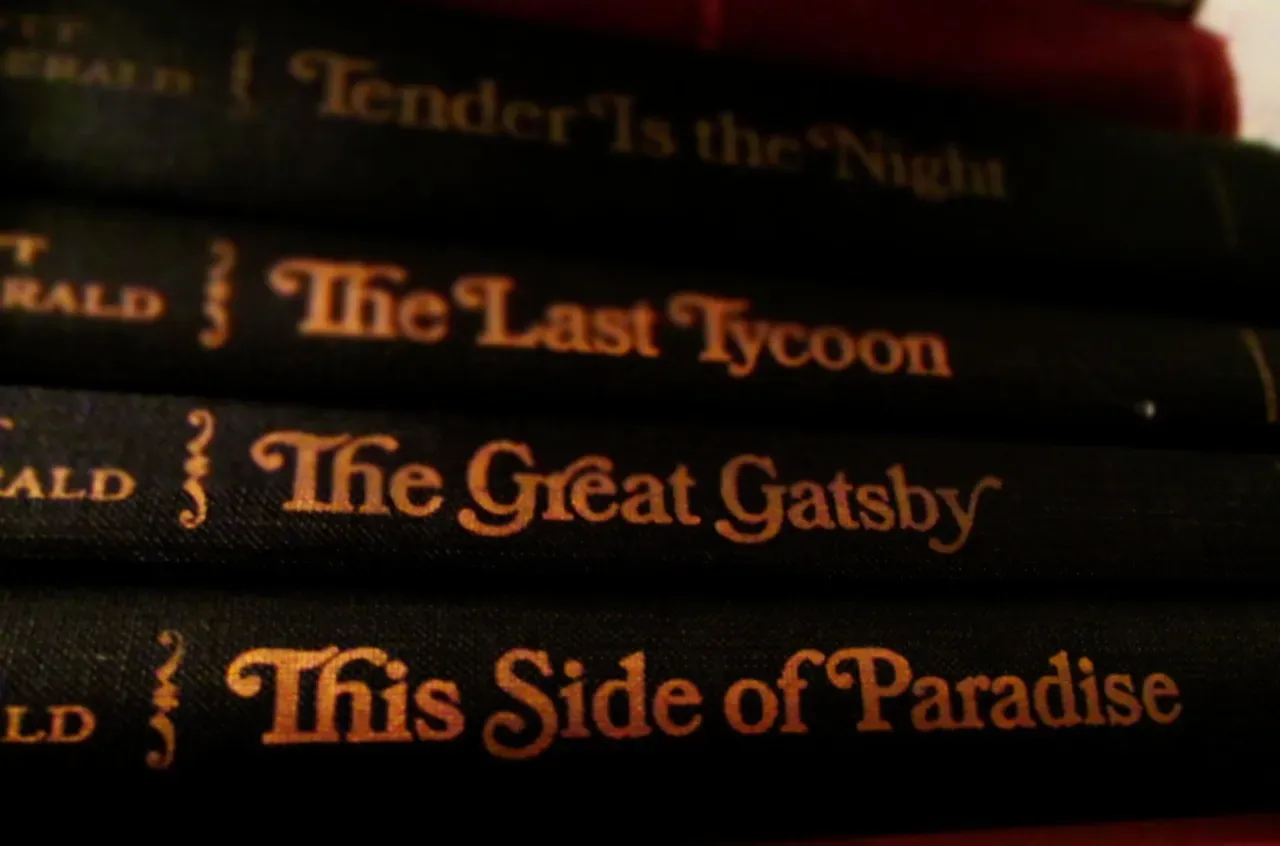
“So we beat on, boats against the current, borne back ceaselessly into the past.” This line doesn’t just end a novel. It captures an entire philosophy about human nature and the American Dream.
Fitzgerald understood something fundamental about us. We’re always reaching for something just beyond our grasp, always looking backward even as we paddle forward. The image of boats fighting against water is perfect because it’s both hopeful and futile.
What makes this line extraordinary is its rhythm. Read it aloud. The words themselves seem to push and pull, just like those boats. It’s poetry disguised as prose.
Gatsby spent his whole life chasing a green light across the bay. In the end, aren’t we all chasing something impossible? That’s why this line refuses to leave us alone.
Nineteen Eighty-Four by George Orwell
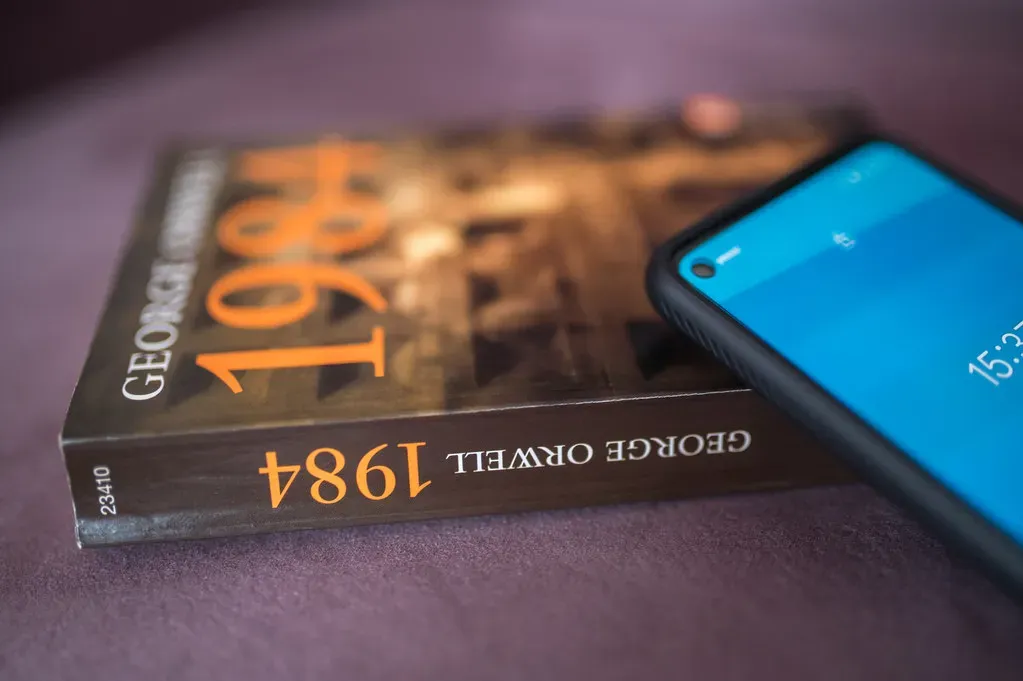
“He loved Big Brother.” Three words. That’s all Orwell needed to crush every hope the reader had been clinging to. It’s brutal in its simplicity.
Throughout the entire novel, we watch Winston Smith resist, fight, question everything. Then in the end, they break him completely. Not just his body. His mind, his soul, his very capacity for independent thought.
The horror isn’t in violence or death. It’s in transformation. The person we knew is gone, replaced by something hollow and compliant. That final sentence is a gut punch precisely because it’s delivered so matter-of-factly.
Orwell knew the scariest endings aren’t dramatic. They’re quiet. They’re the moment when resistance dies and acceptance takes over. This line haunts because it shows us what we’re capable of becoming.
To Kill a Mockingbird by Harper Lee
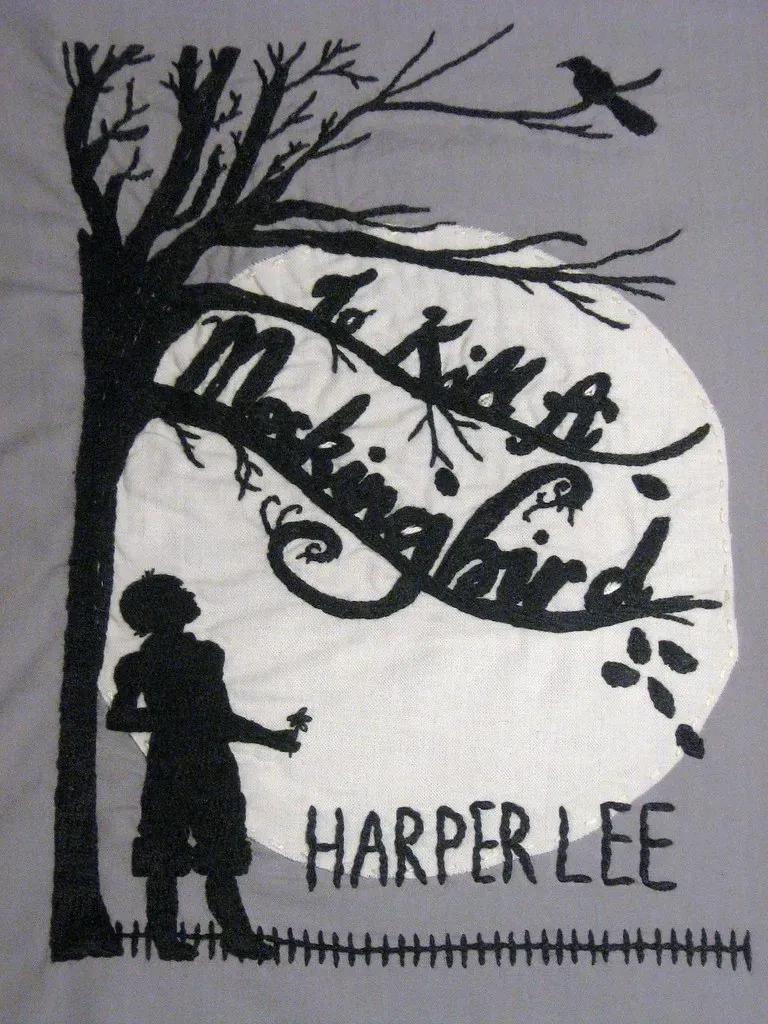
“He turned out the light and went into Jem’s room. He would be there all night, and he would be there when Jem waked up in the morning.” Atticus Finch watching over his sleeping son is such a tender image after everything that happened.
This ending works because it’s small. No grand speeches, no big revelations. Just a father making sure his child is safe. After all the violence and injustice and fear, we get this moment of pure, protective love.
Scout has grown up considerably by this point. She’s witnessed evil and cruelty and the complicated nature of people. Yet the book ends not with cynicism but with quiet faith in human goodness.
Lee understood that hope doesn’t always look like triumph. Sometimes it looks like someone sitting in a chair, keeping watch through the darkness. It’s a gentle ending that feels earned.
The Catcher in the Rye by J.D. Salinger
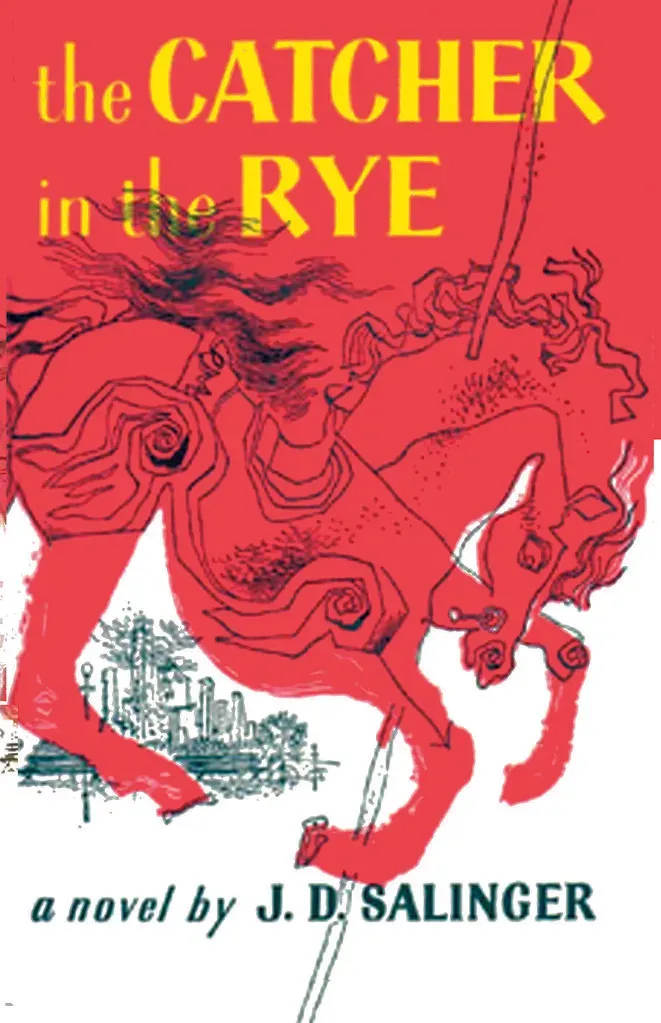
“Don’t ever tell anybody anything. If you do, you start missing everybody.” Holden Caulfield’s final words are almost painful in their contradiction. He just told us everything, and now he regrets it.
This line captures teenage vulnerability so perfectly. That fear of connection, that simultaneous desire to be known and to hide. Holden has been pushing people away the entire book, yet he can’t help reaching out.
The genius here is the word “missing.” Not hating, not fearing. Missing. Holden’s problem was never that he didn’t care about people. He cared too much, and that terrified him.
So many readers finish this book and immediately want to reread it. That ending makes you realize Holden was always more fragile than he pretended. His cynicism was armor, and now we see the wound underneath.
One Hundred Years of Solitude by Gabriel García Márquez

“…races condemned to one hundred years of solitude did not have a second opportunity on earth.” Márquez ends with both finality and mythology. The Buendía family story is over, and it was doomed from the start.
What strikes me about this line is how it transforms everything we just read. All those generations, all that passion and tragedy, was predetermined. The family was marching toward this ending from page one.
There’s something deeply unsettling about predestination, especially when wrapped in such beautiful language. Márquez doesn’t comfort us. He tells us that some cycles can’t be broken, some fates can’t be changed.
Yet the line is gorgeous. Tragic, yes, but gorgeous. It suggests that even doomed things have their own terrible beauty. That’s magical realism in a nutshell.
Mrs. Dalloway by Virginia Woolf
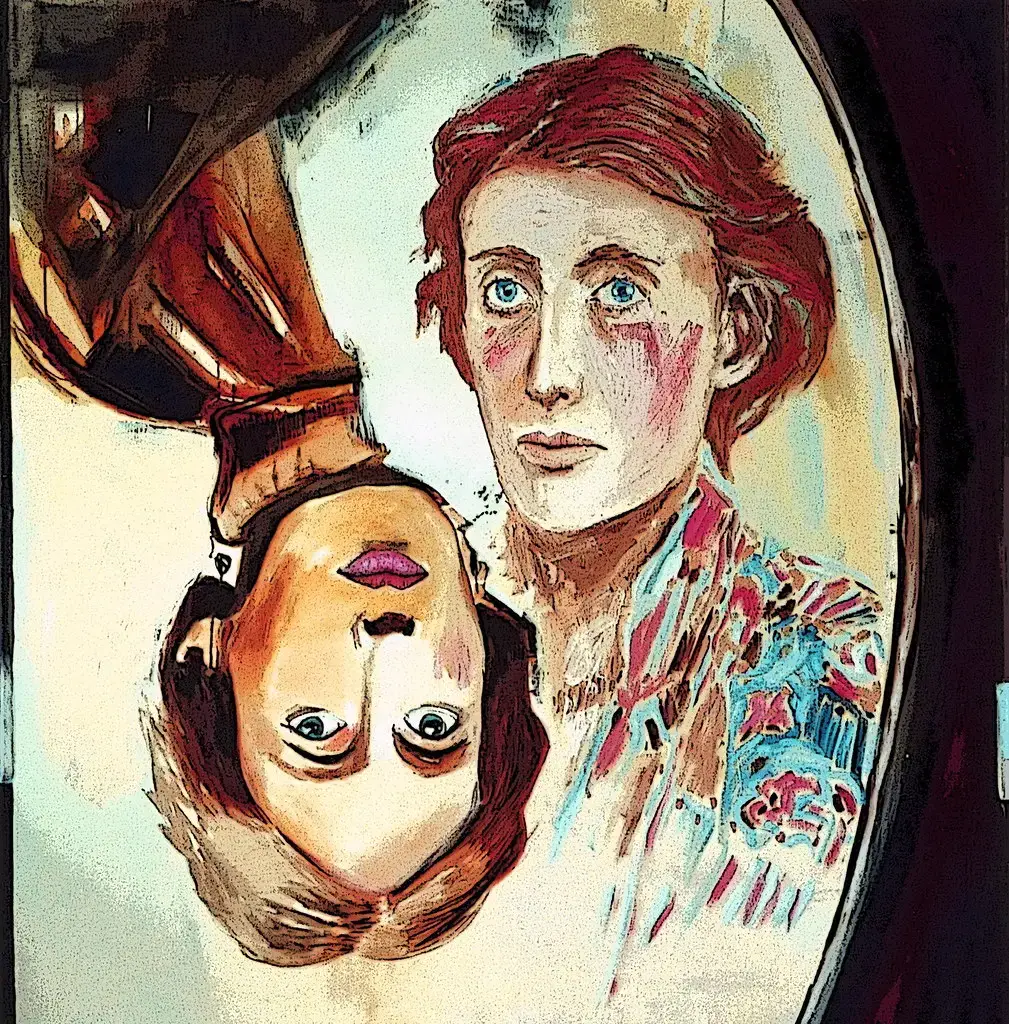
“For there she was.” After hundreds of pages of stream-of-consciousness prose diving into memory and madness and the inner lives of multiple characters, Woolf brings us back to this simple statement about Clarissa Dalloway.
The power is in the present tense. Not “there she had been” or “there she would always be.” There she was. Right now. Existing. That’s enough.
Woolf spent the entire novel exploring the gap between how people appear and who they really are. The parties and appearances versus the interior chaos and beauty. This ending acknowledges both.
It’s hard to explain why four words can feel so profound. Maybe because they’re an affirmation of existence itself. Despite everything, despite death and time and sorrow, this person continues to exist. She shows up. She’s there.
Beloved by Toni Morrison
“This is not a story to pass on.” Morrison closes with this line repeated twice, and it’s devastatingly complex. Does she mean we shouldn’t forget, or that we can’t bear to remember?
The whole book grapples with memory and trauma. How do you carry stories of unspeakable pain? How do you process a history built on horror? Morrison doesn’t give us easy answers.
This ending refuses to provide closure. It sits in that uncomfortable space between remembering and forgetting, between honoring the past and trying to survive it. That ambiguity is intentional.
Morrison knew that some stories are almost too heavy to carry. Yet not carrying them means the suffering is erased. This final line holds that impossible tension, and it’s why the book stays with readers long after they finish.
Final Thoughts

Books change us. That’s not hyperbole or romantic exaggeration. The right book at the right time can fundamentally alter how you see the world. And so often, it’s that final line that does the work, that lodges itself somewhere deep and won’t let go.
These authors gave us something precious. They showed us that words matter, that stories matter, that how you end something shapes how it’s remembered. They proved that literature isn’t just entertainment. It’s a way of understanding ourselves and each other.
Years from now, you might forget plot details or character names. But these last lines? They’ll still be there, waiting in your memory. Ready to surface at unexpected moments and remind you why you love reading in the first place.
Which ending has stuck with you the most? What last line do you find yourself thinking about years after reading it? Tell us in the comments.