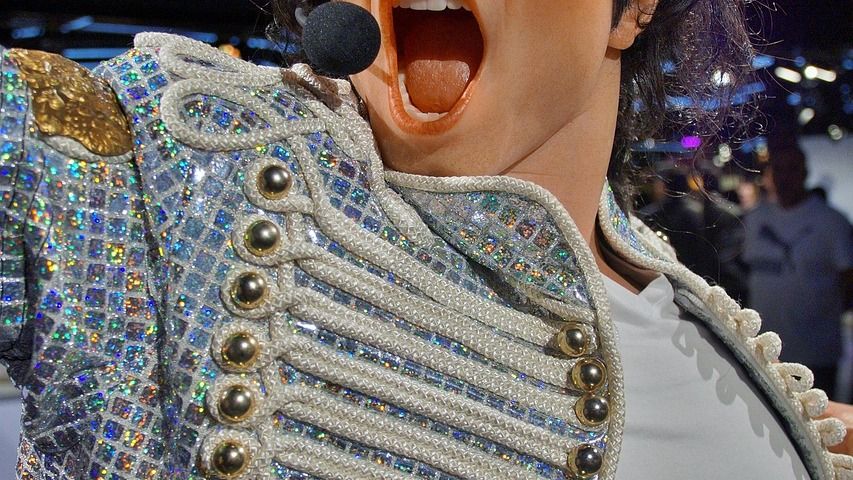
Since MTV launched in the early 1980s, music videos have served as both artistic expression and cultural lightning rod. What started as a new medium for marketing songs quickly became a battleground where artists clashed with censors, religious groups, and broadcast standards. The visual nature of music videos gave performers unprecedented power to provoke, challenge, and shock audiences in ways radio never could.
Madonna Loses Pepsi Millions Over Religious Imagery

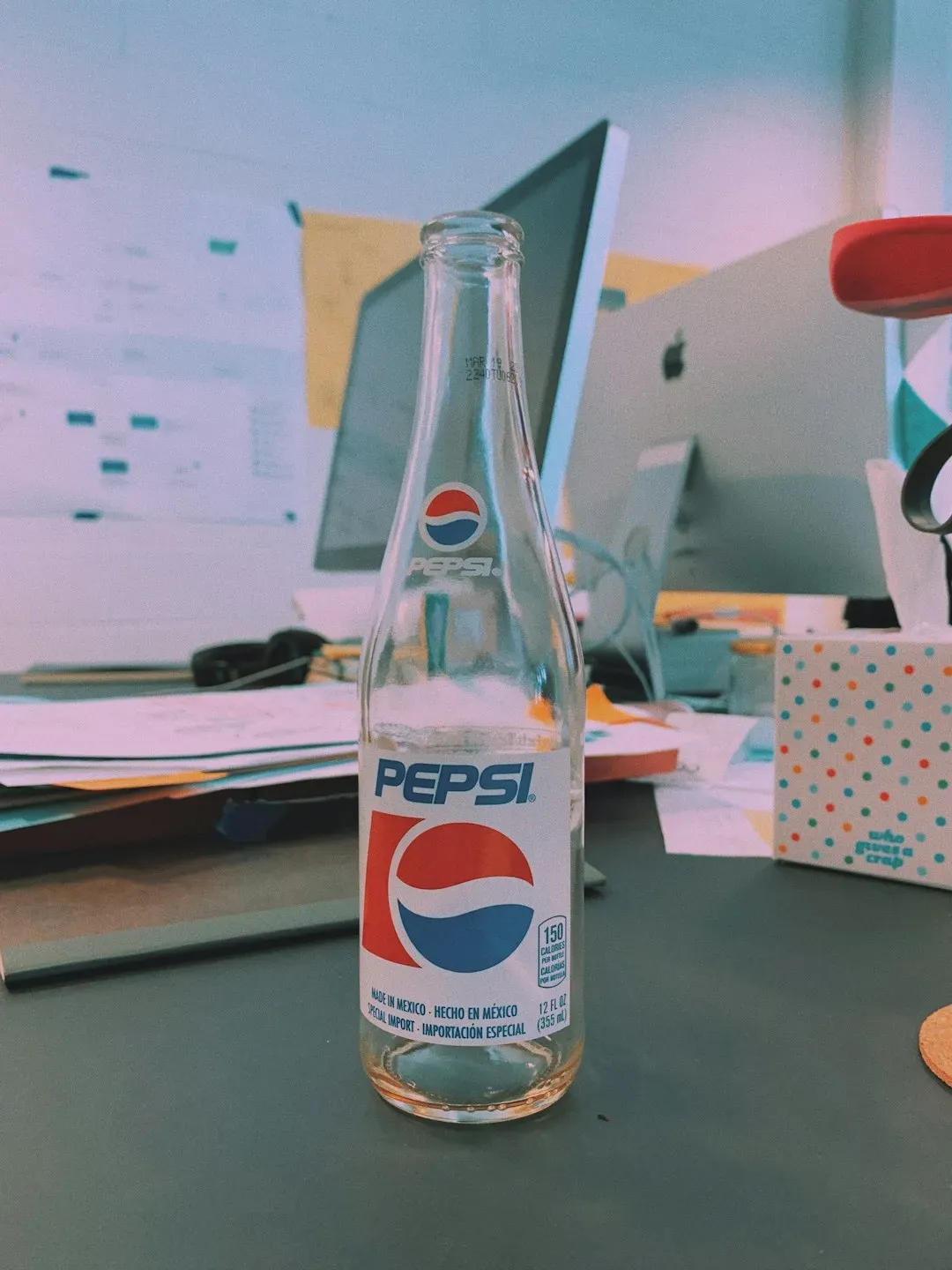
The day after Pepsi’s commercial for Madonna’s “Like a Prayer” premiered in February 1989, the actual music video debuted on MTV and sparked immediate protest from Christian groups worldwide, including the Vatican, who called for a boycott of Pepsi and its subsidiaries. Pepsi cancelled the entire campaign within days, though the company allowed Madonna to keep her five million dollar advance. The video featured burning crosses, stigmata imagery, and Madonna kissing a Black saint, which religious organizations deemed blasphemous. While most TV stations banned the music video, MTV notably continued airing it on heavy rotation.
Michael Jackson’s Panther Dance Gets Cut After One Night

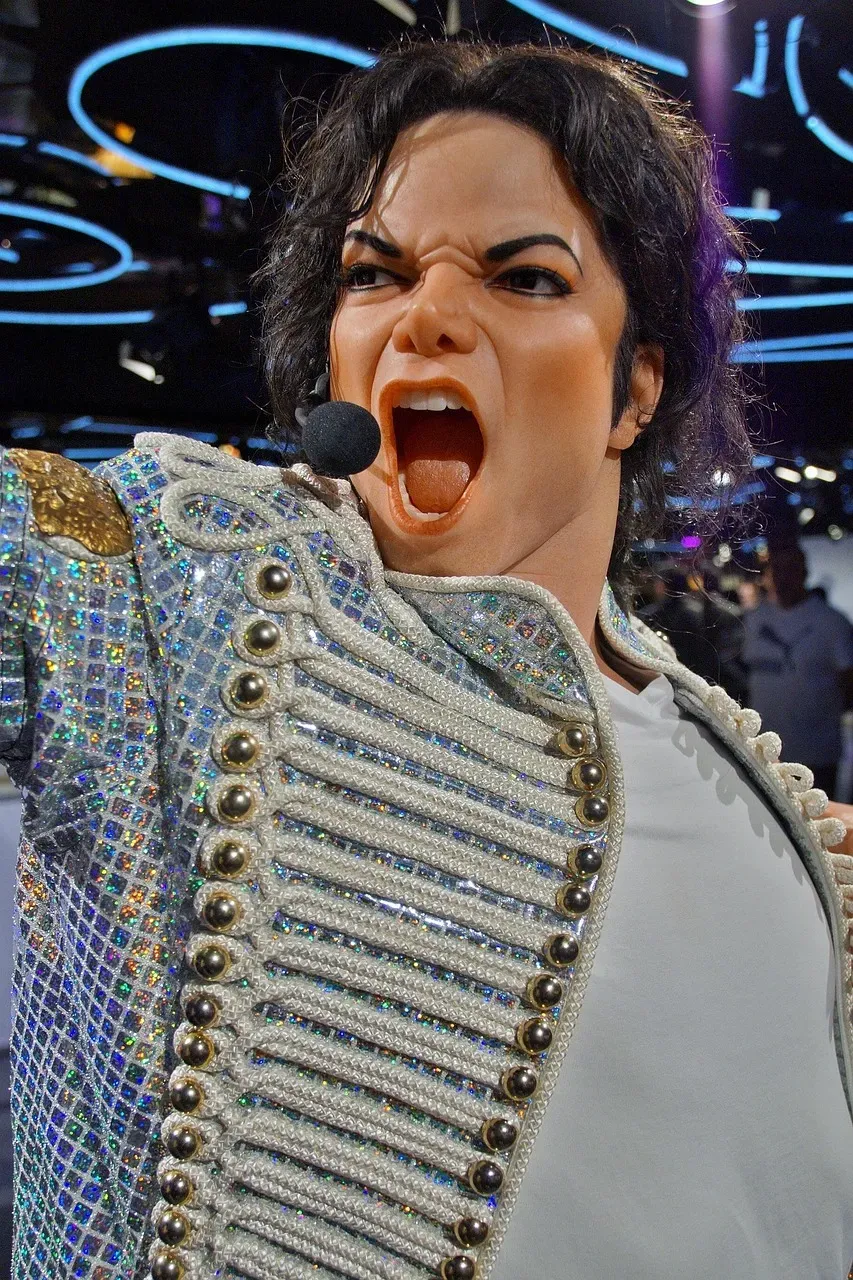
Jackson’s “Black or White” video premiered simultaneously in 27 countries on November 14, 1991, reaching an audience of 500 million viewers on MTV, BET, VH1, and Fox. The problem wasn’t the main video but the four-minute epilogue. By the next morning, an outcry from parents’ groups and major media outlets led Jackson to cut the full dance sequence from all future airings of the video. A Fox source told Entertainment Weekly that the network’s phone lines lit up almost immediately with calls from parents, with one insider noting people couldn’t believe Jackson’s crotch-grabbing dance routine.
Rihanna’s “S&M” Banned Across Multiple Countries

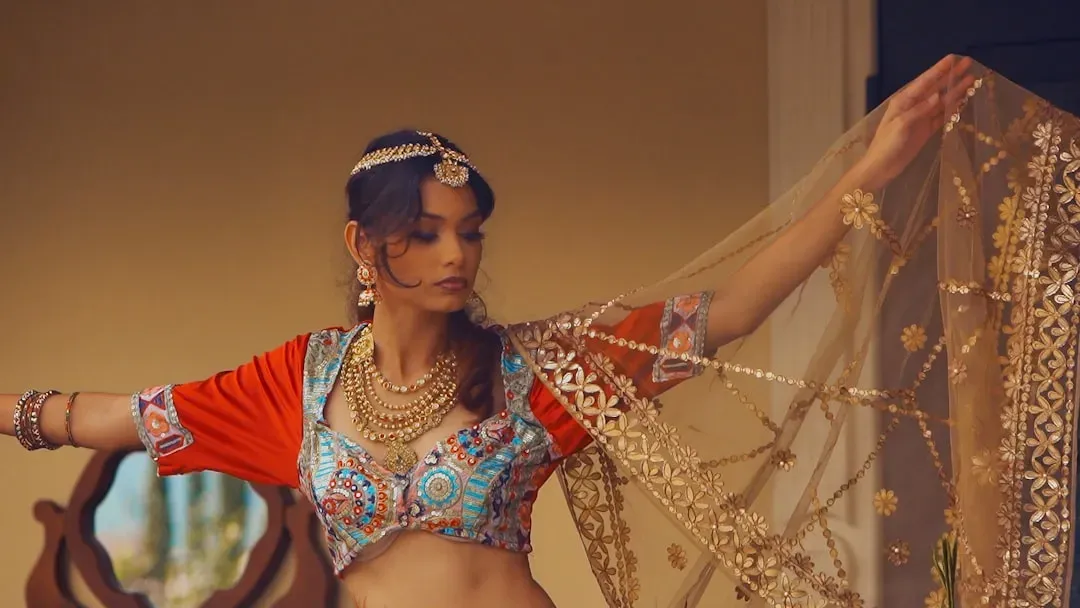
The video for Rihanna’s “S&M” was immediately banned in eleven countries due to its overtly sexual content and was flagged and age-restricted on YouTube for mature content. The 2011 video showed bondage imagery, ball gags, and simulated sex acts that pushed boundaries even for pop’s edgier artists. According to the UK’s Daily Mirror, BBC 1 Radio wouldn’t play the track before 7 p.m., and the station was waiting for an edited version before deciding on daytime airplay. Countries like India, Malaysia, Vietnam, Indonesia and Singapore joined forces in banning the video due to its sexually suggestive content.
Queen’s “Body Language” Becomes MTV’s First Ban

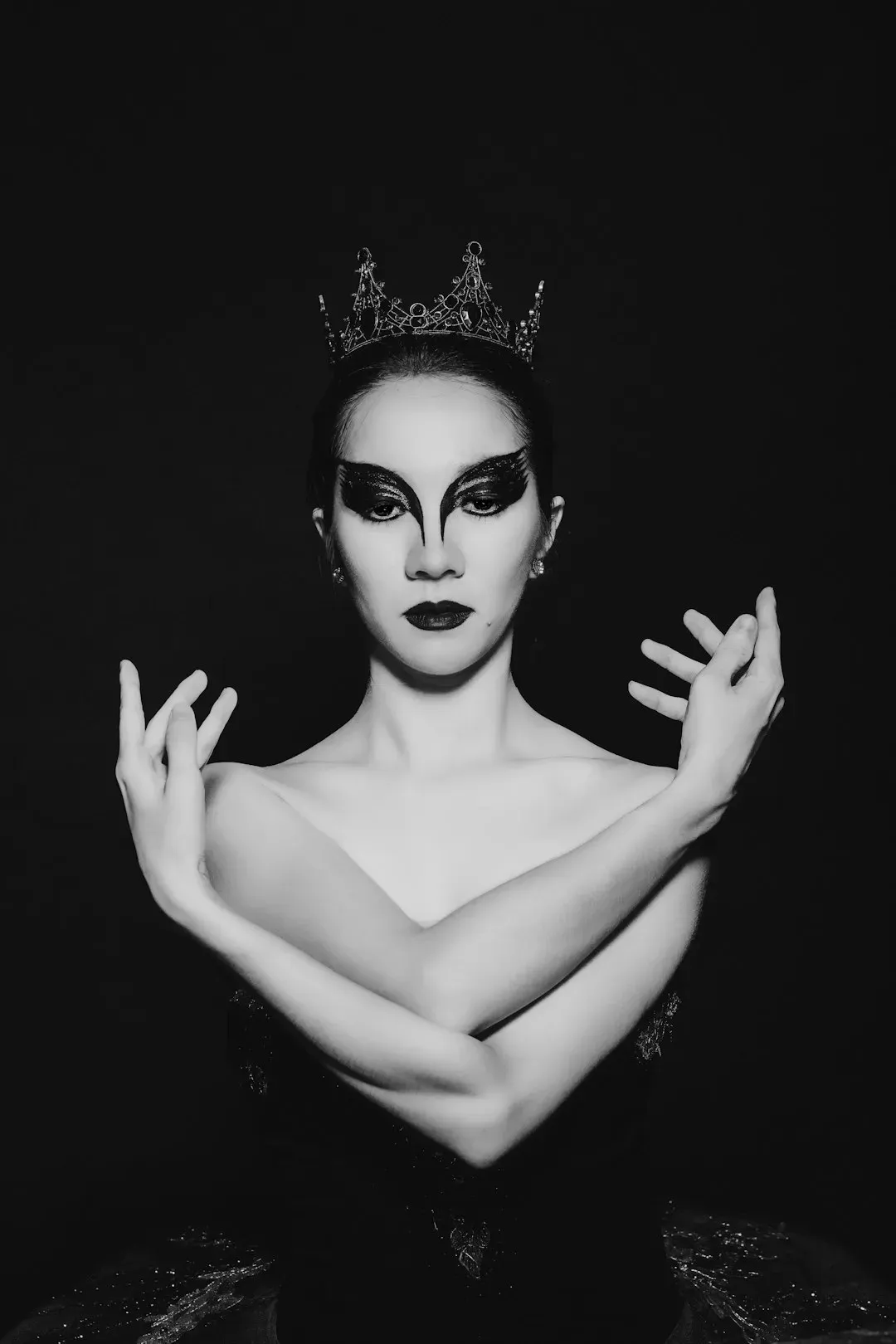
The first music video banned by MTV was Queen’s “Body Language” in 1982, due to its homoerotic undertones and the presence of human flesh, according to the Guinness World Records. When Queen filled the video with as much flesh as possible, showing male and female models writhing in a locker-room shower with almost nothing on, it was scandalous at the time and quickly became the first video ever banned by MTV. The song’s overtly sexual lyrics left little to imagination, pushing boundaries during MTV’s conservative early era.
Partner offer

Nine Inch Nails “Closer” Censored Beyond Recognition

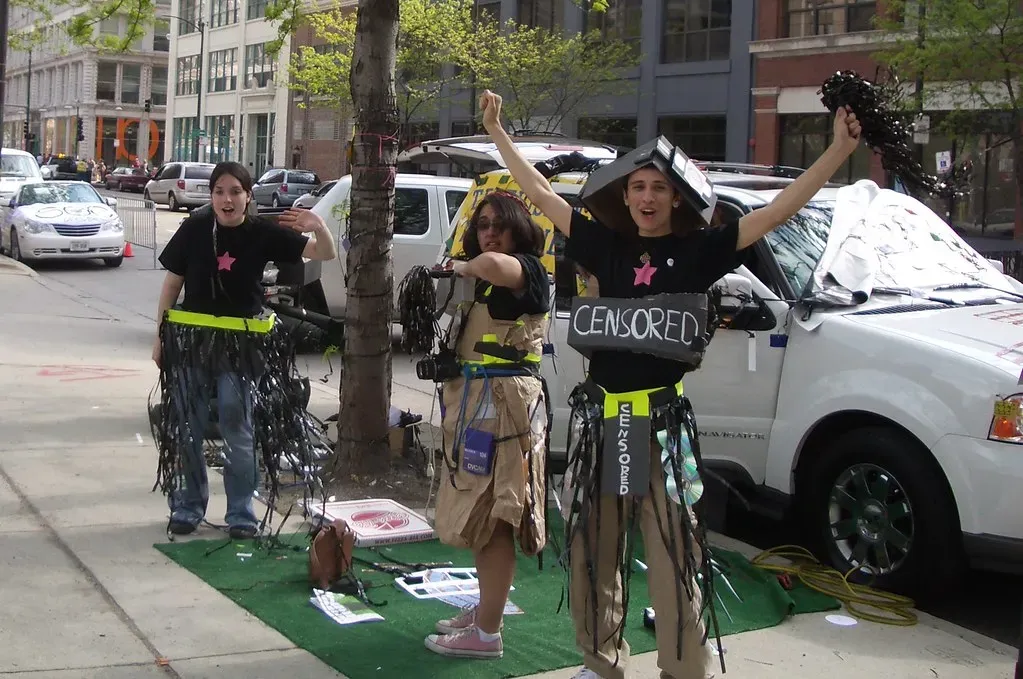
Nine Inch Nails’ “Closer” was heavily censored when aired on MTV due to sexually explicit imagery containing a nude bald woman wearing a crucifix mask, frontman Trent Reznor in bondage, and an image of a vulva, with objectionable content replaced with a picture that said “scene missing.” The 1994 industrial rock anthem became notorious for its explicit visuals and the lyric many found offensive. Despite the heavy editing that made the video nearly unwatchable, it became one of the band’s most iconic works and helped define the era’s transgressive aesthetic.
Tool’s “Prison Sex” Removed Despite MTV Nomination

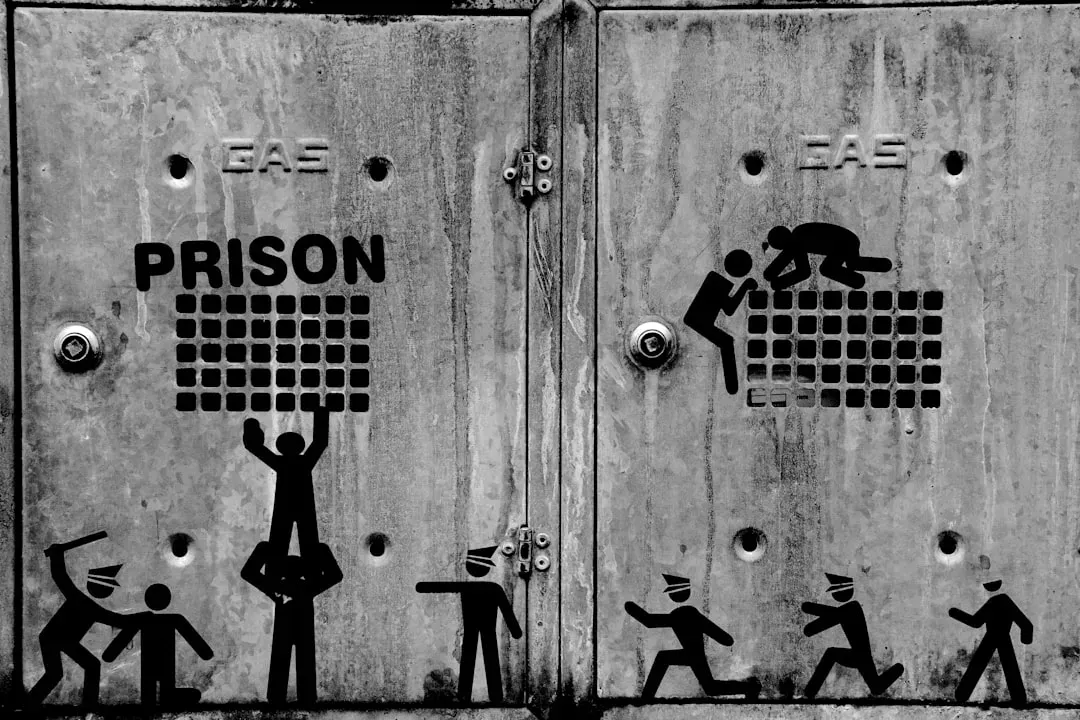
Tool’s video for “Prison Sex” aired a few times before ultimately getting removed and banned, with its stop-motion animation plot following a small doll tormented by a larger demon-like creature, with the overarching symbolism relating to child abuse deemed too controversial for MTV. Ironically, the same network that banned the video also nominated it for an MTV Video Music Award for best special effects. The contradiction highlighted MTV’s inconsistent approach to controversial content throughout the 1990s.
Garth Brooks Confronts Domestic Violence Head-On

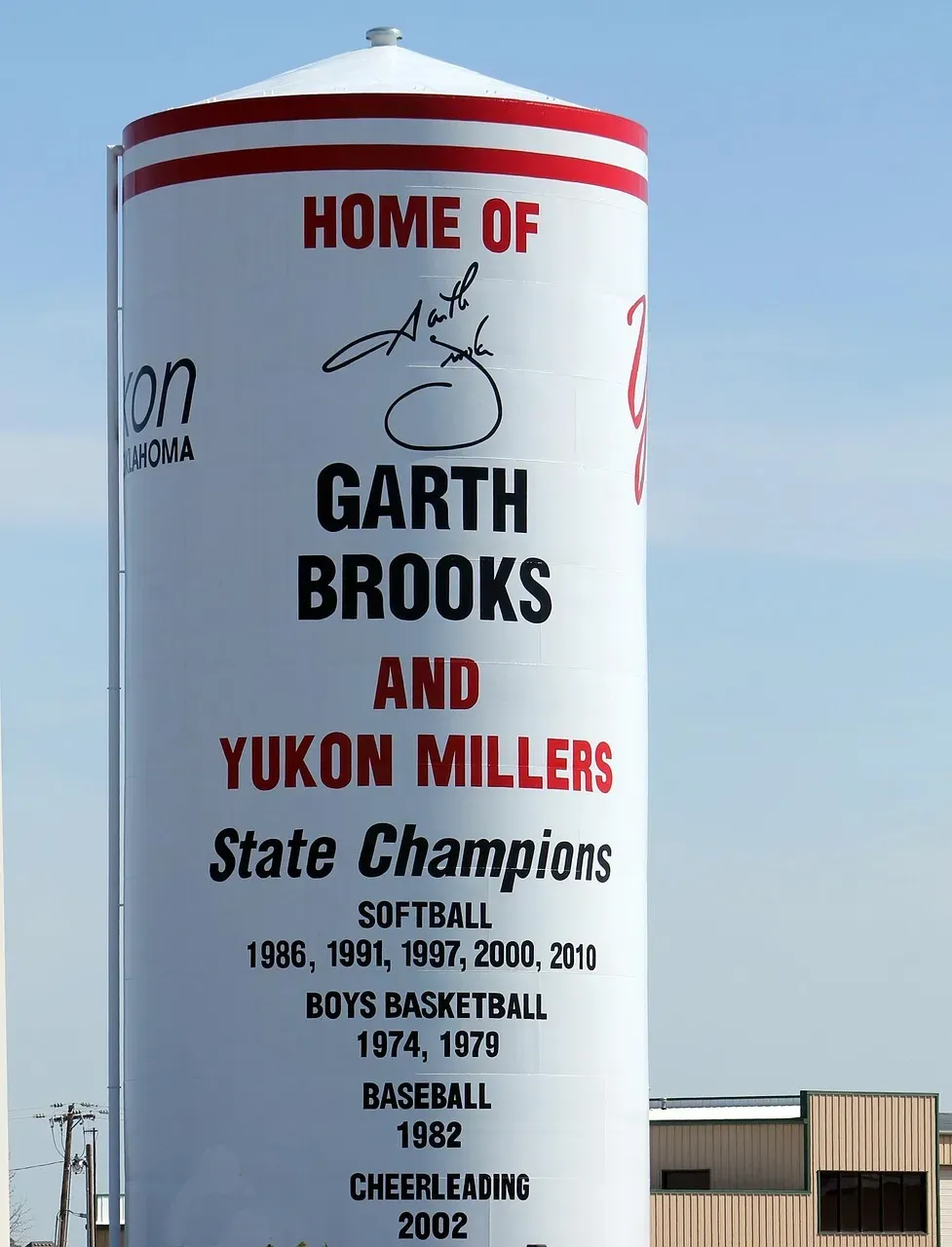
At the peak of his power, Brooks portrayed a cheating husband in the 1991 video for “The Thunder Rolls,” which was banned by The Nashville Network and Country Music Television for depicting domestic violence, with TNN wanting Brooks to add a spoken message but Brooks refusing. The video received praise from women’s shelters for raising awareness, and the industry eventually came around, awarding “The Thunder Rolls” Video of the Year at the 1991 CMA Awards. Brooks’ willingness to tackle difficult subjects rather than play it safe demonstrated how country music could address real social issues.
Soundgarden’s Crucifixion Imagery Crosses the Line

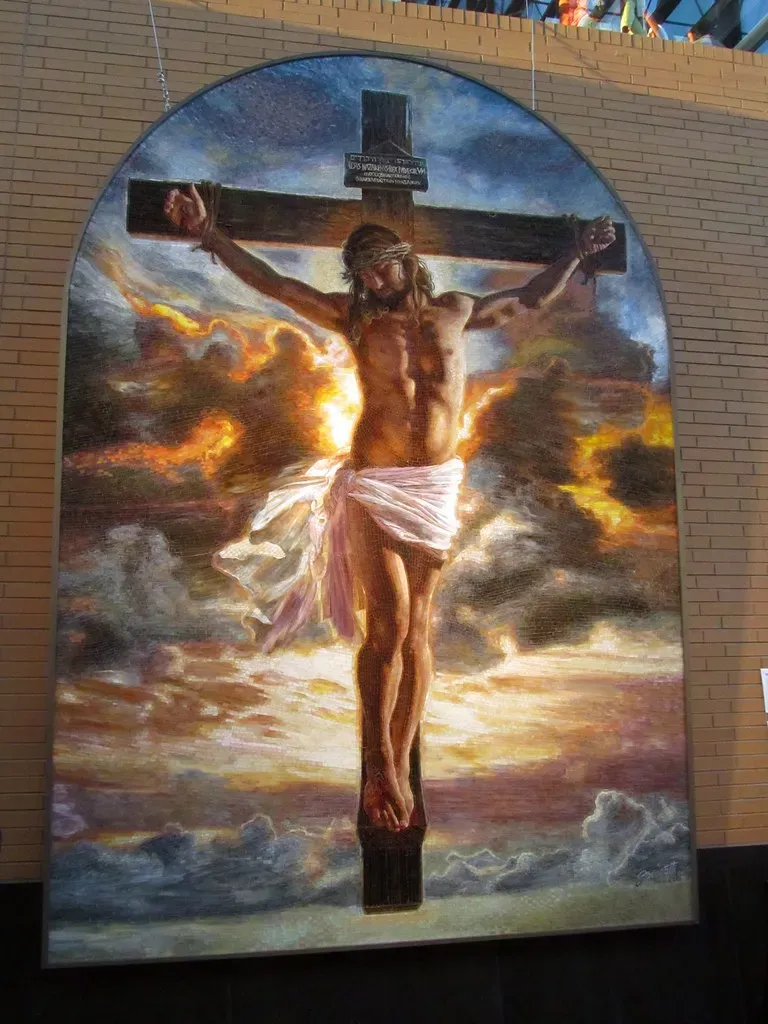
The video for Soundgarden’s “Jesus Christ Pose,” the first single from Badmotorfinger in 1991, showed girls, skeletons, and vegetables nailed to crosses. MTV has developed a strict policy refusing to air videos that may depict devil worship or anti-religious bigotry. Religious imagery, particularly anything involving crucifixes or crosses, remained one of the fastest ways to trigger network censorship. The band received death threats over the video, yet it helped cement their reputation as uncompromising artists willing to provoke uncomfortable conversations about faith and iconography.
Partner offer
Planning a trip to Vegas?
Compare hotel rates and show tickets on VEGAS.com.