Think our planet has some rough neighborhoods? Let’s be real, Earth is basically a luxury spa compared to what’s out there. Our Solar System harbors worlds so extreme that they make the harshest desert or the deepest ocean trench look downright cozy. From radiation that could fry you in minutes to temperatures that swing hundreds of degrees, these aren’t places you’d want to vacation. Let’s take a tour through ten locations where Mother Nature really went off the rails.
Venus: The Greenhouse Gone Wrong
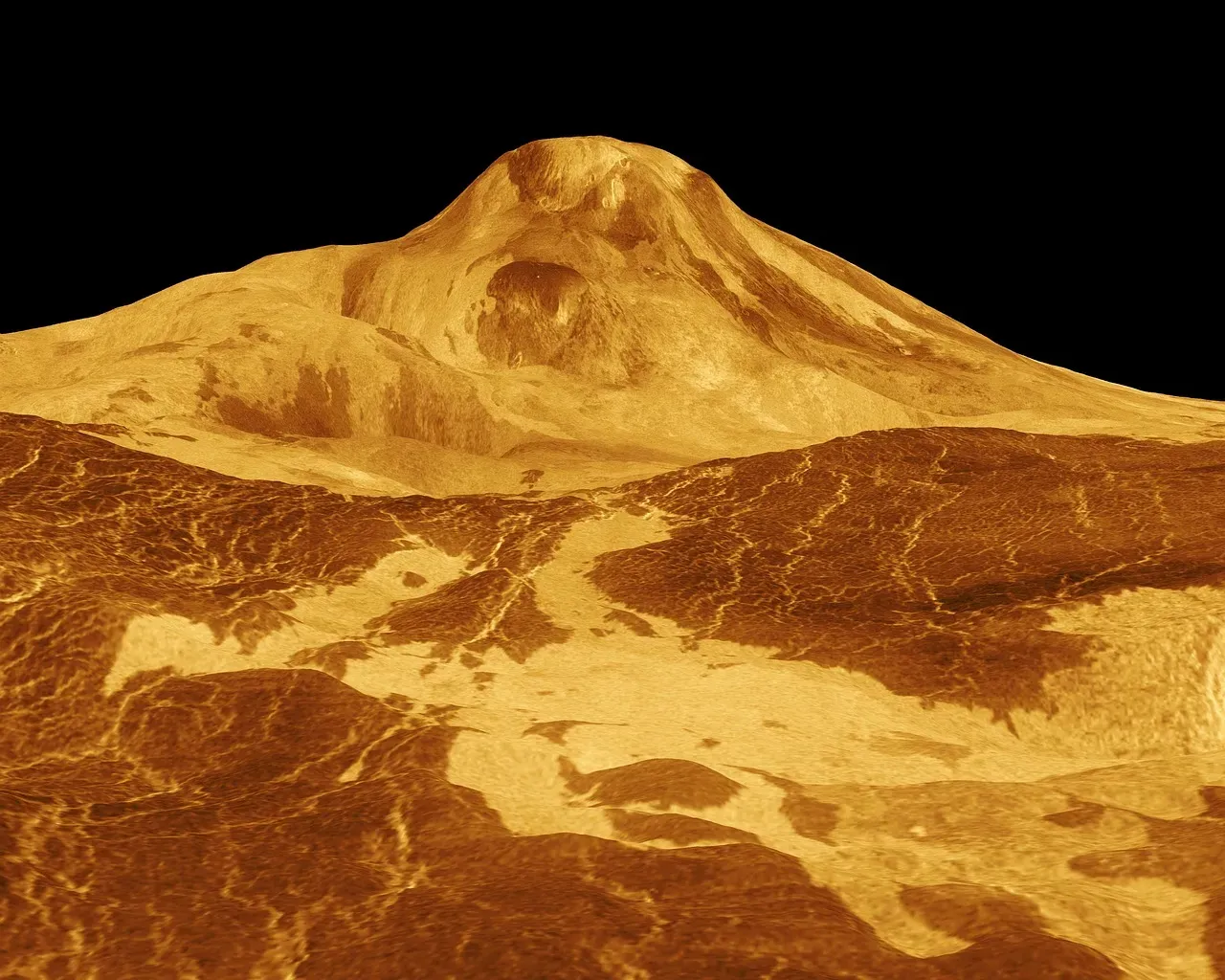
Venus’s surface reaches temperatures of around 462 degrees Celsius, hot enough to melt lead. This isn’t just hot for a planet – it makes Venus the hottest world in our entire Solar System, even though Mercury sits much closer to the Sun. Its thick atmosphere traps heat in a runaway greenhouse effect, creating conditions that would destroy any spacecraft within hours. The atmospheric pressure at Venus’s surface is about 93 times that at Earth’s, equivalent to being nearly a kilometer underwater. Honestly, it’s hard to imagine a more hostile planetary surface.
Jupiter’s Radiation Belts: The Silent Killer
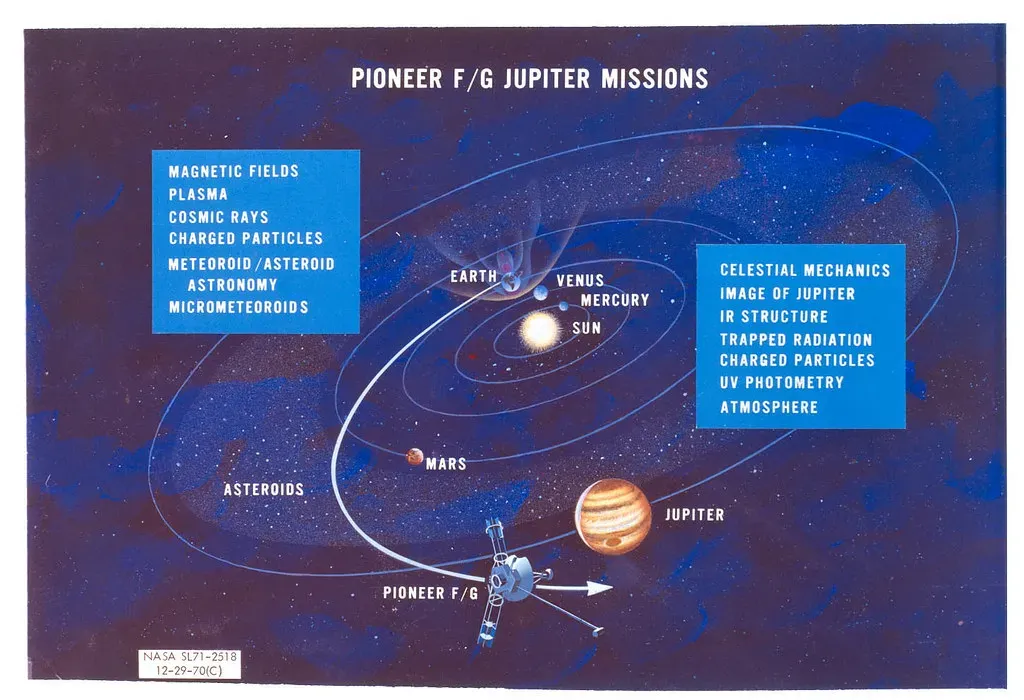
Jupiter has the most complex and energetic radiation belts in our Solar System, making the planet’s vicinity one of the deadliest regions for both humans and spacecraft. During brief flybys, spacecraft sustained 1,000 times the human-lethal dose of radiation. The gas giant’s magnetic field, roughly 20,000 times stronger than Earth’s, traps and accelerates charged particles to incredible energies. Jupiter is surrounded by a belt of radiation stronger than any , except for the Sun. Even with heavy shielding, any astronaut foolish enough to venture too close would receive a fatal dose within minutes.
Io: The Volcanic Inferno

Immense energy from frictional heating melts portions of Io’s interior, resulting in a seemingly endless series of lava plumes and ash venting into its atmosphere from the estimated 400 volcanoes that riddle its surface. This small moon orbiting Jupiter is quite literally being torn apart by gravitational forces. Recent observations discovered a volcanic hot spot not only larger than Earth’s Lake Superior, but also belching out eruptions six times the total energy of all the world’s power plants. The surface constantly reshapes itself through volcanic deposits. The data support that this is the most intense volcanic eruption ever recorded on Io, according to observations from NASA’s Juno spacecraft in late 2024.
The Sun’s Corona: The Paradox of Heat
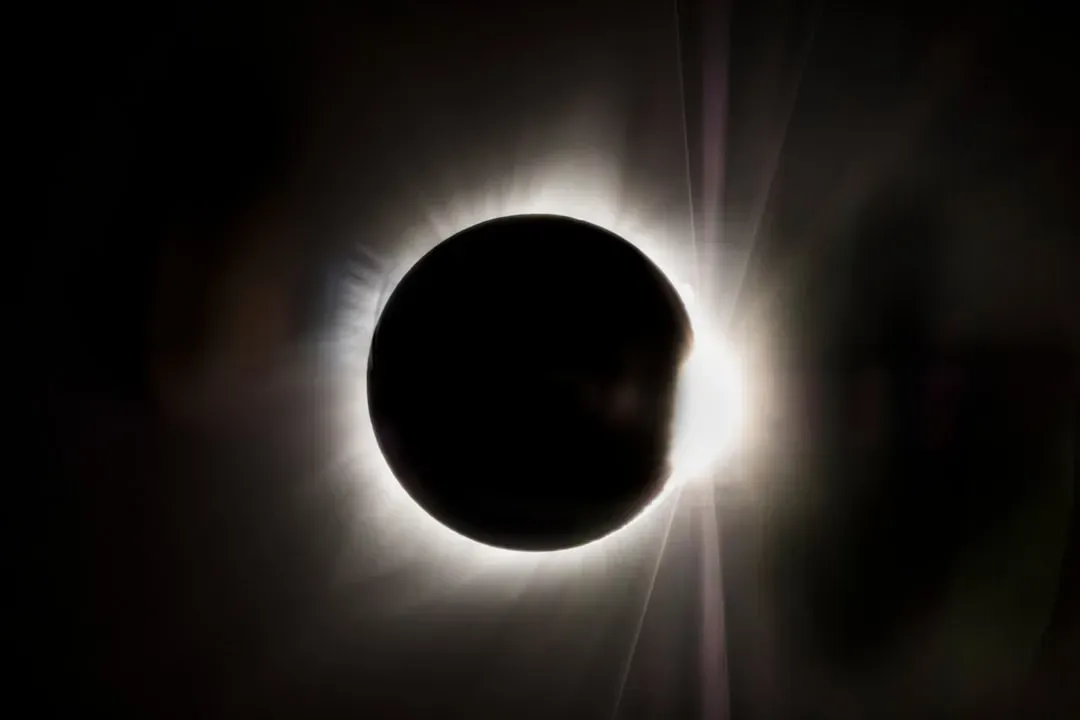
The sun’s crown-like atmosphere can be 200 times hotter than the sun’s surface, despite being farther away from the ultimate source of heat at the sun’s core. This seemingly impossible phenomenon has puzzled scientists for decades. The corona can exceed 1 million degrees Fahrenheit, creating conditions that would instantly vaporize any known material. NASA’s Parker Solar Probe made its closest approach to the Sun on December 24, 2024, coming to a distance of 6.1 million kilometers from the surface, and its beacon signal confirmed it had survived the passage through the corona. The spacecraft’s heat shield had to withstand temperatures approaching 1,400 degrees Celsius just to collect data from this extreme environment.
Mercury: Land of Temperature Extremes
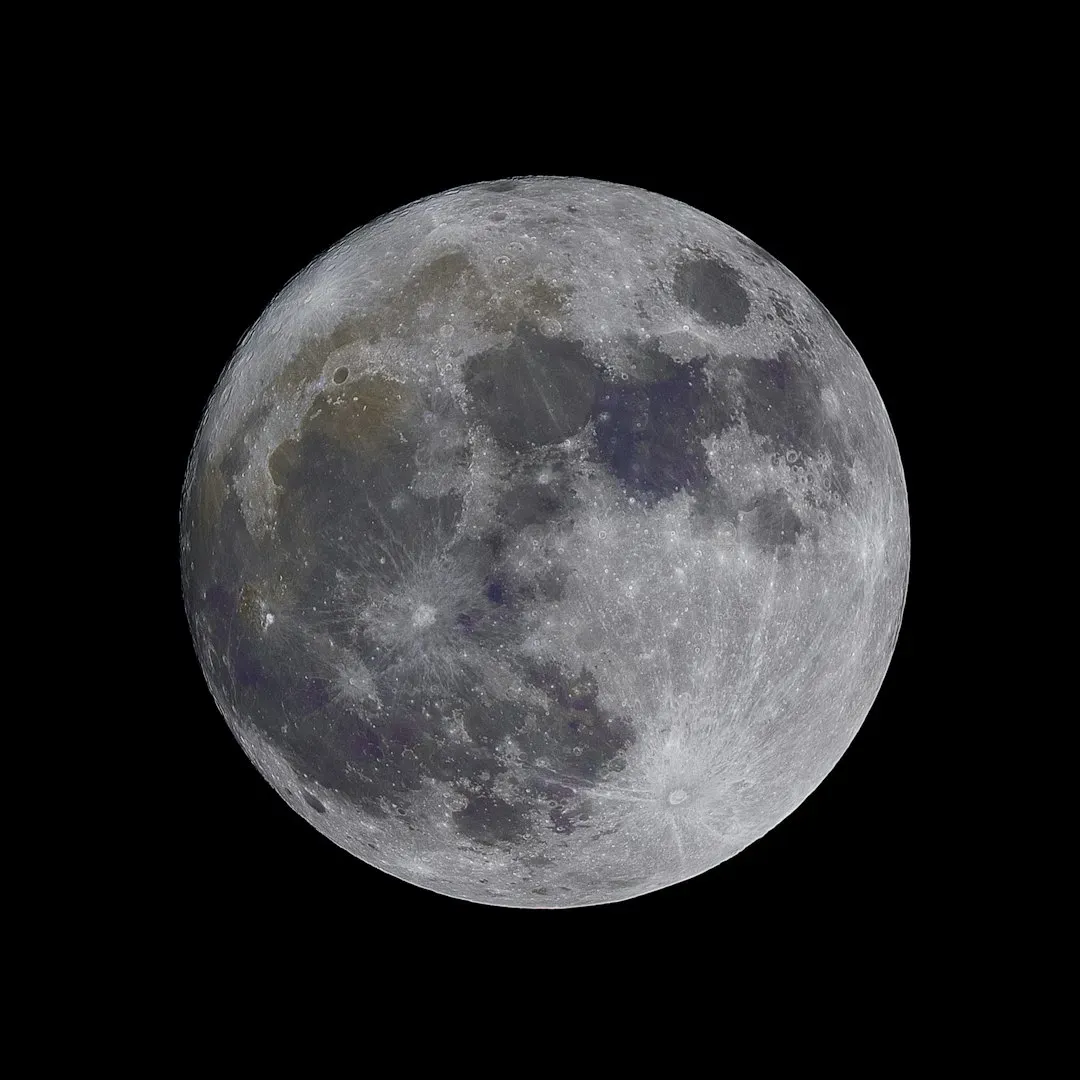
As the closest planet to the Sun, Mercury experiences extreme temperature variations at its surface, from about 430 degrees Celsius down to negative 180 degrees Celsius. These wild swings represent the largest temperature range of any planet in our Solar System. The lack of a substantial atmosphere means there’s nothing to moderate the heat from the nearby Sun or retain warmth during the long nights. Mercury’s surface has the largest diurnal variations of all terrestrial planets, with daytime temperatures reaching up to 700 Kelvin while the night-time temperature can drop below 100 Kelvin. Standing on Mercury’s surface, you’d literally go from being roasted to frozen depending on which way you faced.
Titan: The Frozen Chemical World
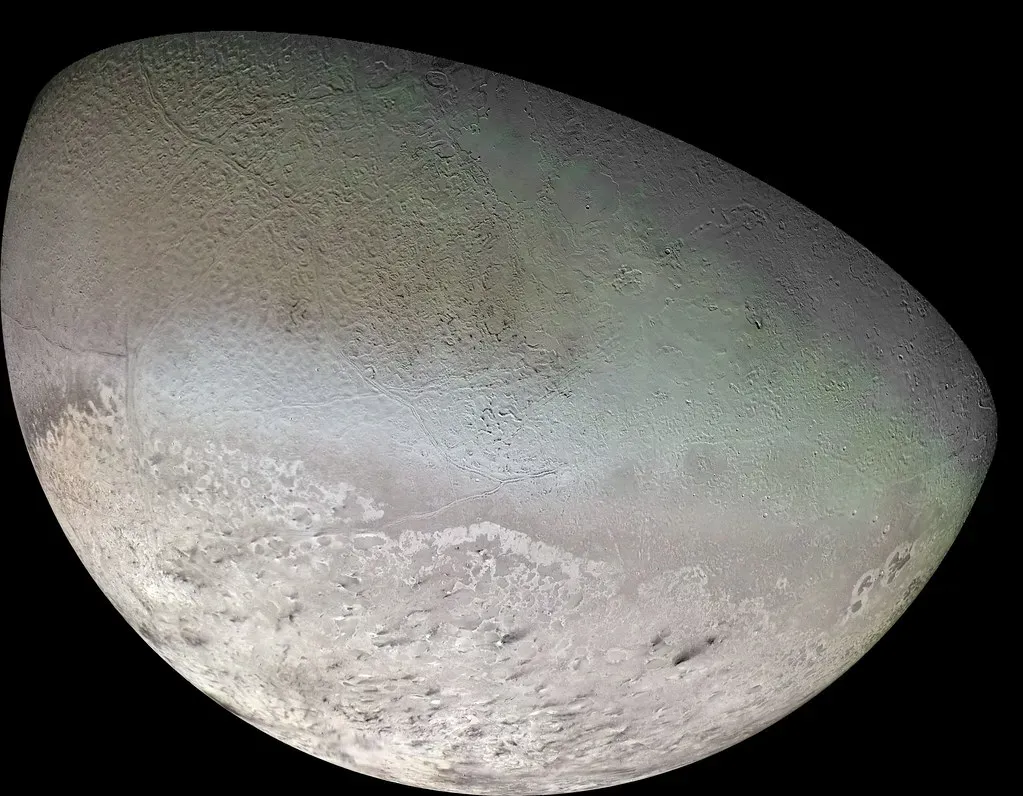
Saturn’s moon Titan presents a different kind of danger – one wrapped in an orange haze of toxic gases. The surface temperature hovers around negative 179 degrees Celsius, cold enough to freeze methane and ethane into liquid lakes and seas. These hydrocarbon lakes are chemically similar to natural gas on Earth, meaning they’re flammable and poisonous to human life. The thick nitrogen atmosphere, laced with organic compounds, creates a smog that would make any attempt at visibility nearly impossible. Walking on Titan would be like wading through a cryogenic chemical factory.
Neptune: Where Winds Reach Supersonic Speeds
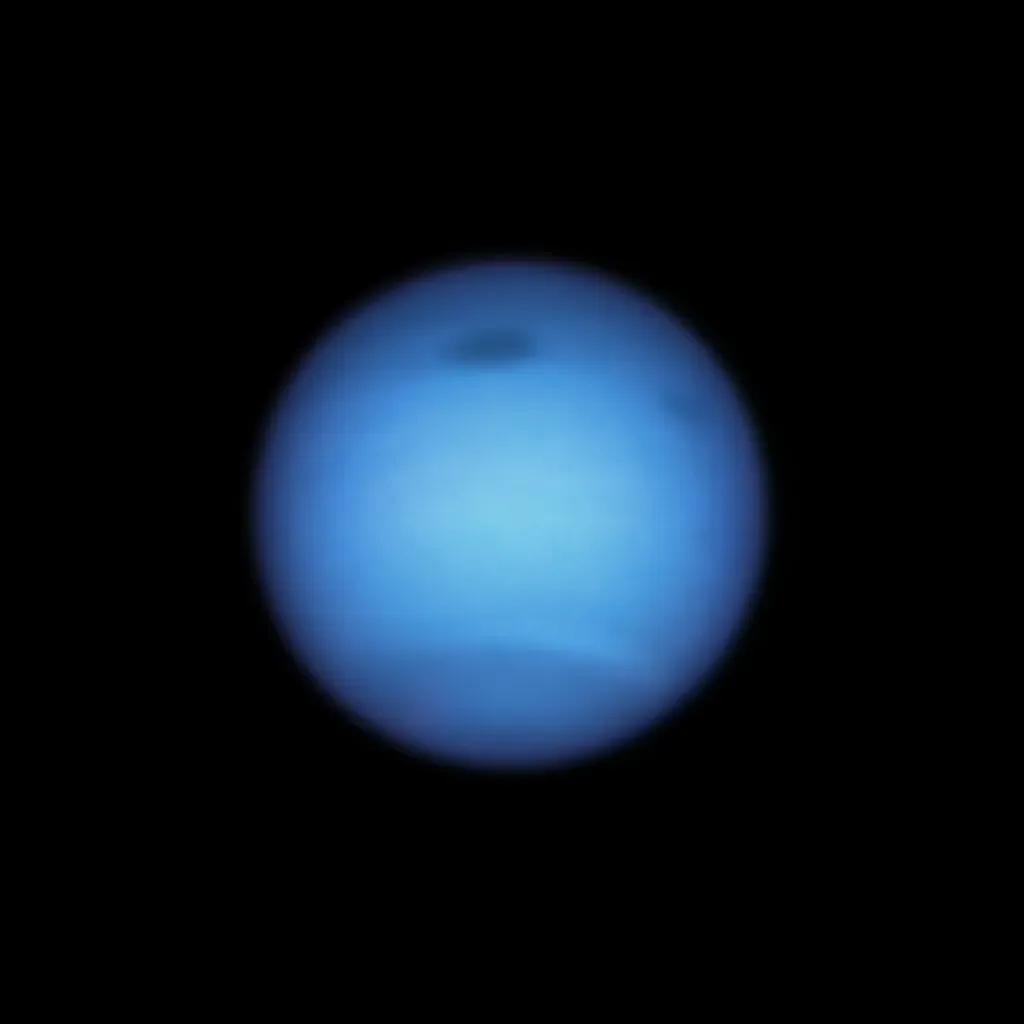
Neptune holds the record for the most extreme winds ever measured on any planet in our Solar System. Observations have documented wind speeds exceeding 2,000 kilometers per hour, faster than the speed of sound on Earth. These aren’t gentle breezes but raging atmospheric rivers of frozen gases moving at terrifying velocities. The distant ice giant also experiences temperatures plunging to around negative 220 degrees Celsius. In 2023, the Hubble Space Telescope captured unexpected atmospheric changes and storm reversals, proving that Neptune’s weather systems remain as unpredictable as they are violent.
Mars: The Radiation-Soaked Desert

Mars might look calm in photos, but its thin atmosphere offers almost no protection from cosmic radiation. Measurements from NASA’s Curiosity rover show that radiation levels on the Martian surface average about 40 times higher than on Earth. Without a strong magnetic field to deflect charged particles from space, anyone standing on Mars would be constantly bombarded by high-energy radiation. Prolonged exposure would dramatically increase cancer risk and damage cells. This is one of the biggest challenges for future human missions – you can’t just step outside without serious consequences for your health.
Europa: Jupiter’s Irradiated Ice Moon
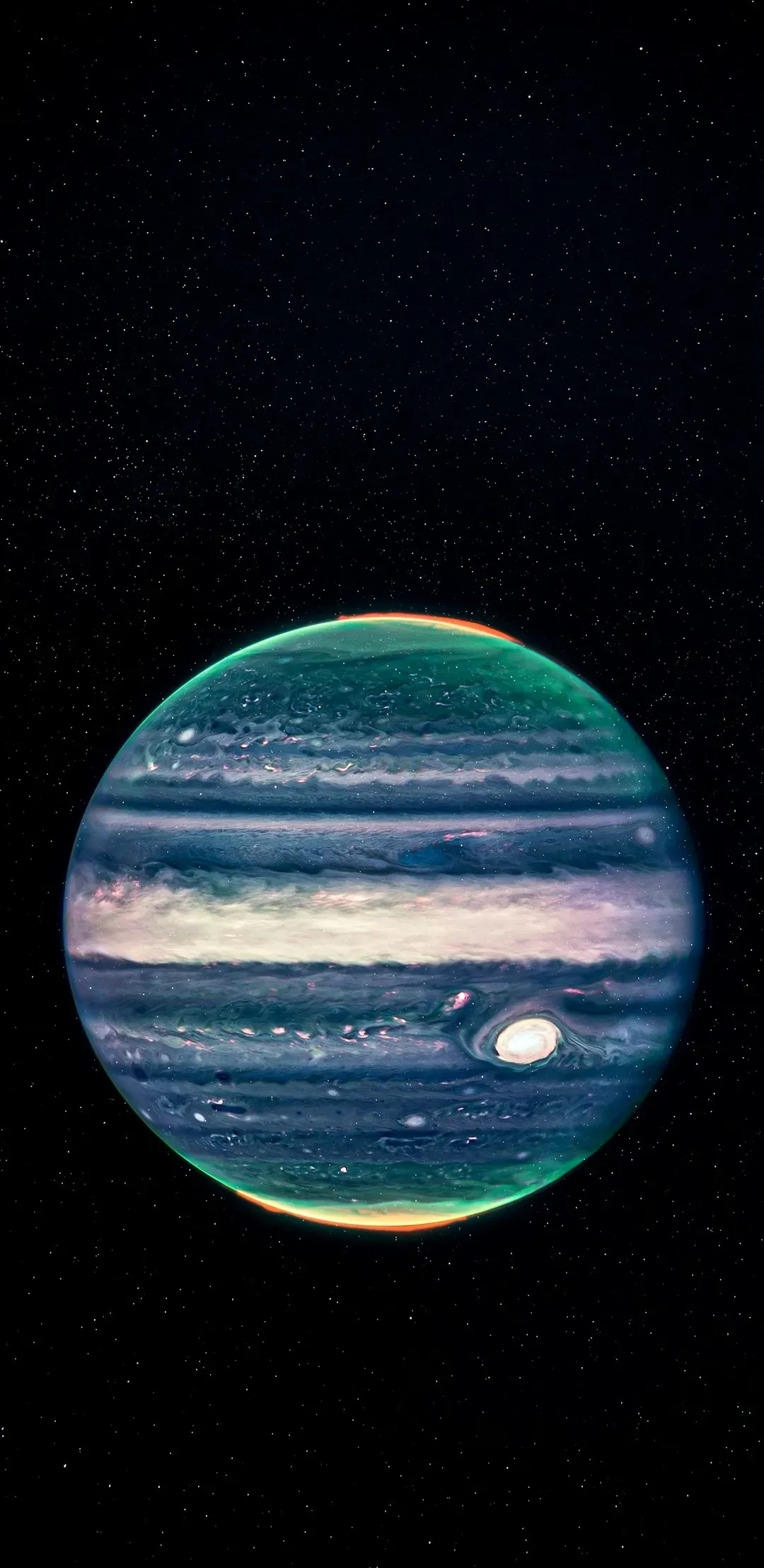
Europa is the closest orbiting of the three Jupiter’s large Galilean moons to be visited by spacecraft – any human astronaut that lands there would receive a lethal radiation dose on a timescale of hours. Trapped within Jupiter’s massive magnetosphere, Europa gets pummeled by intense radiation from accelerated particles. Studies using data from the Juno mission in 2023 showed that radiation doses on Europa’s surface exceed safe limits by hundreds of times. Even with protective shielding, the moon’s surface remains essentially uninhabitable. The subsurface ocean might harbor life, but reaching it means navigating one of the most radiation-soaked environments in the inner Solar System.
The Kuiper Belt: Cold, Dark, and Deadly
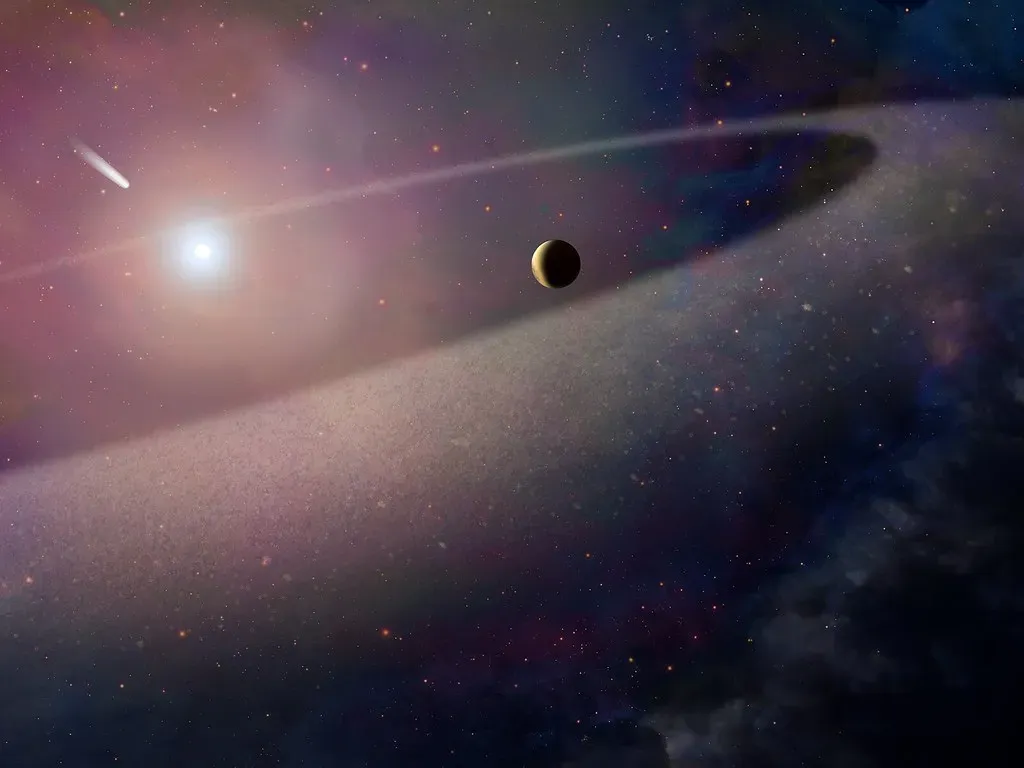
Beyond Neptune lies the Kuiper Belt, a vast region filled with icy debris left over from the Solar System’s formation. Temperatures plunge to around negative 230 degrees Celsius, cold enough to freeze almost any substance solid. The darkness is nearly absolute, with the Sun appearing as just a bright star. High-velocity debris poses constant collision threats to any spacecraft attempting to traverse this region. NASA’s New Horizons mission provided the primary data on this distant frontier, with updated hazard modeling published in 2024 confirming that navigating the Kuiper Belt requires extreme caution. It’s a reminder that even empty space has dangers lurking in the void.
Human exploration has come a long way, yet these ten locations remind us just how fragile we are. The Solar System is beautiful, yes. Fascinating, absolutely. Safe? Not even close. What do you think – would you risk it all to see any of these places up close?