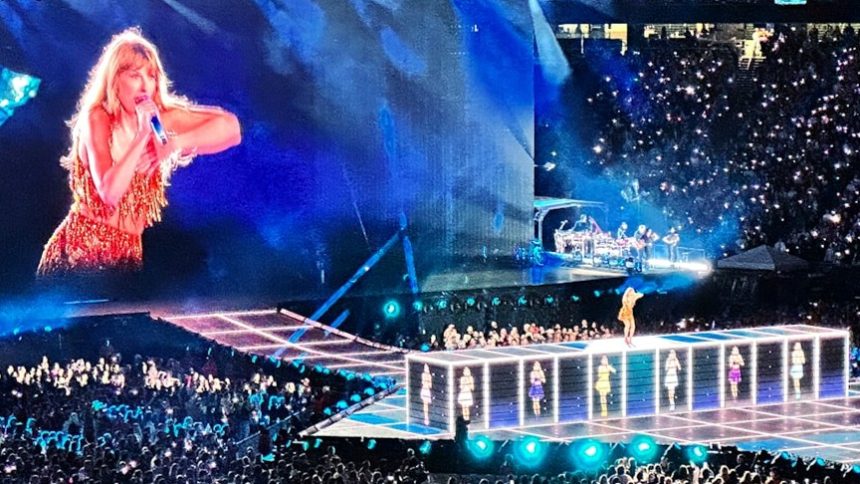
There is something almost irrational about paying thousands of dollars to stand in a crowd and watch someone perform for a couple of hours. Yet millions of people do it, year after year, stretching their budgets to unthinkable limits just to say they were there. Concert ticket prices have become one of the most jaw-dropping economic stories in entertainment, and honestly, it shows no sign of stopping.
From legendary rock reunions to era-defining pop spectacles, the numbers attached to some of these tickets will genuinely make your jaw drop. Some feel justified. Others feel like daylight robbery. Let’s dive in.
Led Zeppelin’s 2007 O2 Reunion: The $168,000 Ticket That Started It All
Let’s be real, no list of outrageously expensive concert tickets can begin anywhere other than here. In 2007, the revered rock group Led Zeppelin redefined the meaning of high-priced concert tickets when, after nearly two decades, the band reunited for a tribute show at London’s O2 Arena in honor of Ahmet Ertegun, the founder of Atlantic Records. It was not just a comeback show. It was a once-in-a-generation event, the kind that music lovers talk about for decades.
The reunion show attracted more than 20 million ticket requests, setting a world record for the highest demand for tickets in the history of music concerts. Think about that for a second – 20 million people chasing a single night of rock music. While the base price for tickets was set at $250, one Led Zeppelin mega fan paid a stunning $168,000 for a pair of tickets sold at a charity auction, at $84,000 each.
When a seat became available for nearly $15,000 on the resale market, there was someone out there more than willing to pay the price. The proceeds supported the Ahmet Ertegun Education Fund, which funds scholarships across the US, Turkey, and the UK, adding a layer of purpose to the madness.
Michael Jackson’s “This Is It”: The Concert That Never Happened
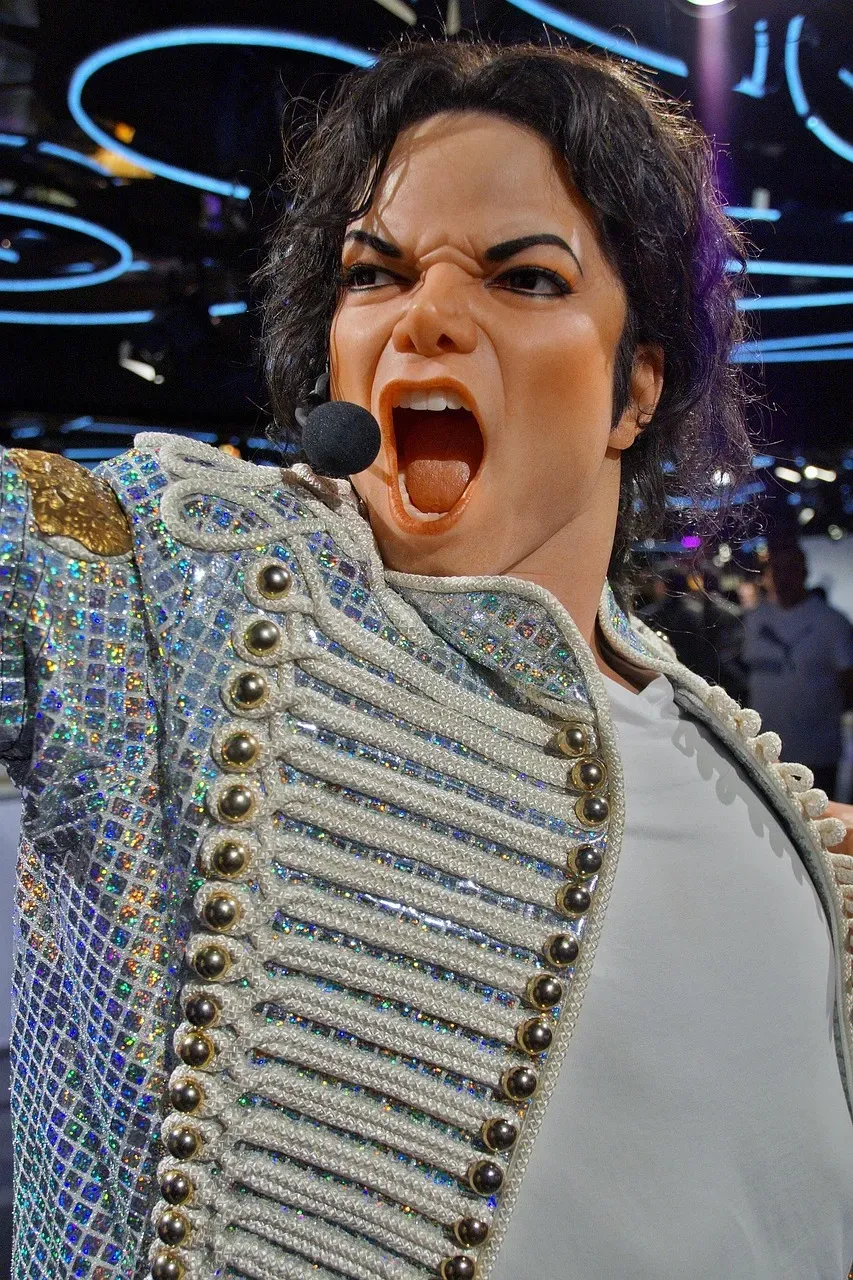
I think this one is the most emotionally charged chapter in the entire story of expensive concert tickets. Michael Jackson’s “This Is It” was a planned concert residency scheduled to take place at the O2 Arena in London between July 13, 2009 and March 6, 2010 – until the concerts were cancelled following Jackson’s death on June 25, 2009. The anticipation had already pushed ticket prices to extraordinary levels before tragedy struck.
Tickets were limited to four per household at a cost of up to $105 for general admission, with VIP tickets costing up to $1,100. Tickets had already appeared online for resale, with one seller seeking $35,000 for VIP tickets to the opening show. The sheer hunger to see the King of Pop return to the stage was unlike anything the industry had seen.
The cancelled shows and record-breaking ticket sales made Jackson’s planned residency known as “the greatest concerts that never happened.” More than 1.5 million fans caused two sites offering pre-sale tickets to crash within minutes of going online. Some of those unused tickets later became collector’s items, adding yet another surreal chapter to the story.
Taylor Swift’s Eras Tour: A Pricing Phenomenon Like No Other
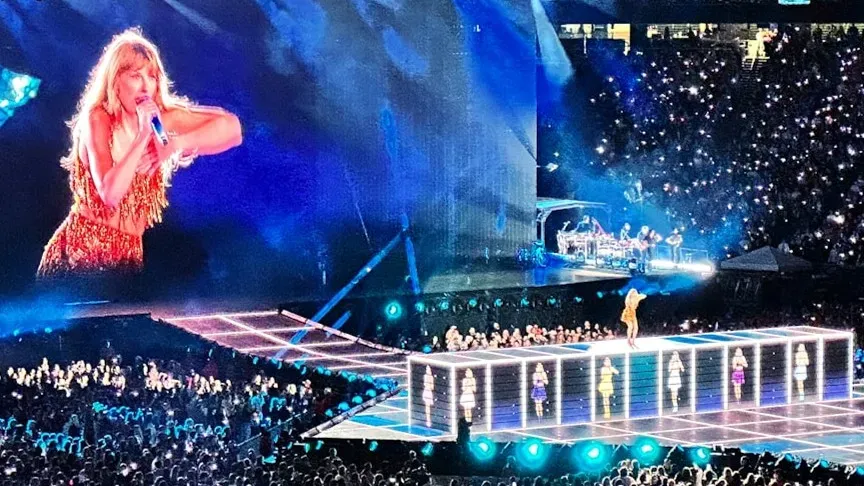
Here’s the thing about Taylor Swift’s Eras Tour – the numbers are so extreme they barely feel real. The pop icon’s median ticket price for her 2024 Eras Tour reached a staggering $3,525, claiming the top spot for highest-priced tickets of the year. That is the median, meaning half of all buyers paid even more than that. For a single night of pop music.
The Eras Tour tickets broke records, reaching staggering heights of $14,000 per pass for certain highly anticipated shows on resale sites. The frenzy was driven by dynamic pricing models and the fierce loyalty of Swift’s fanbase, the “Swifties,” with many tickets snapped up within seconds of going on sale, only to reappear at much higher prices.
The public’s frustration with needing to pay exorbitant prices boiled over when Ticketmaster executives blamed a massive bot attack for crashing its website as tickets went on sale for Taylor Swift’s Eras Tour, leaving countless fans unable to use their presale codes to make purchases. The incident became a flashpoint for a much bigger conversation about how the ticketing industry actually works.
Elton John’s Farewell Yellow Brick Road Tour: Saying Goodbye at $4,500 a Seat
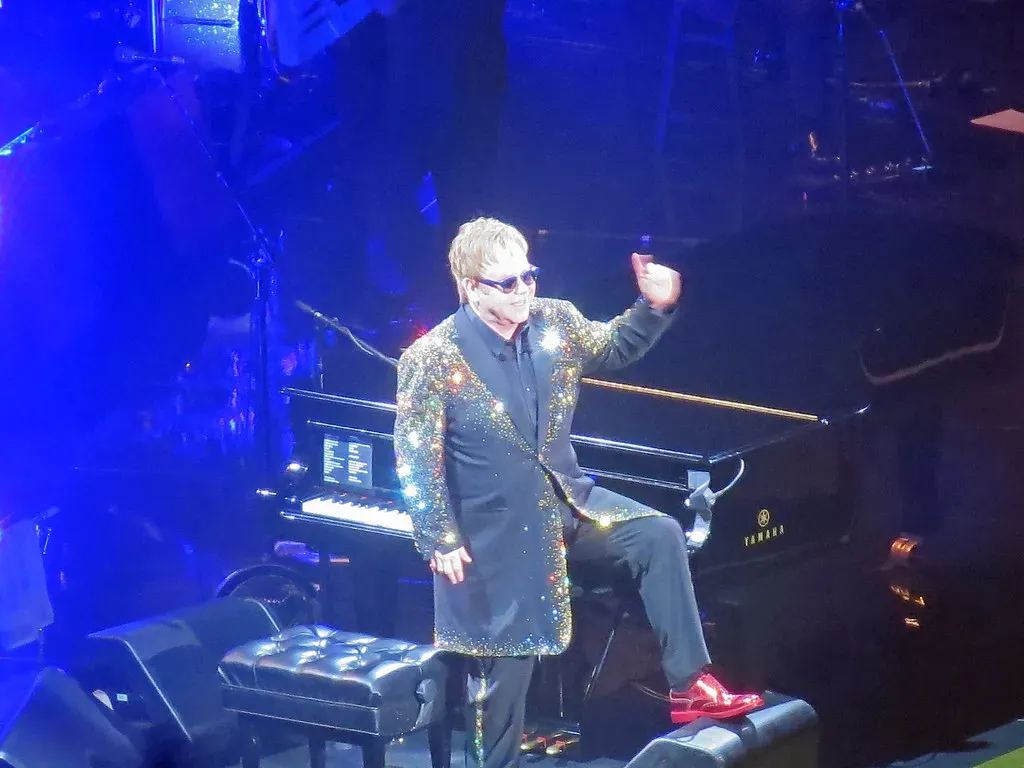
When a legend announces their final tour, fans respond in a very predictable way: they open their wallets wider than they ever have before. Elton John’s Farewell Yellow Brick Road Tour was billed as his final tour, and fans responded by snapping up tickets at record prices, sometimes over $3,500 for premium seats. The emotional weight of saying goodbye to a 50-year career turned every show into something sacred.
General admission tickets for his final tour averaged around $1,000, but VIP packages reached up to $4,500 per person. With over 300 shows and grossing over $896 million, Elton John’s farewell tour earned the distinction of being one of the highest-grossing music tours ever. The sheer longevity and scale of the production justified much of the cost, though plenty of fans still felt the pinch.
Beyoncé’s Renaissance Tour: Queen Bey Commands Queen Prices
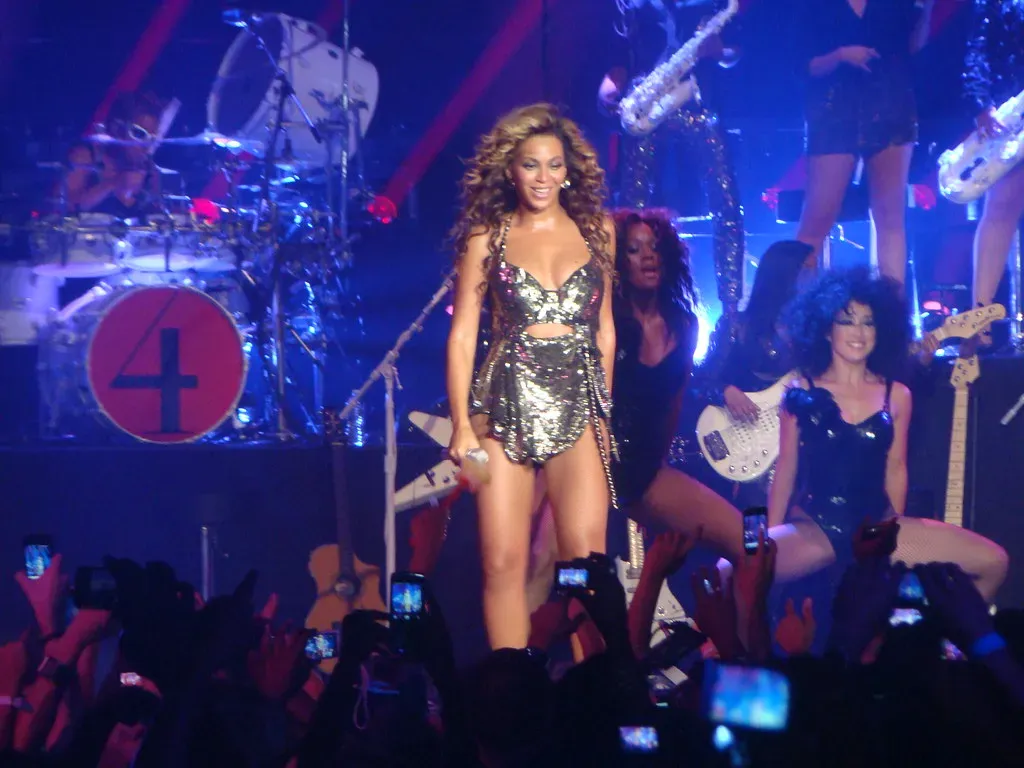
Nobody in the modern era commands the live stage quite like Beyoncé. Beyoncé’s Renaissance Tour in 2023 saw ticket prices reach jaw-dropping heights, with some fans shelling out more than $3,000 for prime spots and VIP experiences. These are not simply concert tickets. They are cultural events dressed in sequins and laser lights.
An average seat for the Renaissance World Tour required around $350, but fans had to pay anywhere between $900 and $3,000 for better seating and front-row access, with prices in some cities going as high as $5,000. In certain cities, the premium package commanded a price of $5,000, proving that witnessing Beyoncé in her element comes at a luxurious cost.
The Beyhive snaps up passes in a heartbeat, eager to see grand lighting rigs, meticulously coordinated backup dancers, and cameo appearances from special guests. The synergy between Beyoncé’s artistry and her massive fan dedication makes each performance more than just a concert – it’s a cultural milestone that justifies the top-tier price.
The Rolling Stones’ 50 & Counting Tour: Rock Royalty at $1,000 a Ticket
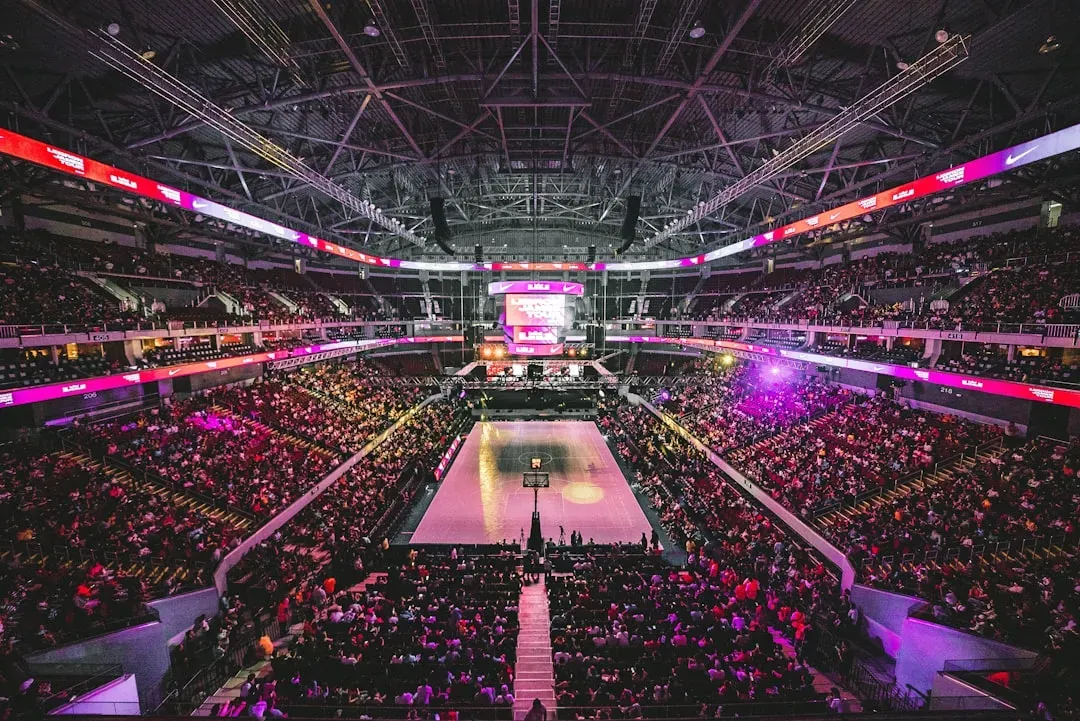
Fifty years of rock and roll. That is what the Rolling Stones were celebrating with their 2012 anniversary tour, and fans were willing to pay serious money to mark the occasion. The Rolling Stones’ “50 & Counting” tour, held globally in 2012 and 2013 for their 50th anniversary, earned over $460 million, with tickets averaging $1,000, making it one of the most expensive tours ever.
Think of it like this: paying $1,000 to see the Stones is almost a rite of passage for a certain generation of rock fans. The band’s earlier A Bigger Bang Tour had set a Guinness World Record for the most profitable tour of all time, raking in an inflation-adjusted sum in excess of $558 million. The Stones had already proved they could command extraordinary sums, and the anniversary tour only pushed things further.
Bruce Springsteen’s 2023 Tour: The Boss Sparks a National Debate
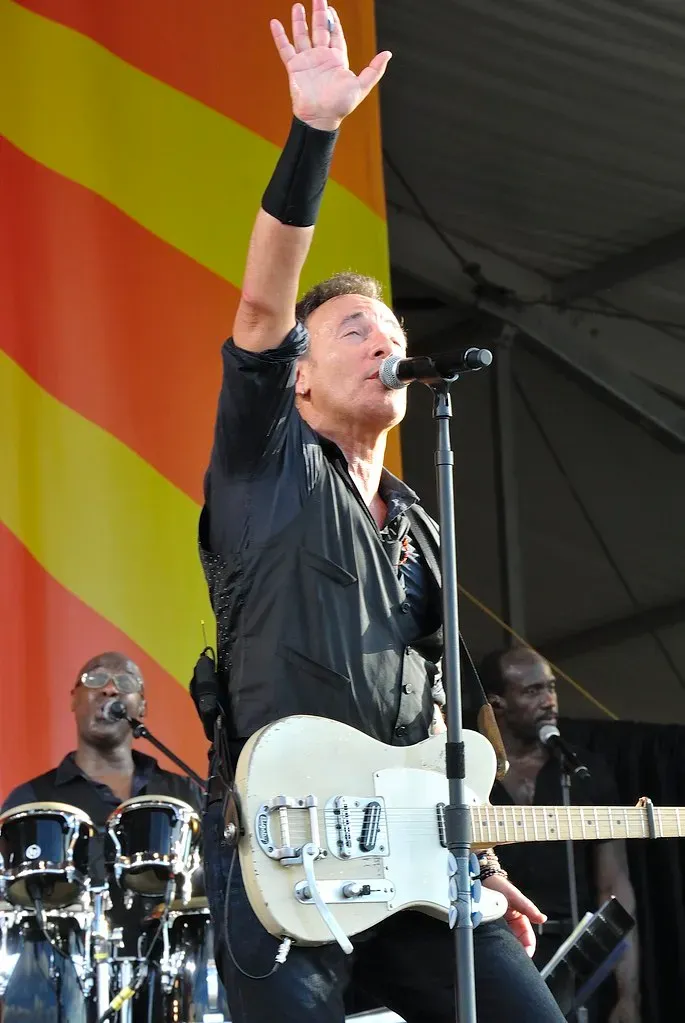
When Bruce Springsteen, an artist long associated with working-class values and blue-collar music, started selling tickets for thousands of dollars, the backlash was immediate and fierce. Ticketmaster’s flexible pricing for Bruce Springsteen’s 2023 show attracted major controversy, with fans paying up to $5,000 for seats. For an artist who built his reputation on accessibility and authenticity, this felt like a contradiction.
Springsteen’s 2023 tour received criticism for charging up to $5,000 for tickets, leaving some fans disheartened and questioning the ticketing platform’s pricing policy. The controversy was so significant that Springsteen himself responded. Springsteen later said that he would be open to reducing the cost of future shows. Honestly, that admission said a lot about how badly the situation had been handled.
Adele’s Las Vegas Residency: Intimacy at a Premium
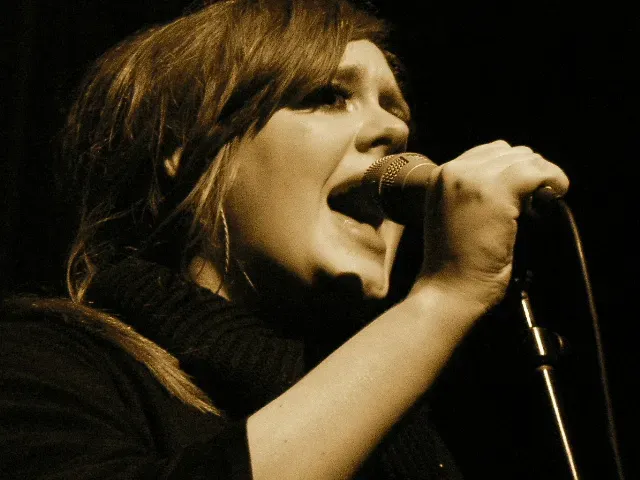
There is something particularly compelling about the idea of seeing Adele perform live, in an intimate residency setting, in one of the world’s most opulent venues. Naturally, that intimacy came with an eye-watering price tag. Adele’s continuation and end of her Las Vegas residency boasted a median ticket price of $2,079, with the singer performing 32 dates over 2024 at The Colosseum at Caesar’s Palace.
For shows at the Las Vegas residency, seat prices often crossed $350 for mezzanine spots, with prime-floor seats hitting $500 to $800. Meanwhile, resale tickets reached $2,000 or more, driven by enthusiasts who saw her performances as once-in-a-lifetime chances to witness her raw vocal magic. The economics of a residency are fascinating. A fixed location, limited capacity, and a world-class performer equals astronomical prices.
Dynamic Pricing and Scalper Bots: The Hidden Engine Behind High Prices
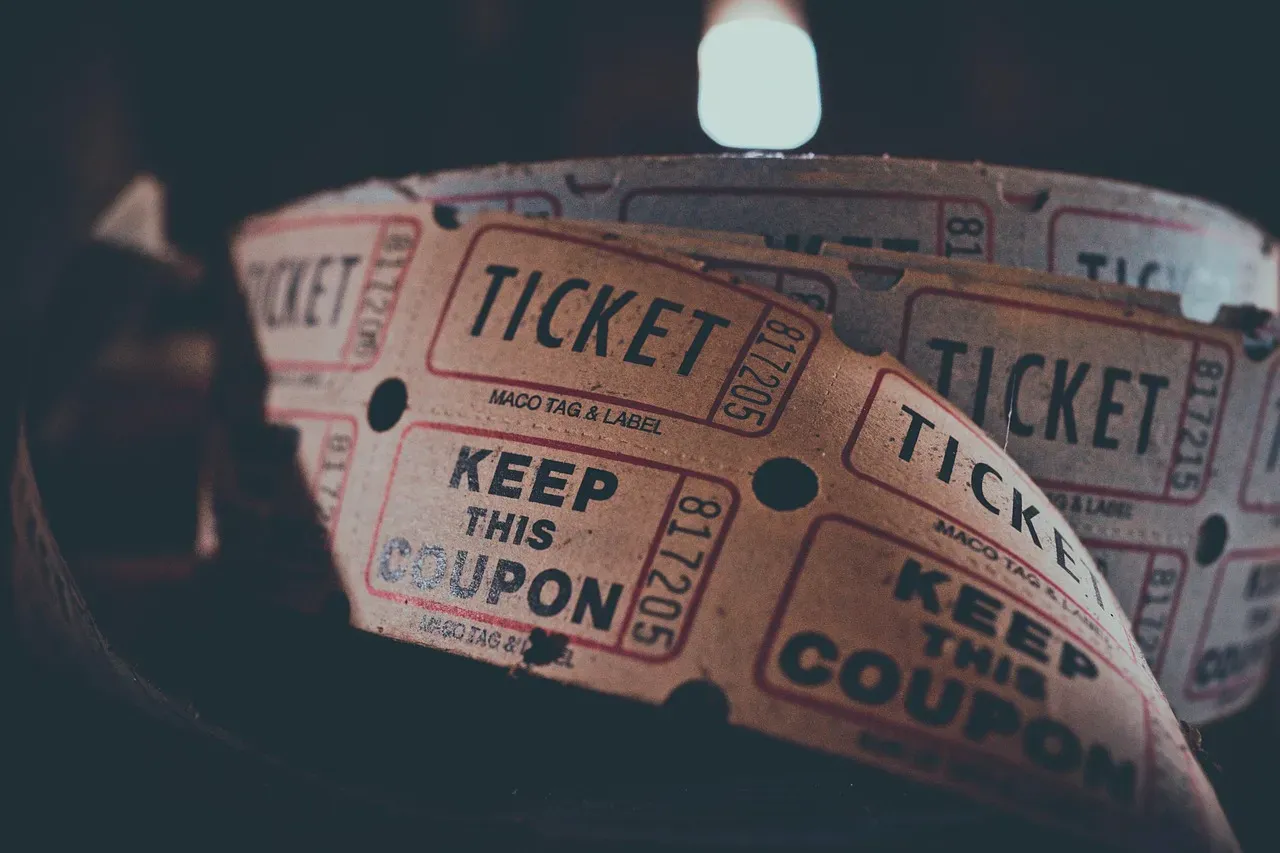
None of these prices exist in a vacuum. Behind nearly every eye-watering ticket cost is a machine of dynamic pricing algorithms and automated scalper bots that most fans never see. Dynamic pricing, where ticket prices fluctuate based on real-time demand, is an approach already common in the airline and hotel industries, aimed at setting prices as close as possible to what individual consumers are willing to pay.
Bots make up almost 40% of all ticketing website traffic. In one recent high-profile concert ticket sale, 96% of traffic came from bots and uninvited visitors, with just 138,000 out of 3.3 million requests coming from legitimate, trusted visitors. Those numbers are staggering, and they explain why genuine fans so often feel like the system is rigged against them.
In September 2025, the Federal Trade Commission, joined by attorneys general from seven states, filed a major lawsuit against Ticketmaster and Live Nation, alleging that the companies colluded with brokers, allowed bulk purchases that violated ticket limits, and engaged in deceptive pricing practices that misled consumers. It is the most significant legal challenge to the ticketing industry in decades, and it signals a real reckoning may finally be coming.
The Bigger Picture: Why Fans Keep Paying Anyway
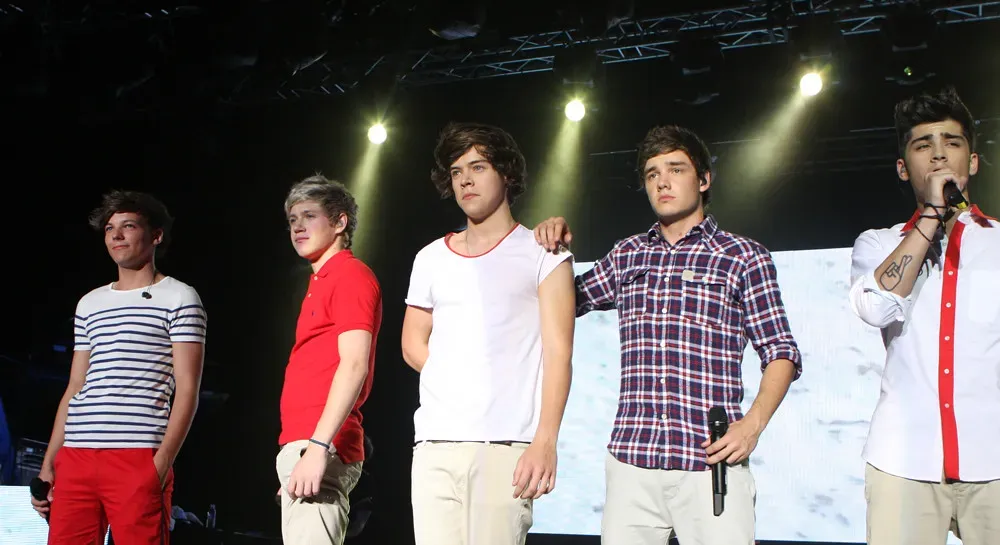
So why do people keep paying? Honestly, it comes down to something that no price tag can easily quantify. Live music demand has surged back in the post-pandemic era, and ticket prices have reached record highs. In 2024, the average face-value price to attend a concert in North America was approximately $135.92 for top tours, the highest on record and part of a years-long upward trend.
While inflation-adjusted prices for the most affordable tickets have remained relatively stable, the highest-priced tickets have surged. This means that premium tickets are becoming more expensive, but budget-friendly options are still available. The gap between the cheapest and most expensive seat at any given show has never been wider. It is, in many ways, a reflection of broader economic inequality.
The average cost for a concert was $135.92 in 2024. In 2019, it was $91.86. In 1996, the average ticket price would have set you back $25.81 – roughly $51 in today’s dollars. The trajectory is unmistakable. Live music is becoming a luxury experience, and for better or worse, the market has decided that is exactly what it should be.
For fans who have scraped together savings to attend a single show, only to watch someone in the front row who clearly paid ten times as much, the emotional math is complicated. A concert ticket is never just a ticket. It is a memory, a moment, a piece of identity. The question that lingers long after the lights go down is simply this: at what price does that memory stop being worth it?