There’s something magical about a line that sticks with you forever. You know the ones. Those lyrics that flash through your mind at random moments, that give you goosebumps every single time, or that perfectly capture a feeling you couldn’t put into words yourself. Music has this incredible power to freeze time, to tell stories, and to connect us all through shared emotions.
But what makes a lyric truly iconic? Is it the poetry? The raw honesty? Maybe it’s just about being in the right place at the right time when a song hits you. Throughout music history, certain lines have transcended their songs and become part of our cultural DNA. They’ve been quoted, tattooed, and whispered during life’s biggest moments. Let’s explore some of the most unforgettable lyrics ever penned.
When Bob Dylan Rewrote the Rules

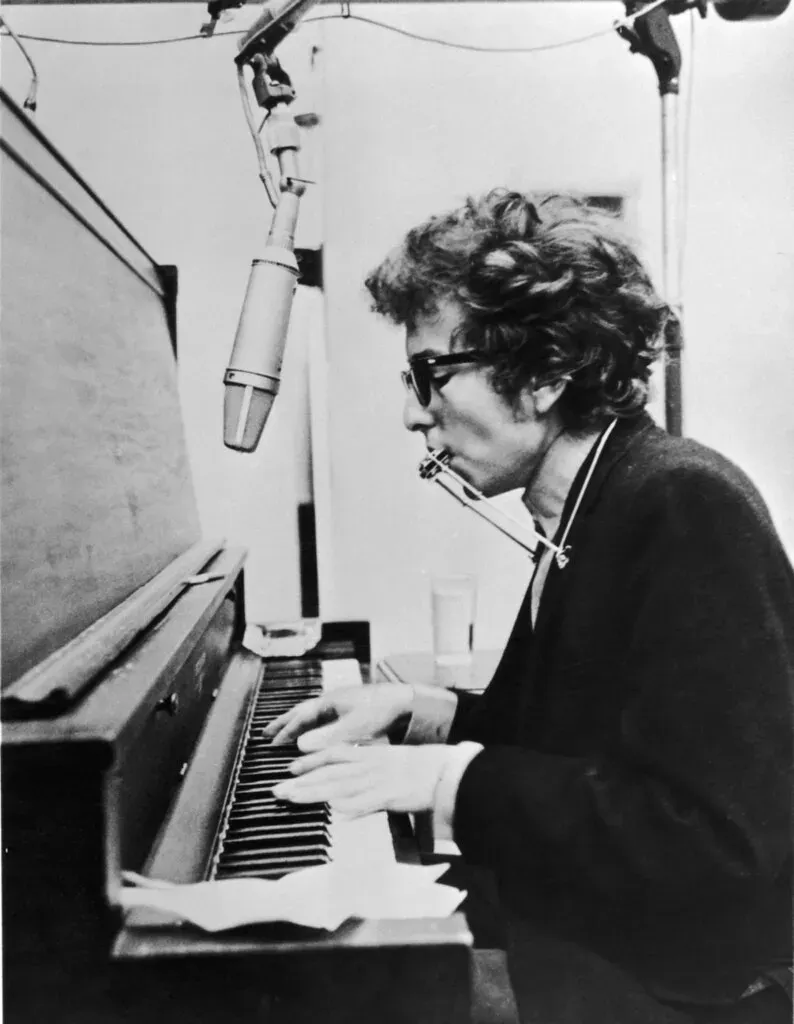
Bob Dylan changed everything when he brought poetry into popular music. His ability to craft imagery that felt both timeless and urgent created a new blueprint for what lyrics could be. Lines from his work became anthems for entire generations seeking change and meaning.
What made Dylan’s writing so powerful was its ambiguity. He never spelled everything out. Instead, he painted pictures with words and let listeners find their own truth. That approach might sound risky, but it’s exactly what made his work endure.
His influence rippled through every genre that came after. Rock, folk, country, even hip-hop owe something to the way Dylan proved that popular music could be intellectually substantial. The man showed that you didn’t have to choose between commercial success and artistic integrity.
The Raw Emotion of John Lennon’s Honesty

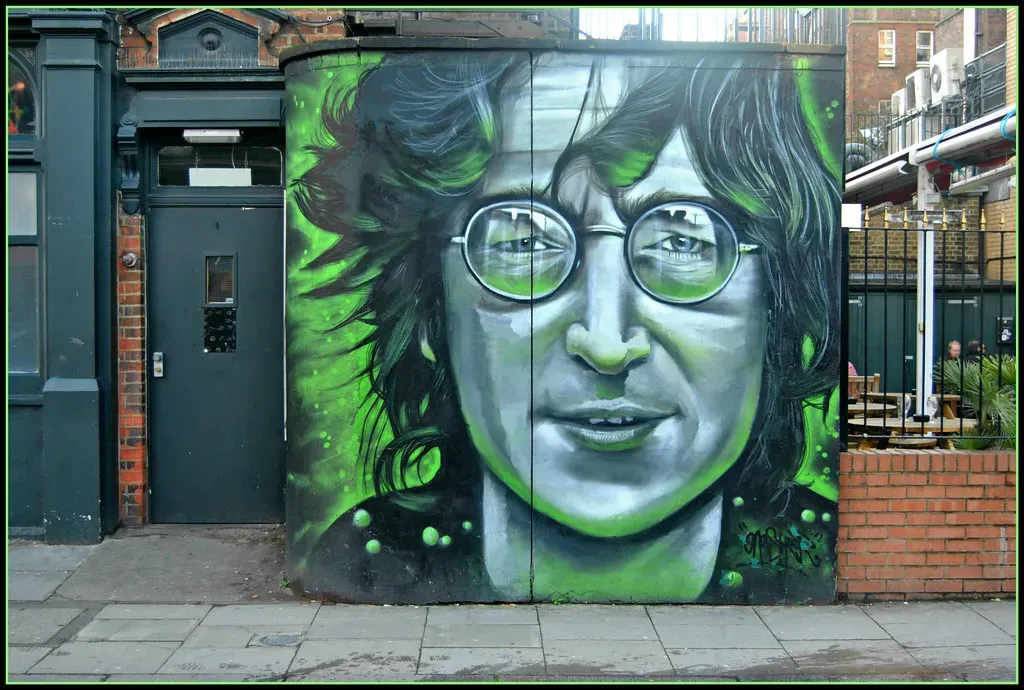
John Lennon had this gift for vulnerability that felt almost uncomfortable at times. He wasn’t afraid to expose his fears, his pain, or his hopes in the most direct way possible. When he wrote about peace, loss, or love, you believed every word because you could hear the truth in his voice.
His solo work especially showcased this willingness to be completely open. Lennon stripped away pretense and just told you exactly what he was thinking and feeling. That kind of honesty was rare in the early seventies, and it’s still rare today.
The beauty of his approach was its simplicity. He didn’t need elaborate metaphors or complex wordplay. Sometimes the most profound statements are the plainest ones, and Lennon understood that better than almost anyone.
Freddie Mercury’s Theatrical Genius

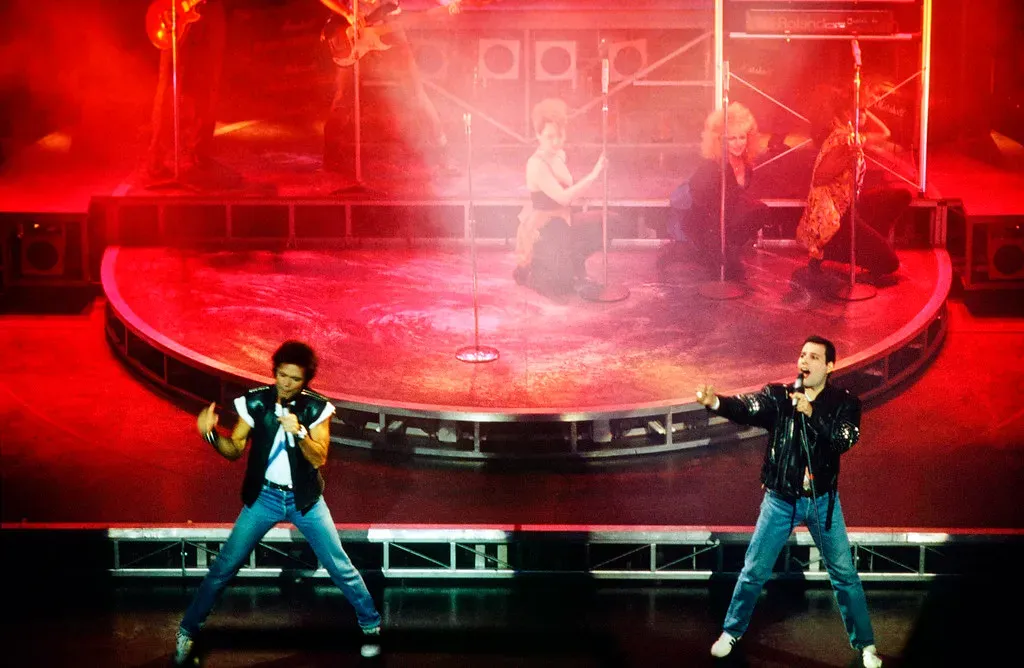
Freddie Mercury wrote like he performed on stage, with drama, passion, and an unapologetic sense of grandeur. His lyrics could be playful one moment and deeply introspective the next. Queen’s catalog is full of lines that feel larger than life because Mercury never believed in holding back.
What’s fascinating is how he blended autobiography with fantasy. You’re never quite sure what’s real and what’s theatrical invention, and that mystery adds to the allure. His wordplay was clever without being pretentious, emotional without being sappy.
Mercury also had this rare ability to write lyrics that worked both as personal statements and universal anthems. That’s not an easy balance to strike. Most songwriters lean one way or the other, but he managed to occupy both spaces simultaneously.
Joni Mitchell’s Poetic Landscapes

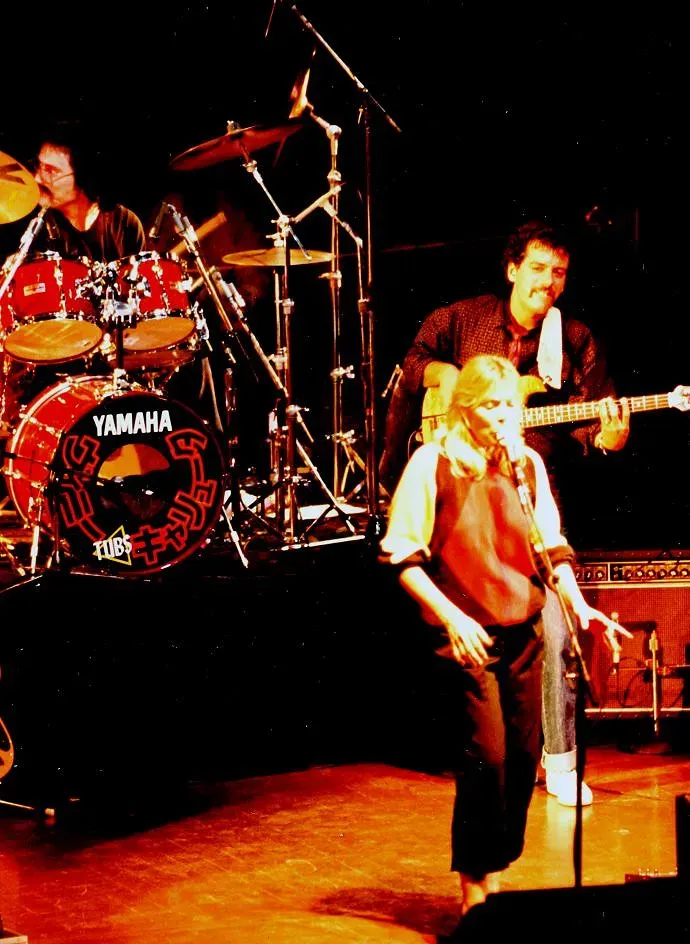
Joni Mitchell painted with words the way visual artists paint with oils and watercolors. Her lyrics created entire worlds you could step into, full of specific details that somehow felt universal. She wrote about relationships, freedom, and disillusionment with a precision that was almost surgical.
Mitchell’s genius lay in her observations. She noticed the small moments that other writers missed, the tiny gestures and fleeting thoughts that reveal deeper truths. Her work required you to pay attention, to really listen, and the reward was always worth it.
She also wasn’t afraid to be complex. Her lyrics sometimes demanded multiple listens before they fully revealed themselves. That’s actually a strength, not a weakness. Songs that give up all their secrets immediately rarely have staying power.
The Storytelling Power of Bruce Springsteen


Bruce Springsteen writes miniature movies. His lyrics introduce you to characters with full backstories, hopes, and struggles. You can see these people, hear their voices, feel their desperation or determination. He captured working-class America with a specificity that felt both personal and epic.
The Boss has this knack for making the ordinary feel extraordinary. He found poetry in factory towns, highways, and dive bars. His songs celebrated people who rarely got celebrated anywhere else, giving voice to those who often went unheard.
What keeps his work relevant is its honesty about the American experience. He never romanticized struggle, but he also never lost hope. That balance between realism and optimism is incredibly difficult to maintain, yet he’s done it for decades.
Leonard Cohen’s Dark Romanticism

Leonard Cohen approached songwriting like a novelist working on a particularly difficult passage. His lyrics were dense with literary references, religious imagery, and philosophical musings. Yet somehow they never felt academic or distant. Cohen found a way to make complexity feel intimate.
His voice added so much to his words. That deep, weathered baritone made every line sound like a hard-won truth. Cohen wrote about love, spirituality, and mortality with equal parts sensuality and melancholy.
I think what makes his work endure is its timelessness. He could have his songs in any decade and they would still feel relevant. The themes he explored, the questions he asked, they’re eternal. That’s rare in popular music.
Paul Simon’s Intricate Craftsmanship

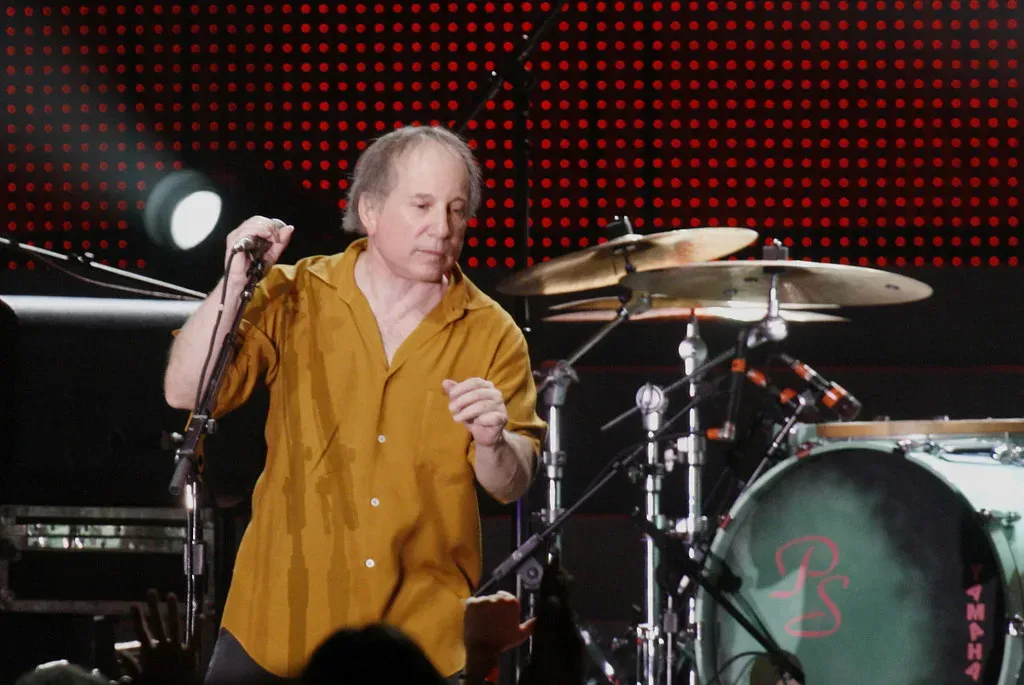
Paul Simon is a craftsman in the truest sense. Every word feels deliberately chosen, every line carefully constructed. His lyrics have a musical quality even when read without melody. Simon combined folk traditions with modern sensibilities to create something uniquely his own.
His attention to detail is almost obsessive. Stories flow naturally, images connect in unexpected ways, and metaphors work on multiple levels. Simon proved that pop music could be sophisticated without being stuffy.
What’s impressive is how he evolved over time while maintaining his distinctive voice. From his early folk work to his later world music explorations, Simon’s lyrical intelligence remained constant even as his sonic palette expanded.
The Rebellion of Kurt Cobain

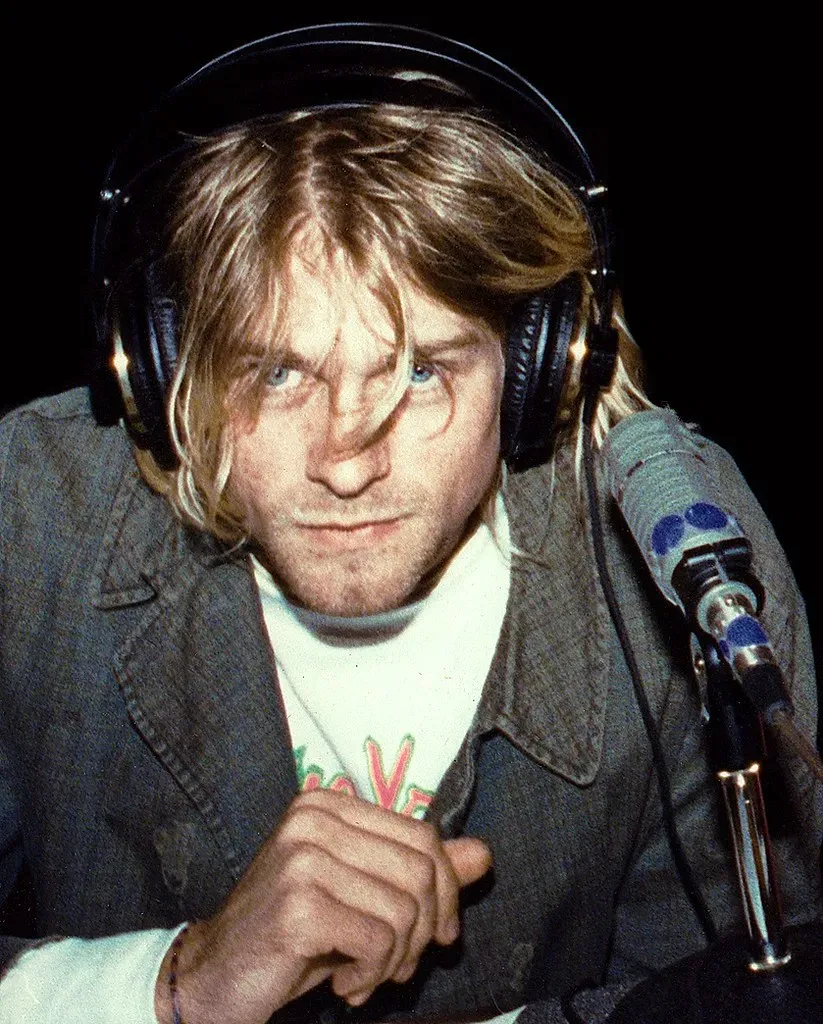
Kurt Cobain wrote from a place of raw, unfiltered emotion that felt dangerous and real. His lyrics captured alienation, anger, and confusion in ways that spoke to millions of people who felt exactly the same way. Nirvana’s words became the soundtrack for a generation that rejected polished perfection.
Cobain’s approach was deliberately anti-establishment. He mixed nonsense with profundity, made beauty out of noise, and refused to explain himself. That ambiguity frustrated some people but electrified others.
His influence on rock lyrics can’t be overstated. After Cobain, vulnerability became cool, messiness became authentic, and polish became suspect. He changed what was acceptable in mainstream rock music forever.
Johnny Cash’s Stark Simplicity
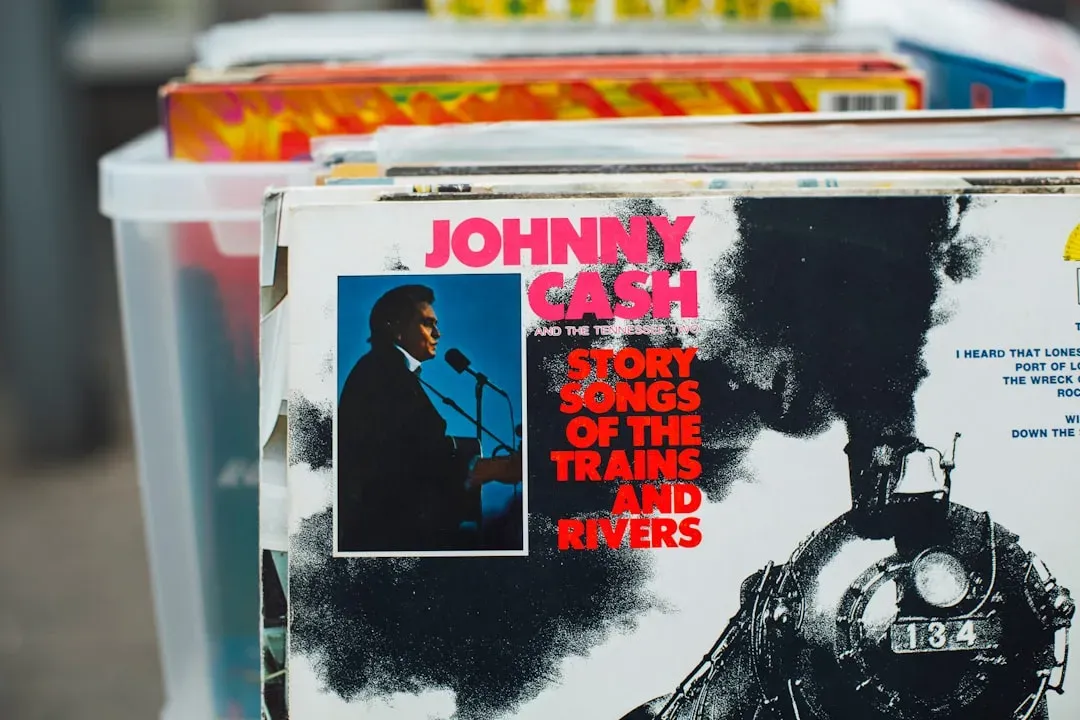
Johnny Cash dealt with big themes using the smallest possible number of words. Sin, redemption, love, death, he tackled them all with a directness that felt almost biblical. His delivery made every line sound like absolute truth.
Cash had lived the stories he sang about, and you could hear that lived experience in every syllable. There was no pretense, no artifice, just pure honesty. That authenticity is what separated him from countless other country singers.
The Man in Black also understood the power of choosing the right song. His later covers demonstrated that great lyrics transcend their original context. In Cash’s voice, modern songs became timeless hymns.
Conclusion


Great lyrics do more than rhyme or fit a melody. They capture moments, express emotions we struggle to articulate, and sometimes change how we see the world. These songwriters understood that power and wielded it brilliantly. Their words have become part of our collective memory, passed down like stories around a fire.
The beauty of iconic lyrics is that they mean different things to different people at different times. A line that comforts you today might inspire you tomorrow or break your heart next year. That’s the magic of truly great songwriting. It grows and changes with us.
What lyrics have stuck with you over the years? Which lines do you find yourself returning to when you need comfort, courage, or connection? The songs that matter most to us reveal something about who we are and what we need to hear.