The Industrial Revolution Transformed Human Existence

Economic historians agree that the onset of the Industrial Revolution is the most important event in human history, comparable only to the adoption of agriculture with respect to material advancement. Starting around 1760 in Great Britain, factories replaced handcrafted production with mechanized systems powered by steam and coal. Average income and population began to exhibit unprecedented sustained growth, with the standard of living for most in the Western world beginning to increase consistently for the first time.
The shift from agrarian communities to industrial cities happened remarkably fast. A major change of the Industrial Revolution was the rapid shift of societies from agrarian to urbanized living, with a single factory providing work for hundreds of people and new technologies making farming more productive with fewer workers. Textile factories, coal mines, and iron foundries completely reorganized the rhythm of daily life. Workers no longer controlled their own schedules.
The numbers tell a shocking story about living conditions during this period. Children represented twenty to thirty percent of factory workers by 1830, while women represented nearly fifty percent in textile mills, leading to new social dynamics. These laborers endured grueling hours for minimal wages. The world’s modern environmental problems began or were greatly exacerbated by the Industrial Revolution, which reduced the planet’s stock of valuable natural capital, and global challenges of widespread water and air pollution, reductions in biodiversity, destruction of wildlife habitat, and even global warming can be traced back to this moment in human history.
The French Revolution Introduced Modern Democratic Ideals
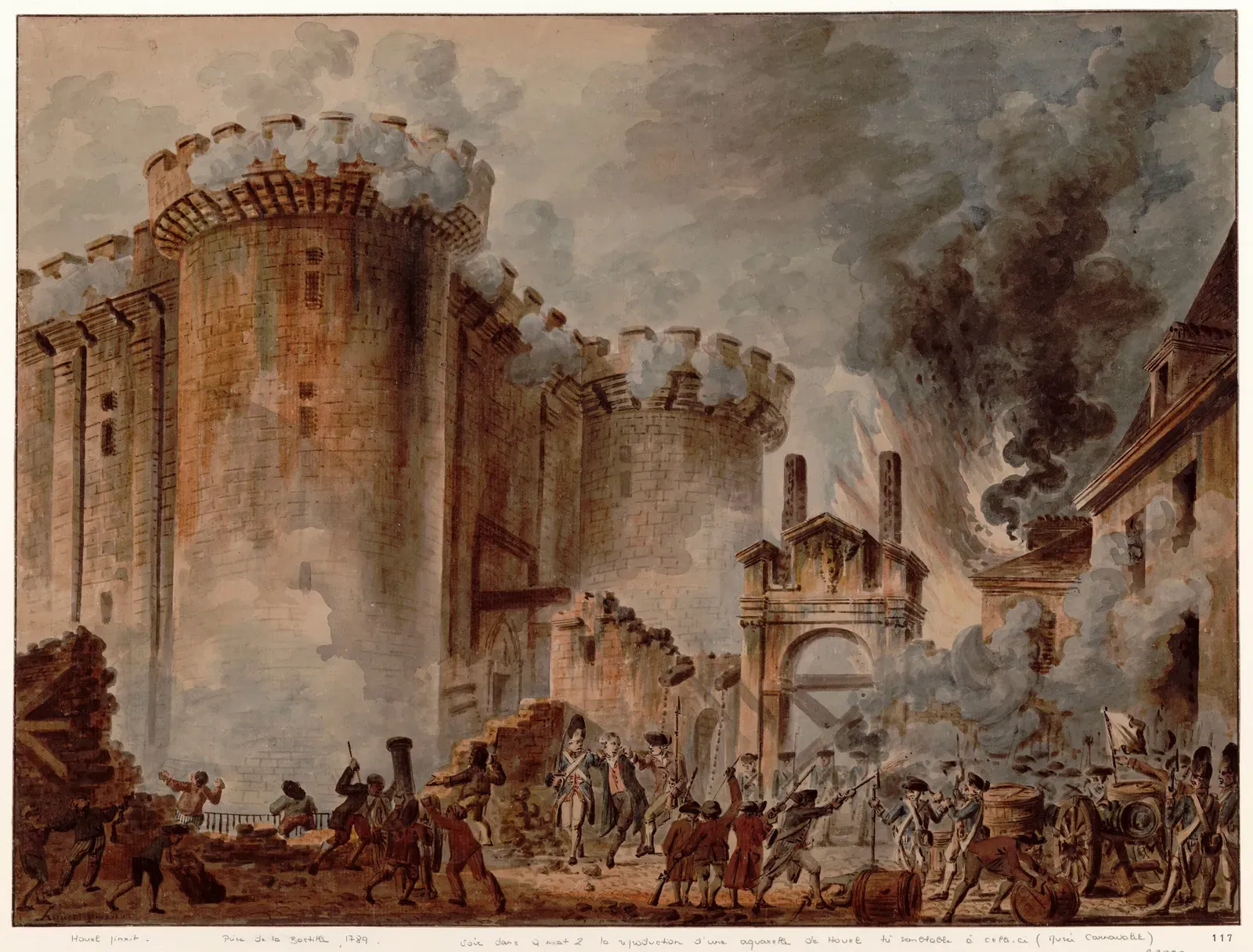
Before 1789, the concept of popular sovereignty seemed almost unthinkable to most Europeans. The French Revolution was a period of political and societal change in France that began with the Estates General of 1789 and ended with the Coup of 18 Brumaire on 9 November 1799, with many of the revolution’s ideas considered fundamental principles of liberal democracy, and its values remaining central to modern French political discourse, caused by a combination of social, political, and economic factors which the existing regime proved unable to manage.
Economic crisis ignited the spark of rebellion. France faced a series of budgetary crises during the 18th century as revenues failed to keep pace with expenditure, with the use of tax farmers meaning growth was not reflected in proportional state tax income, and as the nobility and Church benefited from exemptions, the tax burden fell mainly on the lower classes. The storming of the Bastille on July 14, 1789, symbolized the violent rejection of absolute monarchy. The Storming of the Bastille in Paris on 14 July led to a series of radical measures by the Assembly, including the abolition of feudalism, state control over the Catholic Church in France, and issuing the Declaration of the Rights of Man and of the Citizen.
The 1789 Revolution contributed to the dissemination of certain democratic values across the world, acting as a catalyst by exporting certain mechanisms for guaranteeing the equality of human beings and for codifying respect for fundamental rights, essentially changing the nature of states. Though France itself would struggle with implementing stable democracy for decades, the principles articulated during the Revolution spread across continents. It’s hard to overstate how radical these ideas seemed at the time.
The Fall of the Berlin Wall Ended the Cold War Era
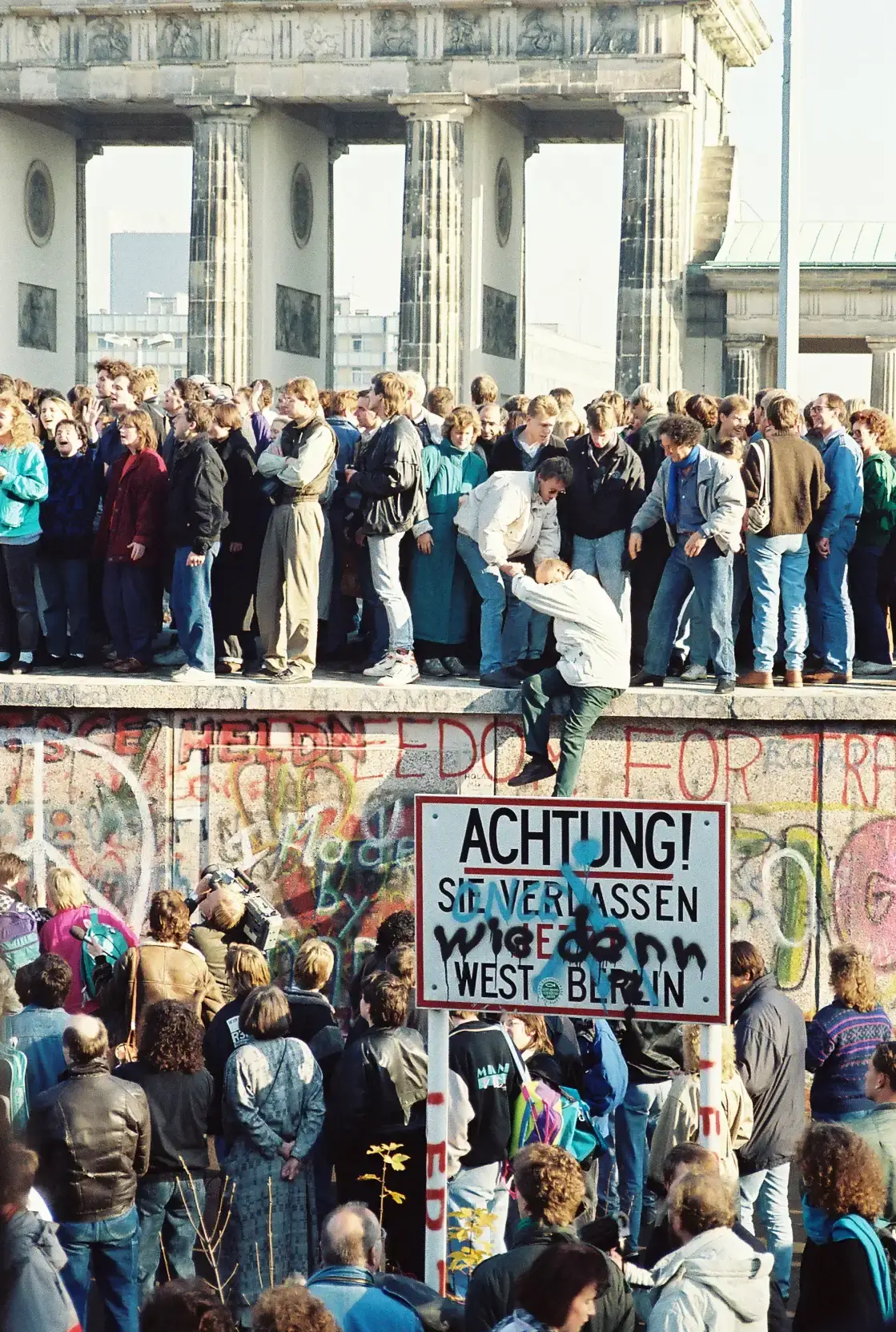
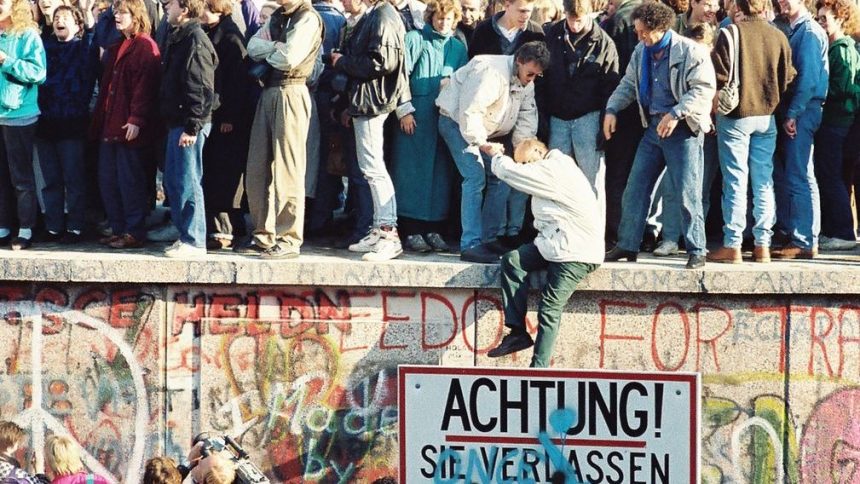
The end of the division of East and West Germany was one of history’s most powerful events, carrying heavy symbolic weight, with the toppling of the wall signifying the end of the Soviet Union, and Communist rule over Eastern Europe. When the barrier separating East and West Berlin crumbled on November 9, 1989, it represented far more than just concrete and barbed wire coming down. This moment symbolized the collapse of an entire ideological system that had dominated half of Europe for nearly half a century.
The humanitarian dimension cannot be ignored. Families who had not seen each other in years reunited, making a beautiful moment for the afflicted people. Imagine being separated from loved ones for decades by political ideology. The collapse of the Soviet Union, coupled with EU expansion and NATO security, collectively facilitated Europe’s deeper integration into the global economy, driving the globalization process, although economic and technological reforms during the post-World War II era indicated a gradual movement toward a global and unified Europe, full integration was not realized until the fall of the Soviet Union, with the collapse being a major catalyst for collective European globalization.
The geopolitical ramifications continue to shape international relations in 2026. Eastern European nations rapidly sought integration with Western institutions. The balance of power that had defined global politics since 1945 suddenly evaporated, leaving the United States as the sole superpower and creating a fundamentally different strategic environment.
The Birth of the Internet Connected Humanity
The birth of the internet would revolutionize the world on a scale no one could have ever thought possible. Developed initially as a military communication system in the late 20th century, the internet became publicly accessible and transformed into the backbone of modern civilization. Information is now available at the click of a button, people across the globe can communicate, and banking was digitized.
Let’s be real: nearly every aspect of contemporary life depends on digital connectivity. The internet fundamentally altered how we work, learn, socialize, and entertain ourselves. The modern world of globalization and readily available information would never have been possible without this fundamental invention. Distance became almost irrelevant for communication. A farmer in rural Kenya can now access the same information as a professor at Oxford.
The economic implications prove staggering when you examine them closely. Entirely new industries emerged that simply could not have existed before digital networks. E-commerce, social media, cloud computing, and streaming services have generated trillions of dollars in economic value. The pace of innovation accelerated exponentially once information could be shared instantaneously across the planet.
The Atomic Bomb Created the Nuclear Age

Hiroshima and Nagasaki’s atomic bombing by the US in 1945 was one of the major historical events that changed the world, with the Japanese surrendering due to the destruction, putting a stop to a long and costly Pacific conflict. The mushroom clouds rising over those Japanese cities on August 6 and August 9, 1945, announced humanity’s entry into an entirely new era. Suddenly, total annihilation of civilization became a real possibility rather than science fiction.
The atomic bomb had far-reaching consequences that went beyond the conclusion of WWII, demonstrating the destruction that a third global war could bring to the rest of the world, with Hiroshima’s impact and the prospect of nuclear war looming large worldwide even today. The subsequent arms race between the United States and Soviet Union created a perpetual state of tension. Strategists developed the doctrine of mutually assured destruction, the darkly ironic idea that peace could be maintained through the guarantee of mutual annihilation.
The nuclear threat fundamentally changed diplomacy and military strategy. Wars between major powers became almost unthinkable because the stakes had risen so dramatically. Instead, superpowers fought proxy conflicts in smaller nations to avoid direct confrontation. This delicate balance has prevented another world war for eight decades now, though the threat remains ever present.
Conclusion
From the factory floors of Manchester to the fall of communist regimes, from revolutionary declarations in Paris to mushroom clouds over Japan, these historical turning points created the world we inhabit today. The Industrial Revolution fundamentally altered how humans produce and consume. World War II restructured global power dynamics in ways that still resonate. Democratic ideals spread from revolutionary France across continents. The Cold War’s end opened new possibilities for international cooperation. Digital networks connected humanity in unprecedented ways. Nuclear weapons created existential threats that continue to influence international relations.
Understanding these events isn’t just academic exercise. The challenges we face in 2026 stem directly from decisions made decades or centuries ago. Economic inequality traces back to industrial capitalism’s origins. International institutions created after World War II struggle to address contemporary challenges. Democratic systems face pressures that echo revolutionary-era debates. Environmental crises result from industrial practices begun in the 18th century.
History doesn’t repeat itself exactly, but similar patterns emerge across different eras. The key lies in recognizing these patterns and learning from past successes and failures. What patterns do you see emerging in current events that remind you of these historical moments?