Music has always been a battlefield. Long before marchers took to the streets with signs and chants, they were already moving their lips to something far more powerful than any slogan: a song. There is something almost primal about the way a melody combined with words of defiance can cut straight through fear, fatigue, and despair. Honestly, it is hard to explain why protest songs hit differently from a political speech or a newspaper headline, but they do, every single time.
Through powerful lyrics, catchy melodies, and accessible instrumentation, protest music has historically been a medium used to challenge systems of oppression, promote social changes, and unify people behind common causes. The songs in this gallery represent more than just music. They are documents of history, distress signals, and battle cries all at once. Get ready to be surprised by what these tracks actually changed.
1. “Strange Fruit” – Billie Holiday (1939)
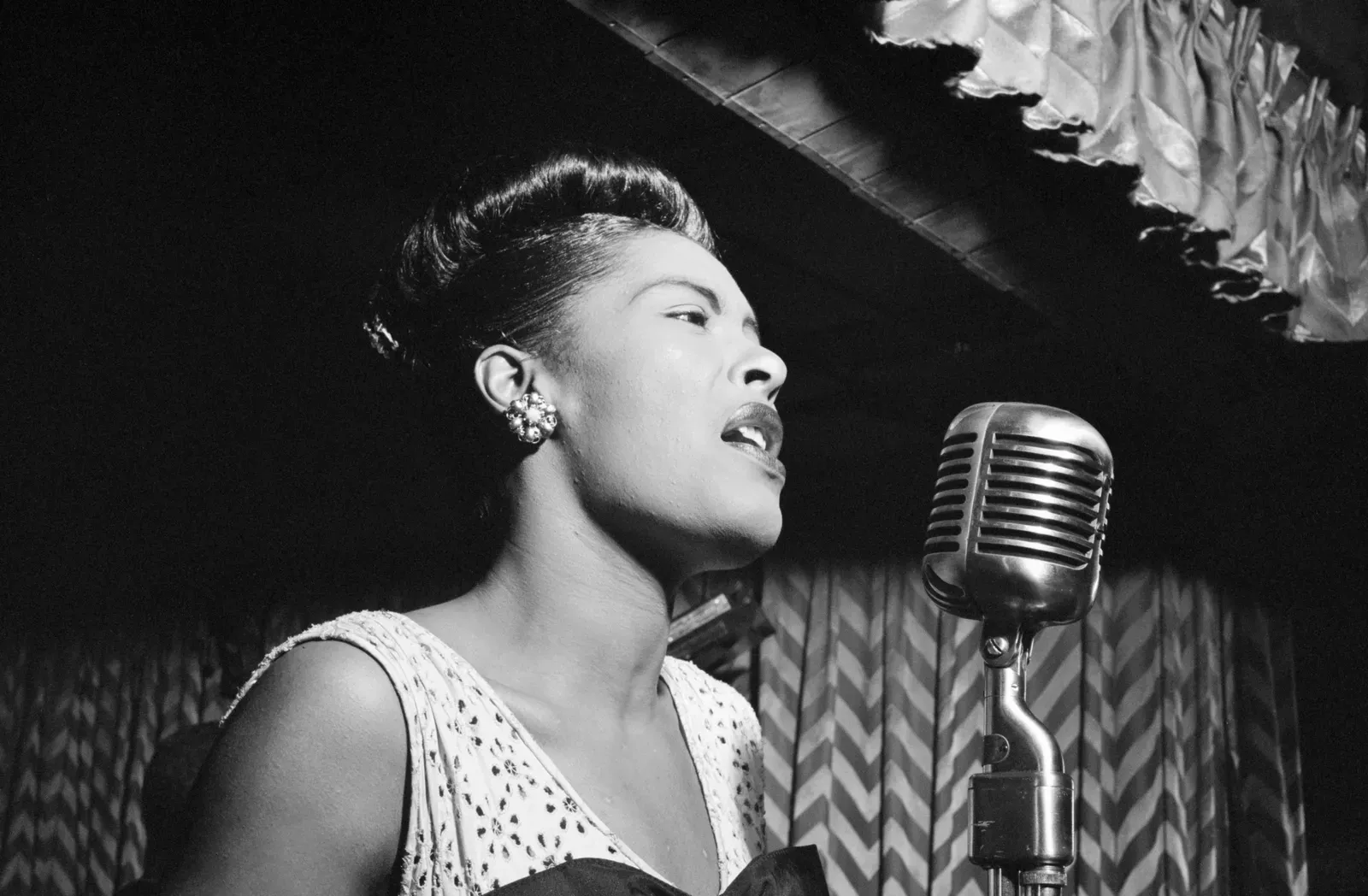
Few songs in all of recorded history carry the kind of gut-punch weight that “Strange Fruit” does. “Strange Fruit” was written and composed by Abel Meeropol and recorded by Billie Holiday in 1939. The lyrics were drawn from a poem by Meeropol, published in 1937. The song protests the lynching of African Americans with lyrics that compare the victims to the fruit of trees.
Between 1877 and 1950, over four thousand Black people in the United States lost their lives to lynching. Holiday performed the song in a darkened room, with a single spotlight on her face, and waiters stopped serving so the room fell to a deathly hush. At first, the 23-year-old Holiday was apprehensive about performing “Strange Fruit.” She worried that nightclub patrons would not want to hear a political song. However, when she began singing it at Café Society in 1939, her audiences were awestruck.
The song was described as “a declaration of war” and “the beginning of the civil rights movement” by Atlantic Records co-founder Ahmet Ertegun. In 1999, Time magazine named “Strange Fruit” as “Best Song of the Century.” In 2025, Rolling Stone placed it at number three on its list of “The 100 Best Protest Songs of All Time.”
The song has now been covered by more than 60 artists, including Diana Ross, UB40, Siouxsie and the Banshees, Tori Amos, Jeff Buckley, and Annie Lennox. That is not just influence. That is legacy.
2. “We Shall Overcome” – Pete Seeger and the Civil Rights Movement (1945 onward)
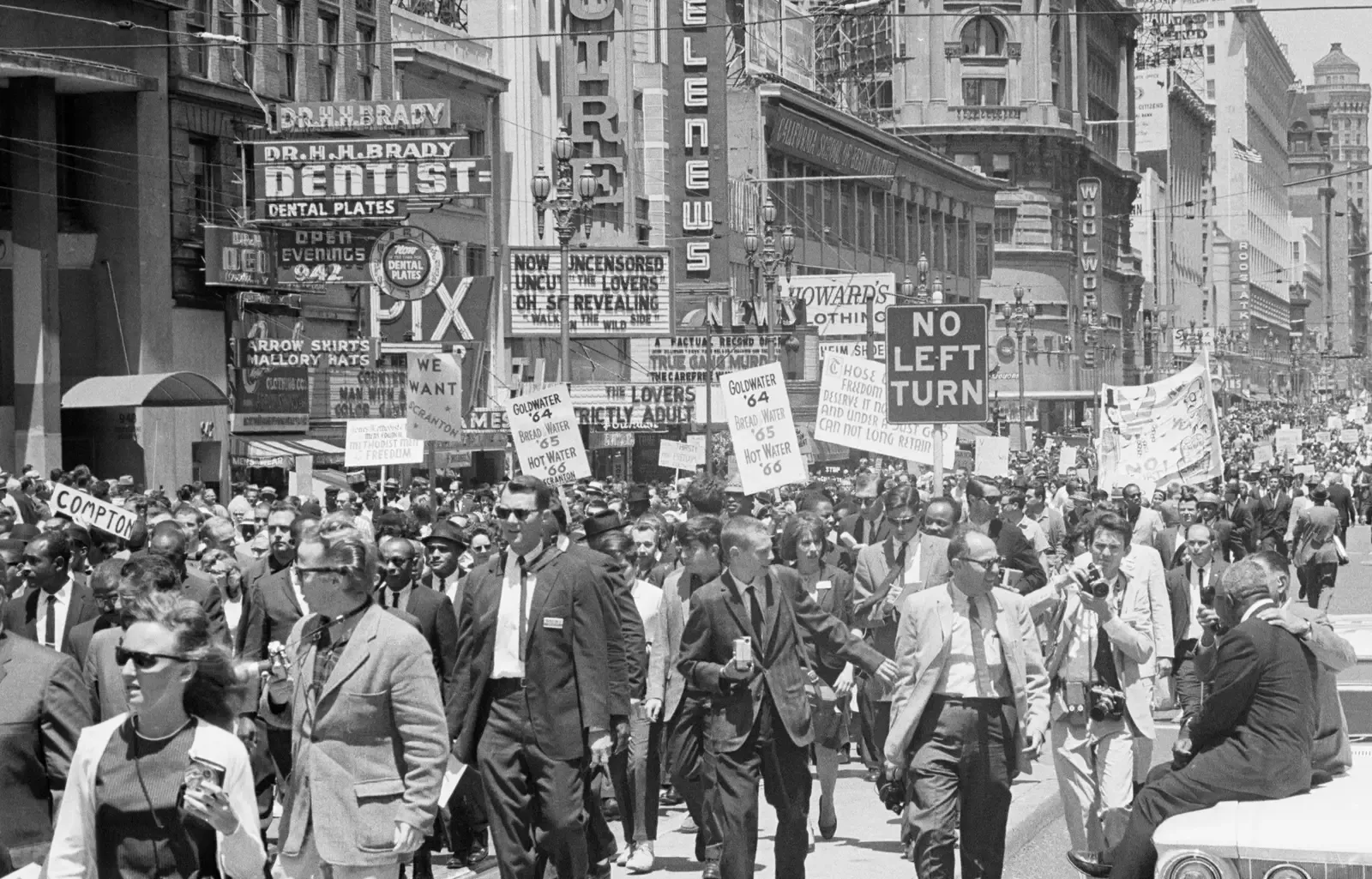
The short, simple lyrics of “We Shall Overcome” might be some of the most influential words in the English language, providing a blueprint for decades of protest music that followed. The song’s origins go back further than most people realize. The modern incarnation of “We Shall Overcome” can be traced to a 1945 strike by tobacco workers in Charleston, South Carolina. Earning just 45 cents an hour, workers picketed for a pay raise. Led by labor activist Lucille Simmons, they sang it on the picket line.
Highlander Folk School was an institution of tremendous importance during the protest era, providing training and inspiration to critical Civil Rights figures, including Rosa Parks, Martin Luther King Jr., and John Lewis. It was also the institution that ultimately helped bring “We Shall Overcome” to national prominence.
Since then, the song has reached the status of an international anthem for civil rights. Appalachian miners at the Pittston Coal Company strike of 1989 used it as their rallying cry, Chinese students at Tiananmen Square wore T-shirts emblazoned with the words, and thousands who gathered at Yankee Stadium on September 23, 2001, to pay tribute to the victims of the September 11 terrorist attacks joined hands as the Harlem Boys’ and Girls’ Choir performed a stirring rendition of the song.
3. “Blowin’ in the Wind” – Bob Dylan (1963)
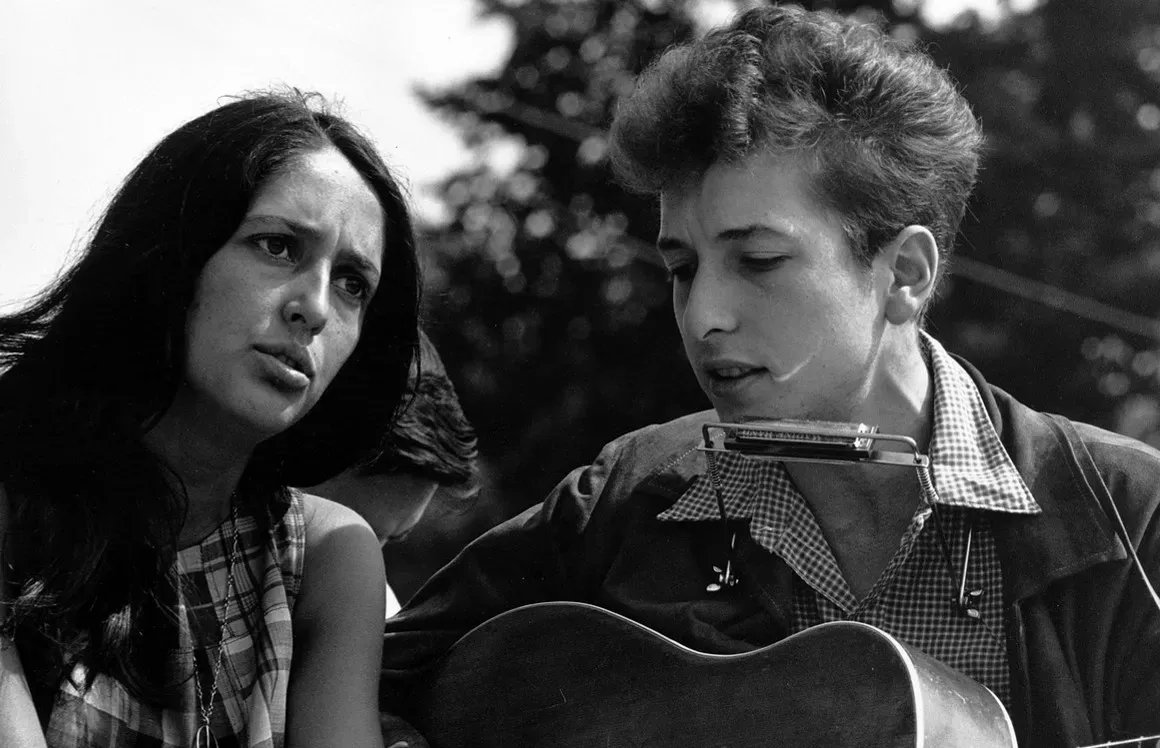
Bob Dylan was 21 years old when he reportedly wrote this song in just ten minutes. I know that sounds impossible, but there it is. Written in 1962, “Blowin’ in the Wind” is one of Bob Dylan’s most famous songs. It is a protest song that asks questions about peace, war, and social injustice. The lyrics are powerful and timeless, and the melody is beautiful and haunting. It became an anthem for the civil rights movement and was covered by many artists, including Peter, Paul, and Mary, who had a hit with their version in 1963.
The song had a major influence on American singer-songwriter Sam Cooke, who was so moved by the song he began to perform it as part of his live set. That influence alone is enormous, given what Cooke would go on to create. The searching ambiguity of “Blowin’ in the Wind,” the aching sentiment that simply wishes to know how much longer we must wait for peace, freedom, and equality, resonated immediately with Civil Rights marchers and with the growing movement in opposition to the mounting Vietnam War. To many, it remains the definitive anthem of the 1960s.
4. “A Change Is Gonna Come” – Sam Cooke (1964)
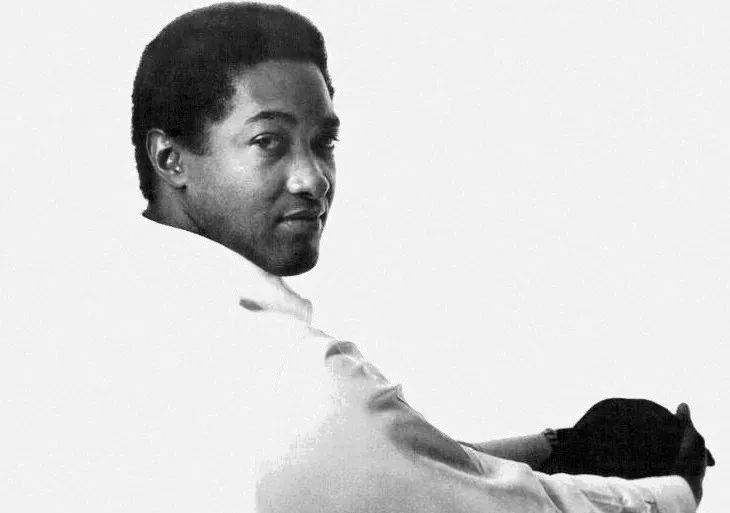
There are songs that comfort, and then there are songs that break you open. Sam Cooke’s “A Change Is Gonna Come” does both simultaneously. Sam Cooke’s classic civil rights anthem was recorded in 1963 and released after his death in 1964. The song addressed the struggles faced by African Americans during the Civil Rights Movement. Its powerful lyrics and soaring melody made it a classic of American music, and it continues to be celebrated as a landmark of protest music.
Historically, songs have accompanied moments of social change, providing a soundtrack to movements advocating for civil rights, environmental justice, and anti-war sentiments. The role of music in these contexts often extends beyond just entertainment; it shapes collective identities and creates a sense of belonging among individuals who share similar political beliefs. Cooke’s song did exactly that. It gave a grieving, exhausted movement its emotional spine back.
5. “Fortunate Son” – Creedence Clearwater Revival (1969)
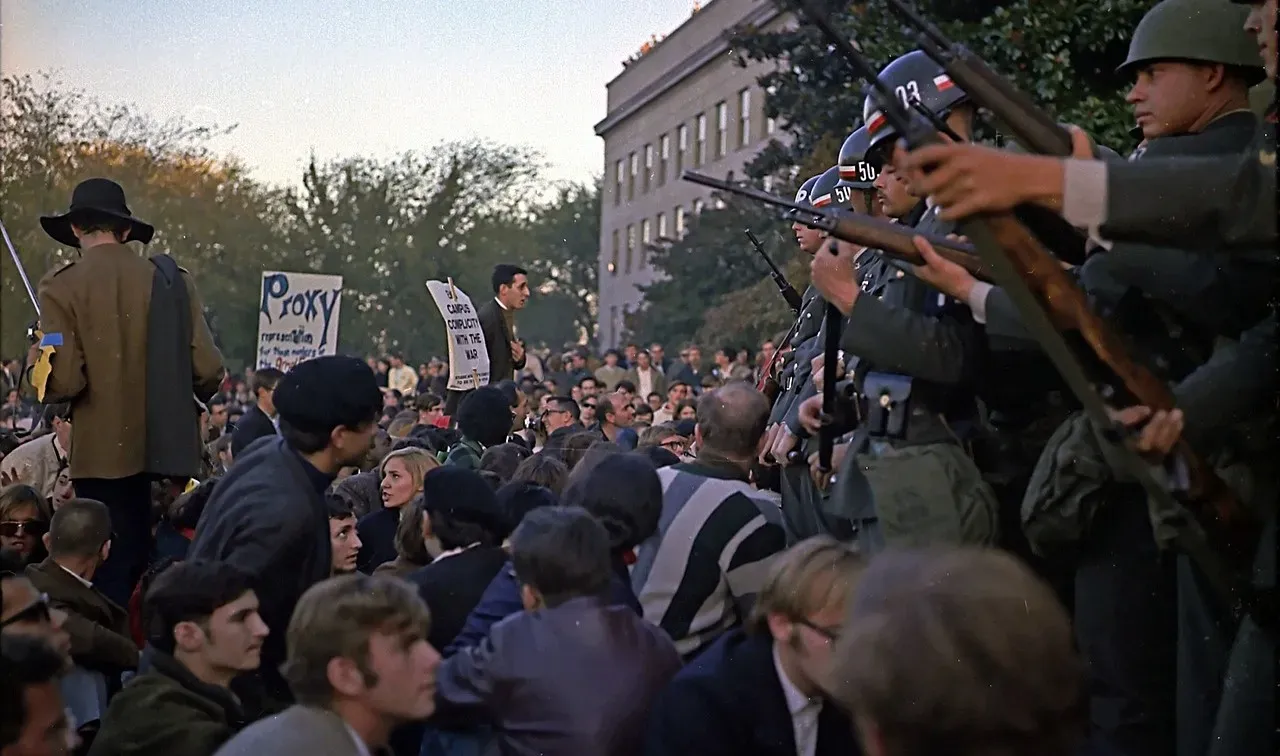
Here is the thing about “Fortunate Son” – it is probably one of the most misused songs in popular culture. You still hear it blasted at sporting events as if it were a patriotic anthem, when in reality it is the exact opposite. “Fortunate Son” is a protest song against the Vietnam War. The song was written by John Fogerty and recorded by Creedence Clearwater Revival in 1969. It is a response to the privileged children of the political and military elite who were not being drafted into the Army and sent to Vietnam. The song is an anthem for the anti-war movement, and its lyrics are as relevant today as they were when the song was written.
A critique of class privilege and the Vietnam War, this song resonated deeply with anti-war sentiments of the era. The fact that it still sparks debate every time it is misappropriated at rallies or game-day playlists proves just how sharply the message still cuts. It is a song that refuses to be tamed by time or misinterpretation.
6. “What’s Going On” – Marvin Gaye (1971)
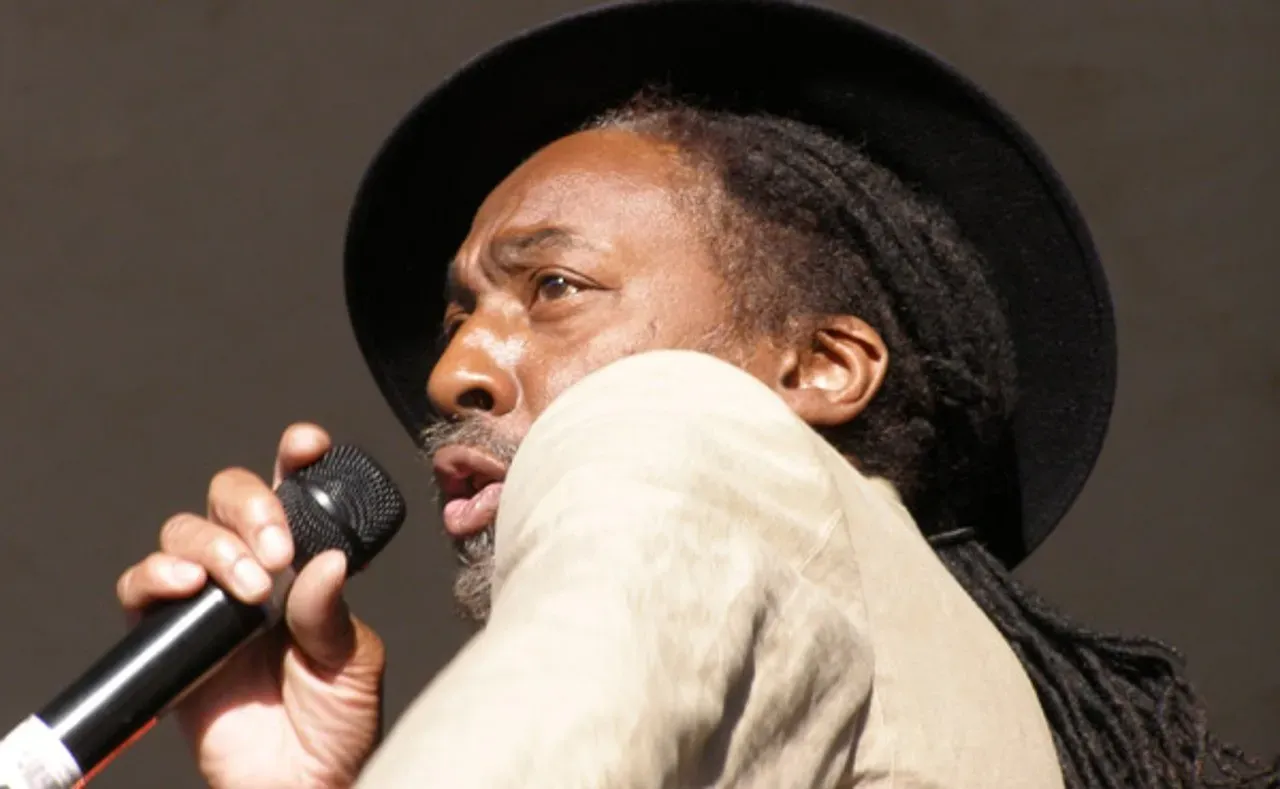
Marvin Gaye was not supposed to be a political artist. His label reportedly hated the idea. That makes what he pulled off with this album all the more remarkable. Marvin Gaye, who was not considered a particularly political figure in the music industry at this time, recorded the seminal song “What’s Going On” in 1971, a tune that challenged police brutality and the escalation of the Vietnam War.
Soul music carried over into the early part of the 70s, in many ways taking over from folk music as one of the strongest voices of protest in American music, the most important of which being Marvin Gaye’s 1971 protest album “What’s Going On,” which included “Inner City Blues,” “Mercy Mercy Me (The Ecology),” and the title track.
Marvin Gaye’s “What’s Going On” (1971) blended genres while commenting on war and societal disillusionment. It was the rare album that could be played at a demonstration, in a church, or quietly at home at two in the morning, and make equal emotional sense in every single context. That kind of versatility is what separates good protest music from truly great protest music.
7. “Fight the Power” – Public Enemy (1989)
Originally released in 1989, it became the sonic center of Spike Lee’s film “Do the Right Thing.” Though it peaked at number twenty on the Hot R&B and Hip-Hop chart, its cultural impact far outweighs its chart spot. With lines challenging authority and history, it confronted power in a way few songs had before.
A subset of hip hop music, rap music, developed a protest element that aggressively denounced police violence, epitomized by recordings such as Public Enemy’s “Fight the Power” from 1989. “Fight the Power” appeared in 1989, coinciding with a surge in conversations about racial inequality. Used in Spike Lee’s film “Do the Right Thing,” it energized marginalized communities and served as a rallying cry for justice. The track’s influence contributed to heightened awareness of systemic issues, inspiring various grassroots movements.
Young people have continuously expressed their complaints and goals through music, from the student demonstrations of the 1960s to more recent movements such as Black Lives Matter. “Fight the Power” was a crucial bridge between those eras. It turned hip-hop into a weapon of resistance in a way that still shapes the genre today.
8. “Sunday Bloody Sunday” – U2 (1983)
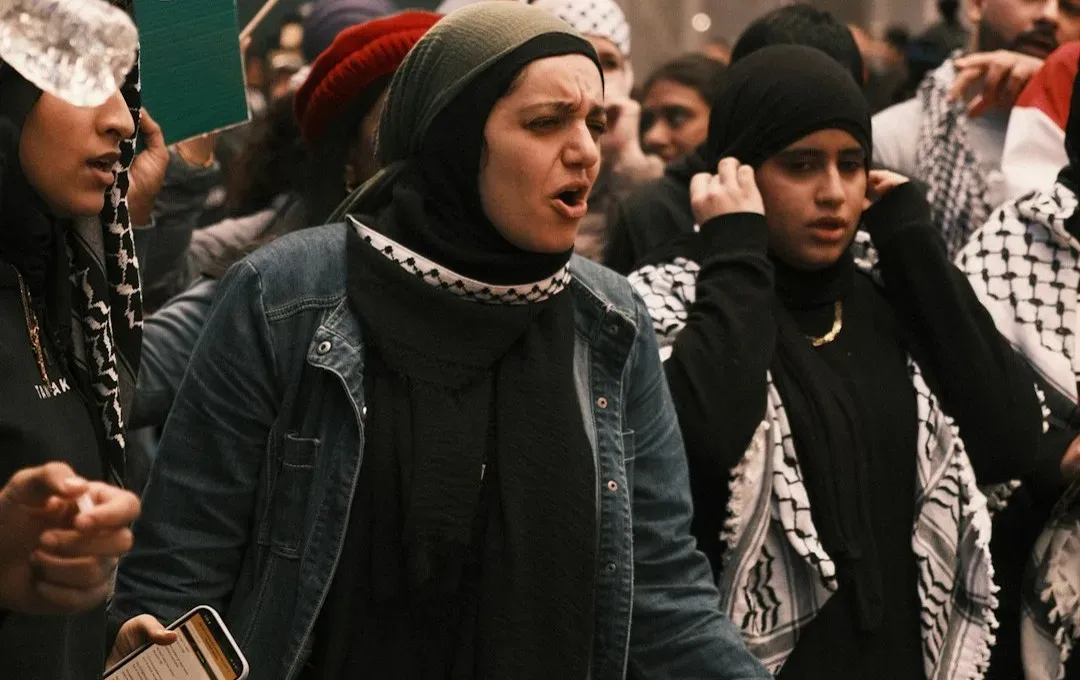
The British Army opened fire on a civil rights protest against the division of Ireland on Sunday, January 30, 1972, in Derry, which resulted in 13 deaths. “Bloody Sunday” became a notorious incident that increased membership of the burgeoning IRA and was one of the key moments in “The Troubles.”
Both John Lennon and Paul McCartney wrote songs in the immediate aftermath of the massacre, but it was Dublin band U2 who penned the definitive protest eleven years later. “Sunday Bloody Sunday” was the opening track on the band’s third album “War” and was most famously performed at Live Aid. Bono was keen to emphasize that the track was “not a rebel song,” but a humanitarian plea against the killing that continued throughout the decade and beyond.
What makes this song unusual is that it refused to take sides in a conflict where everyone expected artists to pick one. That moral clarity, stripped of tribal loyalty, gave it a global resonance that most conflict-specific songs never achieve. It remains one of the most emotionally honest pieces of music ever written about political violence.
9. “Killing in the Name” – Rage Against the Machine (1992)

“Killing in the Name” by Rage Against the Machine, released in 1992, directly addressed police brutality and racism. Its release coincided with increased public attention on these issues. The song quickly became a staple at rallies, driving home the urgency of reform and influencing a whole generation to challenge the status quo.
The song is structurally brilliant in a way that is easy to underestimate. It builds from a near-whisper to one of the most cathartic explosions in rock history, which is pretty much a sonic blueprint for the arc of repressed rage turning into open revolt. Across many decades, from folk and rock to hip-hop and reggae, the evolution of protest music consistently shows its adaptability and enduring power. Rage Against the Machine’s work is Exhibit A for that argument.
10. “This Is America” – Childish Gambino (2018)
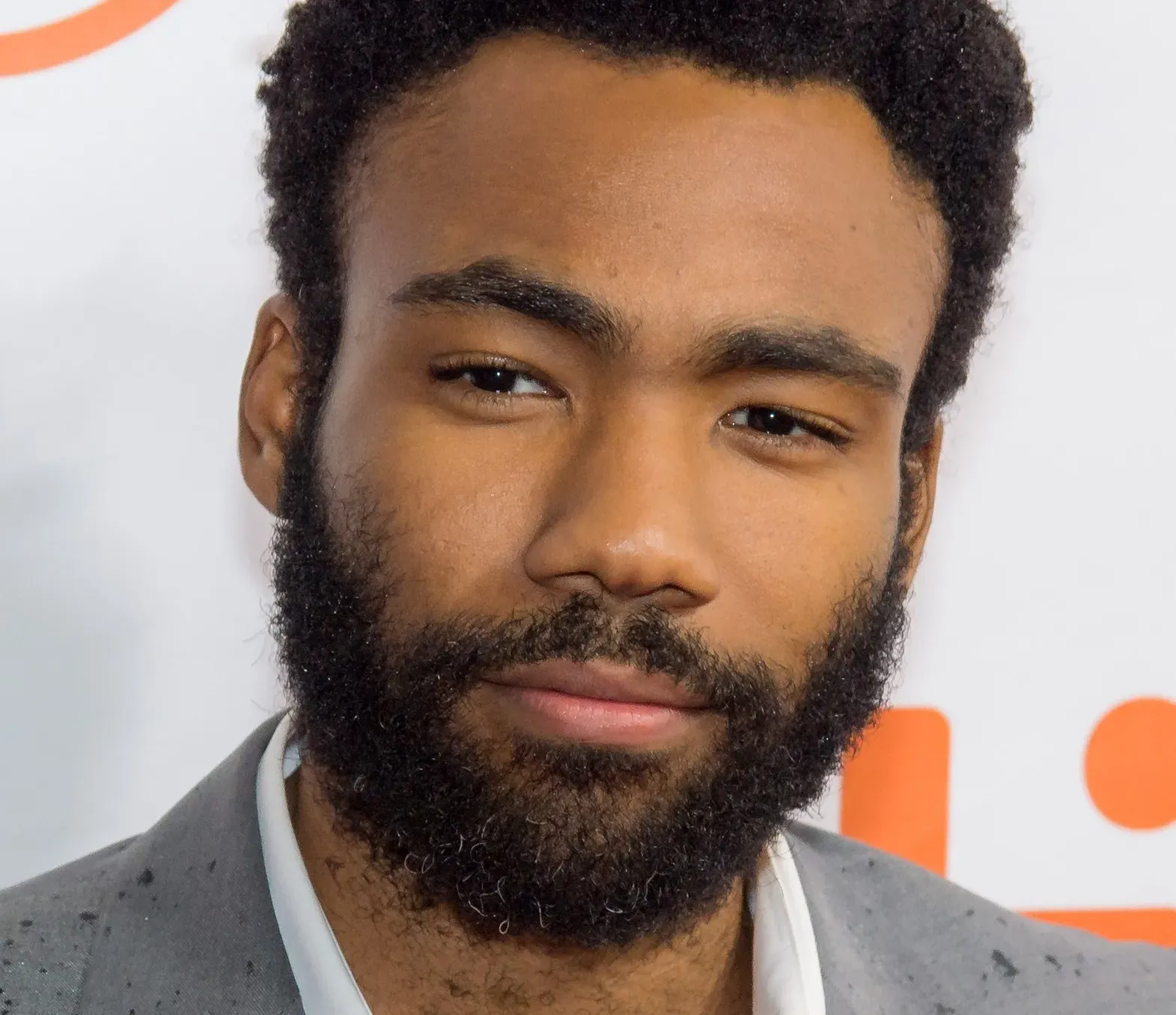
Not even two weeks after release, the much-talked-about song earned Donald Glover his first number one hit, garnering 78,000 downloads. “This is America” calls out systemic racism and the gun violence epidemic in America, as well as the way Americans deflect from real-world problems through pop culture.
The music video was viewed almost 50 million times in five days. It is a remarkable artistic achievement given that it utilizes finely-tuned choreography to satirize the role of the Black man’s supposedly “joyous” song and dance routine. The inspiration for “This Is America” came from the Black Lives Matter protests that were happening at the time.
Protest songs are not merely sources of solace or quaint diversions echoing the Civil Rights Movement of the 1960s. Coming together in song engenders a sense of collective power with ancient, biological roots. New research shows making music, especially in unison with others, creates substantial physiological benefits by synchronizing our brains and bodies to facilitate collaboration and establish a sense of belonging.
Research suggests that young voters are particularly susceptible to the effects of music on political attitudes. Songs that resonate with their experiences or highlight pressing social issues can prompt them to reflect on their political beliefs and align more closely with movements that share their values. “This Is America” proved that in the digital age, a single song paired with a powerful visual could ignite a global conversation within hours. That is a power no speech, no headline, and no statistic can quite replicate.
The Enduring Power of the Protest Song
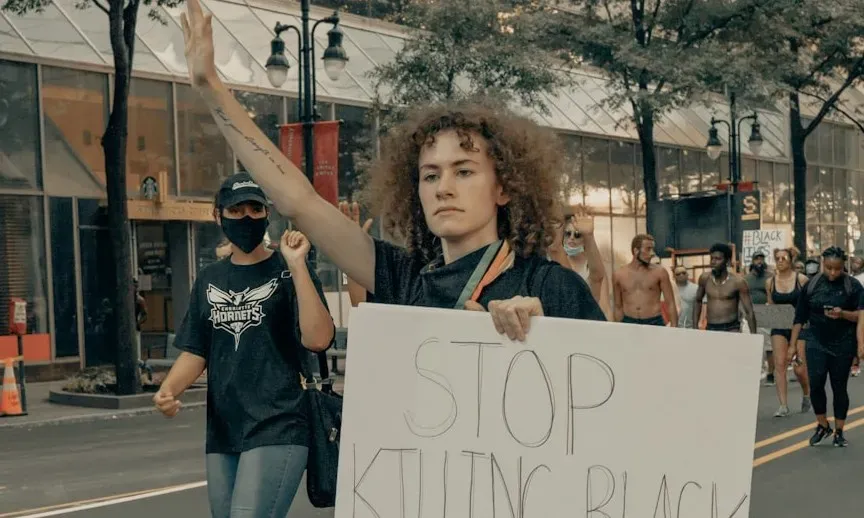
Music in its broadest sense has served, across centuries and cultures and in a recurrent manner, as a source of revolutionary inspiration, as an expression of self-identity and collective power, especially for culturally, politically, and racially marginalized groups, and as an insistent voice of resistance against dominant narratives and agendas. Music has been a vital vehicle in the pursuit of positive social change, of expression for the disenfranchised, of resistance or self-determination in the face of forces of oppression or assimilation.
There has been a resurgence of protest songs due to the 2024 South Korean martial law crisis, proving that this form of expression is not a relic of the past. The evolution of protest songs illustrates how music can adapt to reflect societal changes. From early folk tunes advocating for specific rights to contemporary anthems addressing multifaceted global issues, protest music continues to be a vital form of expression that resonates with new generations seeking change.
What unites every song on this list, from Billie Holiday’s quiet fury in 1939 to Childish Gambino’s viral shock in 2018, is the refusal to stay silent. These artists looked at injustice, put it to music, and trusted that listeners would feel it too. Most of the time, they were right. Which of these songs moved you most, and do you think we are still making protest music with that kind of power today?