Martin Luther King Jr.’s “I Have a Dream” Speech, 1963
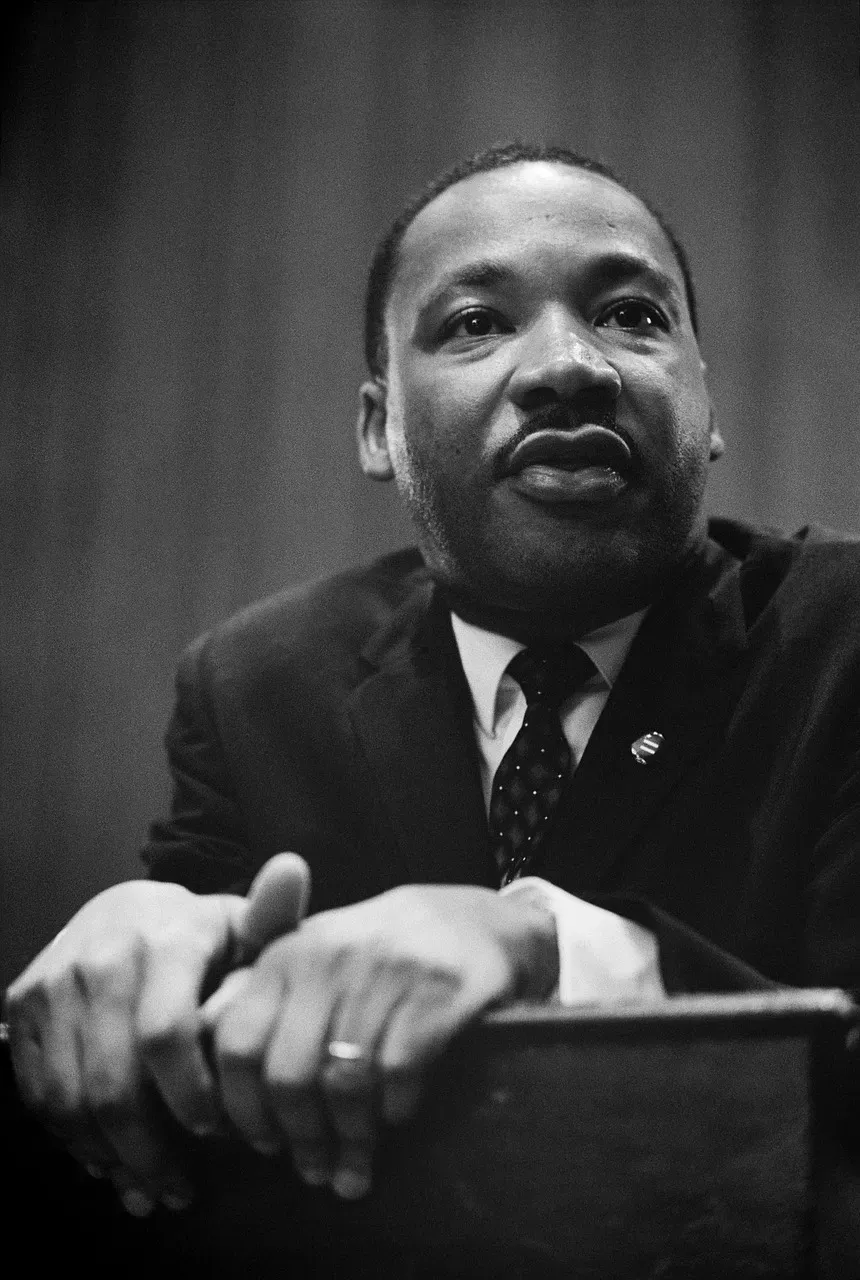
Delivered to over 250,000 civil rights supporters from the steps of the Lincoln Memorial in Washington, D.C., the speech was one of the most famous moments of the civil rights movement. King’s improvised “I have a dream” refrain became the defining feature of the address, departing from his prepared text to deliver a vision of racial equality that resonated globally. Sixty years later, the speech endures as a defining moment in the Civil Rights Movement and remains a beacon in the ongoing struggle for racial equality. Educational institutions continue to prioritize this speech in curricula, ensuring new generations encounter its moral vision and rhetorical power.
Abraham Lincoln’s Gettysburg Address, 1863
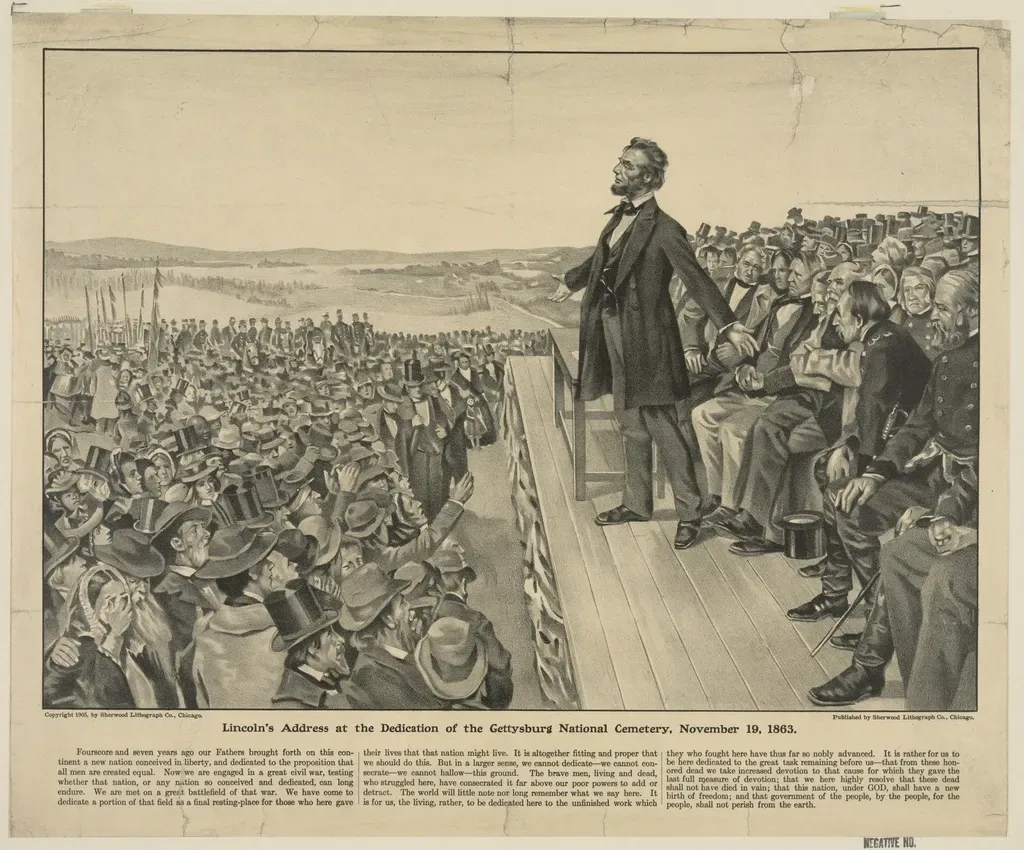
The historical and enduring significance and fame of the Gettysburg Address is at least partly attributable to its brevity; it has only 271 words and read in less than two minutes. On November 19, 1863, Lincoln addressed a crowd gathered to honor fallen Union soldiers, and in just 272 words, he redefined the nation’s purpose and promise. Over time, however, it came to be widely viewed as one of the greatest and most influential statements ever delivered on the American national purpose.
Winston Churchill’s Wartime Speeches, 1940
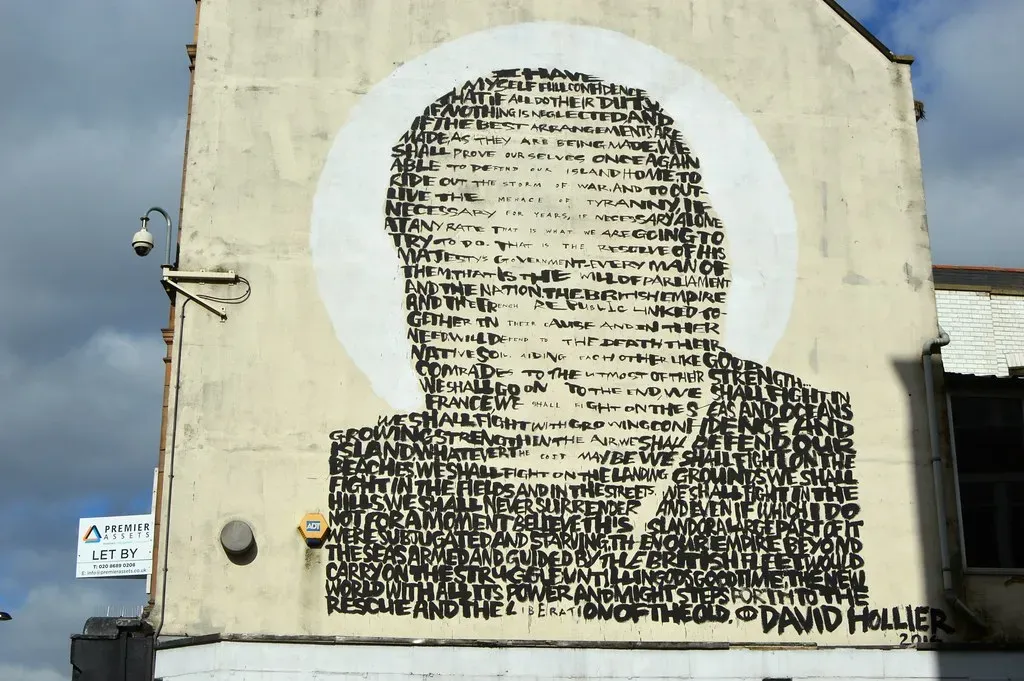
Among his most famous speeches were those in 1940 when Churchill rallied a nation with his words and optimism. Opinion polls, then in their infancy, showed that between July 1940 and May 1945 Churchill’s approval rating never dipped below 78%. He reached out to the people and he not only made them believe that winning the war was possible, but he also convinced them that they were right to trust in him. His speeches combined emotional resonance with strategic messaging, inspiring civilian resilience during Britain’s darkest hours. Churchill’s words instilled courage, defiance, and a shared sense of purpose. He didn’t sugarcoat the dangers but rather presented them with a challenge, appealing to the inherent strength and resolve of the British character.
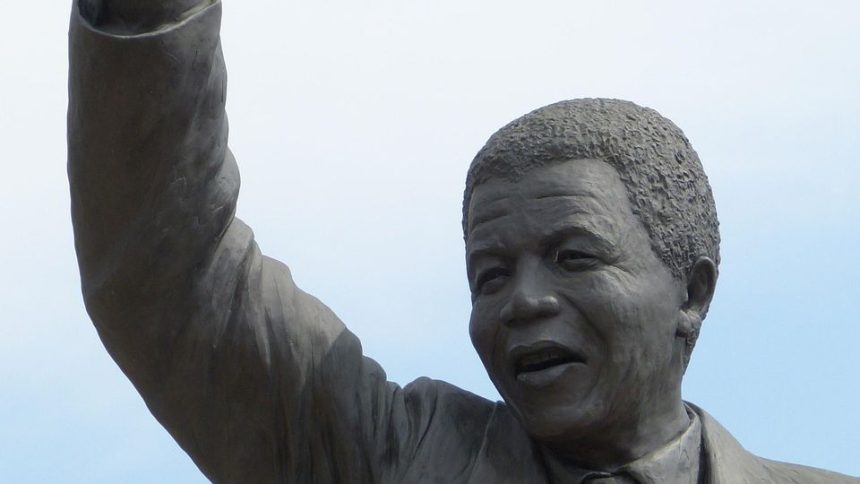
Nelson Mandela’s Rivonia Trial Speech, 1964
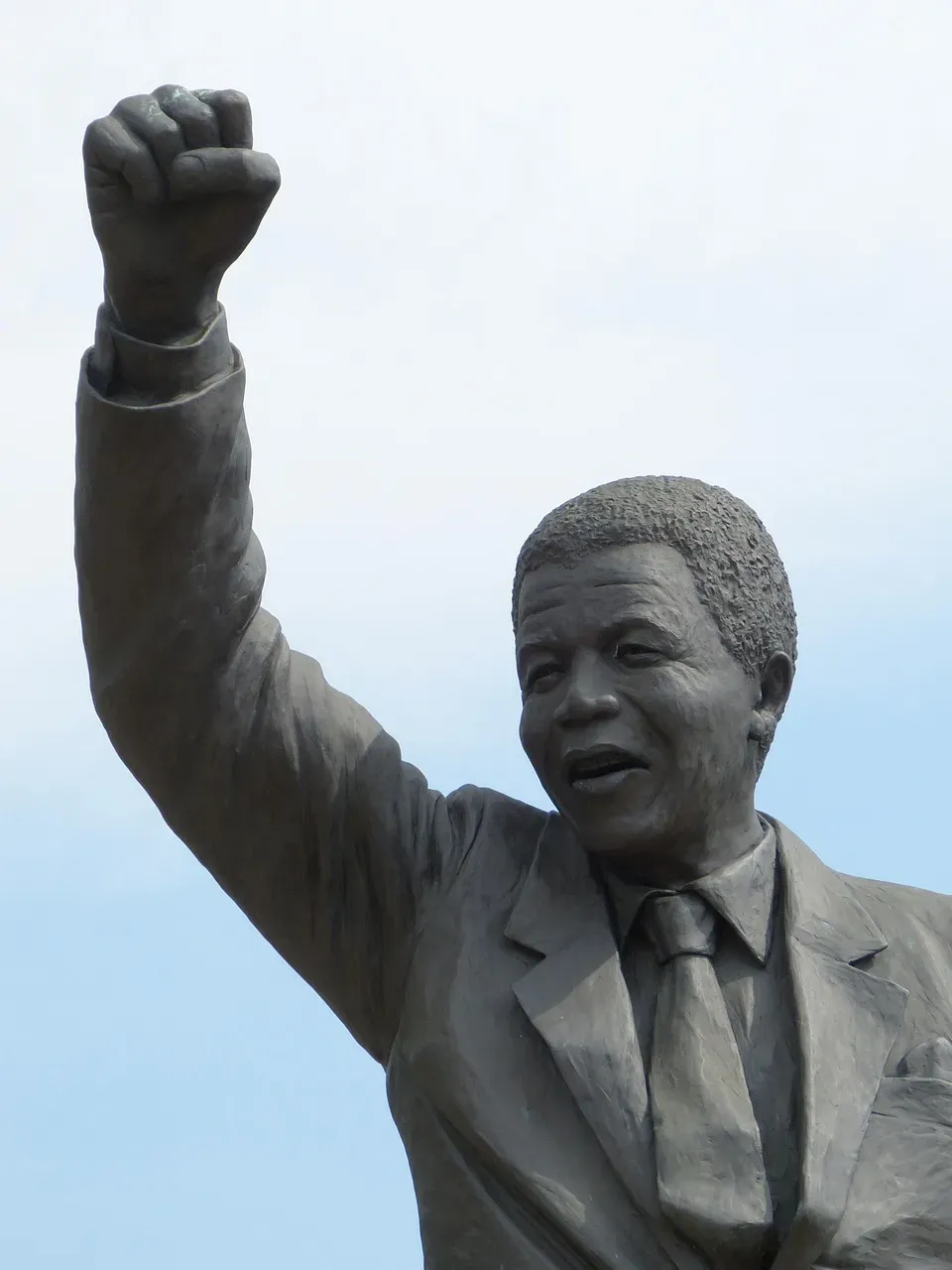
“I Am Prepared to Die” was a three-hour speech given by Nelson Mandela on 20 April 1964 from the dock at the Rivonia Trial. The speech is so titled because it ended with the words “it is an ideal for which I am prepared to die”. It is considered one of the greatest and memorable speeches of the 20th century, and a key moment in the history of South African democracy. His statement from the dock did not save him from imprisonment, but it transformed his image from defendant to moral leader. It reframed a political trial into a universal struggle for justice.
Franklin D. Roosevelt’s First Inaugural Address, 1933
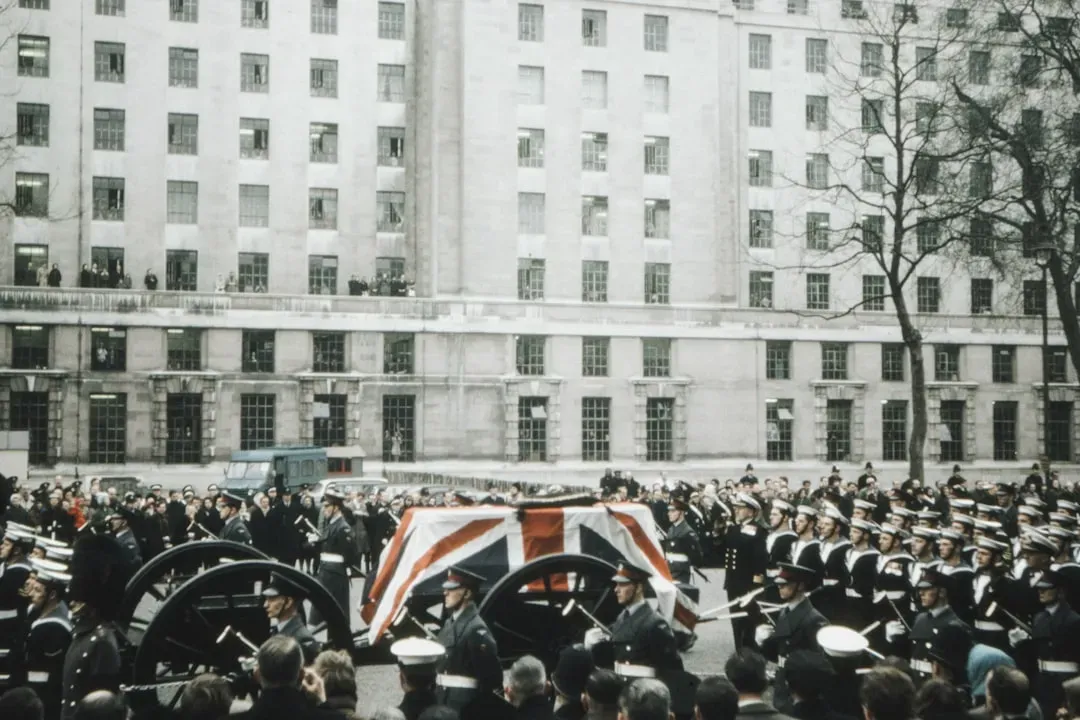
Roosevelt’s declaration that “the only thing we have to fear is fear itself” became an enduring mantra during America’s Great Depression. Delivered at a moment when nearly one quarter of Americans were unemployed and the banking system had collapsed, the speech offered psychological fortification when material security had vanished. His words redefined the relationship between government and citizens, setting the stage for the New Deal programs that would reshape American society. Modern political communication still draws from Roosevelt’s ability to use radio broadcasts to create intimacy with millions, pioneering what would become essential media strategy.
Sojourner Truth’s “Ain’t I a Woman?” Speech, 1851
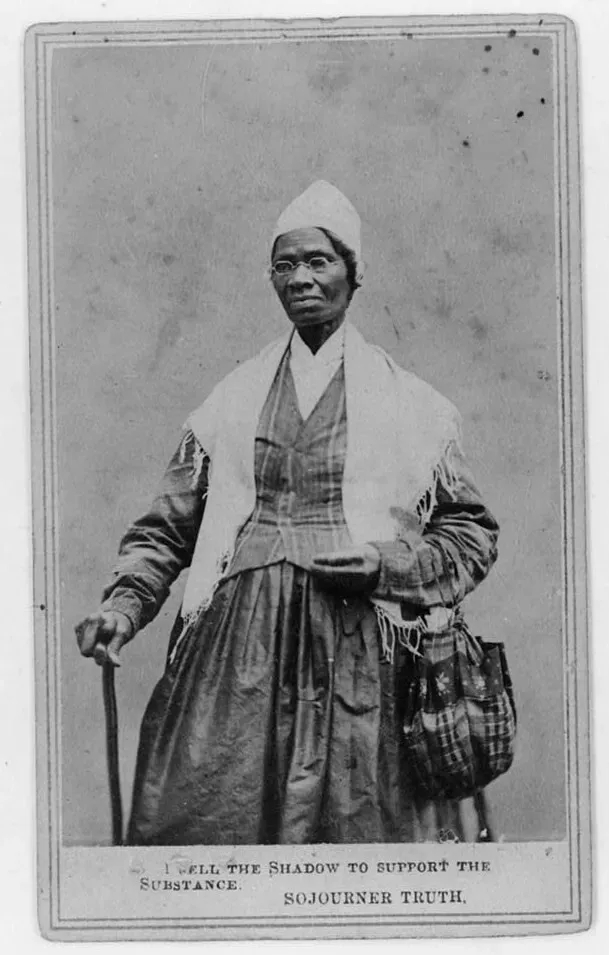
Truth’s extemporaneous speech at the Ohio Women’s Rights Convention challenged both racial and gender hierarchies with remarkable directness. Speaking as a formerly enslaved woman, she demanded recognition of Black women’s humanity and strength, asking why they were excluded from discussions of women’s rights. The speech gained renewed scholarly attention in recent decades as intersectional feminism emerged as a framework for understanding overlapping systems of oppression. Educational institutions and human rights organizations increasingly cite Truth’s rhetoric as foundational to contemporary discussions of identity and justice.
John F. Kennedy’s Inaugural Address, 1961
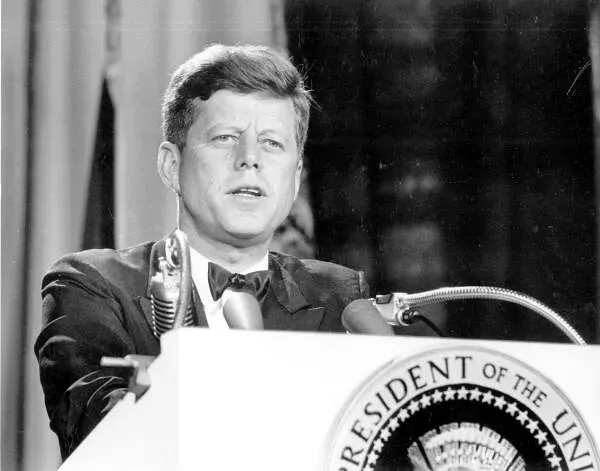
Then U.S. president John F. Kennedy tasked his speechwriter Ted Sorensen with studying the Gettysburg Address in an effort to assist Sorensen in authoring Kennedy’s inaugural address. Kennedy’s call to “ask not what your country can do for you” captured Cold War idealism while appealing to civic duty across generations. The speech established a tone of youth, vigor, and global leadership that defined American foreign policy throughout the 1960s. Political speechwriters continue to study its rhythmic structure and balanced phrasing as models of persuasive oratory, while its themes of service and sacrifice resurface in contemporary discussions of citizenship.
Mahatma Gandhi’s “Quit India” Speech, 1942

Gandhi’s August 1942 demand that Britain leave India immediately marked a turning point in the independence movement, shifting from negotiation to direct action. His speech called for mass civil disobedience despite the certainty of brutal repression, demonstrating the power of moral conviction to challenge imperial authority. The “do or die” message galvanized millions across the subcontinent, leading to widespread arrests but also accelerating the timeline toward independence. Contemporary movements for self determination and nonviolent resistance continue to reference Gandhi’s strategic use of moral language to delegitimize oppressive power structures.
Ronald Reagan’s “Tear Down This Wall” Speech, 1987
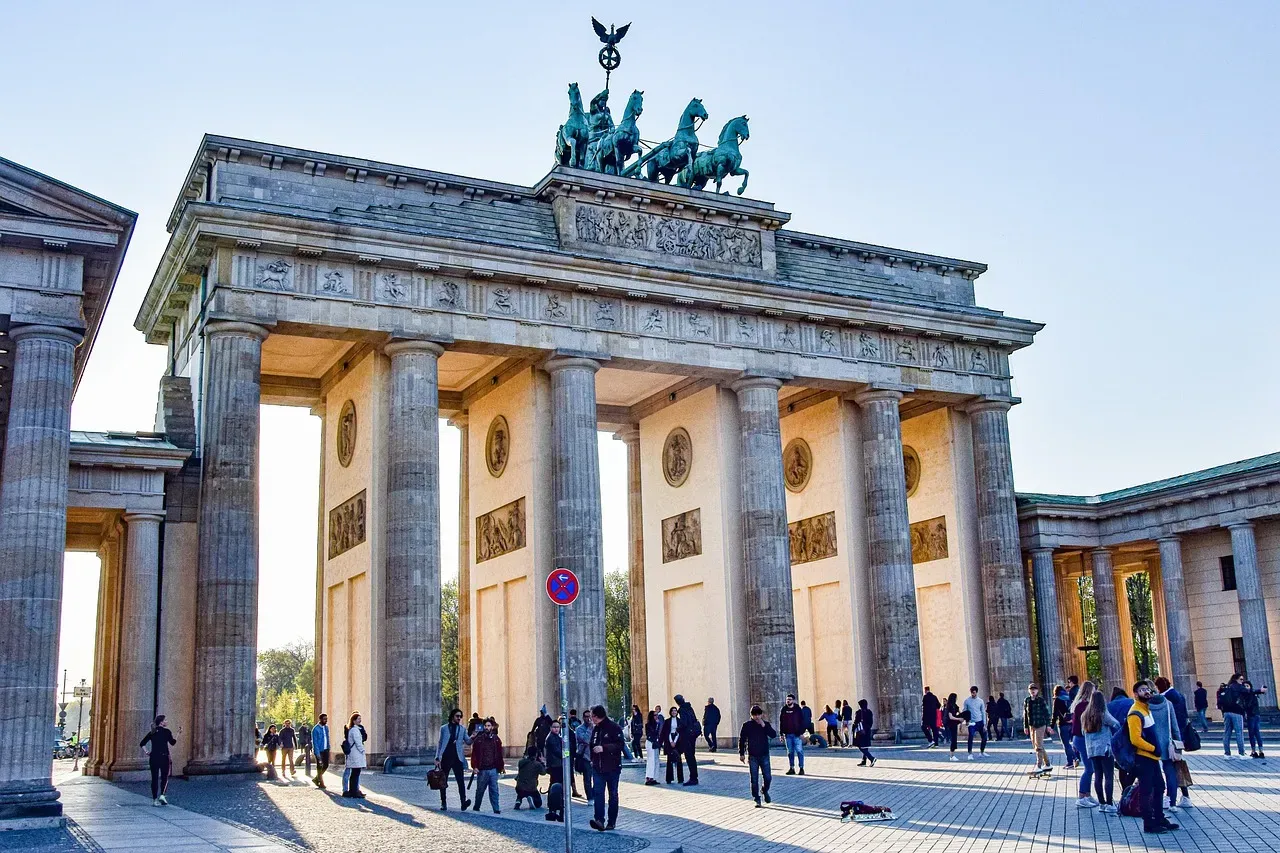
Standing at the Brandenburg Gate, Reagan’s direct challenge to Soviet leader Mikhail Gorbachev became symbolic of Western resolve in the Cold War’s final years. Though diplomats initially opposed the provocative language, the speech captured shifting geopolitical realities and rising reform movements across Eastern Europe. When the Berlin Wall fell two years later, Reagan’s words were retrospectively framed as prophetic, though historians debate whether rhetoric or economic pressures proved more decisive. Leadership programs frequently analyze the speech as an example of how bold public statements can crystallize complex political transformations into memorable moments.
Emmeline Pankhurst’s “Freedom or Death” Speech, 1913
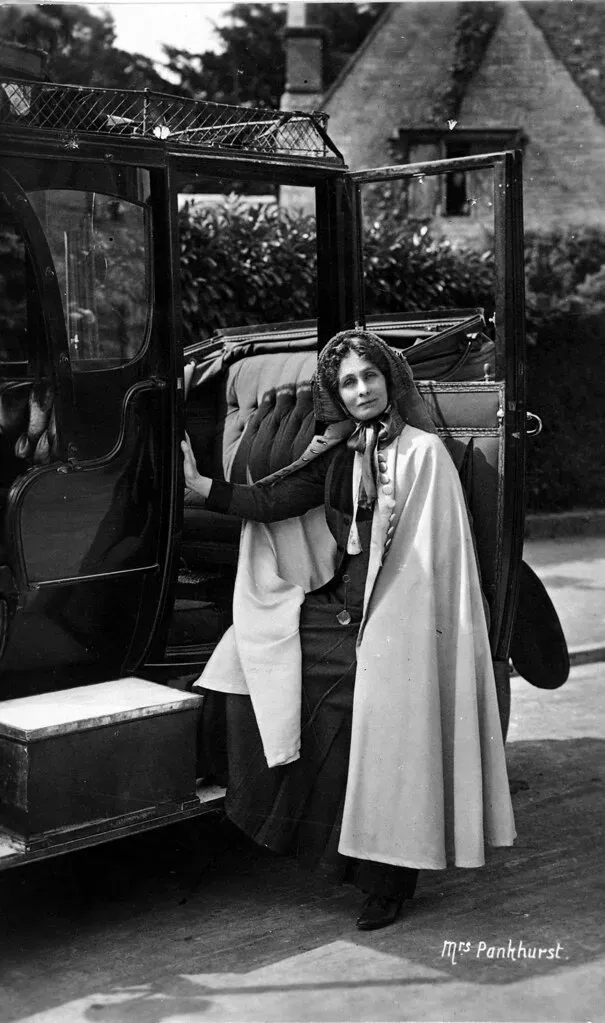
Pankhurst’s address in Hartford, Connecticut, defended militant tactics in Britain’s suffrage movement, arguing that peaceful protest had failed to secure women’s voting rights. Speaking to an American audience, she justified property destruction and hunger strikes as necessary responses to state violence and political exclusion. The speech articulated a theory of strategic escalation that influenced later civil rights and liberation movements worldwide. Modern activists studying social change movements examine how Pankhurst framed radical action as morally justified when democratic channels remained closed, a rhetorical strategy that continues to resonate in contemporary political discourse.