There’s something almost ironic about influence. Sometimes the most powerful ideas don’t come from the names everyone recognizes immediately. They come from writers who toiled in relative obscurity, whose work sparked revolutions in thinking yet whose names rarely appear in mainstream conversations. These are the thinkers who redefined how we see power, language, history, and resistance itself.
They wrote from prisons, factory floors, and exile. Their books became required reading in universities and underground movements alike. These writers didn’t just comment on the world. They fundamentally altered how we understand it.
Frantz Fanon – The Psychiatrist Who Diagnosed Colonialism
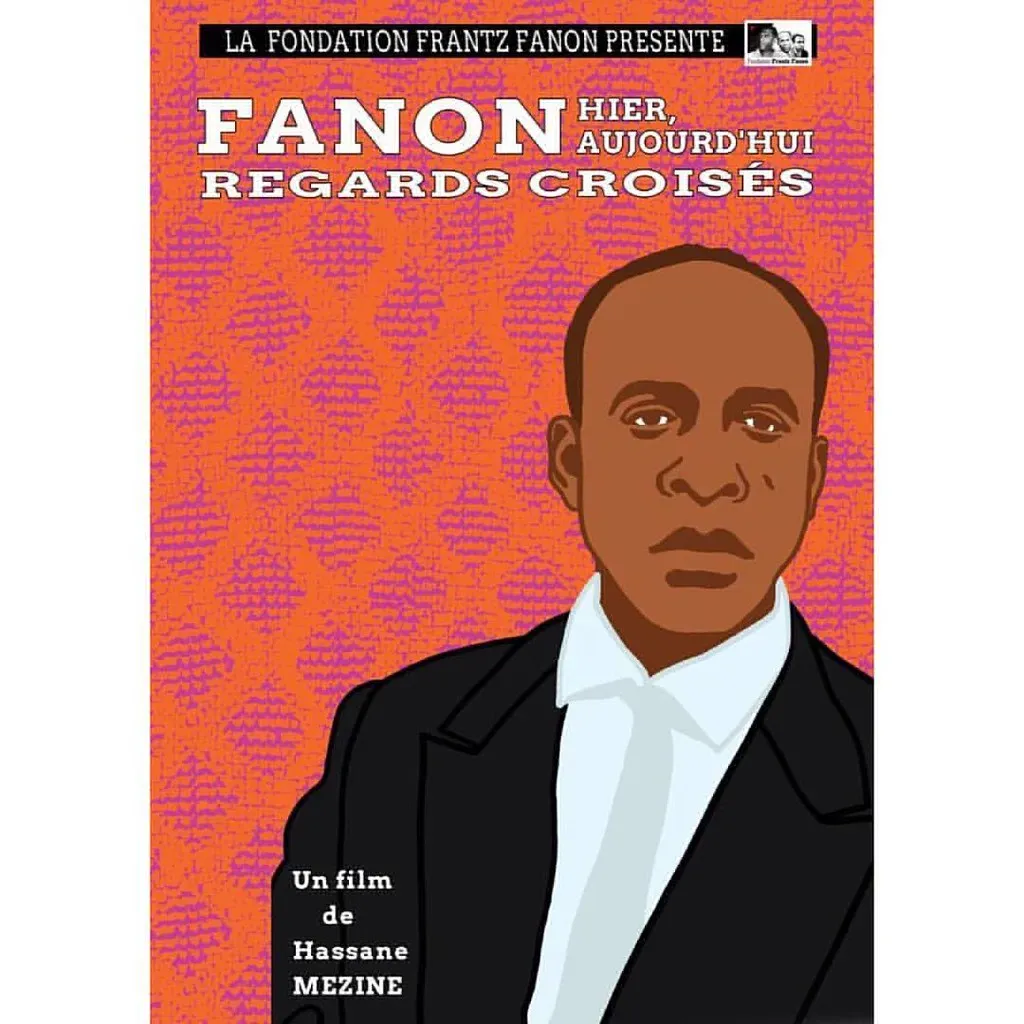
Frantz Fanon’s 1961 book The Wretched of the Earth remains one of the most influential works in postcolonial studies and revolutionary theory. Born in Martinique and trained as a psychiatrist in Paris, Fanon brought a unique lens to his analysis of colonial violence. His work has made him one of the most prominent contributors to the field of postcolonial studies.
What sets Fanon apart is how he connected psychological trauma with political oppression. His training in psychiatry informed his methodological approaches and characterizations of anti-Black racism, with published and unpublished works offering case studies emphasizing the lived pathologies of everyday life under colonial rule. Think about it – he wasn’t just theorizing from a distance. He was treating patients who were literally broken by the colonial system.
The Wretched of the Earth is a seminal work in postcolonial studies, offering a powerful analysis of colonialism, decolonization, and its psychological effects on the colonized. Fanon’s ideas on violence, liberation, and identity continue to shape discussions on race and power across the globe in 2026.
Ngũgĩ wa Thiong’o – The Language Revolutionary
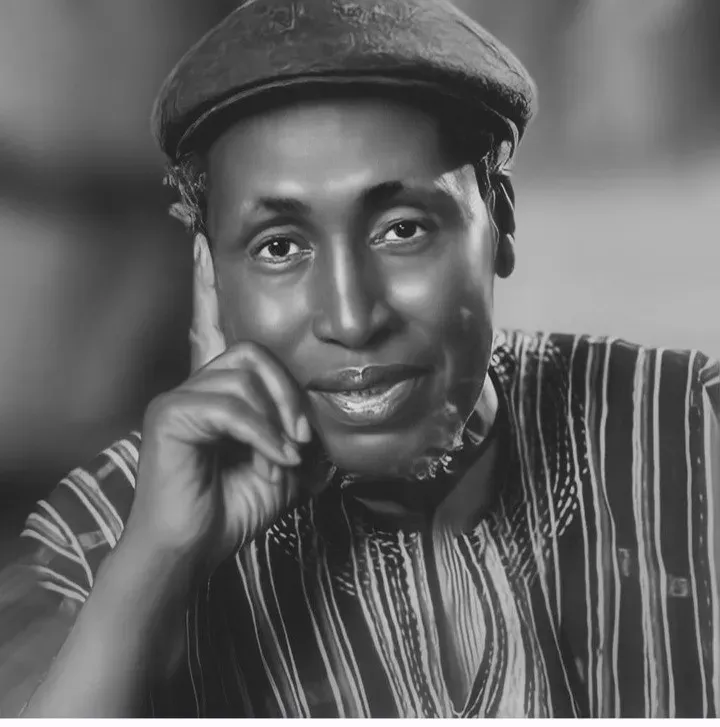
Ngũgĩ wa Thiong’o was described as East Africa’s leading novelist and became a strong advocate for literature written in native African languages after switching from English to writing primarily in Gikuyu. His decision to abandon English wasn’t just symbolic. It was a radical political act.
Ngũgĩ argued that Africans should continue pushing for their respective governments to include their languages in learning institutions to preserve the social, cultural and linguistic heritage. When he wrote a play in Gikuyu in 1977, the Kenyan government imprisoned him without trial. That’s how threatening words in one’s own language can be to power.
Gayatri Spivak remembered that Ngũgĩ was a hero at the time Decolonising the Mind appeared, which instantly became the controversial classic it remains, and was perfectly suited to its moment in Africa and relevant to neocolonial struggles in other nations. His advocacy for indigenous African languages continues to influence cultural preservation debates across African universities today. Honestly, his work forces us to ask uncomfortable questions about whose language gets to tell the story.
Simone Weil – The Philosopher Who Worked the Assembly Line

Simone Weil was a philosopher who rejected middle-class bourgeois comforts in order to empathize with – and accurately write about – the working classes, even donning the clothes of a factory worker and working the machinery. Here’s the thing – most intellectuals write about labor from comfortable offices. Weil actually did the work.
Her Factory Journal is one of the most moving accounts of suffering in the history of philosophy, describing exhausting and dangerous work, weeping violently at day’s end, terrible headaches, and being overtaken by terror. Her reflection on the instrumentalization of the worker and work continues to nourish great contemporary thinkers, remaining current amid new realities like digitalization and the Internet revolution, which are factors of even deeper objectification of employees.
Weil’s writings on power, labor, and morality experienced renewed academic attention in 2023 amid global discussions on worker exploitation, according to philosophy journals and Cambridge University Press. She didn’t just theorize about suffering. She lived it, documented it, and transformed it into philosophy that still cuts deep today.
Eduardo Galeano – Latin America’s Memory Keeper

Eduardo Galeano’s Open Veins of Latin America, published in 1971, consists of an analysis of the impact that European settlement, imperialism, and slavery have had in Latin America, describing the effects of European and later United States economic exploitation and political dominance over the region. The book traces five centuries of resource extraction like following blood through veins.
Open Veins was banned in several countries and quickly became a reference for an entire generation of left-wing thinkers. Georgetown University’s Center for Latin American Studies noted that Galeano’s worldview has had transformational consequences for an entire generation of intellectuals, students, and politicians, leading to a new approach where marginalized communities were no longer perceived as underdeveloped regions but rather as areas striving to overcome the negative impact colonization and imperialism had.
The book continues to influence Latin American political discourse and is referenced in 2024 economic history analyses, according to the Economic History Review and regional studies. Let’s be real – Galeano didn’t discover anything new. He just refused to let anyone forget.
Arundhati Roy – From Fiction to Fearless Activism
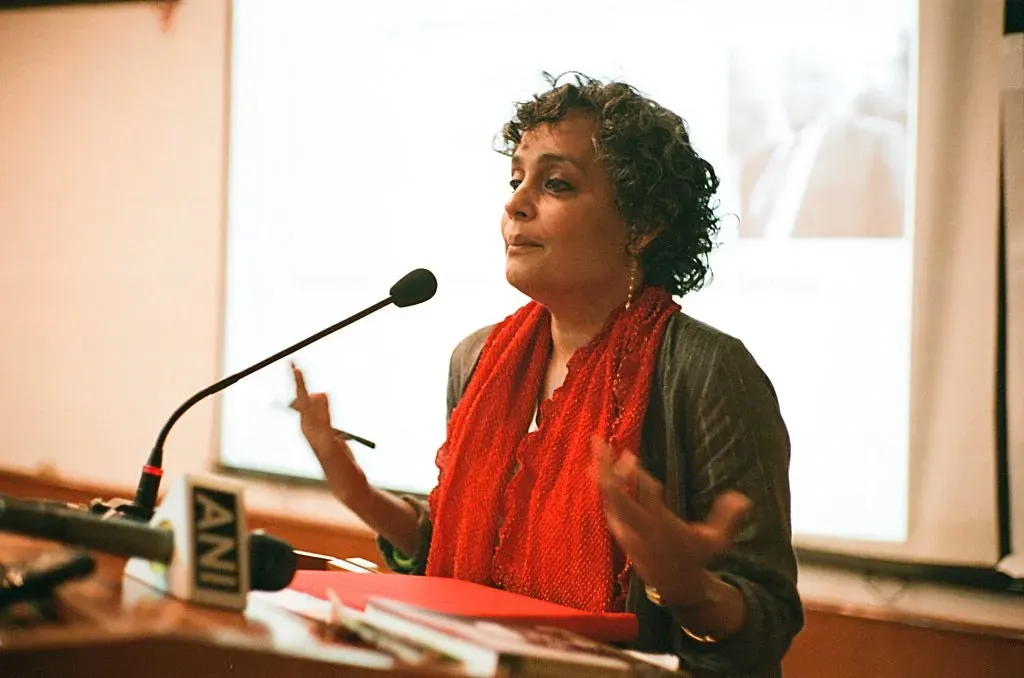
Beyond her celebrated fiction, Roy’s nonfiction work has become essential reading for understanding contemporary power structures. Her essays are frequently cited in 2024 global human-rights discussions and international media analysis, according to The Guardian and Amnesty commentary. What makes Roy remarkable is her refusal to stay in one lane – she moves seamlessly between literary artistry and blistering political critique.
Roy’s writing on environmental destruction, displacement, and state violence in India has made her both celebrated and controversial. She doesn’t soften her arguments for palatability. Her essays challenge nationalist narratives and corporate power with the same precision she brings to her novels.
Her influence extends across continents, inspiring activists and writers who see no contradiction between beautiful prose and radical politics. It’s hard to say for sure, but her willingness to risk everything – including imprisonment – for her convictions might be her most influential legacy of all.
Hannah Arendt – Chronicler of Totalitarianism
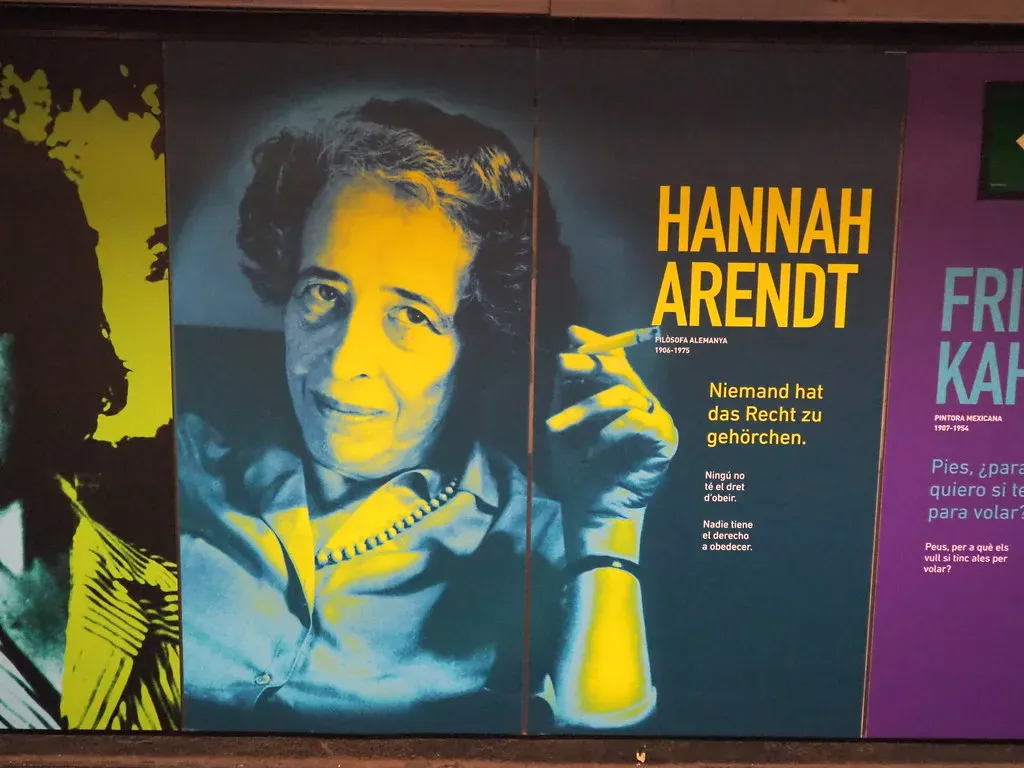
Hannah Arendt’s work on authoritarianism saw renewed relevance during 2024 democratic resilience studies worldwide, according to political theory journals and think-tank reports. Her analysis of totalitarianism, written in the aftermath of Nazi Germany and Stalinist Russia, has become chillingly relevant again.
Arendt’s concept of the “banality of evil” revolutionized how we understand atrocity. She showed that genocidal systems don’t require monsters – just ordinary people following orders without thinking. Her observations about propaganda, loneliness, and the collapse of truth feel almost prophetic in our current moment.
What makes Arendt’s influence so persistent is her refusal to offer easy answers. She examined power, violence, and politics with an unflinching gaze that makes her work uncomfortable to read. Yet political theorists keep returning to her analysis because it explains so much about how democracies die and authoritarian movements rise.
Voices That Refuse to Fade
These writers shared something essential – they refused to accept the world as it was presented to them. They looked beneath official narratives, listened to voices others ignored, and documented truths that made powerful people uncomfortable. Their influence doesn’t come from fame but from how thoroughly their ideas have reshaped entire fields of thought.
What’s striking is how many of them paid steep prices for their work. Prison, exile, assassination, censorship – their writing threatened existing power structures enough to provoke retaliation. Yet their ideas survived and spread anyway, passed from hand to hand, taught in classrooms, whispered in movements for change.
In 2026, as we face ecological collapse, rising authoritarianism, and deepening inequality, these writers feel more relevant than ever. They give us frameworks for understanding how power operates and how resistance persists even in the darkest circumstances. Maybe influence isn’t about being famous. Maybe it’s about changing how people see the world so fundamentally that your ideas become part of the landscape itself.
So what do you think – have you encountered any of these writers before? Which one surprises you most?