Some authors become household names. Others quietly reshape the course of human thought, even though their names remain unknown to most people. These writers have transformed academic disciplines, inspired political movements, and altered how entire generations understand power, identity, and justice.
Yet you probably haven’t read them. Maybe you’ve never heard their names at all. That invisibility makes their influence all the more remarkable. So, who are these literary revolutionaries?
Frantz Fanon – The Psychiatrist Who Diagnosed Colonialism
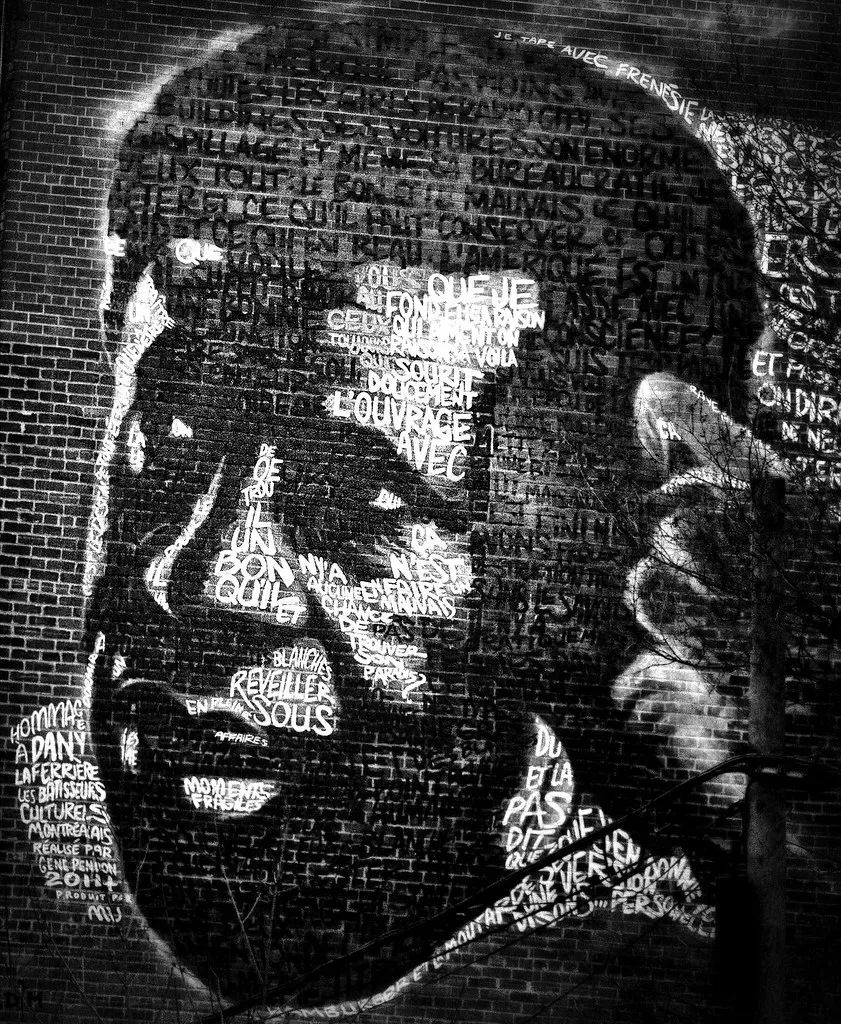
Frantz Fanon’s The Wretched of the Earth, published in 1961, became one of the most prominent contributors to postcolonial studies. This seminal work offers a powerful analysis of colonialism, decolonization, and its psychological effects on the colonized. Born in Martinique and trained as a psychiatrist in France, Fanon witnessed firsthand the mental scars left by colonial oppression. His analysis connected the trauma of colonization directly to mental disorders among oppressed peoples. Fanon’s writing on culture has inspired much of contemporary postcolonial discussions on the role of national culture in liberation struggles and decolonization.
Ngũgĩ wa Thiong’o – The Language Warrior Who Chose His Roots
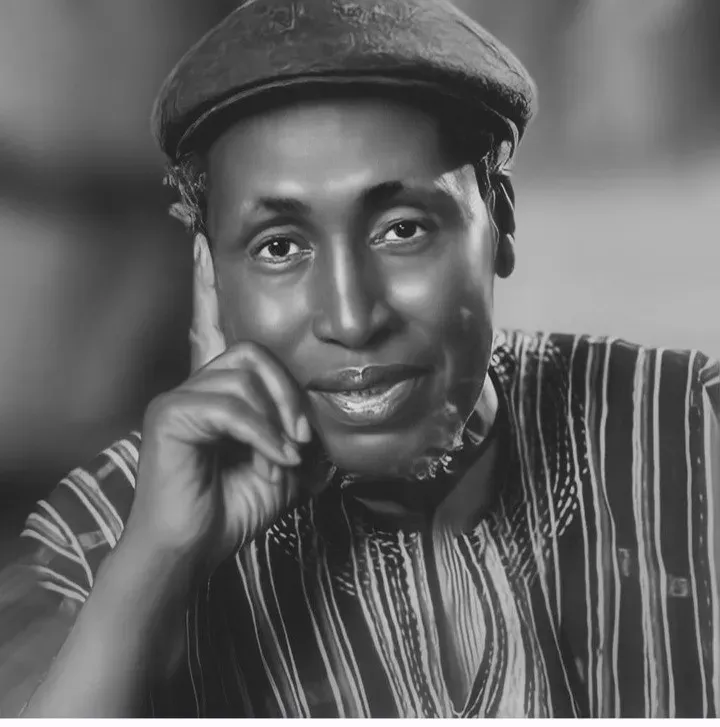
Ngũgĩ wa Thiong’o, born in 1938 and who passed away in May 2025, was a Kenyan author who wrote primarily in English before switching to writing primarily in Gikuyu and becoming a strong advocate for literature written in native African languages. In the seventies, he did something radical. He stopped writing in English altogether. His revolutionary decision to pivot from English to indigenous languages including Gikuyu and Swahili endured as his outspoken criticism of both colonial systems and authoritarian regimes in Kenya made him a target but also a figurehead. When asked in 2023 about Kenyan English being a local language, Ngũgĩ responded that English is not an African language, and calling Nigerian or Kenyan English legitimate is “an example of normalised abnormality,” arguing that the colonised trying to claim the coloniser’s language is a sign of the success of enslavement.
Simone Weil – The Philosopher Who Worked Factory Floors

Most philosophers theorize from university offices. Simone Weil, however, worked in three factories, including a Renault plant, in 1934–1935. This French philosopher didn’t just write about exploitation – she experienced it. Having experienced the mechanization of companies, she described the process of objectification of the worker, and her reflection on the instrumentalization of the worker always nourishes great contemporary thinkers, particularly in the context of digitalization and the Internet revolution, which are factors of an even deeper objectification of the employee. Weil believed most Marxist writing about the proletariat failed to grasp the experience of day-to-day life for those on the front lines of labor, arguing that one cannot be a revolutionary by words alone and that if one wanted to lead the proletariat toward class consciousness, one had to experience what workers themselves felt and needed.
Eduardo Galeano – The Chronicler of Stolen Continents
Open Veins of Latin America, published in 1971 by Uruguayan journalist Eduardo Galeano, consists of an analysis of the impact that European settlement, imperialism, and slavery have had in Latin America, quickly becoming a reference for an entire generation of left-wing thinkers while being banned in several countries, and describing the effects of European and later United States economic exploitation and political dominance over the region. The book traced how resources flowed from Latin America to enrich Europe and North America for five centuries. Director of Georgetown University’s Center for Latin American Studies Marc Chernik stated that Eduardo Galeano’s worldview in the book had transformational consequences for an entire generation of intellectuals, students, and politicians, including the rise of a new approach to marginalized communities who were no longer perceived as “underdeveloped” regions but rather as areas striving to overcome the negative impact colonization and imperialism had in the subcontinent. Venezuelan President Hugo Chávez famously gave President Barack Obama a copy during a 2009 summit.
James C. Scott – The Scholar of Silent Defiance
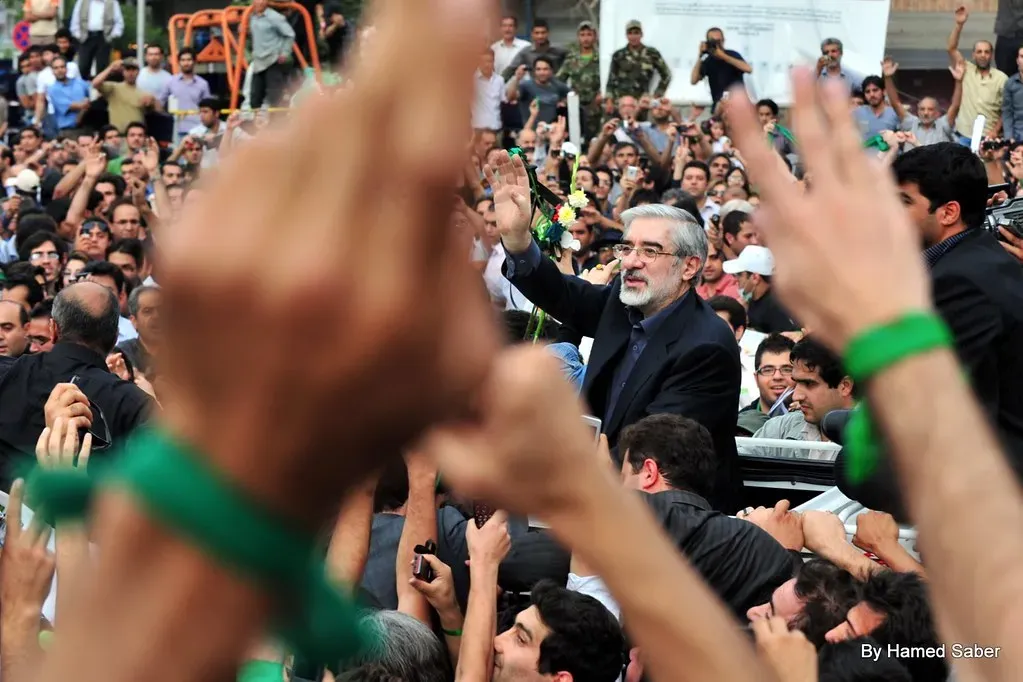
Revolution isn’t always loud. James C. Scott introduced the concept of everyday resistance in 1985, studying how peasants resisted power in acts of everyday life by coordinating small acts of resistance. According to Scott, everyday resistance is quiet, dispersed, disguised or otherwise seemingly invisible to elites, the state or mainstream society – something he sometimes also calls “infrapolitics”. Scott showed through research how certain common behavior of subordinated groups – for example, foot-dragging, escape, sarcasm, passivity, laziness, repeated misunderstandings, disloyalty, slander, avoidance or theft – can productively be understood as “resistance,” arguing these activities are tactics exploited people use to survive by gaining small and material advantages while simultaneously, temporarily undermining repressive domination, especially in contexts when rebellion is too risky. His work continues to be widely cited in research on grassroots movements through 2025.
Arundhati Roy – The Novelist Who Became an Activist Voice
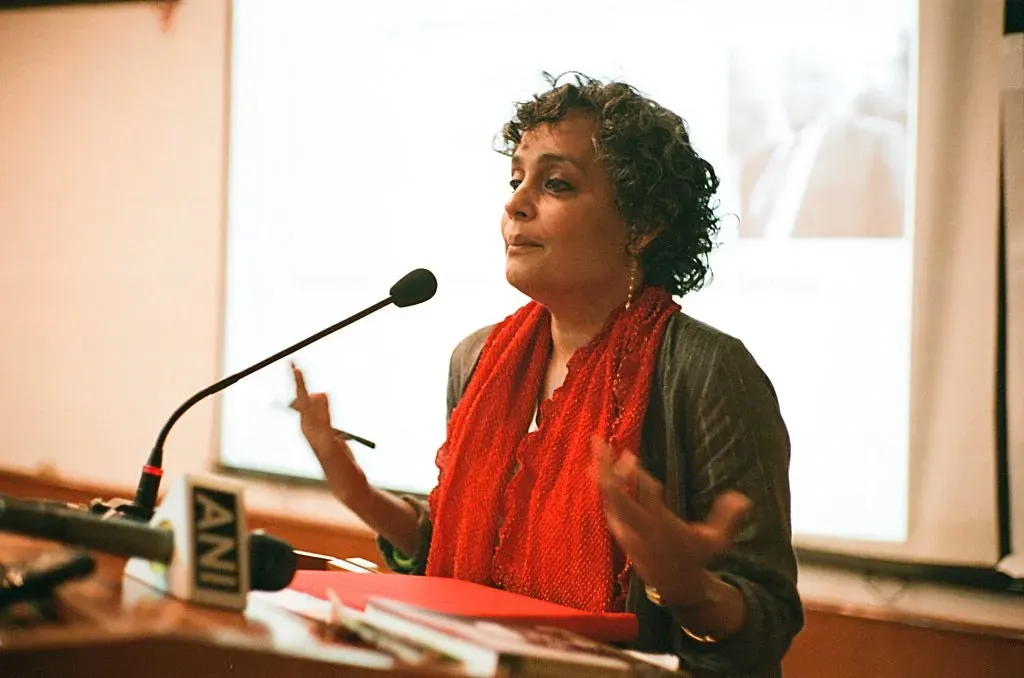
Most know Arundhati Roy for her Booker Prize-winning novel The God of Small Things. Fewer realize her nonfiction essays have become essential texts in human rights discourse. Beyond fiction, her essays are frequently cited in global human rights discussions and international media analysis, particularly throughout 2024. Her writing interrogates state violence, environmental destruction, and caste oppression in India with surgical precision. Roy doesn’t just observe injustice. She names it, dissects it, and refuses to let anyone look away. Her nonfiction work challenges power structures in ways that make governments deeply uncomfortable.
Hannah Arendt – The Thinker Who Understood Totalitarianism
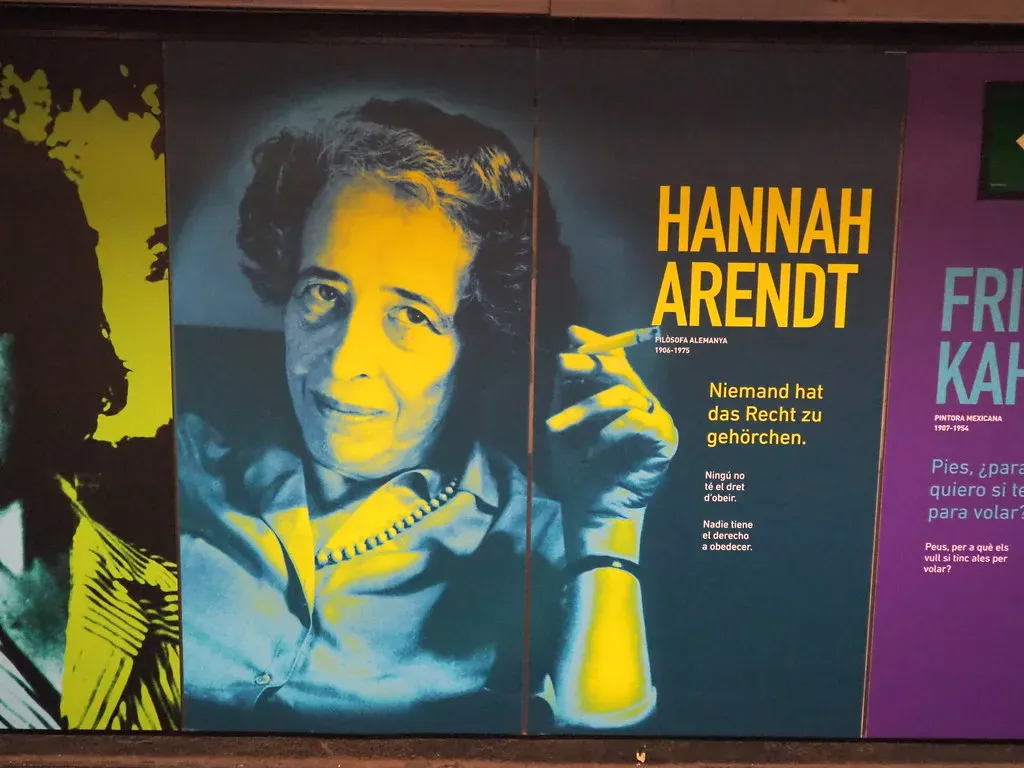
Hannah Arendt escaped Nazi Germany and spent the rest of her life trying to understand how ordinary people become complicit in evil. Her most famous work, The Origins of Totalitarianism, analyzed how fascism and authoritarianism take root in societies. Arendt’s concept of the “banality of evil” emerged from her coverage of Adolf Eichmann’s trial. She observed how monstrous acts can be carried out by unremarkable people simply following orders. Arendt’s work on authoritarianism saw renewed relevance during 2024 democratic resilience studies worldwide, according to political theory journals and think-tank reports. Her insights into how democracies crumble from within feel disturbingly prescient today. As authoritarian movements resurface globally, Arendt’s warnings echo louder than ever.
Chinua Achebe – The Novelist Who Reclaimed African Stories
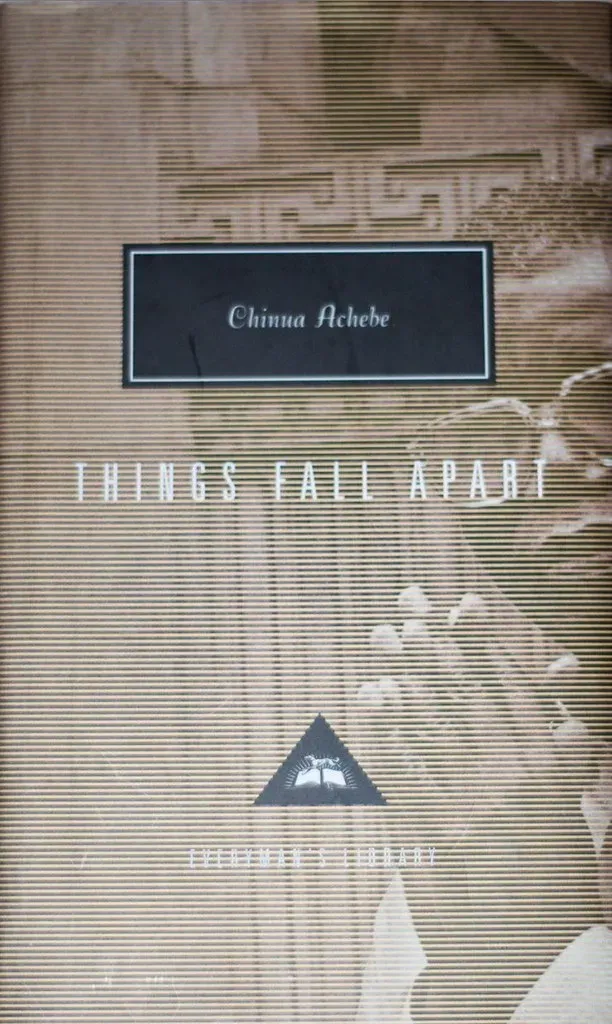
Before Chinua Achebe, much of Western literature portrayed Africa through a colonial lens – primitive, backward, lacking complexity. His 1958 novel Things Fall Apart shattered that narrative. Achebe wrote about precolonial Igbo society with nuance, dignity, and profound humanity. He demonstrated that African cultures possessed rich traditions, sophisticated social structures, and complex moral systems long before European contact. Achebe didn’t just tell a story. He decolonized literature itself. His work inspired countless African writers to tell their own stories on their own terms. Things Fall Apart has been translated into dozens of languages and remains one of the most widely read African novels worldwide. Achebe proved that the pen could be a tool of cultural reclamation and resistance.
What do all these writers share? They refused to accept the world as it was handed to them. They asked uncomfortable questions. They documented truths that powerful institutions wanted buried. Their books didn’t just entertain or inform – they ignited movements, reshaped disciplines, and gave voice to the silenced.
Maybe you’ve read some of them. Maybe you haven’t. Either way, their influence has already touched your life. The language we use to discuss power, the way we understand history, the frameworks we employ to critique injustice – all of it bears their fingerprints. These writers changed the world quietly, one reader at a time. Their obscurity only makes their impact more profound. Ideas don’t need fame to spread. They just need to be true.