, they say, is written by the victors. But here’s the uncomfortable truth: it’s also written by the forgetful, the biased, and the dramatic. Some of ‘s most consequential conflicts have been so thoroughly distorted by propaganda, pop culture, and plain old national pride that what most people “know” about them barely resembles reality.
From wars we label as pointless to wars we remember entirely through the wrong lens, the gap between myth and fact is often staggering. Some of these misconceptions have shaped entire foreign policies. Others have unfairly tarnished generations of soldiers. Let’s set the record straight and dive deep into the wars got most wrong.
1. The Korean War: The Forgotten War That Never Really Ended
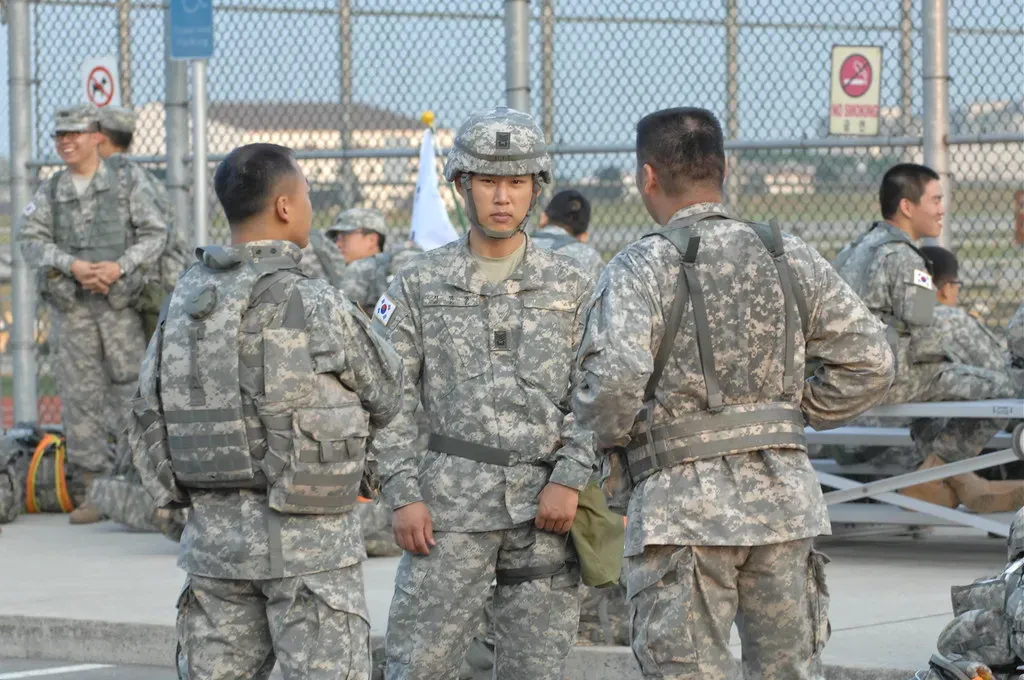
Being sandwiched between World War II and Vietnam, the Korean War has come to be called the Forgotten War, both by historians and the men who fought there. That label alone is a profound injustice. Let’s be real: a conflict this deadly deserves far more than a footnote.
The conflict caused around one million military deaths and an estimated one and a half to three million civilian deaths. Yet most people couldn’t tell you who fought whom, when, or why. The scale of suffering was enormous and almost universally ignored.
North Korea became one of the most heavily bombed countries , and virtually all of Korea’s major cities were destroyed. That’s a fact rarely taught in school classrooms around the world. The destruction was near-total in the North.
Technically, the war wasn’t a war. It was technically a “police action.” President Truman did not ask Congress for a declaration of war, and Congress didn’t offer one. That legal technicality shaped how the conflict was perceived by American society for decades, making it easier to simply look away.
The conflict did not start on June 25, 1950. The invasion did not come as a shock to Koreans. Scholars now argue that years of civil strife, uprisings, and border violence preceded the formal outbreak of hostilities, reframing it as more than a simple North-versus-South story.
Even though 16 countries participated in the Korean War, it is still not considered a “world war.” Think about that for a moment. Sixteen nations. Millions dead. No formal end. And yet it barely registers in collective global memory. The Korean War isn’t forgotten because it was small. It’s forgotten because it was inconvenient.
2. The Vietnam War: A War Defined by Its Myths
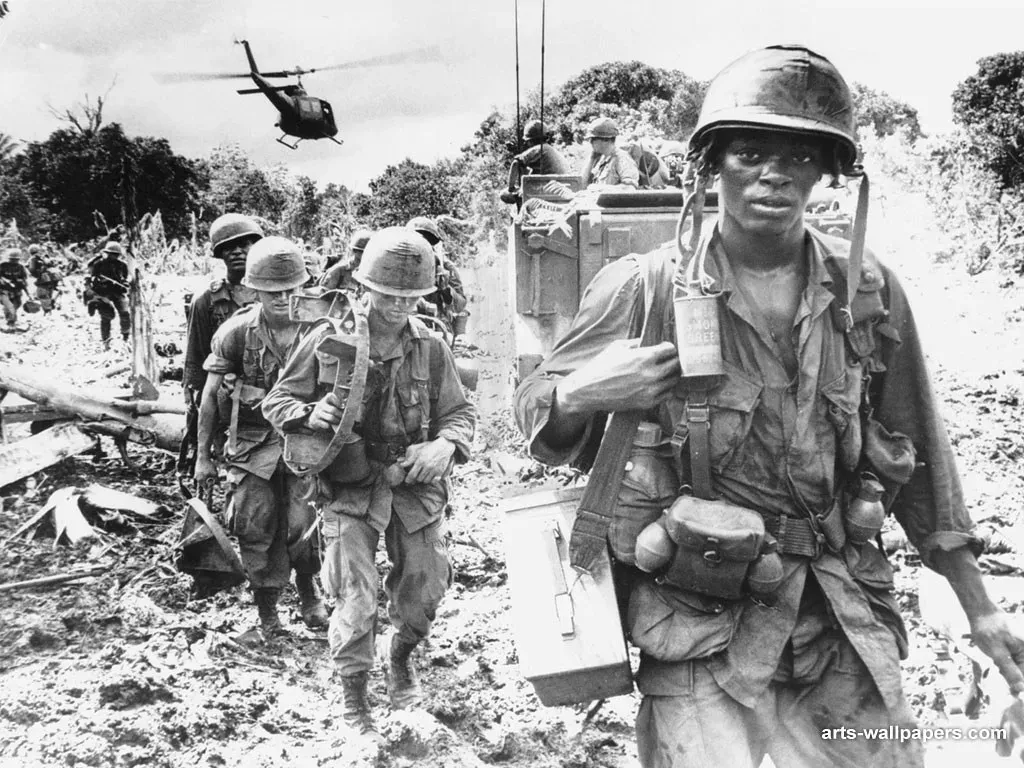
Honestly, the Vietnam War might be the single most mythologized conflict of the 20th century. Decades of Hollywood films, protest songs, and political narratives have constructed a version of events that frequently contradicts documented fact.
In 1985, the results of the National Vietnam Veterans Readjustment Study were released. It revealed that roughly seven out of ten of the 2.7 million people who served in the Vietnam War actually volunteered to serve there. The image of the reluctant draftee, immortalized in countless films, was largely a cultural invention.
Vietnam veterans were the best-educated force the U.S. nation had ever sent to combat. Nearly four out of five had a high school education or higher. The narrative of uneducated, disadvantaged men being funneled into the jungle was deeply unfair to the men who actually served.
The average infantryman in Vietnam saw 240 days of combat each year. The average infantryman in the South Pacific in World War II saw about 40 days of combat. This increase was largely the result of technological advances, including the helicopter, which made troops more mobile. Vietnam was arguably more physically demanding than any previous American war, yet it’s often treated as less serious.
More bomb and artillery tonnage was poured into Vietnam than was used on all Axis powers of World War II combined, including the two atomic bombs dropped on Japan. The scale of American military force deployed was staggering. That this war is often described as a restrained or “hands-tied” conflict defies the raw numbers.
In the 1990s, confirmation came from former Soviet ambassador Dobrynin, and also from Chinese premier Zhou Enlai that neither the Soviets nor the Chinese ever intended to fight the United States in Vietnam. The Johnson Administration’s deep fear of triggering a wider war, which shaped so many decisions, was based on a threat that, it turned out, was never really coming.
3. World War I: Not the Pointless Slaughter It’s Made Out to Be
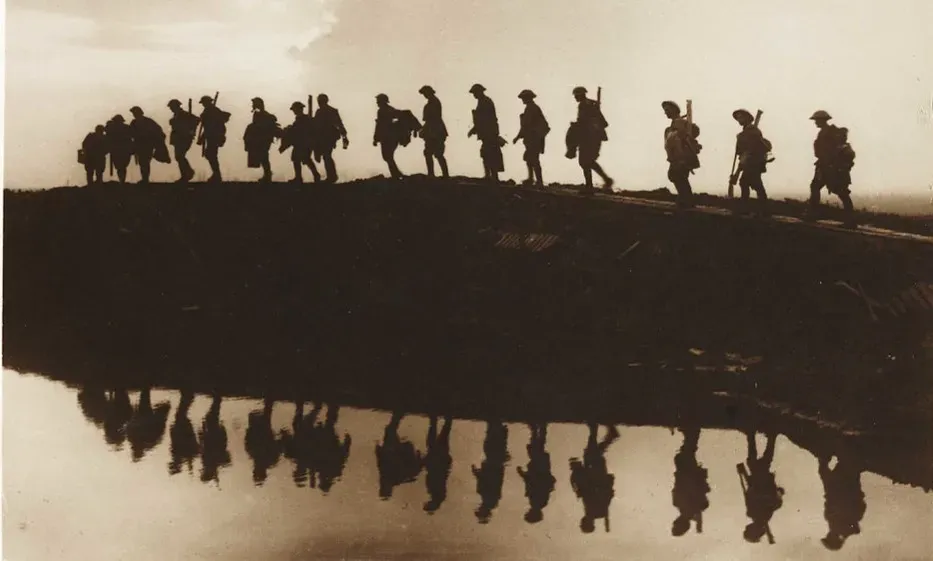
The Great War has been branded in popular memory as the ultimate exercise in futility: generals ordering men over the top into machine gun fire, for nothing. It’s a powerful image. It’s also a significant oversimplification.
It is still widely thought that the Great Powers stumbled into war by mistake, because of some failure of calculation, coordination or communication. National leaders were supposedly trapped into actions they did not intend by commercial interests, the demands of the mob, and alliance commitments. Recent scholarship, however, tells a more deliberate story.
It is a myth that such calculations were absent from the decision for war. No one was swayed by commercial interests, which were against the war in all countries, or by public opinion more widely, which was taken by surprise. Public opinion was considered, but only to bolster the legitimacy of the actions the actors had decided to take anyway.
Artillery weapons were actually responsible for causing the biggest number of deaths during the War. Small arms were responsible for the second largest number of casualties. On the Western Front between 1915 and 1918, artillery was responsible for seven out of ten British casualties. The machine gun’s role, while real, has been dramatically overstated in popular imagination.
The Allies had slightly more troops than the Central Powers, but their economic output was far higher: Total Allied GDP was three times greater than the Central Powers. The war was won as much in factories and fields as in trenches. That economic dimension is almost entirely absent from public memory of the conflict.
The First World War took the lives of 17 million people and resulted in the collapse of three major empires. In the aftermath, totalitarian regimes both right and left came to power, leading to a second, far bloodier global conflict. Calling this war “pointless” ignores how fundamentally it reshaped the entire modern world order.
4. The American Civil War: A War About States’ Rights?
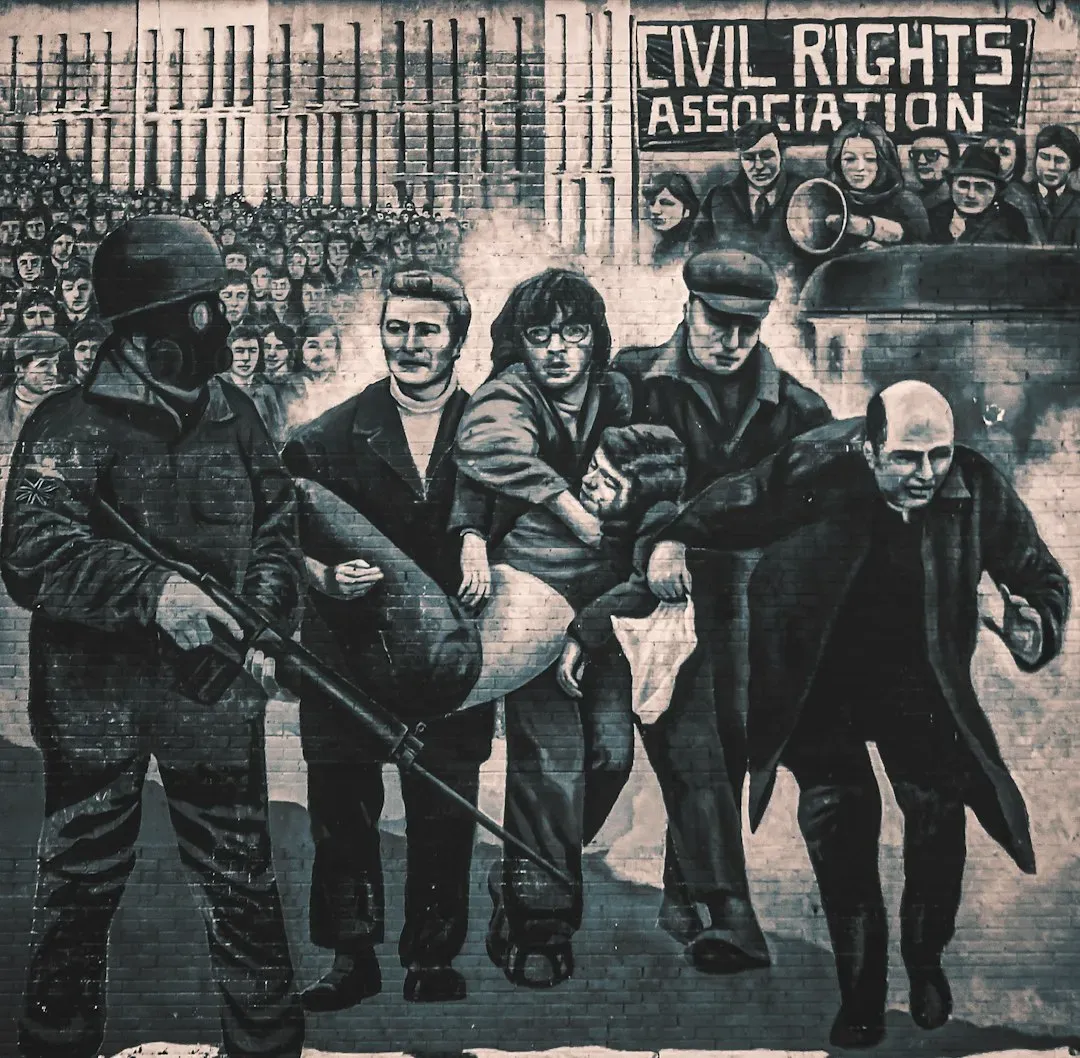
Here’s a myth so stubborn it still fuels political arguments well into 2026: the claim that the American Civil War was primarily about states’ rights, not slavery. It’s a post-war rebranding effort so successful that it’s almost admirable in its audacity.
The secession declarations of the Confederate states, written in their own words at the time, explicitly named the preservation of slavery as the central cause of their departure from the Union. Mississippi’s declaration opened with direct language about the institution of slavery being its greatest material interest. South Carolina, Georgia, and Texas followed with similarly unambiguous statements. These are primary documents, not interpretations.
The “Lost Cause” narrative emerged after the Confederate defeat, carefully constructing an alternative memory of noble resistance against federal overreach. It was, in many ways, one of the most successful propaganda campaigns in modern history, reshaping how an entire region remembered its own recent past. Historians have spent generations trying to undo it.
What’s also misunderstood is the social composition of the Confederate army. The vast majority of Confederate soldiers did not own enslaved people. They fought for a variety of reasons, including local loyalty, family ties, and direct coercion. Yet the political and economic elite who drove secession absolutely fought to preserve the slave-holding economy they depended on. Separating the motivations of leaders from those of common soldiers matters enormously for understanding this war clearly.
5. The Crusades: Holy War or Economic Expansion?
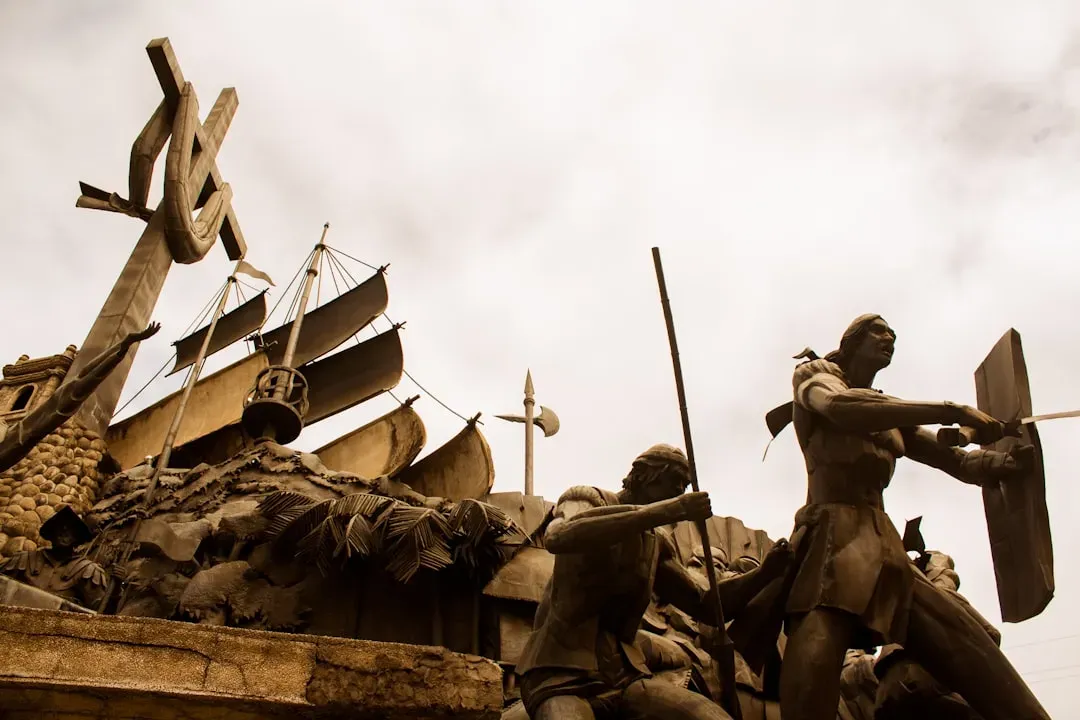
The Crusades are perhaps the most politically weaponized wars in all of history, routinely invoked to score points in modern debates about religion, clash of civilizations, and Western imperialism. The actual history is far more tangled and inconvenient for everyone.
Popular memory frames the Crusades as purely unprovoked Christian aggression against Muslim lands. Yet the First Crusade in 1095 was launched partly in response to urgent appeals from the Byzantine Emperor Alexios I, who faced military pressure from the Seljuk Turks threatening Constantinople. The political context was deeply intertwined with the religious framing from the very beginning.
Economic motivations played an enormous role that is rarely given enough weight in popular accounts. Italian city-states like Venice, Genoa, and Pisa leveraged crusading ambitions to secure massive trading advantages throughout the eastern Mediterranean. The Fourth Crusade in 1204 famously never even made it to the Holy Land, instead sacking Constantinople itself, a Christian city. That single fact should permanently disrupt any purely religious explanation.
Violence was absolutely not one-directional. Muslim rulers also engaged in campaigns of expansion and counter-crusade. Saladin, celebrated as a chivalrous figure in Western memory, was equally capable of calculated brutality when strategic goals required it. The Crusades were a multi-sided, multi-generational geopolitical contest dressed in religious language, and reducing them to a simple morality tale does justice to nobody’s actual history.
6. The Iraq War (2003): WMDs and What We Still Get Wrong
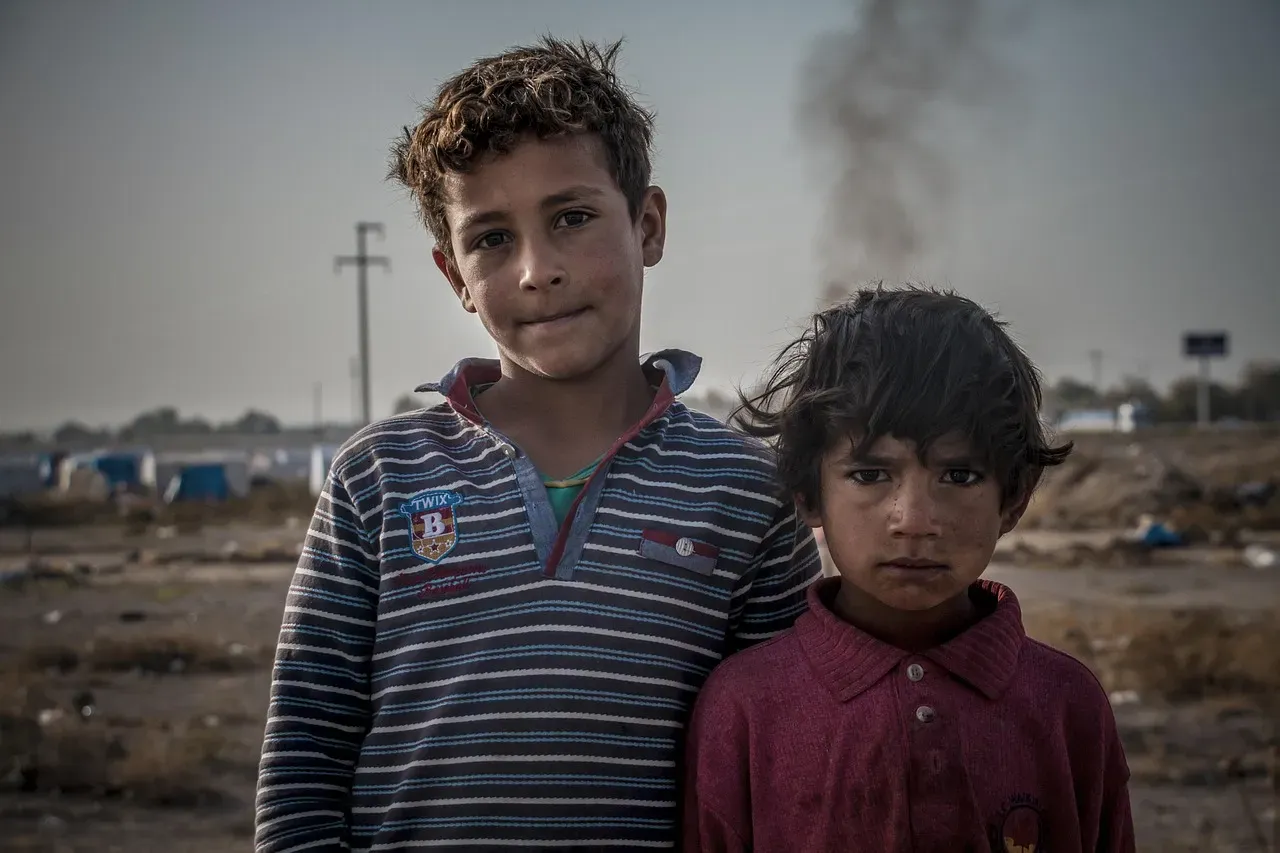
Few modern conflicts have been more debated, more documented, and yet still more misunderstood than the 2003 invasion of Iraq. Many people assume either that the war was simply about oil, or alternatively that it was an honest mistake based on bad intelligence. The full picture is far messier than either narrative allows.
The justification for invasion rested heavily on claims of Iraqi weapons of mass destruction programs. No such weapons were ultimately found. The 2004 Senate Intelligence Committee report found serious failures in U.S. intelligence assessments, but the question of how much decision-makers shaped intelligence to fit predetermined conclusions remains deeply contested among historians and former officials to this day.
What’s often overlooked is how the post-invasion period, not the invasion itself, produced the most catastrophic outcomes. The disbanding of the Iraqi army and the sweeping de-Baathification policy eliminated experienced administrators and military personnel in one stroke, creating a power vacuum that directly fueled the insurgency. These were not inevitable consequences of removing Saddam Hussein. They were specific, contested decisions made by specific people that historians continue to debate intensely.
The Iraq War’s long-term consequences continue to ripple through regional politics well into the 2020s. The power dynamics it disrupted contributed to the rise of ISIS, the intensification of Iranian regional influence, and ongoing instability in Syria. Understanding the war purely as a story of “lies about WMDs” misses how the real damage came in the execution, not just the justification.
7. The Football War: Not Really About Football
This one sounds like a joke. In 1969, El Salvador and Honduras fought a brief war that became known as the “Football War” or “Soccer War,” because it coincided with a fiercely contested World Cup qualifying series between the two countries. Most people assume this is the whole story. It absolutely is not.
Migration from El Salvador to Honduras had been underway for decades, and by 1969, more than 300,000 Salvadorans were living in Honduras. At that time, Salvadorans accounted for more than ten percent of the Honduran population. The football matches were merely the spark on an enormous pile of social and economic tinder.
Local people in Honduras did not like that situation at all. They felt the Salvadorans were taking jobs and resources meant for Honduran natives. Land reform policies targeting Salvadoran immigrants had already pushed tensions to a boiling point before the first ball was kicked in that qualifying series.
El Salvador severed all diplomatic ties with Honduras on the same day as the third football match, then started attacking. The Salvadoran Air Force attacked Honduran military targets inside Honduras’s borders. The war lasted about four days in terms of active combat, but it left thousands dead and over 100,000 Salvadoran migrants displaced. Football was the face. Mass migration and economic fear were the engine.
8. The War of Jenkins’ Ear: Stranger Than Fiction
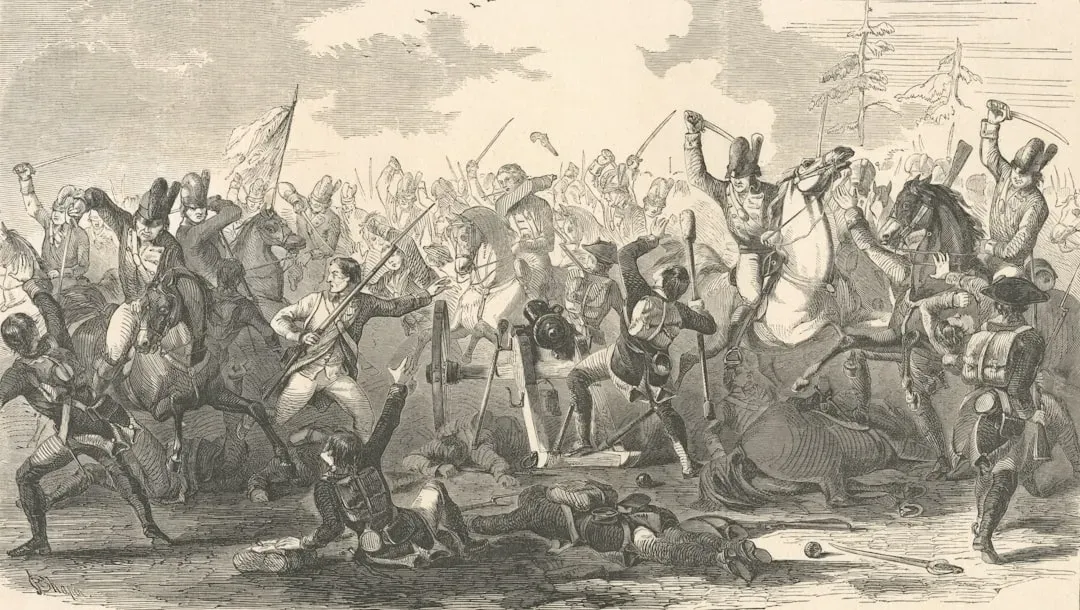
If you want a perfect example of how wars are rarely about what they claim to be about, look no further than the War of Jenkins’ Ear. It started, ostensibly, because a British sea captain had his ear cut off by Spanish coastguard officers back in 1731. That detail is real. The motivations behind the conflict, however, were far less theatrical.
In 1739, the British wanted to spur popular opinion against the Spanish. In order to increase their trade advantage in the Caribbean and pressure the Spanish into continuing to allow the British to sell slaves in Spanish America, they decided to go to war. Jenkins’ pickled ear, allegedly presented to Parliament in a jar eight years after the incident, was a propaganda gift they could not ignore.
The war eventually merged into the larger War of Austrian Succession, illustrating how even the most absurd-seeming conflicts quickly entangle themselves in much larger geopolitical and economic power struggles. Jenkins’ ear was a pretext, not a cause. It’s a lesson as relevant today as it was in the 18th century: what a war is called and what it is actually about are frequently very different things.
Britain and Spain had been locked in a long-running commercial and colonial rivalry throughout the Caribbean and South America. The asiento, the right to supply enslaved Africans to Spanish colonies, was a tremendously lucrative contract. Control of trade routes, port access, and economic dominance in the New World were the real stakes. One man’s severed ear simply gave politicians the emotional hook they needed to bring the public along.
9. The American War of Independence: A Revolution, or a Civil War?
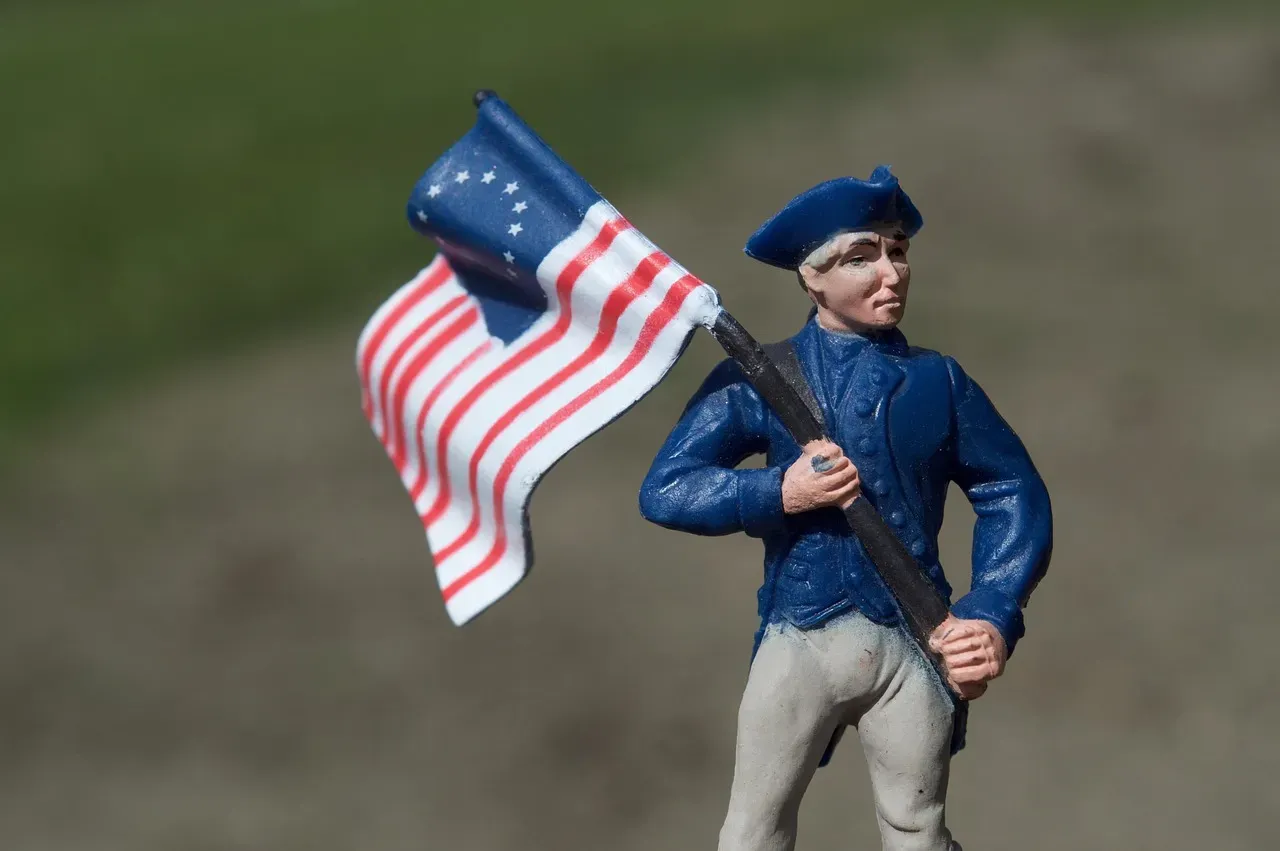
Most people in the United States learn about the War of Independence as a unified colonial uprising against British tyranny, a nation-in-waiting finally breaking free. The messy truth is that this war was, in many respects, also a brutal civil war between colonists who violently disagreed with each other.
Loyalists, those colonists who remained loyal to the British Crown, numbered in the hundreds of thousands. Estimates suggest that roughly one in five white colonists actively supported the British cause, while many others remained quietly neutral. These were not foreign soldiers. They were neighbors, family members, and business partners of the Patriots, and the conflict between them was often vicious and deeply personal.
Loyalists suffered confiscation of property, tarring and feathering, imprisonment, and forced exile in enormous numbers. After the war, roughly 60,000 to 80,000 Loyalists fled to Canada, Britain, or the Caribbean rather than live under the new republic. This forced migration is one of the largest in North American history, yet it barely features in standard American historical education.
The involvement of enslaved people and Native American nations also fundamentally complicates the “liberty versus tyranny” narrative. Many enslaved people sided with the British, who had promised freedom to those who fled Patriot masters and joined British forces. Many Native nations sided with the Crown as protection against colonial expansion westward. The war meant entirely different things depending on who you were and where you stood in the social order of colonial America.
10. The Cold War: A “War” That Wasn’t Cold At All
The term “Cold War” conjures images of tense diplomats, nuclear standoffs, and a globe divided by ideology without actual fighting. The name has convinced generations of people that this decades-long confrontation was somehow bloodless. That impression is profoundly wrong and does enormous disservice to the millions who died in its proxy conflicts.
Korea, Vietnam, Angola, Mozambique, Afghanistan, Nicaragua, Guatemala, and dozens of other countries experienced extraordinarily hot and deadly warfare that was directly fueled, funded, and sustained by the United States and the Soviet Union throughout the Cold War period. About 3 million people were killed in Korea alone, mostly civilians, making it perhaps the deadliest conflict of the Cold War era, and the deadliest conflict in East Asia.
The nuclear arms race, while never producing direct superpower combat, consumed resources on a scale that defies imagination and shaped the political and economic trajectories of both nations for generations. Entire economies were reorganized around military production. Scientific talent was redirected into weapons development on both sides. The cost was not merely hypothetical deterrence. It was real, measured in hospitals not built, schools not funded, and societies shaped by permanent militarization.
The Cold War also directly installed or propped up numerous authoritarian regimes around the world, all justified in the name of containing the other side’s ideology. From Pinochet in Chile to the Shah in Iran to the Khmer Rouge in Cambodia (briefly supported as a counterbalance to Vietnamese influence), the Cold War’s body count extended far beyond any battlefield. Calling it “cold” was always a luxury afforded only to those far from the actual fighting.
Conclusion: History Is Never as Simple as We Were Told
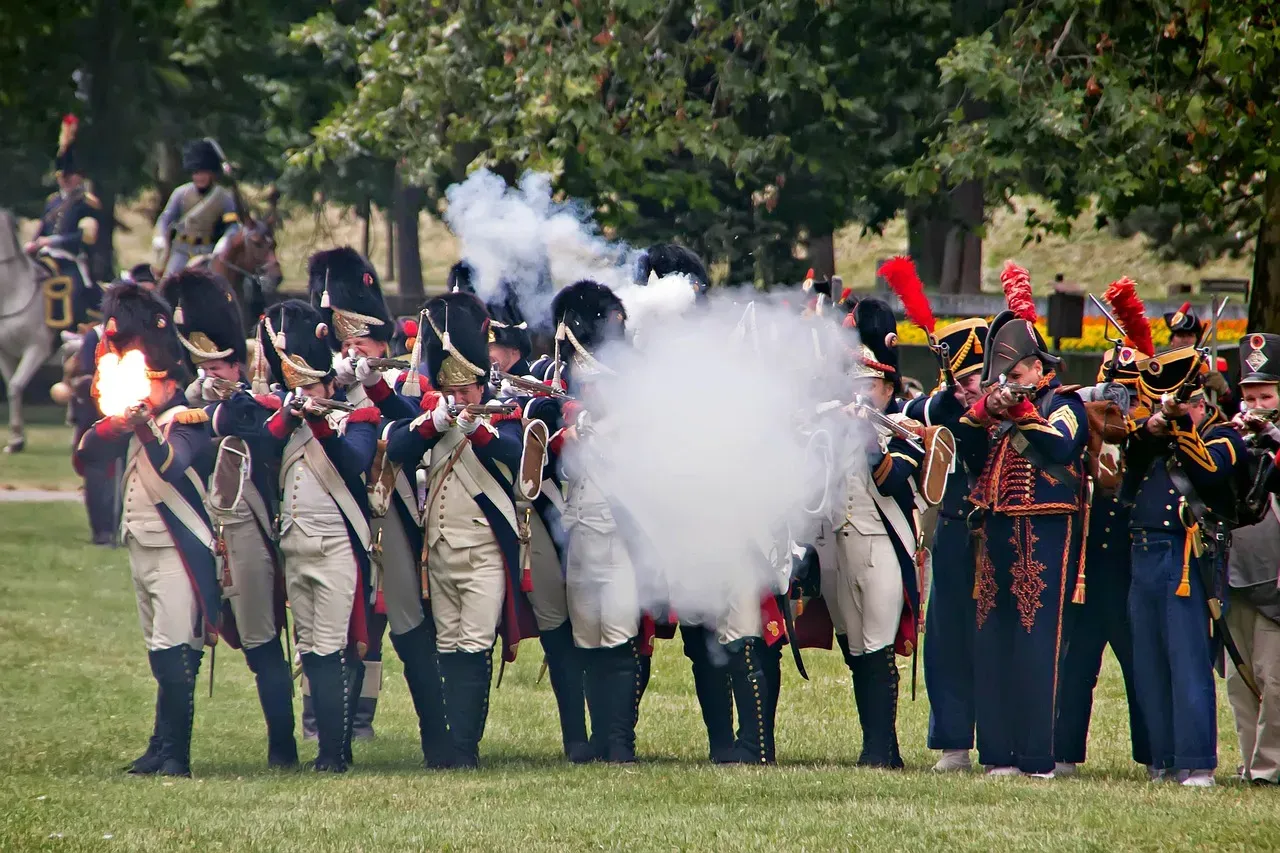
Every war on this list has been filtered through the needs of the moment: the need to justify sacrifice, to build national identity, to assign blame, or to avoid uncomfortable complexity. The gap between what we teach and what actually happened is sometimes staggering, sometimes subtle, but almost always meaningful.
Understanding these conflicts more honestly does not dishonor those who fought in them. If anything, it honors them more truthfully by acknowledging the full and complicated world they actually inhabited. History isn’t a gallery of clean moral lessons. It’s a record of human beings making decisions under pressure, with incomplete information, driven by fear, greed, ideology, and sometimes genuine courage.
Which of these misunderstood wars surprised you most? And more importantly: how many other conflicts are we still getting completely wrong right now?