Imagine stumbling upon an object so strange, so impossible to explain, that it throws everything you thought you knew about the past into question. We’re not talking about dusty pottery or ancient coins. These are artifacts that shouldn’t exist according to our understanding of history, yet there they are, sitting in museums and storage rooms around the world. Some seem like gadgets from a science fiction novel. Others look purposefully cryptic, as if their creators wanted to leave us puzzled for centuries.
What makes these discoveries so fascinating is how they challenge the tidy narrative of human progress. They force scholars to confront the uncomfortable possibility that ancient civilizations might have been far more sophisticated than we give them credit for. Or maybe, just maybe, we’ve been looking at them all wrong. Let’s dive in.
The Antikythera Mechanism – A Computer From Ancient Greece
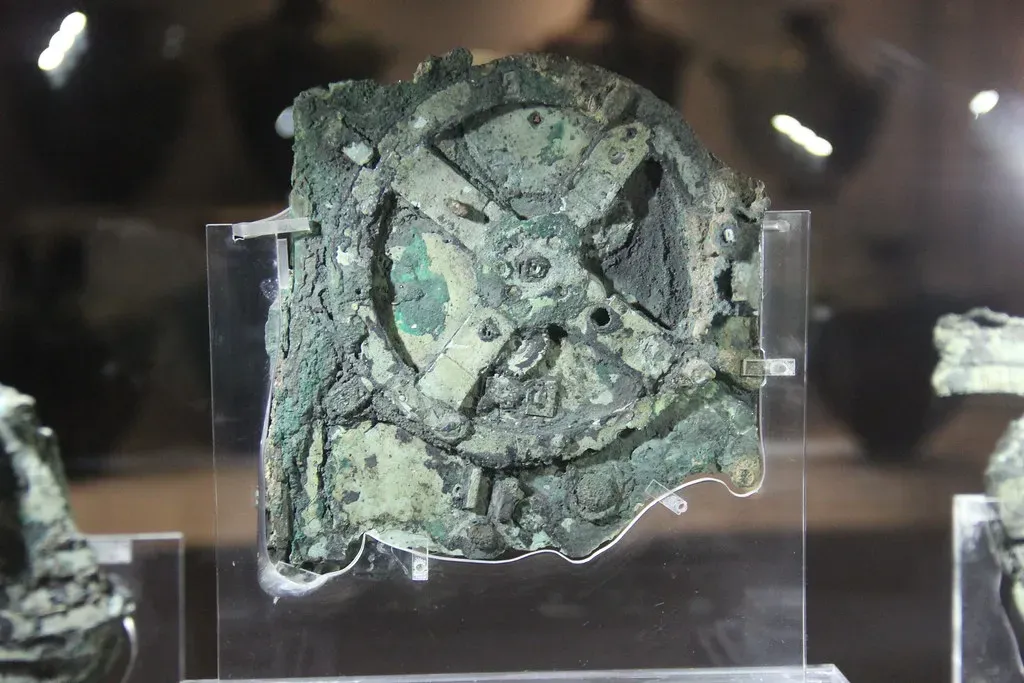
The Antikythera Mechanism was discovered in 1901 by sponge divers exploring a sunken shipwreck off the Greek island of Antikythera. At first glance, it looked like a corroded lump of bronze gears and dials. Decades later, researchers realized it was something extraordinary. The Antikythera mechanism was essentially a complicated celestial calendar and is a remarkable testament to the sophistication of ancient Greek astronomy.
Recent studies from the University of Glasgow show that the ring is vastly more likely to have had 354 holes, corresponding to the lunar calendar, than 365 holes, which would have followed the Egyptian calendar, and that 354 holes is hundreds of times more probable than a 360-hole ring. Here’s the thing. This level of precision shouldn’t be possible for something made two millennia ago. The ancient Greeks designed a handheld computer capable of predicting eclipses, tracking planetary movements, and modeling the cosmos with terrifying accuracy.
However, a recent study suggests that in may not have worked very well, as computer simulation which reproduced the device’s current design suggested that the gear’s teeth may have routinely disengaged, causing the machine to jam. Still, even if it was flawed, the ambition behind it is staggering. It challenges all our preconceptions about the technological capabilities of the ancient Greeks.
The Voynich Manuscript – An Unbreakable Code
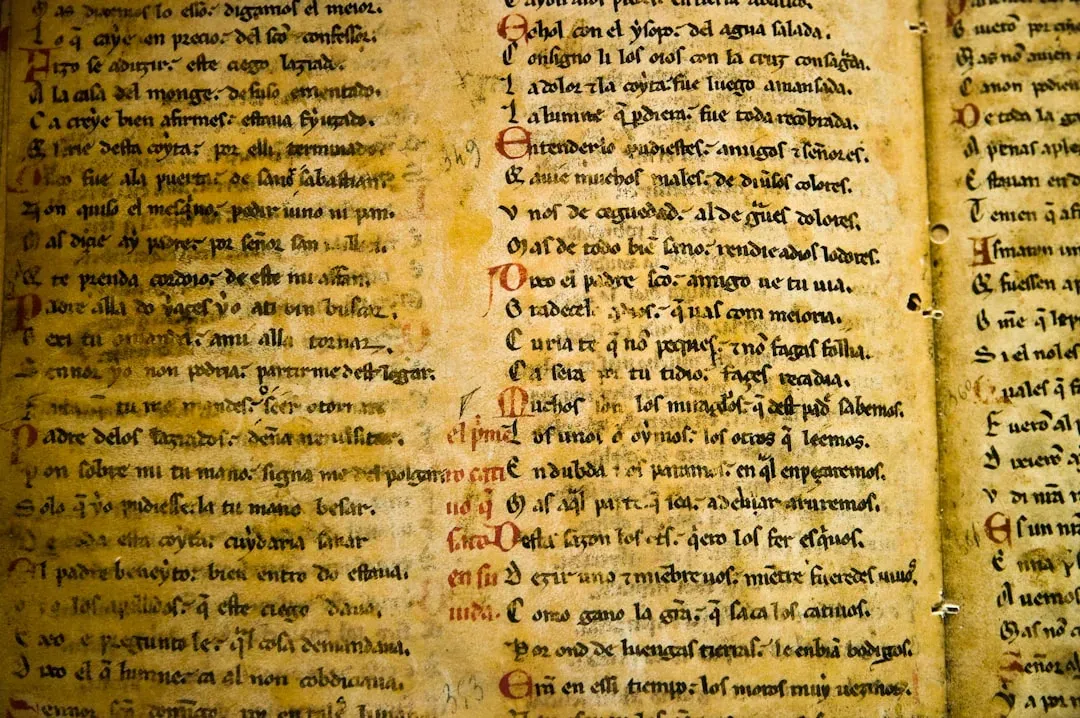
The Voynich manuscript, radiocarbon-dated to the 15th century, contains roughly 38,000 words written in glyphs that have never been translated. It’s filled with bizarre illustrations of unknown plants, naked women bathing in strange green pools, and astronomical charts that don’t match any known system. The manuscript is housed at Yale University’s Beinecke Library, where it continues to mock linguists and cryptographers alike.
A recent peer-reviewed study published in Cryptologia does not claim to solve the mystery, but it shows that the manuscript could plausibly have been produced using a cipher that was within medieval technological capabilities. This so-called Naibbe cipher, which uses dice and playing cards to encode text, produces outputs eerily similar to the Voynich script. For now, the Voynich Manuscript remains undeciphered, but the new approach offers a clearer framework for understanding how such a baffling text might have been created and why it continues to resist simple explanations.
I think what makes the Voynich manuscript so captivating is the sheer audacity of its mystery. Was it a hoax designed to fool gullible collectors? An alchemical treatise written in a forgotten language? Or just an elaborate medieval prank? We may never know.
The Terracotta Army – An Underground Legion
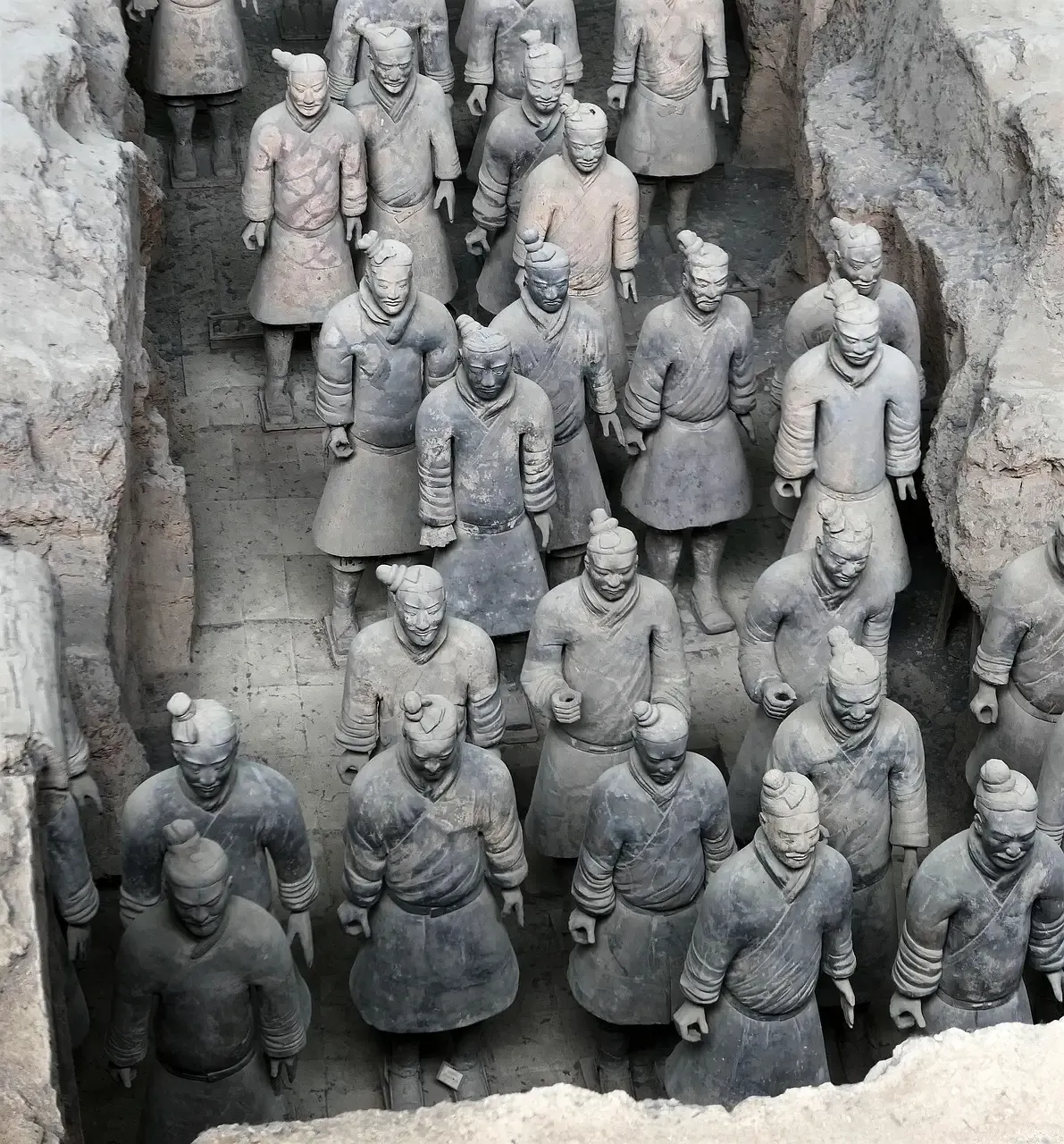
The discovery of the Terracotta Army in 1974 was accidental. Farmers digging a well near Xi’an, China, uncovered fragments of clay that turned out to be part of an astonishing underground army. Roughly eight thousand life-sized soldiers, each with unique facial features, were buried alongside chariots, horses, and weapons to protect China’s first emperor, Qin Shi Huang, in the afterlife.
What strikes me most is the level of detail. No two soldiers are identical. Some have mustaches, others don’t. Their armor varies, their expressions differ subtly. It’s as if the craftsmen wanted to ensure each figure had a soul. The sheer scale of the project required an industrial approach to artmaking that seems almost modern. This wasn’t just a burial ritual. It was a statement of power, ambition, and belief in an afterlife that mirrored the world of the living.
The Baghdad Battery – Ancient Electricity?

The Baghdad Battery was discovered in 1936 at Khujut Rabu, near Baghdad, Iraq, and consists of a ceramic pot about 140 mm tall, a copper tube created from a rolled copper sheet, and an iron rod centrally positioned within the copper tube. In 1938, Wilhelm König, then the director of the National Museum of Iraq, posited a theory that these artifacts could be remnants of a galvanic cell, potentially used for electroplating or electrotherapy.
Here’s where it gets interesting. Modern replicas of the jar, when filled with vinegar or acidic liquids, do produce a small electric current. Paul Craddock of the British Museum said, “The examples we see from this region and era are conventional gold plating and mercury gilding. There’s never been any irrefutable evidence to support the electroplating theory”. The claims are universally rejected by archaeologists, with many suggesting the jars were simple storage vessels for scrolls or sacred texts.
Still, the fact that it could function as a battery raises tantalizing questions. Did ancient Mesopotamians stumble upon electrochemistry by accident? Or is this just a case of us projecting modern ideas onto the past?
The Phaistos Disc – A Spiral of Symbols
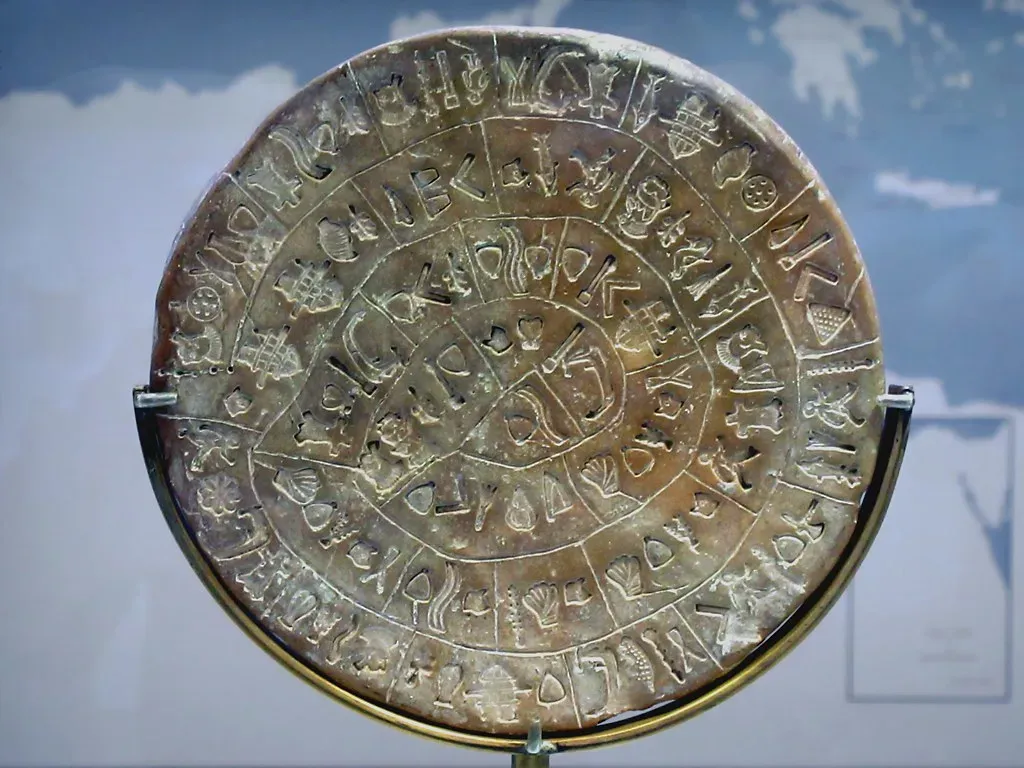
Discovered in Crete in 1908, the Phaistos Disc is a circular clay tablet covered in stamped symbols arranged in a spiral. The symbols don’t match any known writing system, and scholars can’t agree on whether it’s a language, a religious text, or some kind of calendar. The disc dates to roughly 1700 BCE, placing it firmly in the Minoan civilization.
What makes the disc so perplexing is the method of creation. The symbols were stamped using individual seals, which suggests a kind of movable type printing centuries before Gutenberg. Yet no other examples of this technique have been found from the same period. Was the Phaistos Disc a one-off experiment? A sacred object that was never meant to be replicated? The silence of history offers no answers, only more questions.
The Nazca Lines – Geoglyphs in the Desert
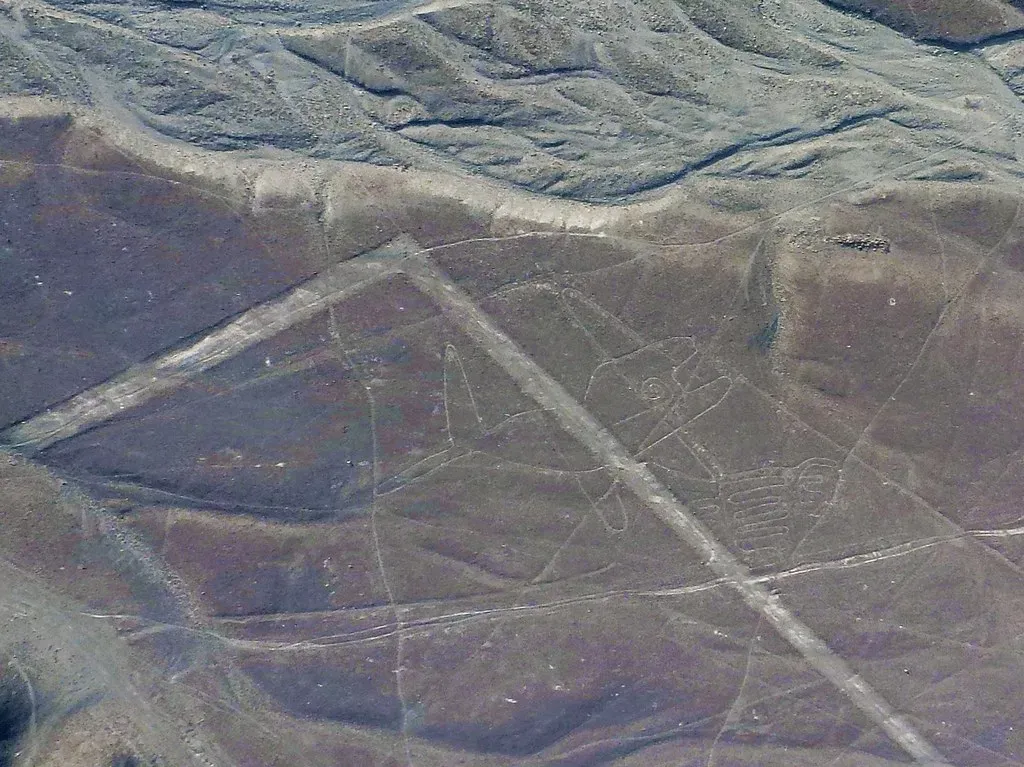
Sprawling across the Peruvian desert are enormous drawings etched into the ground. Some depict animals like monkeys, hummingbirds, and spiders. Others are geometric shapes stretching for miles. The Nazca Lines were created between 500 BCE and 500 CE by removing the reddish topsoil to reveal the lighter earth beneath. They’re so large that they can only truly be appreciated from the air.
This is where things get eerie. The Nazca people had no known flying technology, so why create images only visible from above? Some researchers suggest they were meant for the gods. Others believe they served astronomical or ritual purposes. Walking along the lines, you’d barely notice them. Flying overhead, they transform into a breathtaking gallery of ancient artistry. It’s hard not to wonder who they were really meant for.
Sacsayhuamán – The Puzzle Stones of the Inca
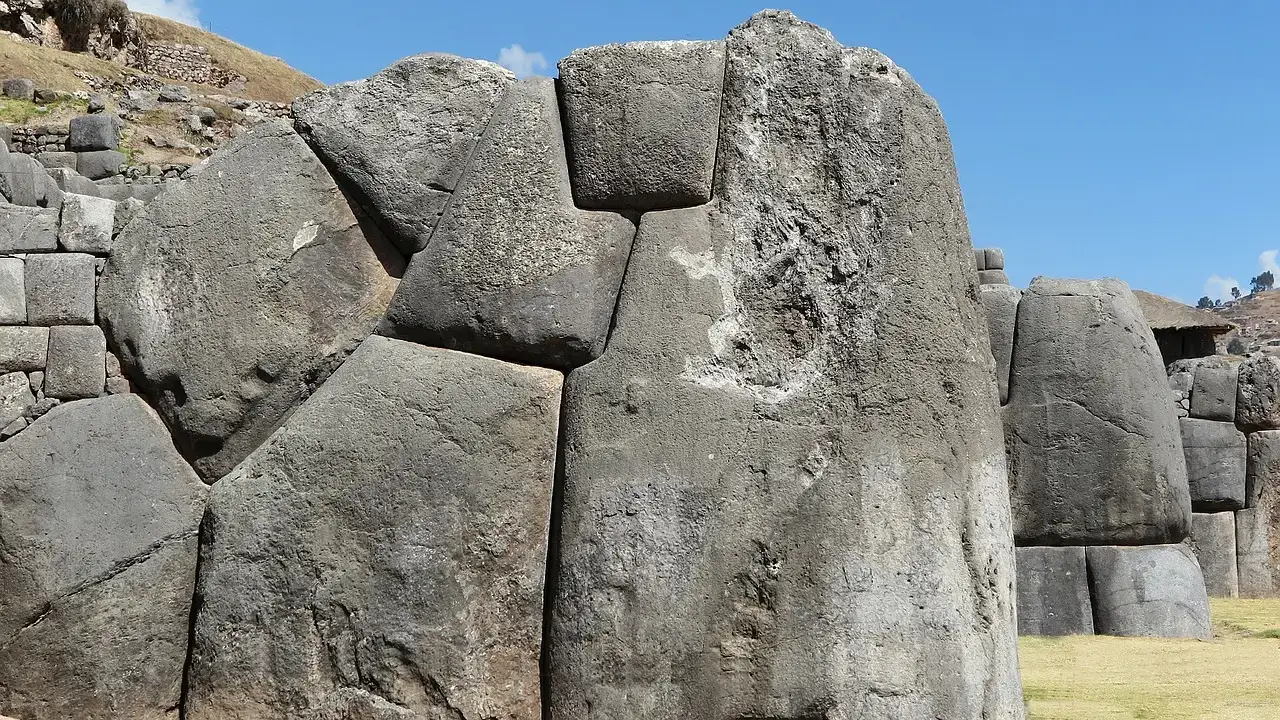
High in the Andes near Cuzco, Peru, sits Sacsayhuamán, a fortress made of massive stone blocks fitted together so precisely that not even a blade can slip between them. Some of these stones weigh over one hundred tons. The Inca built this complex without wheels, iron tools, or mortar. According to the Smithsonian Institution, the construction techniques remain not fully understood.
What baffles engineers today is how the stones were transported and shaped. The joints are irregular, meaning each block was custom-cut to fit its neighbors. Some researchers suggest the Inca used a combination of ramps, levers, and sheer human labor. Others point to legends that speak of ancient knowledge lost to time. Either way, Sacsayhuamán stands as a monument to ingenuity that modern technology struggles to replicate.
Roman Dodecahedrons – Twelve Faces, Zero Answers
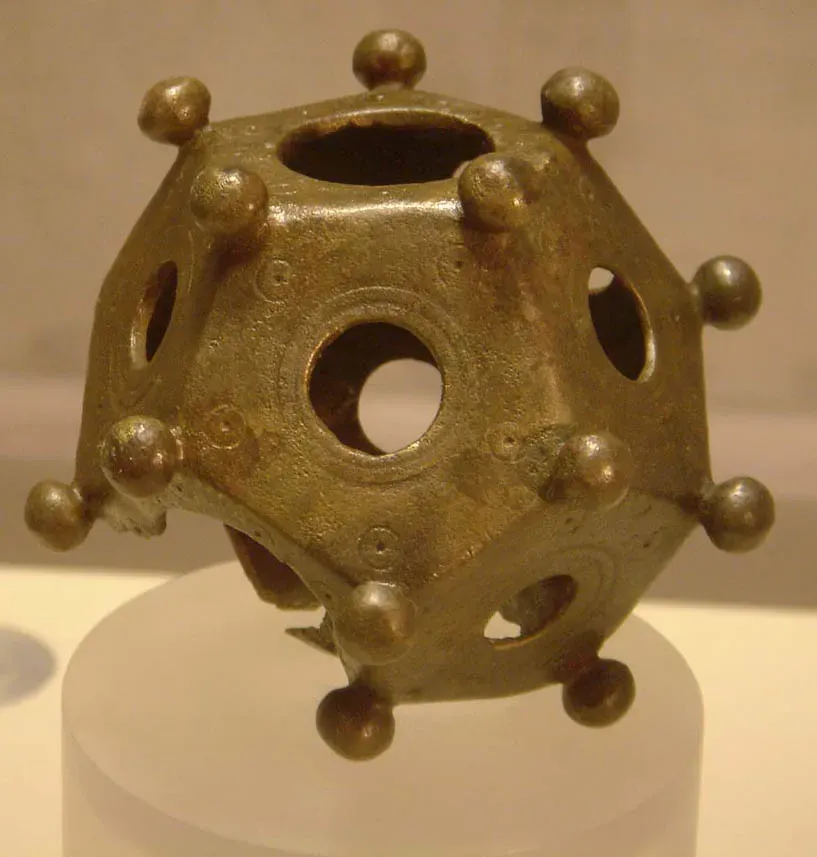
Since the first known example was recorded in 1739, over one hundred Roman dodecahedrons have been discovered, dating from the 2nd to 4th centuries AD, and their purpose or meaning has been long debated but remains unknown. These small hollow objects made of copper alloy have been cast into a regular dodecahedral shape with twelve flat pentagonal faces, each face has a circular hole of varying diameter in the middle, the holes connecting to the hollow center, and each corner has a protruding knob, and they rarely show signs of wear and do not have any inscribed numbers or letters.
Archaeologists have recovered dodecahedrons from the graves of men and women, in coin hoards and even in refuse heaps, so a blanket explanation for their use has not been found, but many researchers have attempted to solve the puzzle, suggesting that dodecahedrons may have been used as weapons, decorations, candlestick holders, range finders, measurement devices, children’s toys, dice, craftsman’s samples or spools for knitting gloves. According to Lorena Hitchens, a doctoral student in the U.K. studying all the Roman dodecahedra of Europe, none of these theories are supported by evidence, and many now believe they were most likely used for ritual and religious purposes.
Honestly, the dodecahedrons feel like an inside joke from the ancient world. Maybe the Romans knew exactly what they were for and simply never bothered to write it down.
Easter Island Moai – Heads With Hidden Bodies
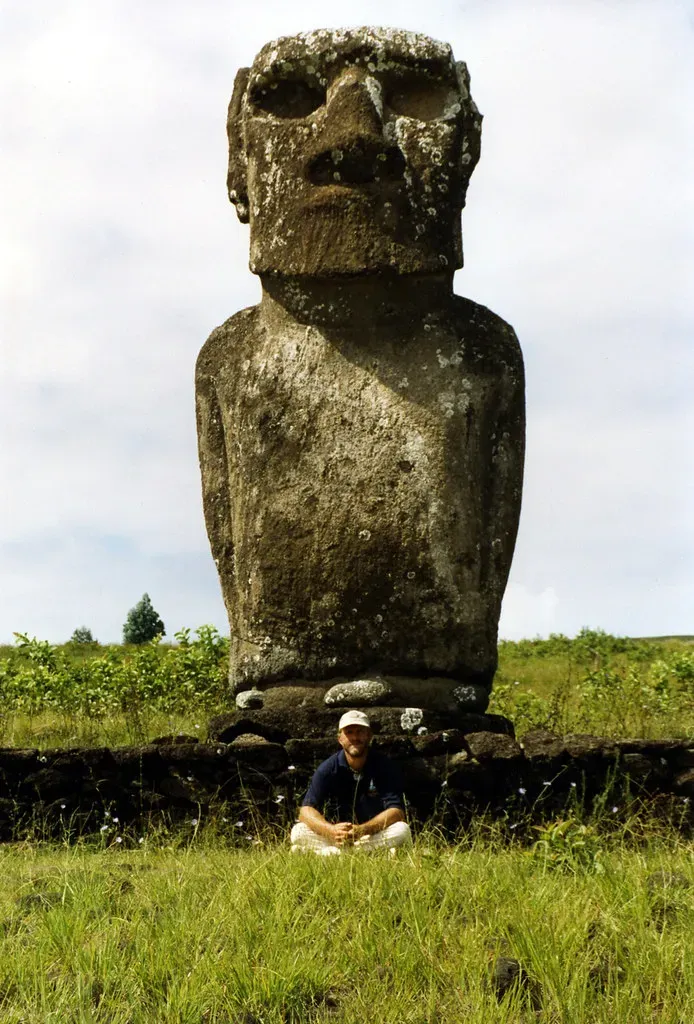
The moai are monolithic human figures carved from stone by the Rapa Nui people on Easter Island in eastern Polynesia between the years 1250 and 1500, and nearly half are still at Rano Raraku, the main moai quarry, but hundreds were transported from there and set on stone platforms called ahu around the island’s perimeter. For years, popular images showed only the iconic heads partially buried in soil. Recent excavations conducted by the Easter Island Statue Project, a team of archaeologists from UCLA, have uncovered the hidden bodies of the iconic Easter Island statues, revealing that these monoliths have hidden bodies buried beneath the earth.
According to Jo Anne Van Tilburg, director of the Easter Island Statue Project, extensive laboratory testing of soil samples from the quarry area shows evidence of foods such as banana, taro and sweet potato, and the analysis showed that in addition to serving as a quarry and a place for carving statues, Rano Raraku also was the site of a productive agricultural area. The moai weren’t just art. They were believed to ensure agricultural fertility and food supply for the community.
The Shroud of Turin – Cloth of Controversy
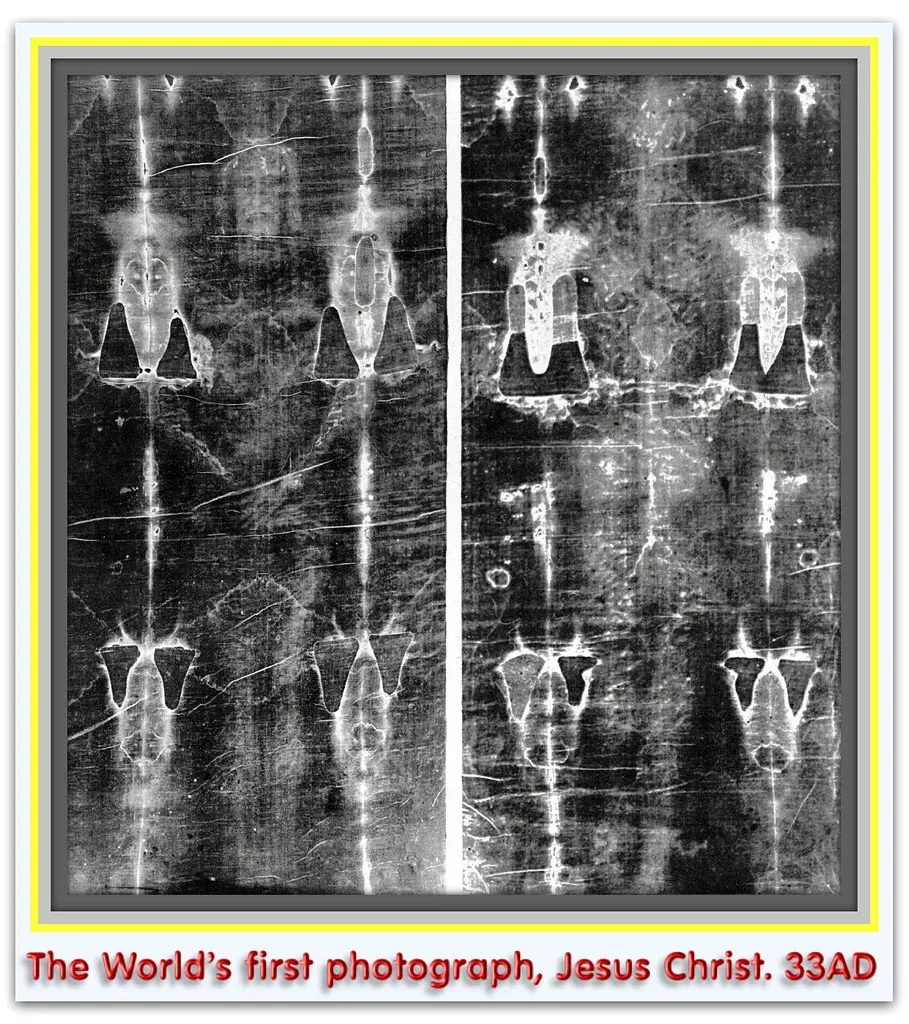
The Shroud of Turin is a linen cloth bearing the faint image of a man who appears to have been crucified. For centuries, believers have claimed it’s the burial shroud of Jesus Christ. Skeptics call it a medieval forgery. Scientific analysis according to Nature has dated the linen cloth to the medieval period, yet debates persist due to inconsistencies in testing samples.
The image itself is strange. It’s a photographic negative, a concept that shouldn’t exist in medieval art. Some researchers suggest it was created using iron oxide pigments and a technique involving heat. Others point to pollen grains and soil samples that suggest Middle Eastern origins. The Vatican has never officially declared it authentic, but they’ve never dismissed it either. The shroud remains a lightning rod for faith, science, and mystery.
So where does all this leave us? These artifacts don’t just tell stories about the past. They remind us how much we still don’t know. Every discovery opens more questions than it answers. Were ancient civilizations more advanced than we thought? Did they possess knowledge that was lost? Or are we simply looking at the past through the wrong lens?
What do you think? Did any of these artifacts surprise you, or do you have your own theory about what they might have been used for?