There’s a particular kind of movie that you stumble across on a Saturday afternoon, already twenty minutes in, and you sit down anyway. You’ve seen it before. Possibly many times. You stay until the credits roll. That’s not passive viewing, it’s something closer to an old ritual. The film has somehow earned a permanent parking spot in your life.
A truly rewatchable movie has everything working together – and a little extra. It’s the type of film you can put on during a bad day and feel better almost immediately, the kind that grabs your attention as you walk through a room and distracts you completely from whatever you were doing. Sometimes it’s the comfort of a longtime favorite that feels like a safe haven, but it’s also an almost indescribable mix of elements that come together perfectly, in whatever genre context, to keep you coming back. What follows is a gallery of the films that do exactly that.
The Shawshank Redemption (1994): The One That Never Leaves

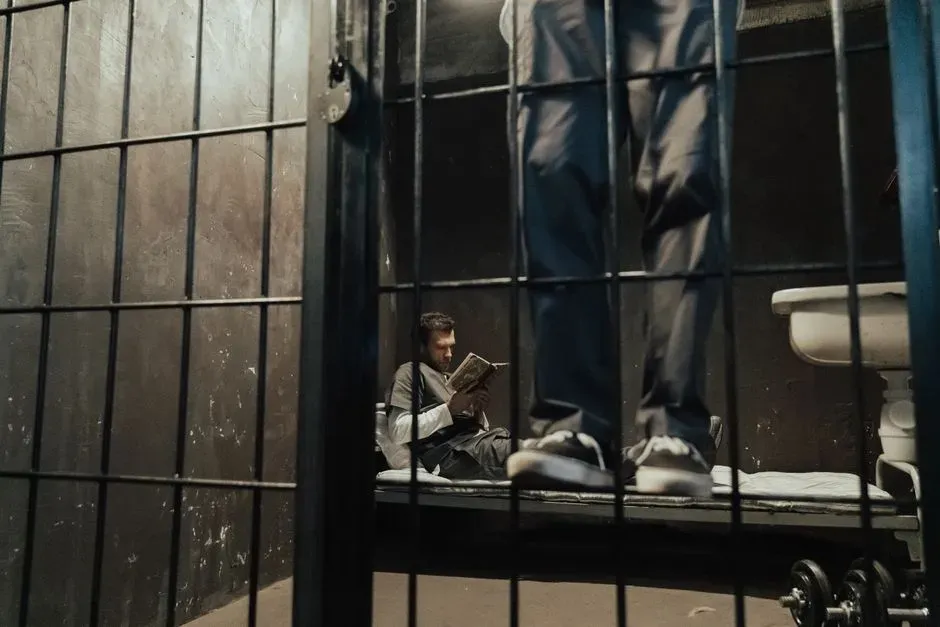
The Shawshank Redemption is one of the most beloved, uplifting, endearing, and endlessly rewatchable movies in cinema history. Quite possibly the greatest film to ever bomb at the box office during its initial theatrical run, the Stephen King adaptation took a while to enter the cultural consciousness. When it did, though, it refused to leave.
This adaptation of a Stephen King novella has become a powerful emblem of hope and resilience, often featured prominently on lists of the greatest films ever made. Though you might have caught it in pieces over years of cable reruns, the film’s profound impact remains undiminished. Directed by Frank Darabont, it transforms King’s atypical story into a compelling crime drama anchored by outstanding performances. It consistently ranks at the top of crowd-sourced rewatchability polls, often sitting above Back to the Future and nearly every other title ever released.
Goodfellas (1990): A Masterclass That Only Gets Better

Scorsese dug back into his Italian roots to craft one of the best gangster films of all time, with a contemporary spin. The result is a rollicking, epic, comic, and ultimately tragic tale of life in the mob from street-kid to rat. Scorsese proves his mastery of cinema with a film that is impeccably paced, filling out the ensemble with unforgettable performances from Robert De Niro, Ray Liotta, Lorraine Bracco, and Joe Pesci.
Gangster movies make for inherently watchable cinema, and Goodfellas is among the elite. Not only is the rise and fall of Henry Hill like a twisted version of the American dream, it’s also darkly comedic and expertly filmed. Everything about it, from the cinematography to the dialogue to the narration to its bit characters, is fantastic. There’s a reason Frank Darabont used a VHS copy of this film as a personal talisman while writing and directing The Shawshank Redemption.
Back to the Future (1985): Built for Repeat Viewing

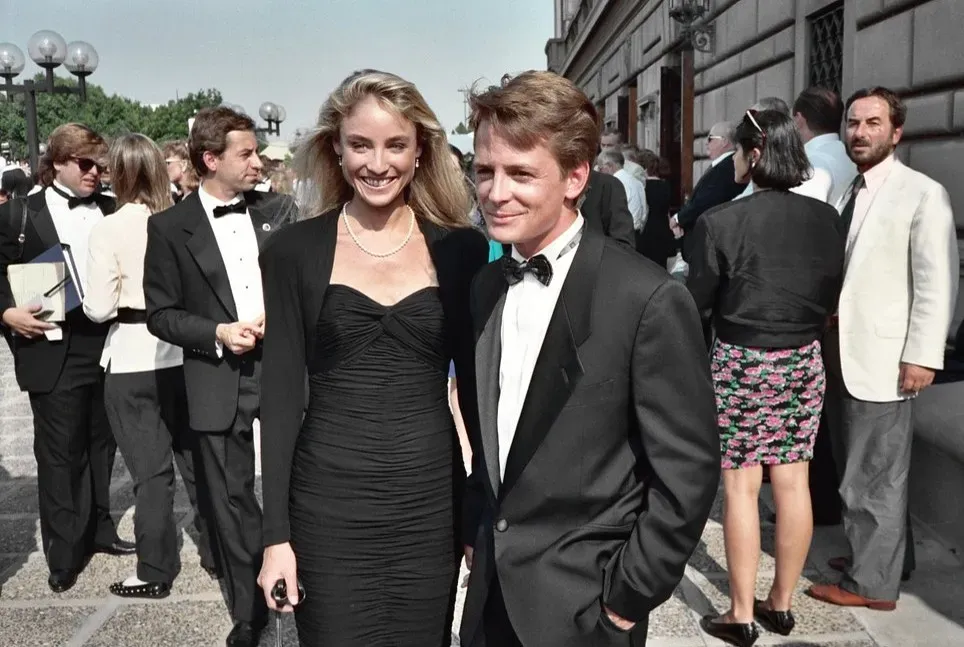
There are time travel movies, and then there’s Back to the Future. The story of Marty McFly’s trip back to the 1950s is positively timeless. The clash between ’80s and ’50s cultures may not land for everyone today, but the memorable characters and dozens of quotable lines never fail to entertain.
It makes for a genuinely rewarding rewatch, since there are so many elements of foreshadowing peppered throughout the film from its very opening scene. We can’t go back in time to watch Back to the Future for the first time, but rewatching it is the next best thing. The film is almost scientifically constructed around cause-and-effect, which means the second and third viewings reveal layers the first one buries.
Pulp Fiction (1994): A Story Structure Built to Revisit

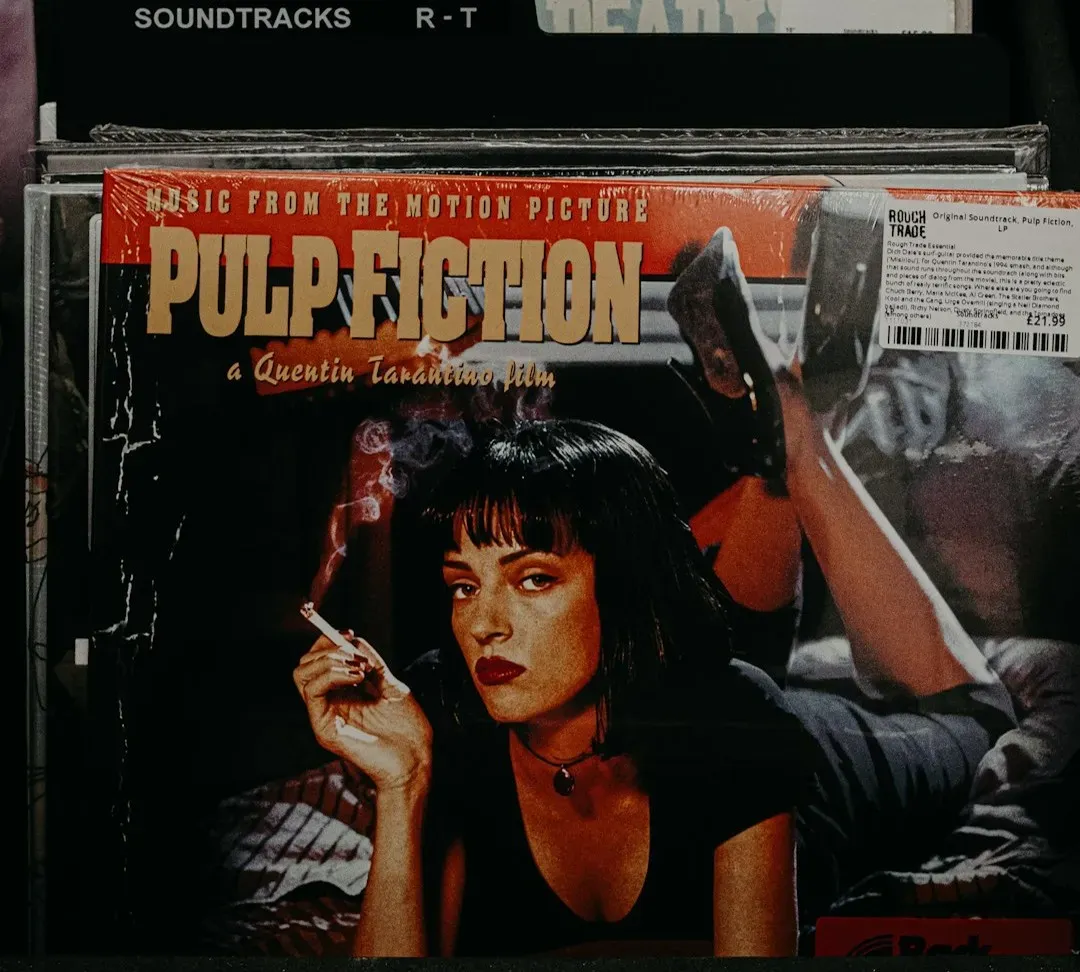
Quentin Tarantino’s ’90s cult hit Pulp Fiction is a staple for film fans, with a few fresh elements that make it worth revisiting. First are the characters, crafted in Tarantino’s unique voice, marked by sharp humor and a love of pop culture. The second is the story structure, with Tarantino breaking the mold for anthology films by weaving together interrelated plots featuring different characters.
There wasn’t much quite like it when it first came out in 1994. Even today, you’d be hard-pressed to find a film that executes its ambitious goals as successfully, despite the many imitations that popped up in the late ’90s. With a script that often seems to flow from one iconic line to the next, and an all-star cast, it’s easy to revisit and enjoy the iconoclastic pleasures of Pulp Fiction.
The Dark Knight (2008): A Comic Book Film That Transcends the Genre

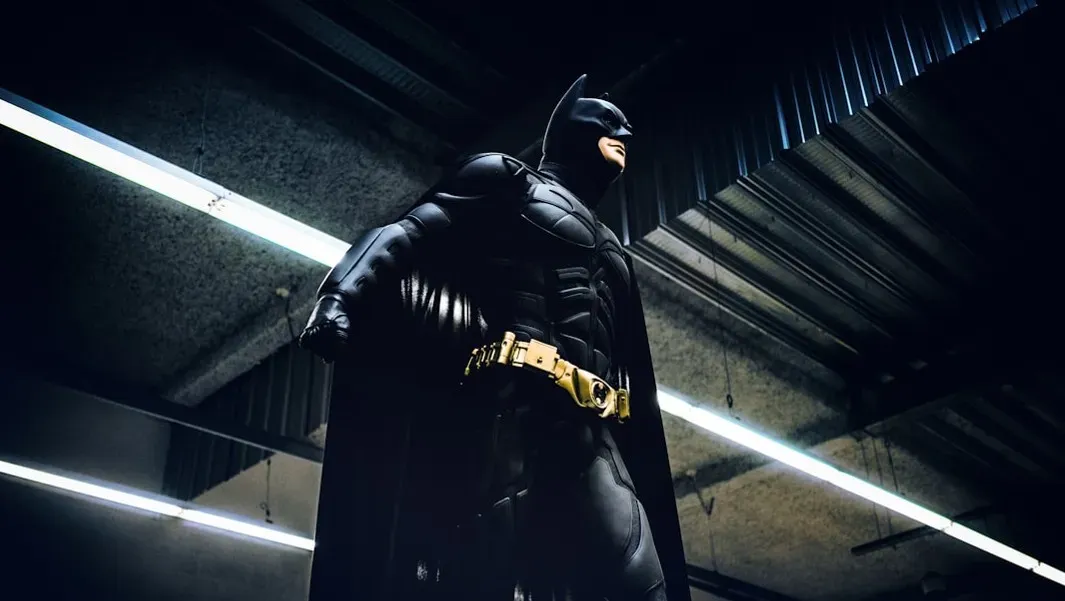
The character of Batman was at its absolute peak in Christopher Nolan’s The Dark Knight. Heath Ledger gave an Oscar-winning performance, and Nolan proved that comic books could be elevated beyond their source material. The film runs nearly two and a half hours, yet it never once feels long. On rewatch, it feels faster.
A film with a high rewatchability factor rewards viewers with themes worth returning to, and each time you notice something new and enjoy the movie’s layered and complex existence. This is also a movie that’s as tense the tenth time as the first, which is an incredible feat. The Joker’s chaos is genuinely unsettling in a way that doesn’t flatten after familiarity sets in.
Shaun of the Dead (2004): The Film That Rewards Every Watch


The filmmaking team of Edgar Wright, Simon Pegg, and Nick Frost first made waves with their TV series Spaced, but it was their 2004 feature film Shaun of the Dead that made them household names. Their twist on the zombie movie with a so-called “zomromcom” is a spectacular feat of cinema – equal parts hilarious, creepy, and moving.
What makes Shaun of the Dead so rewatchable is that it is impeccably crafted. Every single camera movement is motivated, every line of dialogue perfectly timed, all adding up to a viewing experience that is a feast for the senses. Wright and Pegg’s script rewards repeat viewings with various bits of foreshadowing, including a speech at the pub at the very beginning that lays out the entire plot of the rest of the film.
Jurassic Park (1993): Spectacle and Intelligence in Perfect Balance

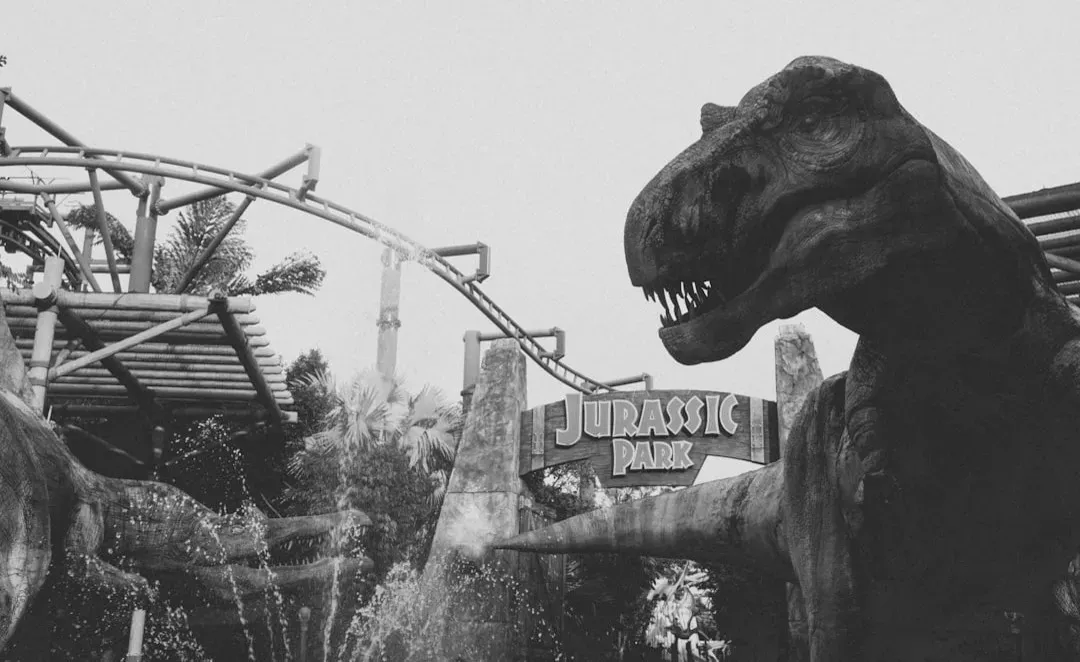
The script by David Koepp and Michael Crichton strikes a perfect balance between spectacle and intelligence, never sacrificing the audience’s understanding or the integrity of the story for mere blockbuster excitement. The two elements complement each other, and the pulpy thrill of reanimated dinosaurs wreaking havoc in an amusement park is delivered with a thoughtful spirit by a masterful director. Watching Jurassic Park again is a reminder of what a truly perfect movie looks like.
Spielberg directs action with uncommon patience. He lets scenes breathe. He makes you wait. That restraint is exactly what makes the film hold up across three decades, and it’s why children who first watched it in the early ’90s still come back to it as adults. The dinosaurs may have aged technically, but the tension has not.
Spirited Away (2001): A World That Keeps Expanding


Like many of Miyazaki’s films, Spirited Away is a melty, mind-bending riff on a classic fairy tale, but his gorgeous and deliciously eerie take marks his most compellingly rewatchable work. A gorgeous allegory on the beauty and peril of growing up, you’d be hard-pressed to find another Miyazaki so beguiling in its world-building. Elegantly designed to work as well for children as it does for their adult counterparts, Spirited Away is complex, bewitching, and infinitely revisitable.
The film won the Academy Award for Best Animated Feature in 2003 and remains the highest-grossing film in Japanese history for a significant stretch of time. What’s striking is how different it feels depending on your age. Children see a girl navigating a strange and frightening world. Adults see something more like grief, identity, and the cost of forgetting where you came from.
Barbie (2023): Hidden Layers Beneath the Pink Surface


While many rewatchable movies earn that status through familiarity, Greta Gerwig’s Barbie earns its spot for almost the exact opposite reason. It’s plenty of fun with great comedic sequences, but what makes Barbie such a rewatchable film is its attention to detail. You could have seen it dozens of times and still pick up something new because of all the Easter eggs and subtle jokes that Gerwig worked in.
The film grossed over 1.4 billion dollars globally, making it one of the highest-grossing films of 2023. Its cultural reach was genuinely unusual. The rewarding part of rewatching a movie is that you get to see it with a different outlook every time, and Barbie offers a sharp satirical layer that reveals itself differently depending on what you bring to the viewing.
The Science Behind Why We Keep Coming Back

Rewatching a movie that was previously enjoyed leads to the release of dopamine, a neurotransmitter associated with pleasure. While new movies can also trigger dopamine release, the familiarity of a beloved film enhances the anticipation of enjoyment, often resulting in a more significant release. This repeated exposure makes neural connections stronger so that the information is more easily accessible.
According to research by Cristel Antonia Russell and Sidney Levy, repetition works for adults just as it does for children. Knowing what will happen bestows order and safety, especially during times when our lives feel uncomfortably less controlled. If we’re familiar with a story, we can let our minds relax while still being entertained. Rewatching can be healthy, fun, and therapeutic. The unfolding scenes can seem like music, with familiar melodies, engaging rhythms, and appealing harmonies, capable of giving us the cognitive and emotional responses we want and expect.