There’s something about soul music that cuts through everything else. It doesn’t just play in the background – it grabs you by the collar and makes you feel something real. The raw emotion, the vulnerability, the power in every note. Some performances are so charged with feeling that you can sense the artist pouring their entire being into that moment. And when that moment gets captured on tape? It becomes immortal.
What makes a performance truly soulful isn’t just technical skill or hitting the right notes. It’s about exposing something human, something genuine. It’s the crack in the voice that reveals heartbreak. The growl that shows defiance. The silence between phrases that says more than words ever could. These artists didn’t just perform – they bled their truth into the microphone. Let’s dive in.
Aretha Franklin at the Kennedy Center Honors
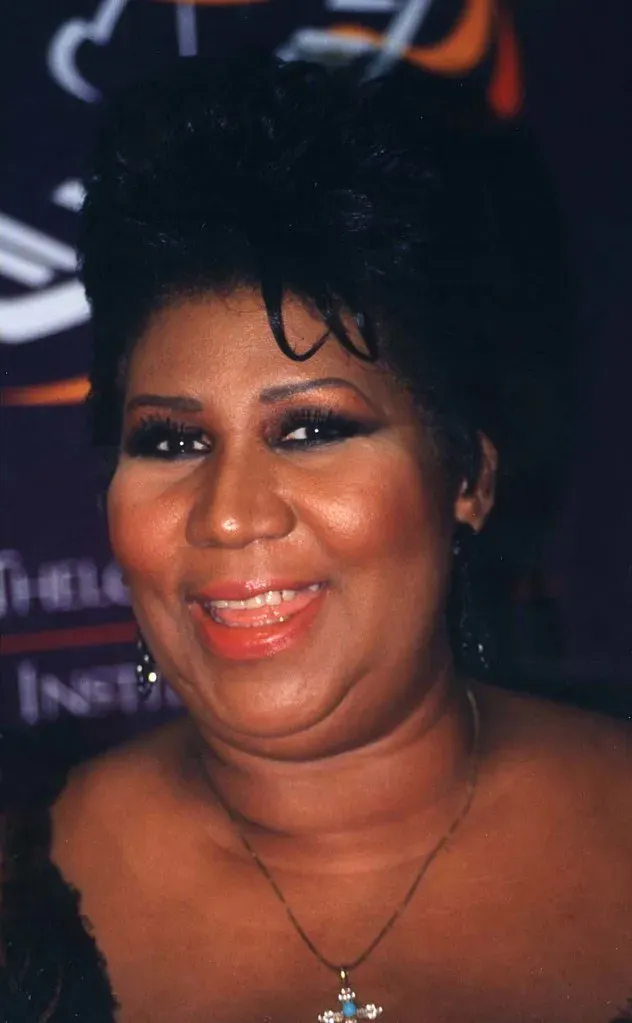
When Aretha Franklin stood up at the Kennedy Center in 2015 to honor Carole King, nobody expected what came next. She launched into a rendition of “Natural Woman” that literally brought President Obama to tears. You could see him wiping his eyes in the audience.
Her voice still carried that signature power, but there was something different that night. A lifetime of experience colored every phrase. She held notes that seemed impossible, not through force but through sheer emotional weight. The fur coat she famously wore became part of music history.
Watching it even now gives you chills. That performance wasn’t about showing off vocal acrobatics. It was about reminding everyone in that room – and everyone watching at home – why she earned the title Queen of Soul. Pure, unfiltered emotion delivered with decades of mastery behind it.
Otis Redding at the Monterey Pop Festival
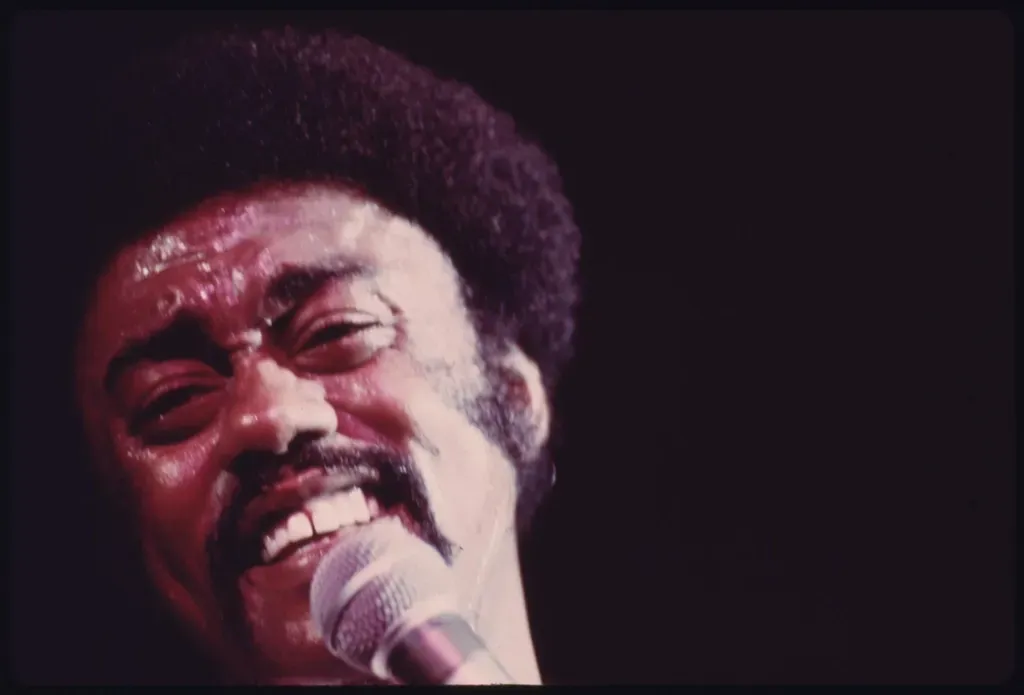
Otis Redding walked onto the Monterey stage in 1967 in front of a crowd that barely knew his name. Most of the audience came for psychedelic rock, not southern soul. By the time he finished, he owned them completely.
His performance of “Try a Little Tenderness” remains one of the most explosive moments ever filmed. He started slow and tender, then built the song into an absolute frenzy. The way he moves, the way he commands the stage – it’s magnetic. You can’t look away.
What makes this performance so special is the genuine surprise on people’s faces. The audience didn’t expect to be moved like that. Redding died just six months later in a plane crash, making this footage even more precious. It captured a master at his absolute peak.
Nina Simone Performing “Sinnerman” Live
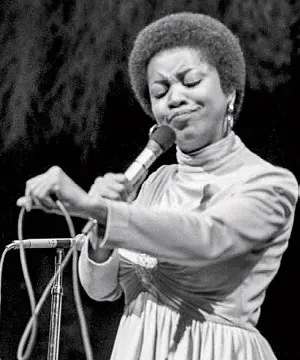
Nina Simone didn’t just sing songs. She possessed them. Her live rendition of “Sinnerman” from the 1960s runs over ten minutes, and every single second crackles with intensity. The camera catches her completely lost in the music, pounding the piano keys like she’s exorcising demons.
The song builds and builds, her voice rising from a near-whisper to a fierce declaration. Her band follows her every shift, but you can tell she’s leading them somewhere unpredictable. It feels dangerous, like anything could happen. That’s what live music should be.
Simone had this ability to make you uncomfortable in the best way possible. She demanded your full attention and gave you no choice but to feel what she felt. This performance showcases not just her vocal ability but her complete artistic command.
Al Green on Soul Train
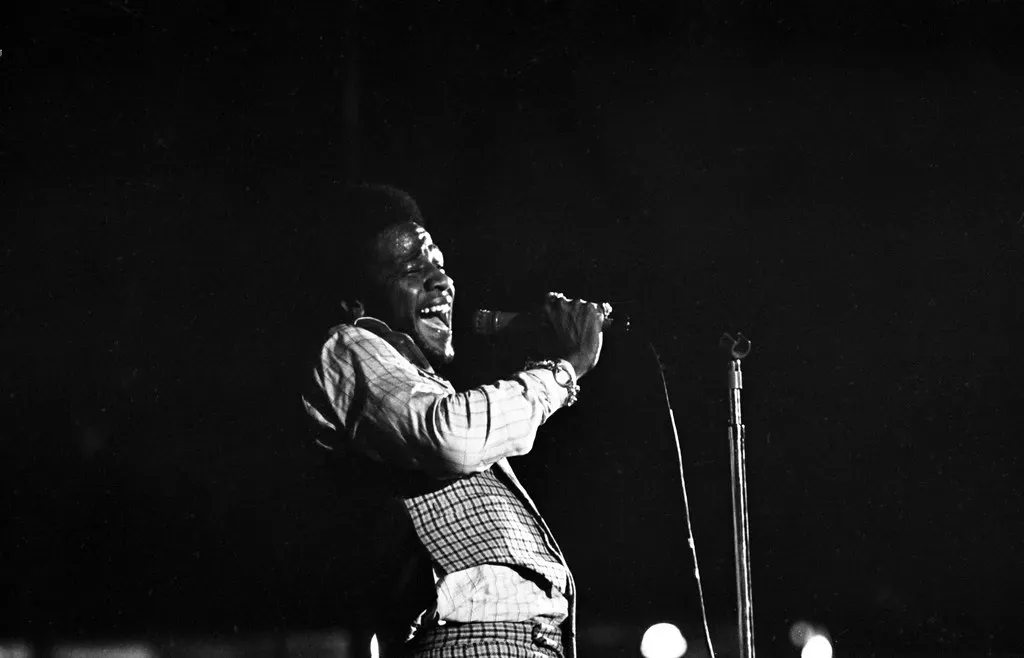
Al Green appeared on Soul Train multiple times, but his performances of “Let’s Stay Together” and “Love and Happiness” remain definitive. He glides across that stage like he’s floating, moving with the music in perfect harmony. His voice switches from smooth silk to gritty passion within seconds.
What’s striking is how effortless he makes it look. There’s no strain, no visible effort – just pure soul pouring out naturally. The way he interacts with the audience, the little ad-libs he throws in, it all feels spontaneous and genuine. You believe every word.
Green had this unique ability to make gospel and sensuality feel like they came from the same spiritual place. Watching him perform, you understand why he became a reverend later in life. There was always something transcendent about his music.
Etta James at Montreux Jazz Festival
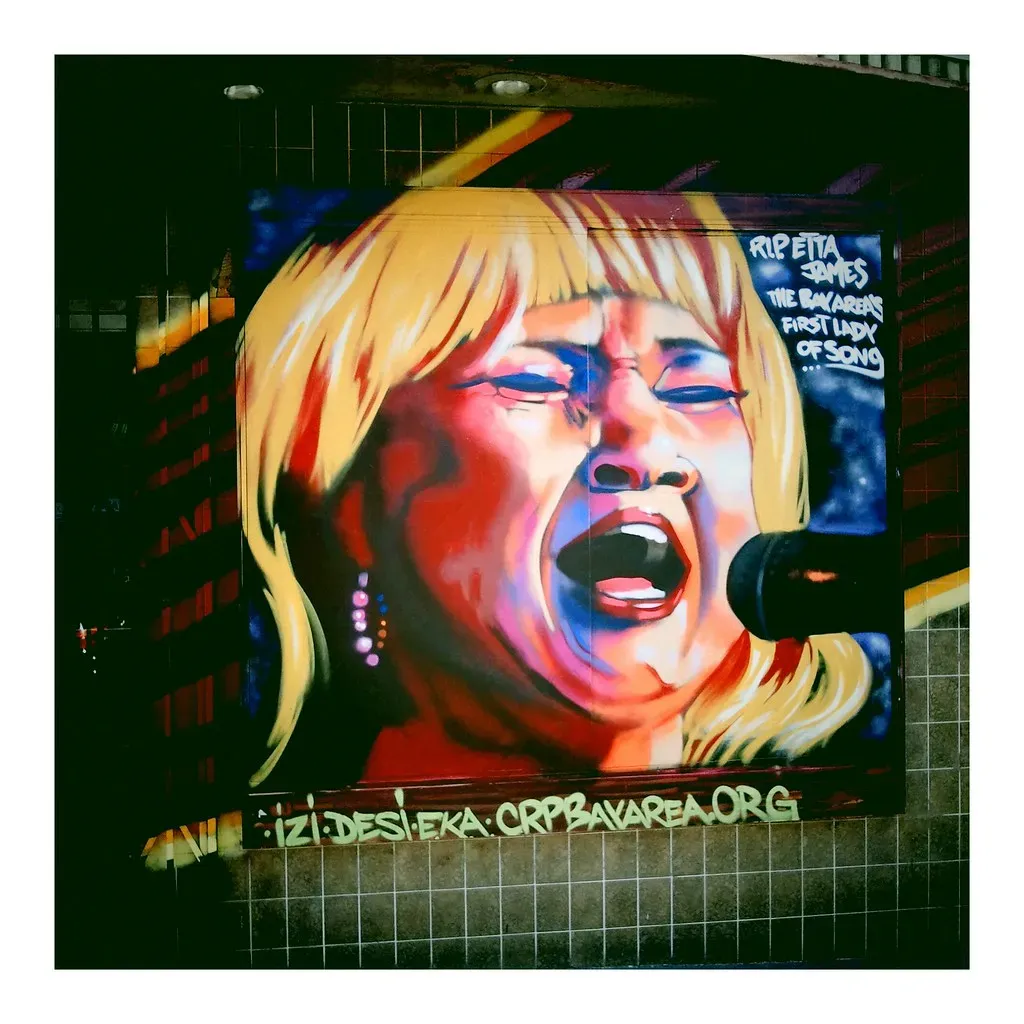
Etta James performing “I’d Rather Go Blind” at the Montreux Jazz Festival in 1993 is devastating. By this point in her career, she’d lived through addiction, heartbreak, and hard times. All of that experience soaked into every note she sang.
Her voice had aged but gained something more valuable – depth. When she sings about watching her lover walk away, you don’t just hear the words. You feel the weight of every lost love she’d ever experienced. The camera catches tears streaming down faces in the audience.
James never held back emotionally. She threw her whole soul into her performances, consequences be damned. This particular show captured her at a moment of hard-won wisdom, still powerful but tempered by time. It’s beautiful and heartbreaking simultaneously.
Sam Cooke at the Harlem Square Club
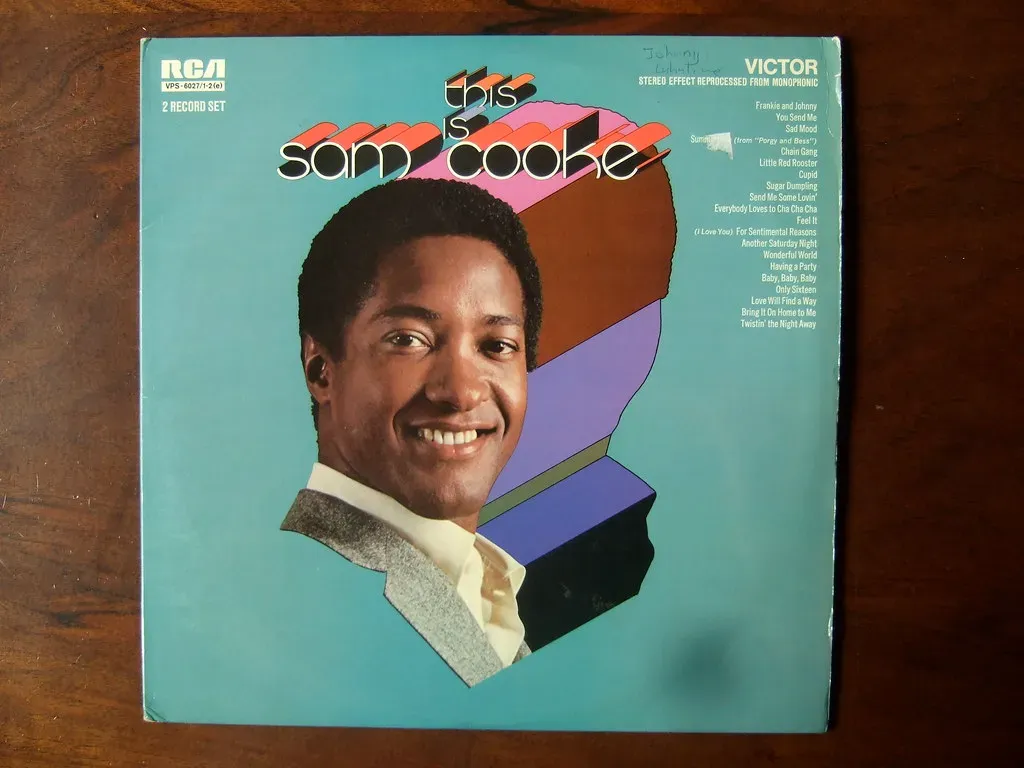
The album recorded at the Harlem Square Club in 1963 didn’t get released for years because it was considered too raw, too real for mainstream audiences. Listening to it now – or watching the limited footage available – you realize that rawness was exactly its power.
Sam Cooke was known for his smooth, crossover appeal. But at the Harlem Square Club, he let loose completely. His voice gets rough, urgent, full of grit you never heard on his polished studio recordings. The audience screams and shouts, caught up in the moment.
This performance shows the real Sam Cooke, the one he showed to Black audiences in intimate venues. No holding back, no polishing for white radio stations. Just pure soul music in its natural habitat. It’s electric.
Gladys Knight and the Pips on Midnight Special
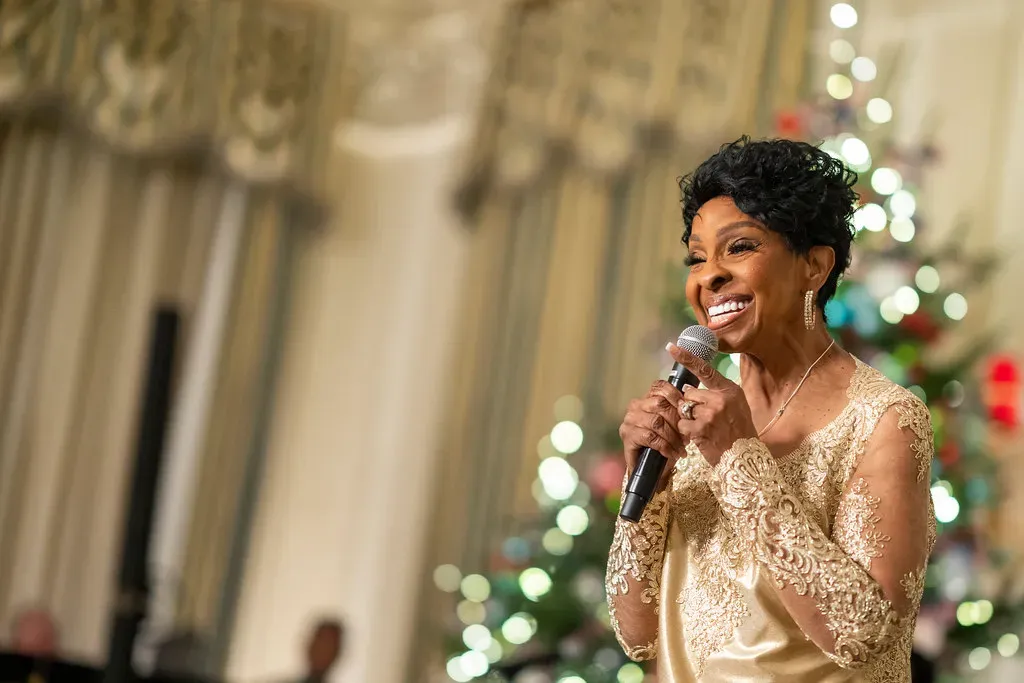
When Gladys Knight and the Pips performed “Midnight Train to Georgia” on The Midnight Special in 1974, they created television magic. The choreography, the harmonies, the way Gladys delivered every line like she’d lived it herself – it all came together perfectly.
Knight had this incredible ability to tell a story through song. You could see the narrative unfolding in her expressions, hear it in the way she shaped each phrase. The Pips provided not just backup but emotional counterpoint, their movements adding depth to the storytelling.
What makes this performance stand out is the chemistry. These weren’t just professional collaborators – this was family creating art together. The love and understanding between them shows in every synchronized step and harmonized note. It feels authentic because it was.
Marvin Gaye Singing the National Anthem
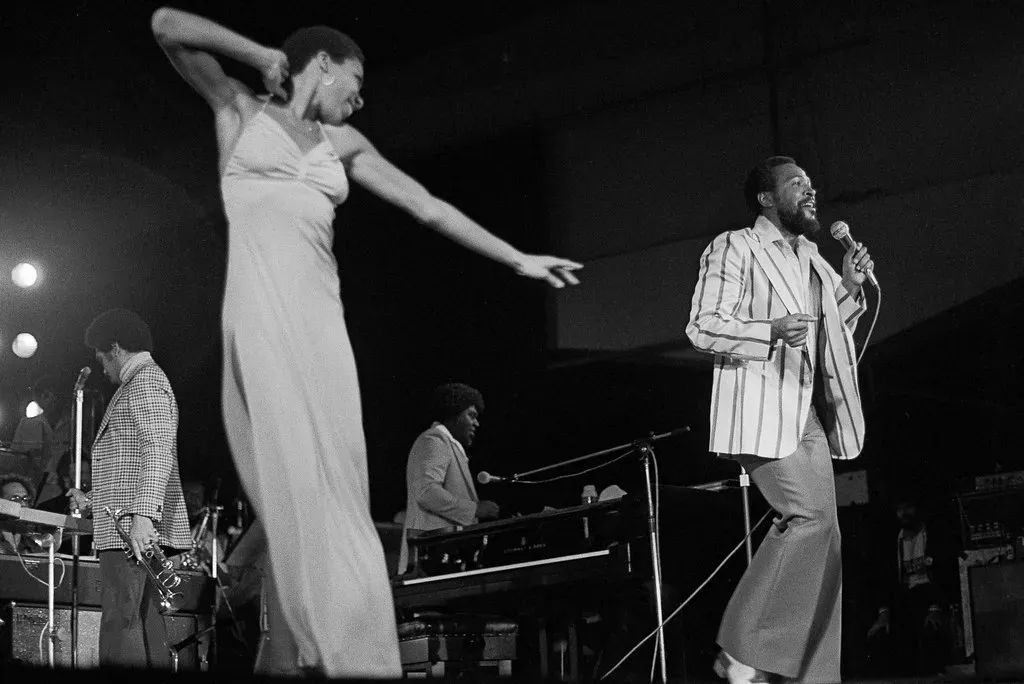
The 1983 NBA All-Star Game gave us one of the most unconventional and soulful renditions of the national anthem ever recorded. Marvin Gaye took the song everyone knows and made it his own, turning it into something funky and deeply personal.
He sang it to a drum machine beat, which was controversial at the time. But Gaye understood something important – you honor tradition by bringing your authentic self to it, not by mimicking what came before. His version dripped with soul and sensuality.
The performance divided people. Some loved it, others thought it was disrespectful. But nobody could deny it was memorable. Gaye took a risk and poured his unique artistry into a moment millions were watching. That’s what true soul is about – being fearlessly yourself.
Stevie Wonder at the White House
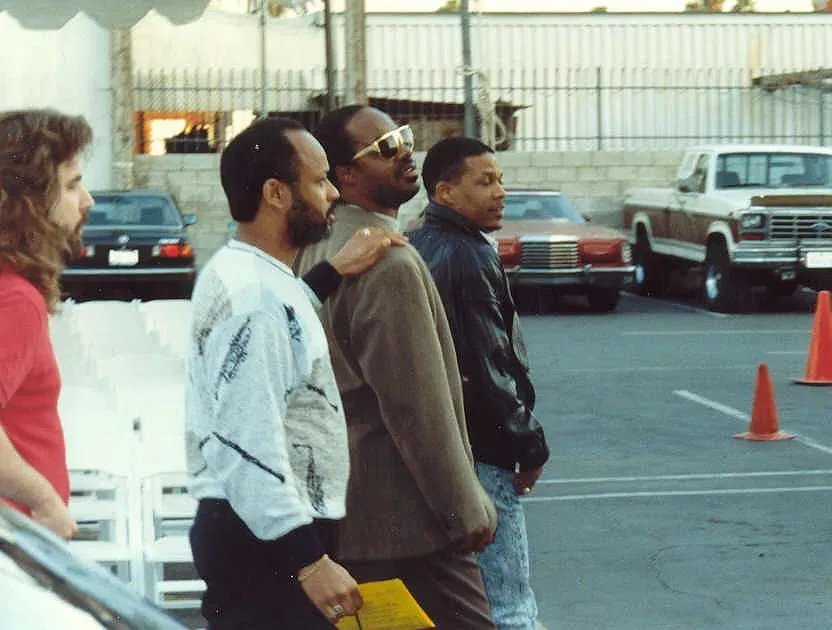
Stevie Wonder has countless incredible performances on tape, but his tribute to Duke Ellington at a White House dinner in 2009 stands out. He performed “Sir Duke” with such joy and energy that it transformed the formal setting into a celebration.
Wonder has this gift for making music feel like pure happiness. His voice soars, his harmonica playing cuts through with perfect precision, and his presence radiates genuine love for the music. You can’t watch him perform without smiling.
What makes Wonder’s performances soulful isn’t just his technical mastery. It’s the way he connects to something joyful and life-affirming in every note. Even his sad songs carry hope. This White House performance captured that spirit perfectly – music as an expression of pure humanity.
Conclusion
These performances share something beyond technical excellence or commercial success. They capture human beings in moments of complete artistic honesty, pouring their entire selves into music that transcends the limitations of recording technology. Whether filmed with professional cameras or captured on grainy footage, the emotional truth shines through.
Soul music at its best reminds us that vulnerability is strength, that exposing your real feelings connects us all. These artists weren’t afraid to show pain, joy, struggle, or triumph. They gave us permission to feel deeply in a world that often encourages emotional suppression.
The beauty of these recorded performances is that they preserve moments that can never be recreated. Even the same artist singing the same song will never capture that exact combination of time, place, and emotion again. What’s your favorite soulful performance that gives you chills every time? Tell us in the comments.